 EN
EN English
 中文简体
中文简体 Español
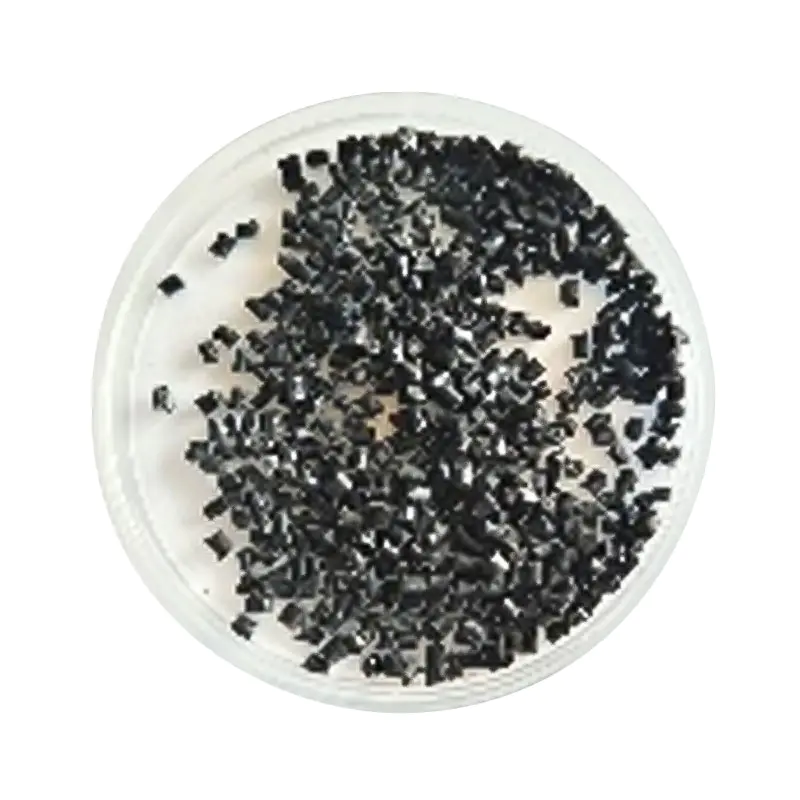


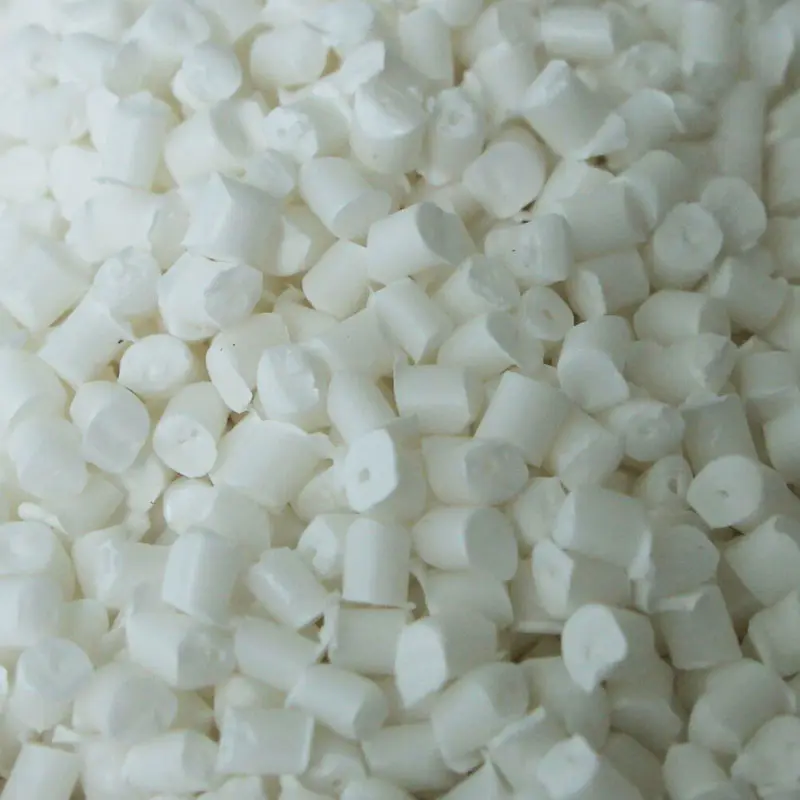
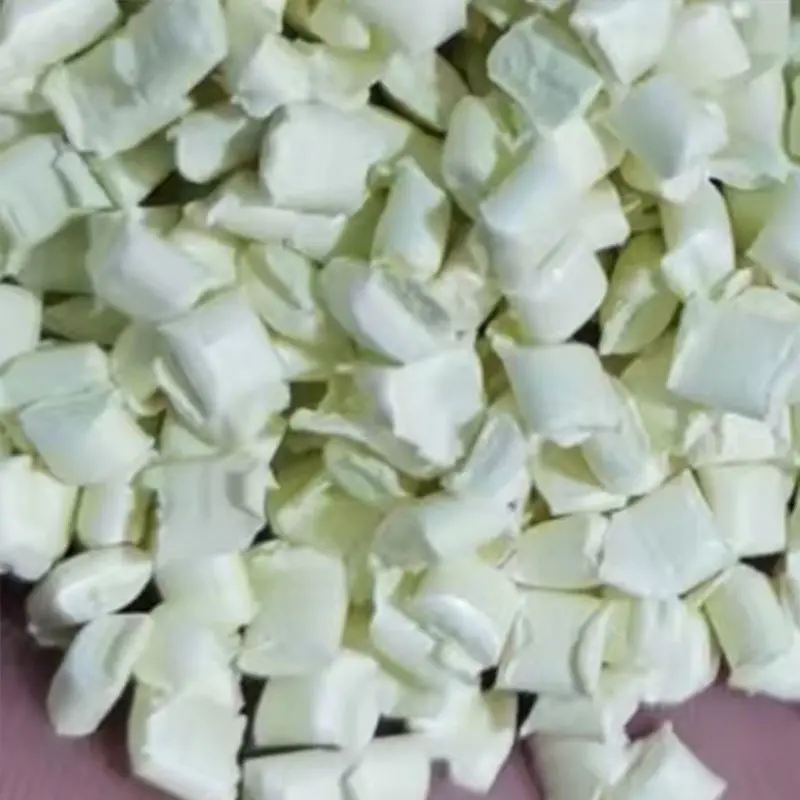
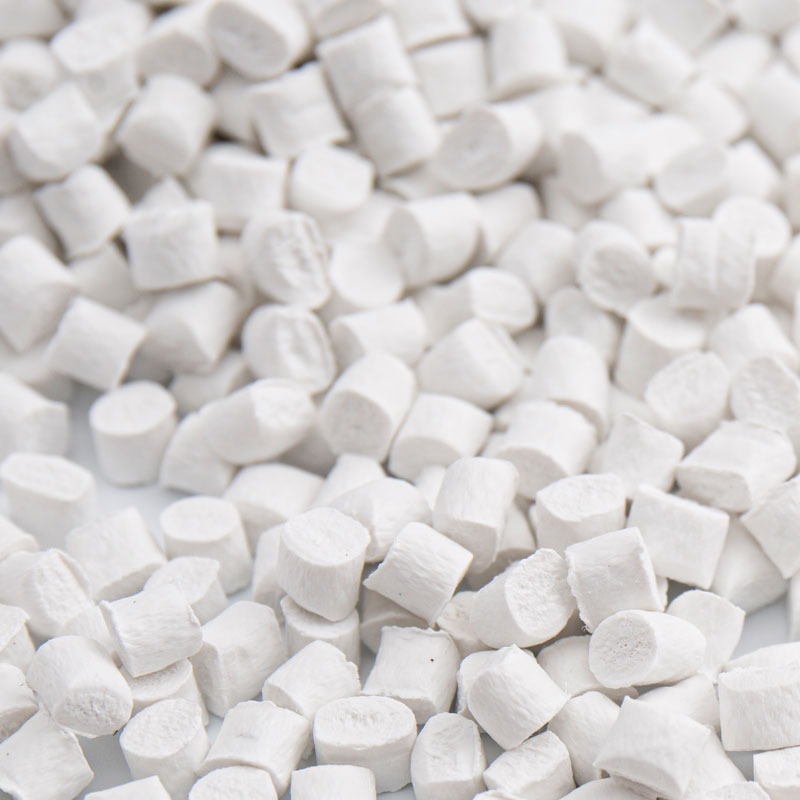

The global composite materials market is projected to expand from USD 98.6 billion in 2024 to roughly USD 164 billion by 2030, a compound annual growth rate o...
READ MORE +
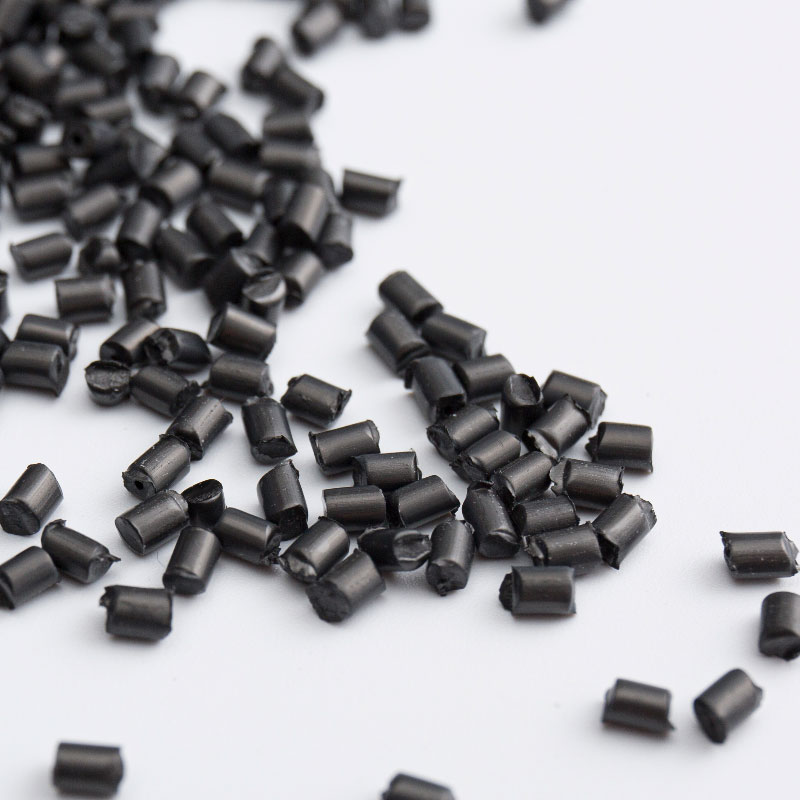
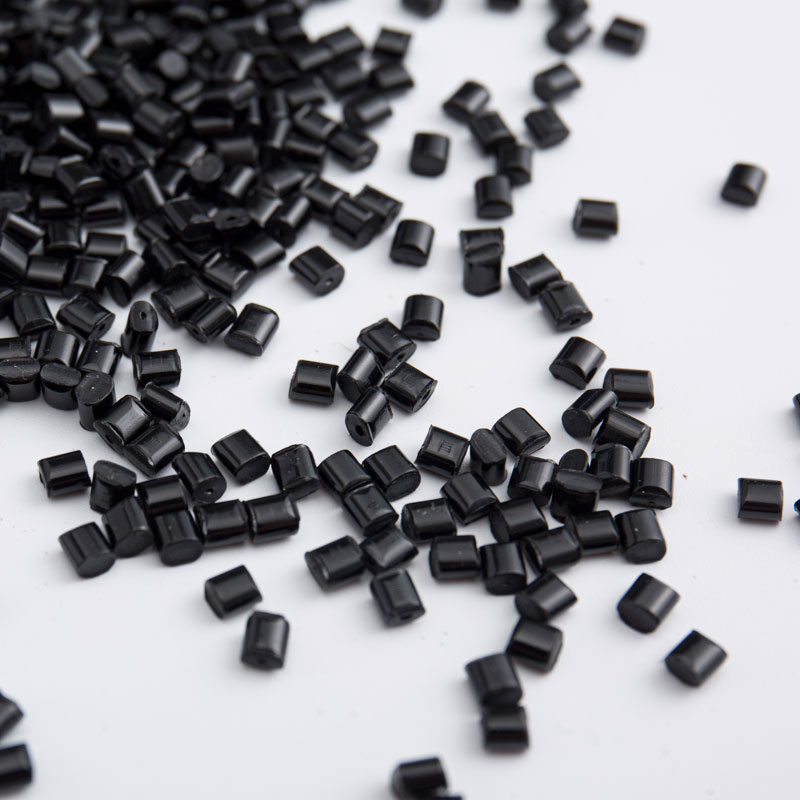
Modified Plastic Pellets Manufacturers
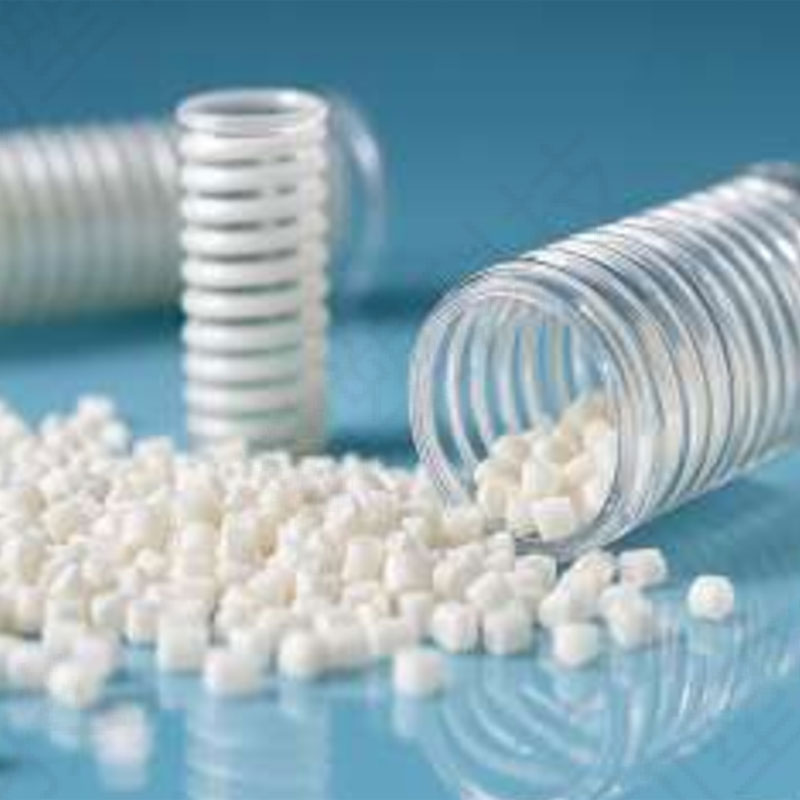
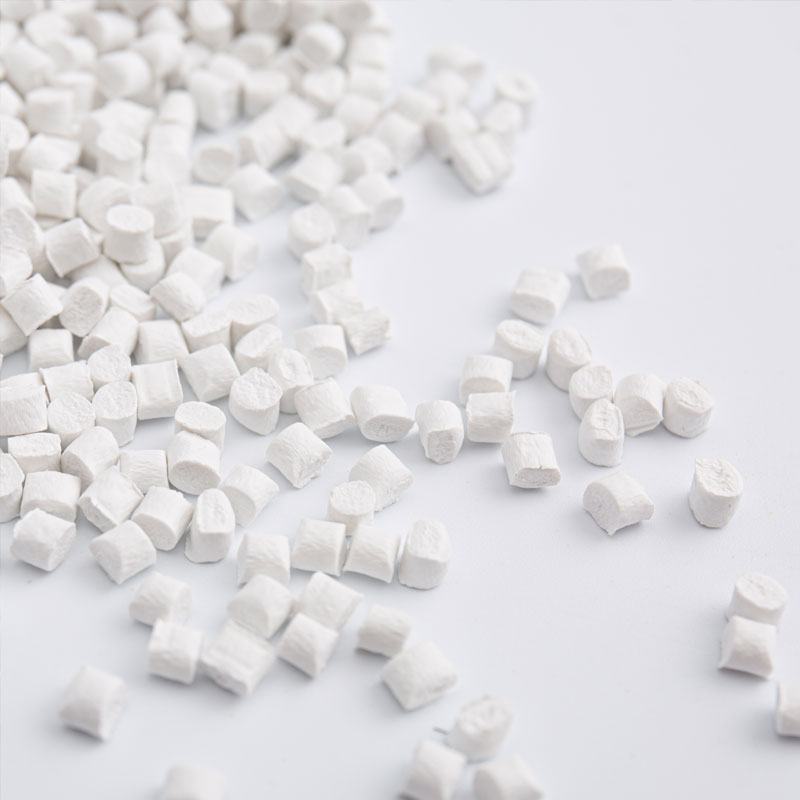
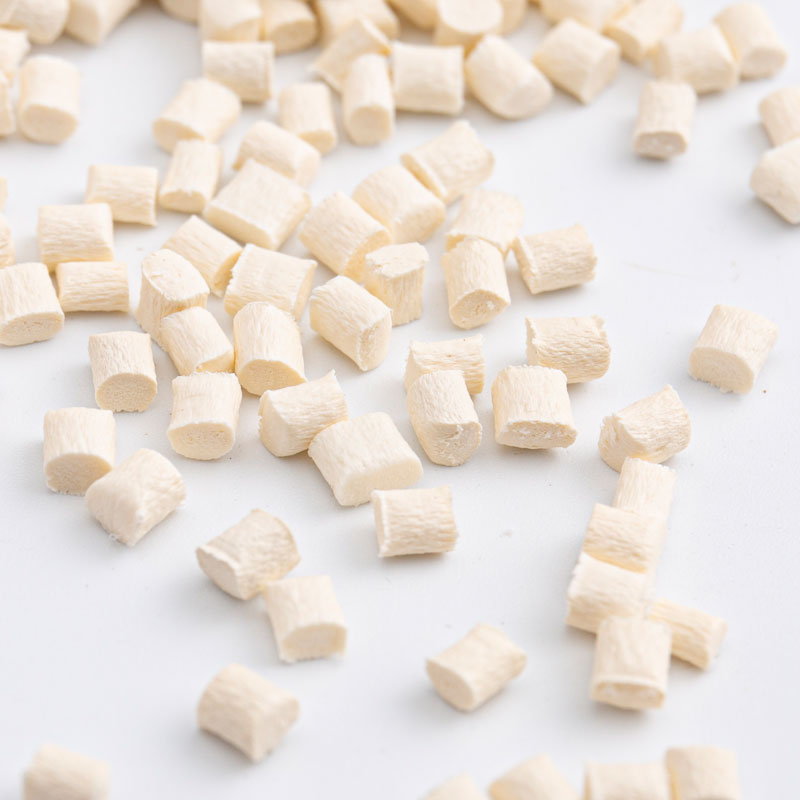
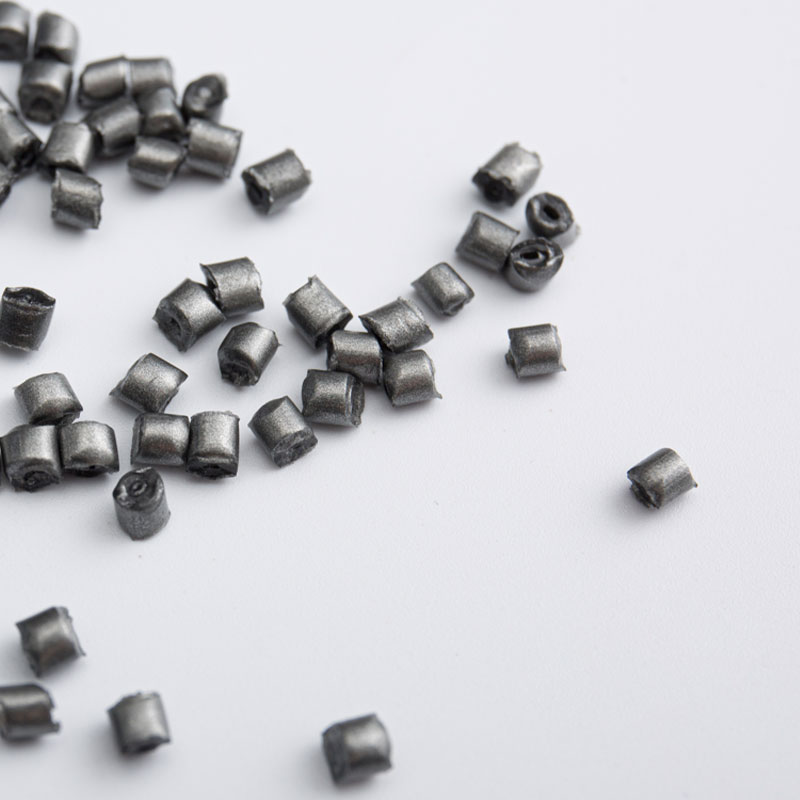
Modified plastics are a class of high-performance materials developed by optimizing and upgrading the physical, mechanical, and service properties of general-purpose or engineering plastic substrates through processes such as filling, reinforcement, blending, flame retardation, toughening, or functional modification. Through scientific formulations and advanced modification technologies, modified plastics can be customized for different application scenarios, making them significantly superior to ordinary plastics in terms of strength, heat resistance, impact resistance, flame retardancy, weather resistance, and dimensional stability.
Widely used in automotive manufacturing, electronics and electrical appliances, home appliance housings, construction materials, medical devices, industrial equipment, and consumer products, modified plastics not only effectively reduce product weight and lower production costs, but also enhance product safety and service life. They serve as an important solution for achieving material lightweighting, high performance, and green manufacturing.
Their core advantages include:
Performance customization to meet diverse operating conditions
A balance of strength and toughness for high-load environments
Excellent heat resistance and chemical resistance
Superior flame retardancy and aging resistance
Strong processing adaptability and high molding efficiency
Modified plastics are gradually replacing traditional metals and ordinary plastics, becoming one of the key materials driving industrial material upgrades and sustainable development.
About Us
Zhejiang Lisu Composite Materials Co., Ltd
Zhejiang Lisu Composite Materials Co., Ltd, founded in 2015, is a national high-tech enterprise and a Zhejiang Science and Technology Innovation Enterprise. We are China Modified Plastic Pellets Manufacturers and OEM/ODM Modified Plastic Pellets Factory. We specialize in the R&D, production, sales, and service of high-performance new materials, committed to providing innovative material solutions for a safer, more comfortable, and convenient human life. The company possesses comprehensive experimental testing capabilities and has successively obtained certifications such as PCR material certification (GRS), IATF16949 quality management system certification, and various material CQC certificates, ensuring product quality and compliance. We are dedicated to providing safe, comfortable, and convenient innovative material solutions for various industries, helping customers enhance the value of their products. Driven by technological innovation to promote sustainable development, we are steadfast practitioners in building an environmentally friendly society. We strive to contribute to the harmonious coexistence of humanity and nature, working together for a greener future.
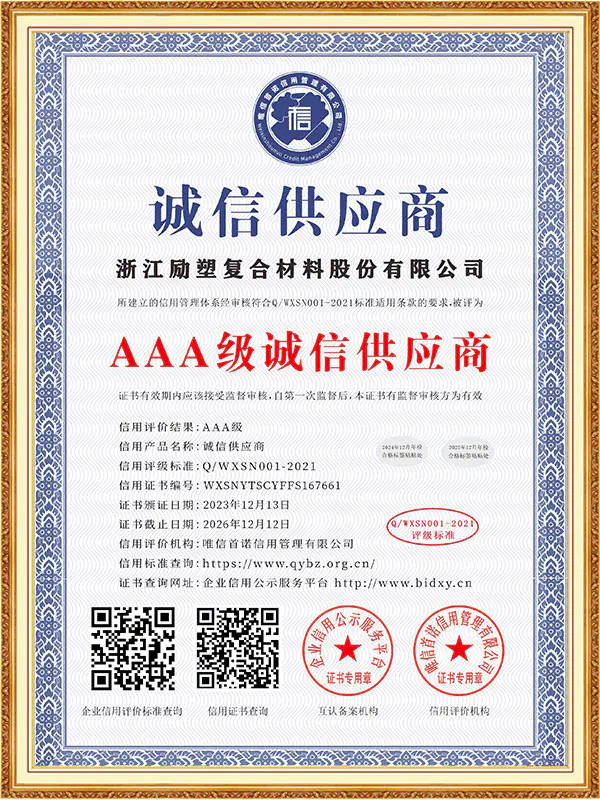
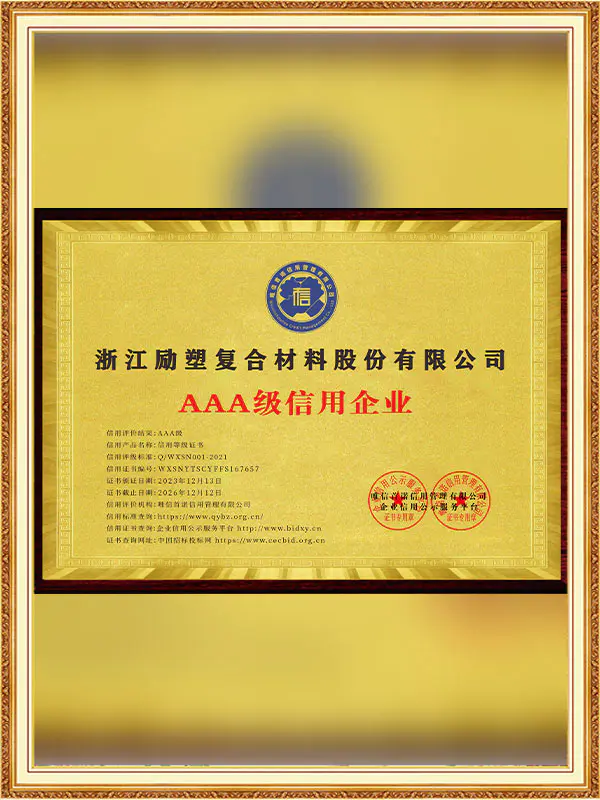
Certificate of Honor
Latest News
-
-
A thirty percent recycled content target takes one line to write into a part specification. Meeting it in a glass-fibre reinforced PA66 bracket that still has...
READ MORE + -
Switching a water-pump impeller from aluminum to carbon-fiber-reinforced PEEK cut unit weight by 62 percent and stretched service life past 20,000 hours, yet ...
READ MORE + -
Global polymer demand now exceeds 400 million metric tons per year, yet recycled feedstock still supplies less than 10 percent of that volume. That gap define...
READ MORE + -
A pump impeller rated for 90 °C process fluid fails within six months. A connector survives assembly but distorts the first time the board passes through a 260...
READ MORE +
Message Feedback
Modified Plastic Industry knowledge
How do Modified Plastic Pellets differ from virgin plastic resins?
Introduction: Understanding the evolution from virgin resins to advanced materials
Virgin plastic resins are the fundamental polymer materials produced directly from petrochemical or bio-based feedstocks. They are manufactured through polymerization processes and supplied without further structural enhancement beyond basic stabilization. These materials provide standard mechanical and thermal performance and are widely used in general-purpose applications. However, as modern industries increasingly demand higher strength, improved heat resistance, enhanced safety performance, and longer service life, virgin resins often cannot independently meet these complex requirements.
This demand has led to the development of modified plastic pellets, which are engineered materials created by optimizing general-purpose or engineering plastic substrates through filling, reinforcement, blending, flame retardation, toughening, and functional modification. Compared with virgin resins, these materials are designed for targeted application scenarios. Their performance is not accidental but the result of controlled formulation and advanced compounding technology.
The difference between virgin plastic resins and modified polymer pellets is therefore not merely one of processing stage. It reflects a shift from standard raw material supply to customized performance engineering. This transformation enables industries to achieve lightweight design, enhanced safety, improved durability, and compliance with regulatory and environmental requirements.
Fundamental material differences between virgin plastic resins and modified plastic pellets
Virgin plastic resins consist of polymer chains with basic stabilizers and minimal additives. Their properties are largely determined by the intrinsic molecular structure of the polymer itself. While these materials offer predictable processing behavior, their mechanical strength, dimensional stability, and flame resistance are limited to the base resin’s characteristics.
In contrast, modified plastic pellets are composite systems. They integrate fillers, reinforcing fibers, impact modifiers, flame retardants, and functional additives into the polymer matrix. Through precise compounding and controlled dispersion, the final material achieves significantly enhanced performance compared to its original substrate.
The following table outlines key structural and functional differences:
| Aspect | Virgin plastic resins | Modified plastic pellets |
|---|---|---|
| Composition | Single polymer base with basic stabilizers | Polymer base with fillers, reinforcements, and functional additives |
| Mechanical strength | Standard level | Enhanced through glass fiber or mineral reinforcement |
| Heat resistance | Limited to base polymer properties | Improved through formulation optimization |
| Flame retardancy | Usually not flame resistant | Can meet specific flame-retardant standards |
| Dimensional stability | Moderate shrinkage and deformation risk | Improved dimensional stability and reduced warpage |
These differences illustrate that engineered plastic compounds are purpose-driven materials rather than generic raw polymers.
Performance customization and application adaptability
One of the most significant distinctions lies in performance customization. Virgin plastic resins are standardized materials supplied according to general specifications. While different grades exist, the flexibility for fine-tuned property adjustment is limited.
By contrast, modified plastic pellets can be tailored to meet highly specific operational conditions. Through scientific formulation design, manufacturers can balance strength and toughness, enhance chemical resistance, or optimize heat distortion temperature depending on end-use requirements.
Key customization capabilities include:
- Balancing rigidity and impact resistance for high-load automotive components.
- Improving heat resistance for electrical housings exposed to elevated temperatures.
- Enhancing flame retardancy to meet safety compliance in electronic devices.
- Optimizing weather resistance for outdoor construction materials.
This adaptability makes advanced modified resin pellets suitable for industries such as automotive manufacturing, electronics and electrical appliances, home appliance housings, construction materials, medical devices, industrial equipment, and consumer products. In many cases, they are gradually replacing metals and ordinary plastics due to their lightweight characteristics and design flexibility.
Processing behavior and manufacturing efficiency
Another critical difference involves processing performance. Virgin resins generally offer stable melt flow properties, but they may not provide the optimal balance between flowability and mechanical strength when complex geometries or thin-wall designs are required.
Through compounding and additive selection, modified plastic pellets can be engineered for improved molding performance. Controlled filler dispersion and optimized melt flow index enable higher molding efficiency, reduced cycle time, and lower defect rates.
From a production perspective, consistent quality control is essential. Zhejiang Lisu Composite Materials Co., Ltd, founded in 2015, is a national high-tech enterprise and a Zhejiang Science and Technology Innovation Enterprise specializing in high-performance new materials. The company emphasizes strict raw material inspection, automated precise batching, stable screw shearing and mixing processes, and full online monitoring. Such measures ensure high consistency in product performance for every batch, even every bag.
This level of process control highlights a fundamental difference from simple resin production. The reliability of customized plastic compounds depends not only on formulation but also on advanced manufacturing discipline.
Cost structure and supply chain considerations
At first glance, virgin plastic resins may appear more economical because they involve fewer processing steps. However, cost evaluation must consider total system performance and lifecycle value.
While modified plastic pellets involve additional compounding and formulation expenses, they often reduce overall product cost by enabling material lightweighting, minimizing secondary processing, and improving product durability. In automotive or appliance applications, weight reduction can decrease energy consumption, while enhanced strength reduces part thickness requirements.
Large-scale production capacity also plays a significant role. Zhejiang Lisu Composite Materials Co., Ltd possesses substantial annual production capacity capable of meeting long-term, stable, and large-scale orders without creating supply bottlenecks. Large factories benefit from centralized procurement of base resins and additives, which strengthens bargaining power and helps reduce raw material costs.
Therefore, the economic advantage of engineered polymer pellets should be assessed from a comprehensive manufacturing and lifecycle perspective rather than purely from raw material price.
Quality assurance and regulatory compliance
Virgin plastic resins are typically produced under standardized petrochemical industry controls. However, when materials must meet automotive, electrical, or medical standards, additional testing and certification are necessary.
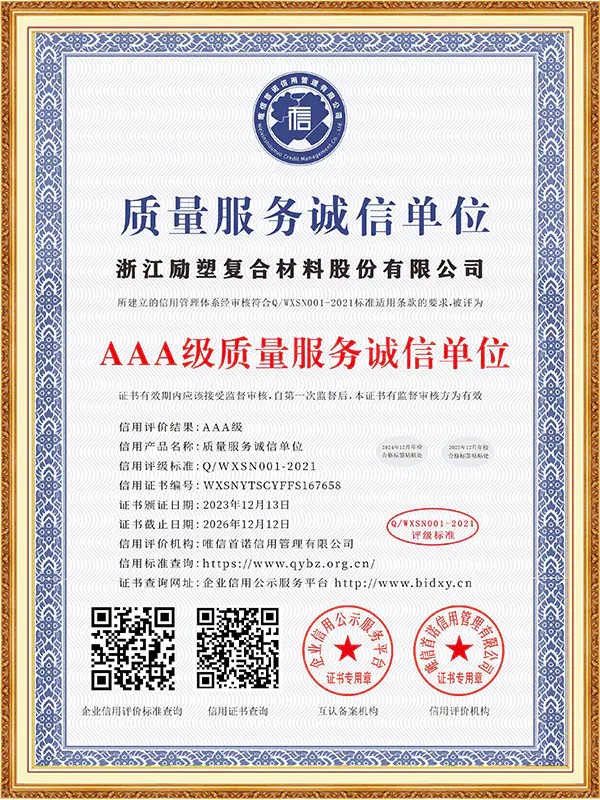
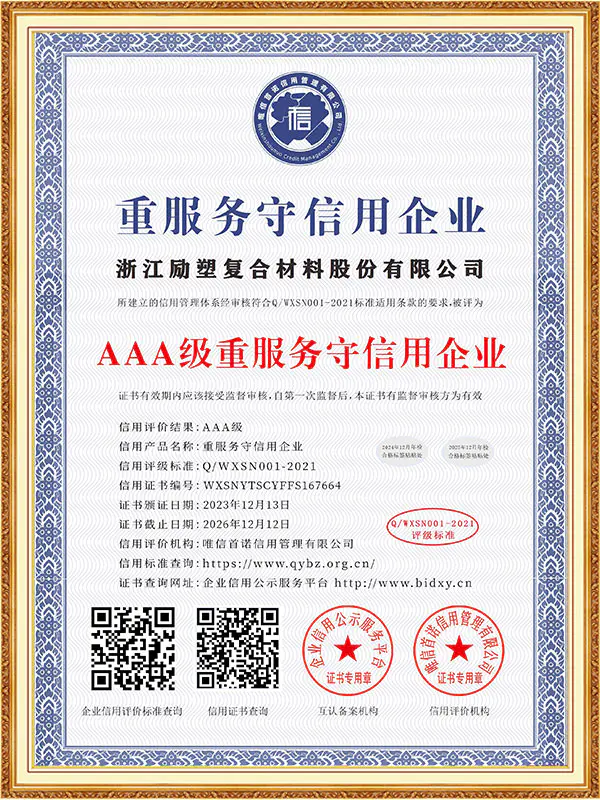
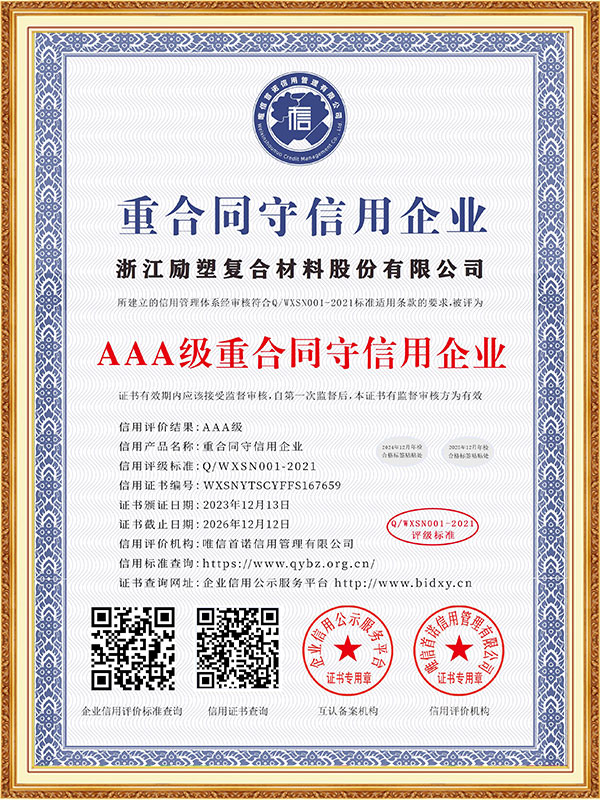
For modified plastic pellets, quality assurance becomes even more critical because performance depends on formulation precision and dispersion uniformity. Zhejiang Lisu Composite Materials Co., Ltd has established comprehensive experimental testing capabilities and obtained certifications such as PCR material certification GRS, IATF16949 quality management system certification, and various material CQC certificates. These certifications ensure compliance, traceability, and performance reliability.
In regulated industries, such as automotive manufacturing and electronics, this level of quality management is essential. It guarantees that each batch of performance-enhanced plastic pellets meets safety, flame-retardant, and durability standards required by customers.
Environmental performance and sustainable development
Sustainability considerations further distinguish modified materials from virgin resins. While virgin plastics rely primarily on new polymer feedstock, modified plastic pellets can incorporate recycled content, bio-based additives, or environmentally optimized flame retardants.
Through material innovation, manufacturers can improve product longevity, reduce replacement frequency, and decrease overall environmental impact. Lightweighting contributes to lower transportation emissions, while improved durability reduces material waste.
Zhejiang Lisu Composite Materials Co., Ltd is committed to providing innovative material solutions for a safer, more comfortable, and convenient human life. By focusing on sustainable formulation design and certified PCR materials, the company supports green manufacturing strategies across multiple industries.
This alignment with sustainable development trends reinforces the role of high-performance modified resin pellets as key materials driving industrial upgrades.
From raw material to solution provider
The transition from virgin resin supplier to modified material manufacturer represents a shift in industrial responsibility. Virgin resin producers deliver base polymers. In contrast, companies specializing in modified plastic pellets act as solution providers.
Zhejiang Lisu Composite Materials Co., Ltd offers customized services from formula design, small-scale testing, pilot testing to mass production. This integrated service capability enables customers to achieve product differentiation and performance optimization.
This approach demonstrates that the essential difference between virgin resins and application-specific plastic compounds lies in value creation. Instead of supplying a standardized material, modified material manufacturers collaborate with customers to solve engineering challenges.
Conclusion
The difference between virgin plastic resins and modified plastic pellets extends beyond composition. It reflects a transformation from standardized polymer supply to performance-driven material engineering. Through filling, reinforcement, blending, flame retardation, toughening, and functional modification, these advanced materials achieve enhanced strength, heat resistance, impact resistance, flame retardancy, weather resistance, and dimensional stability.
They enable lightweight design, improve safety, extend service life, and support sustainable manufacturing. Supported by rigorous quality management systems and scalable production capacity, manufacturers such as Zhejiang Lisu Composite Materials Co., Ltd play a critical role in ensuring that every batch meets strict performance and regulatory standards.
As industries continue to demand higher efficiency and environmental responsibility, custom-engineered plastic pellets will increasingly replace ordinary plastics and even certain metals, becoming essential materials for modern manufacturing.
FAQ
What are modified plastic pellets primarily used for?
Modified plastic pellets are widely used in automotive components, electronic housings, home appliances, construction materials, industrial equipment, and consumer products. Their customizable performance allows them to meet high-strength, flame-retardant, or heat-resistant requirements.
Are modified plastic pellets more expensive than virgin resins?
They may have higher initial material costs due to compounding and additives. However, they often reduce total production costs by improving durability, enabling lightweight design, and minimizing processing defects.
Can modified plastic pellets include recycled content?
Yes. Many manufacturers incorporate PCR materials or sustainable additives to support environmental compliance and green manufacturing objectives.
How is quality consistency ensured in modified plastic pellets?
Consistency is maintained through strict raw material inspection, automated batching systems, controlled compounding processes, and comprehensive testing under certified quality management systems.
Do modified plastic pellets replace metal materials?
In many applications, they serve as lightweight alternatives to metals, especially where corrosion resistance, weight reduction, and design flexibility are required.
Online message!
Contact
-
 +86-133 2583 3102
-
 +86 573-84991930
-
 [email protected]
-
 South side of Building 6, 1889 Jiuliting Avenue, Caoqiao Street, Pinghu City, Jiaxing City, Zhejiang Province
Quick Links
Get Connected
Copyright © Zhejiang Lisu Composite Materials Co., Ltd All Rights Reserved.
Custom Modified Plastic Pellets Manufacturers

