 EN
EN English
 中文简体
中文简体 Español

The global composite materials market is projected to expand from USD 98.6 billion in 2024 to roughly USD 164 billion by 2030, a compound annual growth rate of about 8.9 percent. For design engineers, sourcing managers...
READ MORE +
Modified PPA Plastic Pellets Suppliers
About Us
Zhejiang Lisu Composite Materials Co., Ltd
Zhejiang Lisu Composite Materials Co., Ltd, founded in 2015, is a national high-tech enterprise and a Zhejiang Science and Technology Innovation Enterprise. We are China Modified PPA Plastic Pellets Suppliers and OEM/ODM Modified PPA Plastic Pellets Company. We specialize in the R&D, production, sales, and service of high-performance new materials, committed to providing innovative material solutions for a safer, more comfortable, and convenient human life. The company possesses comprehensive experimental testing capabilities and has successively obtained certifications such as PCR material certification (GRS), IATF16949 quality management system certification, and various material CQC certificates, ensuring product quality and compliance. We are dedicated to providing safe, comfortable, and convenient innovative material solutions for various industries, helping customers enhance the value of their products. Driven by technological innovation to promote sustainable development, we are steadfast practitioners in building an environmentally friendly society. We strive to contribute to the harmonious coexistence of humanity and nature, working together for a greener future.
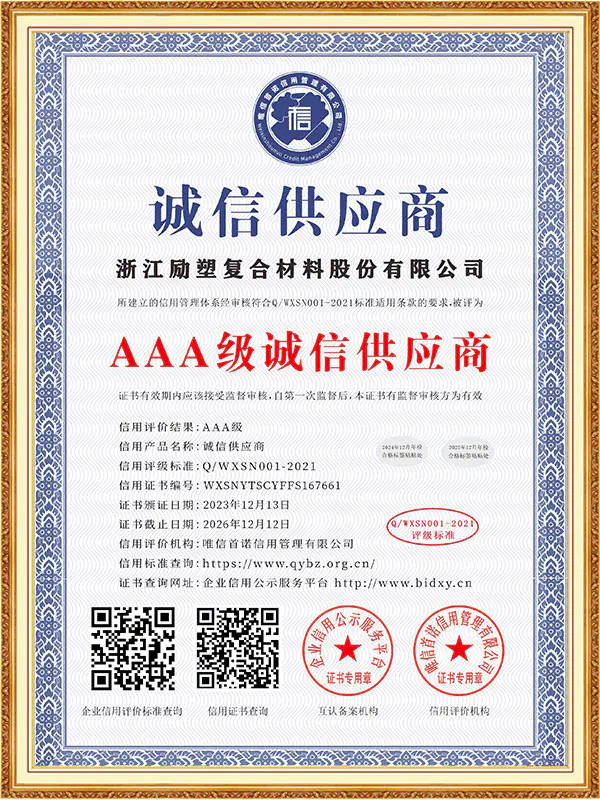
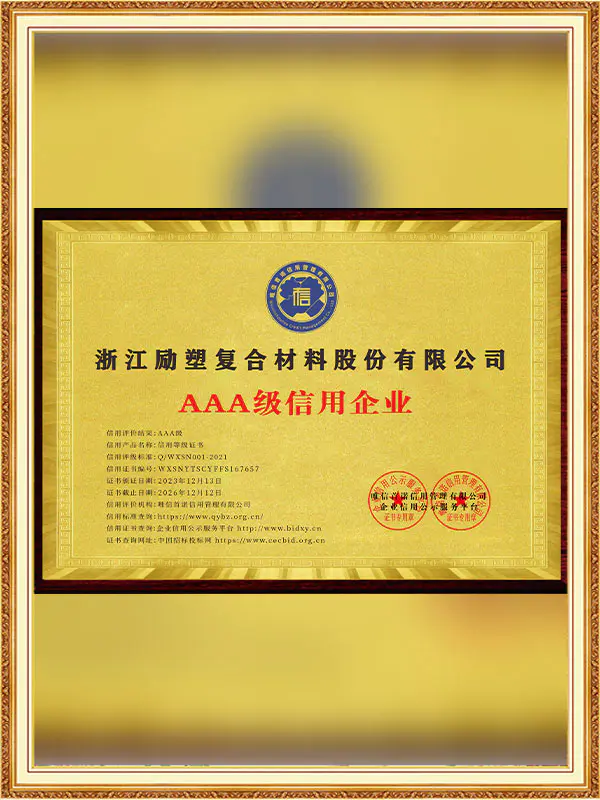
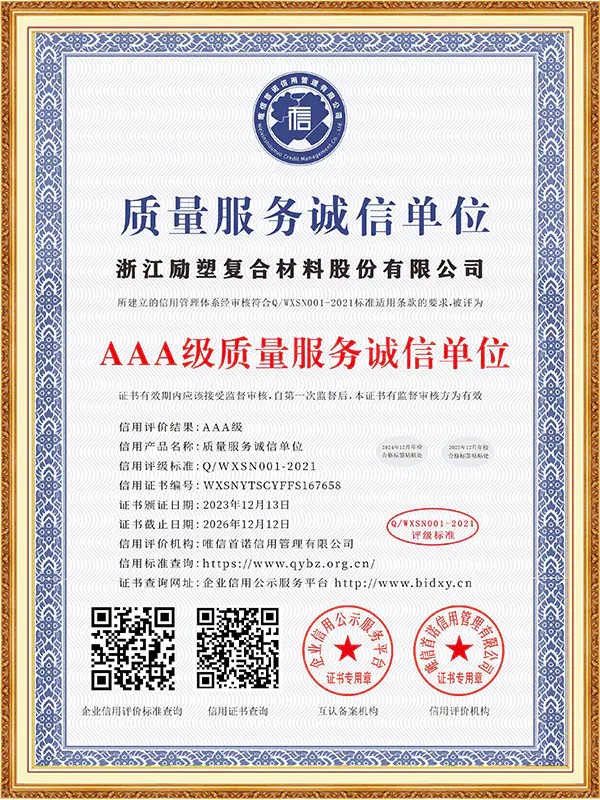
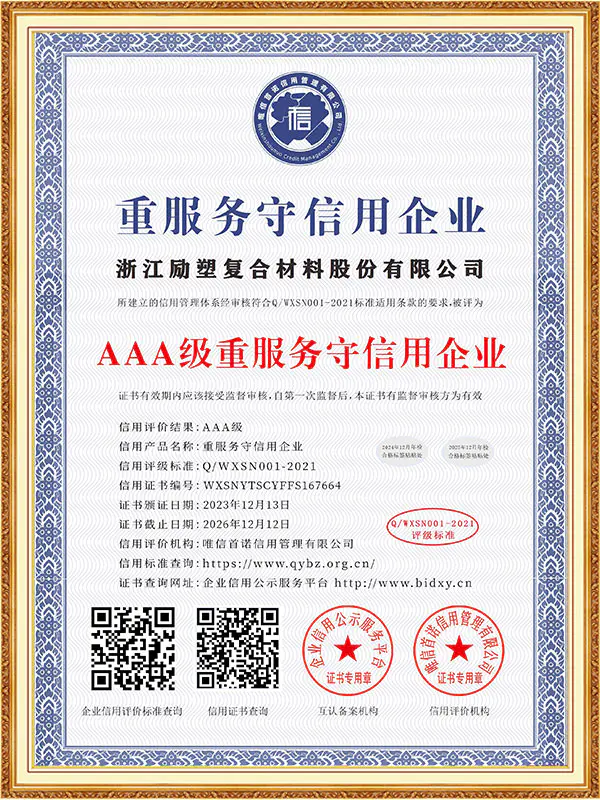
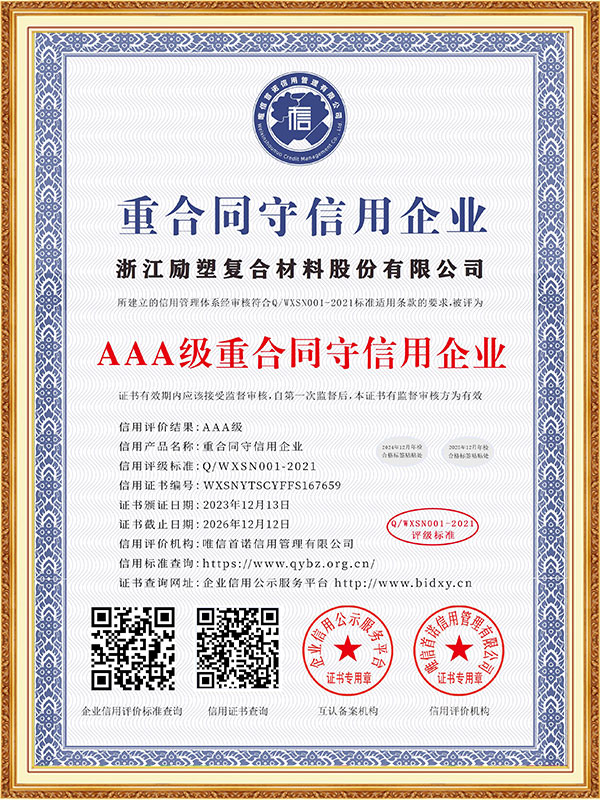
Certificate of Honor
Latest News
-
-
A thirty percent recycled content target takes one line to write into a part specification. Meeting it in a glass-fibre reinforced PA66 bracket that still has to pass a 1,000-hour heat ageing test takes a different kin...
READ MORE + -
Switching a water-pump impeller from aluminum to carbon-fiber-reinforced PEEK cut unit weight by 62 percent and stretched service life past 20,000 hours, yet the identical compound failed within weeks when a caustic wa...
READ MORE + -
Global polymer demand now exceeds 400 million metric tons per year, yet recycled feedstock still supplies less than 10 percent of that volume. That gap defines the tension in new material technology: manufacturers need...
READ MORE +
Message Feedback
Modified PPA Plastic Pellets Industry knowledge
Anti-Degradation and Exhaust Measures for High-Melting Point Modified PPA Plastic Pellets
Modified PPA Plastic Pellets possess high melting points and excellent thermal stability, making them ideal for demanding high-temperature environments. However, processing them requires stringent controls to prevent material degradation and ensure part quality. Zhejiang Lisu Composite Materials Co., Ltd, founded in 2015, is a national high-tech enterprise specialized in the R&D, production, sales, and service of high-performance new materials. Leveraging our comprehensive experimental testing capabilities and IATF16949 quality management system certification, we provide expert guidance on processing Modified PPA Plastic Pellets to help customers enhance product value.
1. Anti-Degradation Measures
Due to the high processing temperatures required for PPA, the material is susceptible to thermal degradation if exposed to excessive heat for too long. Degradation results in lowered mechanical properties and poor surface finish.
- Strict Moisture Control: PPA must be thoroughly dried to a moisture content below 0.1% (preferably <0.05%) using a dehumidifying dryer at approximately 120°C - 140°C for 4-6 hours. Residual moisture causes hydrolysis, leading to rapid degradation.
- Precise Temperature Control: Utilize a heating barrel with precise, multi-zone temperature control. The melt temperature should generally be maintained between 320°C - 350°C. Avoid dwelling in the barrel for extended periods (keep residence time under 10 minutes).
- Screw Design: Use a screw designed for high-temperature engineering plastics to minimize shear heating and prevent localized overheating.
2. Exhaust Measures (Ventilation)
High processing temperatures can cause additives or monomers to volatile, producing gases that lead to defects like air bubbles, voids, or burning (diesel effect) on the molded parts.
- Optimized Mold Venting: Molds must be designed with adequate venting slots or pins at the end of the filling path to allow gases to escape.
- Vacuum Venting: For complex or large parts, consider using vacuum assistance on the injection molding machine to exhaust gases from the mold cavity effectively.
- Low Injection Speed Initially: Use a slower injection speed at the start of the filling process to allow gases to escape through vents before they become trapped by fast-solidifying resin.
Processing Parameter Comparison Table
The following table highlights the differences in processing requirements between Modified PPA Plastic Pellets and standard PA66:
| Parameter Item | Modified PPA Plastic Pellets | Standard PA66 |
|---|---|---|
| Melting Point | ~310°C - 325°C | ~260°C - 265°C |
| Melt Temperature | 320°C - 350°C | 270°C - 290°C |
| Mold Temperature | 130°C - 160°C | 80°C - 100°C |
| Drying Temperature | 120°C - 140°C | 80°C - 100°C |
| Moisture Limit | <0.05% | <0.2% |
FAQ - Frequently Asked Questions
Q1: Does Zhejiang Lisu Composite Materials Co., Ltd provide technical support for optimizing injection molding parameters for Modified PPA Plastic Pellets?
A: Yes. Zhejiang Lisu Composite Materials Co., Ltd is committed to providing innovative material solutions for a safer, more comfortable, and convenient human life. Our team provides comprehensive technical service to help customers optimize their injection molding parameters, ensuring high product quality and compliance.
Q2: Why is moisture control so critical for processing Modified PPA Plastic Pellets?
A: As a national high-tech enterprise, Zhejiang Lisu Composite Materials Co., Ltd emphasizes that PPA is highly susceptible to hydrolysis at high temperatures. If moisture exceeds 0.05%, the material degrades rapidly, leading to brittle parts and reduced mechanical strength. Proper dehumidification is non-negotiable.
Q3: How does Zhejiang Lisu Composite Materials Co., Ltd ensure the quality of Modified PPA Plastic Pellets?
A: Zhejiang Lisu Composite Materials Co., Ltd possesses comprehensive experimental testing capabilities and has successively obtained certifications such as IATF16949 quality management system certification and various material CQC certificates, ensuring product quality and compliance for every batch of Modified PPA Plastic Pellets we supply.
Online message!
Contact
-
 +86-133 2583 3102
-
 +86 573-84991930
-
 [email protected]
-
 South side of Building 6, 1889 Jiuliting Avenue, Caoqiao Street, Pinghu City, Jiaxing City, Zhejiang Province
Quick Links
Get Connected
Copyright © Zhejiang Lisu Composite Materials Co., Ltd All Rights Reserved.
Wholesale Modified PPA Plastic Pellets Suppliers

