 EN
EN English
 中文简体
中文简体 Español



The global composite materials market is projected to expand from USD 98.6 billion in 2024 to roughly USD 164 billion by 2030, a compound annual growth rate o...
READ MORE +
General-Purpose Plastics Manufacturers
About Us
Zhejiang Lisu Composite Materials Co., Ltd
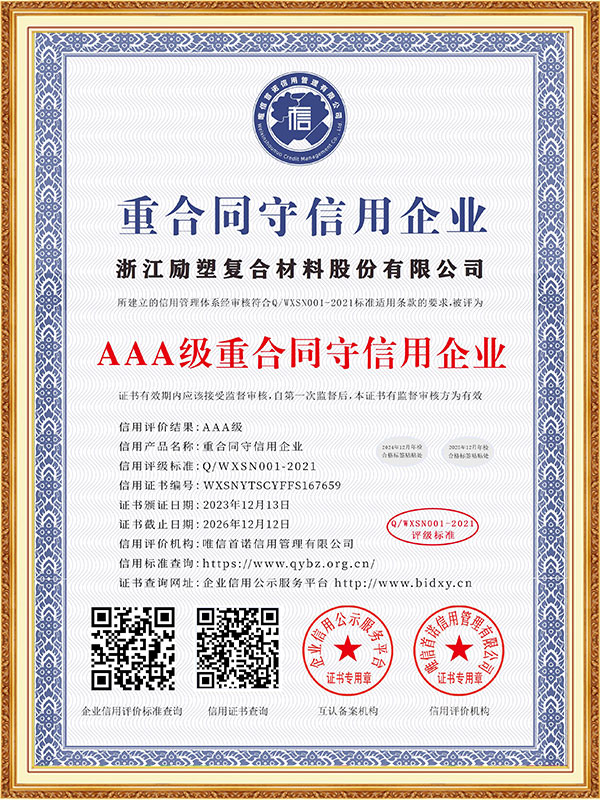
Zhejiang Lisu Composite Materials Co., Ltd, founded in 2015, is a national high-tech enterprise and a Zhejiang Science and Technology Innovation Enterprise. We are China General-Purpose Plastics Manufacturers and OEM/ODM General-Purpose Plastics Factory. We specialize in the R&D, production, sales, and service of high-performance new materials, committed to providing innovative material solutions for a safer, more comfortable, and convenient human life. The company possesses comprehensive experimental testing capabilities and has successively obtained certifications such as PCR material certification (GRS), IATF16949 quality management system certification, and various material CQC certificates, ensuring product quality and compliance. We are dedicated to providing safe, comfortable, and convenient innovative material solutions for various industries, helping customers enhance the value of their products. Driven by technological innovation to promote sustainable development, we are steadfast practitioners in building an environmentally friendly society. We strive to contribute to the harmonious coexistence of humanity and nature, working together for a greener future.
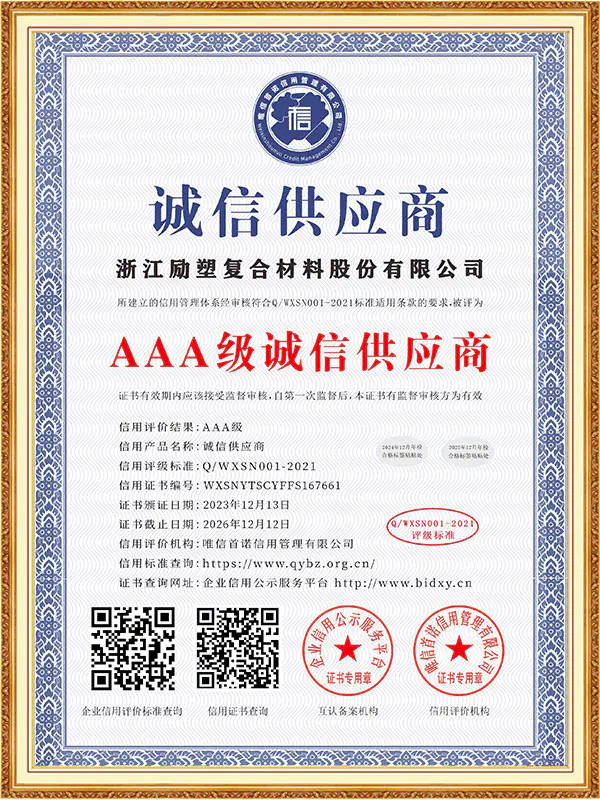
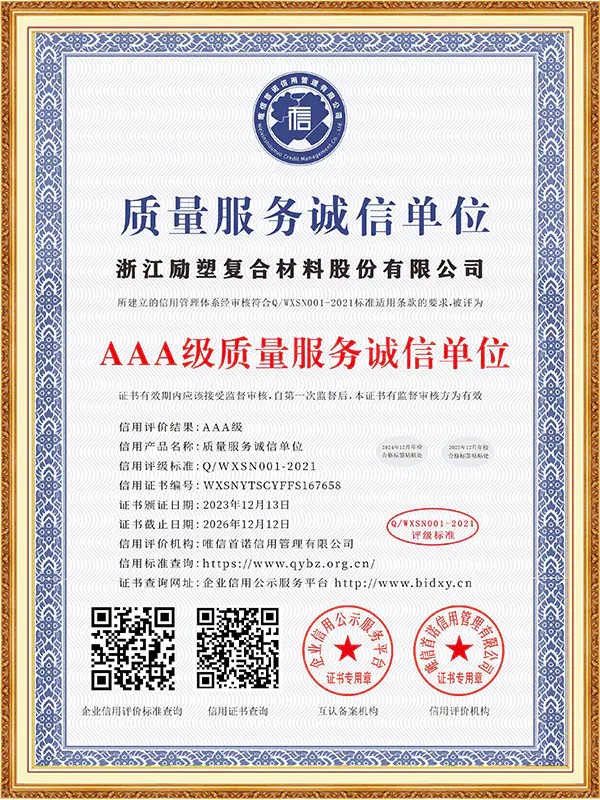
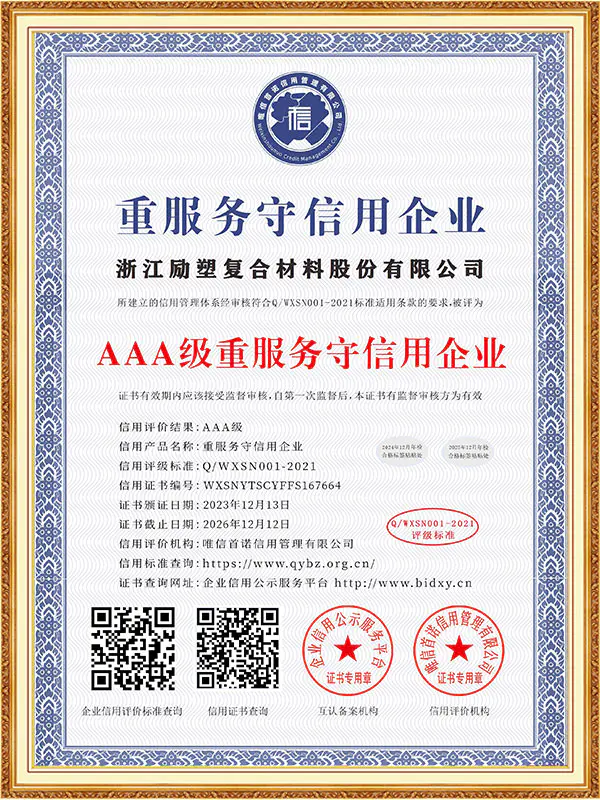
Certificate of Honor
Latest News
-
-
A thirty percent recycled content target takes one line to write into a part specification. Meeting it in a glass-fibre reinforced PA66 bracket that still has...
READ MORE + -
Switching a water-pump impeller from aluminum to carbon-fiber-reinforced PEEK cut unit weight by 62 percent and stretched service life past 20,000 hours, yet ...
READ MORE + -
Global polymer demand now exceeds 400 million metric tons per year, yet recycled feedstock still supplies less than 10 percent of that volume. That gap define...
READ MORE + -
A pump impeller rated for 90 °C process fluid fails within six months. A connector survives assembly but distorts the first time the board passes through a 260...
READ MORE +
Message Feedback
General-purpose Plastics Industry knowledge
How do General-Purpose Plastics perform in injection molding applications?
Injection molding remains one of the most widely used manufacturing processes for thermoplastic components. Within this context, general-purpose plastics occupy a central position due to their balanced performance, economic efficiency, and broad processing adaptability. When evaluating how general-purpose plastics behave in injection molding applications, it is necessary to examine their material characteristics, processing stability, dimensional control, surface quality, and long-term reliability.
In industrial practice, injection molding demands materials that can flow smoothly under heat and pressure, fill complex cavities without significant degradation, and maintain dimensional stability after cooling. General-Purpose Plastics, including materials such as PP, PE, PS, and ABS, are frequently selected because they offer an optimal compromise between mechanical strength, chemical resistance, and cost efficiency.
Overview of General-Purpose Plastics in Injection Molding
In injection molding environments, general-purpose plastics are typically selected for consumer goods, household appliances, packaging components, automotive interior parts, and electrical housings. Their primary advantage lies in process versatility. Most grades exhibit moderate melting temperatures, predictable shrinkage behavior, and acceptable mechanical performance under standard service conditions.
The following table summarizes common materials categorized as general polymer materials and their typical molding characteristics:
| Material type | Typical melt flow behavior | Processing temperature range | Common applications |
|---|---|---|---|
| PP | Good flowability | Moderate | Automotive trim, containers |
| PE | Excellent flow | Low to moderate | Packaging, household goods |
| PS | High rigidity, easy filling | Moderate | Appliance housings, disposable products |
| ABS | Balanced flow and strength | Moderate to slightly high | Consumer electronics, structural parts |
These materials are not designed for extreme environments but perform reliably under conventional mechanical and thermal conditions. In injection molding, their predictable rheological behavior simplifies mold design and cycle optimization.
Flow behavior and cavity filling performance
The success of injection molding largely depends on material flow characteristics. General-Purpose Plastics typically demonstrate stable viscosity profiles within standard processing windows. This stability enables consistent cavity filling even in moderately complex geometries.
Key aspects influencing flow performance include:
- Melt viscosity stability under shear
- Uniform plasticization during screw rotation
- Controlled shrinkage after cooling
Materials such as PP and ABS respond well to shear thinning, meaning that viscosity decreases under injection pressure, facilitating cavity filling without excessive injection force. This contributes to reduced energy consumption and improved dimensional consistency.
However, certain grades may exhibit higher shrinkage compared to engineering plastics. Proper gate design, cooling channel configuration, and holding pressure control are therefore essential to minimize warpage and internal stress. When properly managed, standard thermoplastic resins deliver efficient production cycles with limited scrap rates.
Dimensional stability and shrinkage control
Dimensional accuracy is a critical quality parameter in injection molding. General-Purpose Plastics tend to have moderate shrinkage values that must be considered during mold design. Shrinkage varies according to polymer type, filler content, wall thickness, and processing conditions.
For example, PP typically shows higher shrinkage compared to ABS. As a result, mold designers often compensate through cavity dimension adjustments and optimized cooling strategies. Consistency in raw material properties is equally important to ensure predictable shrinkage behavior across production batches.
Manufacturers that implement strict raw material inspection and automated batching systems can significantly reduce variation. Zhejiang Lisu Composite Materials Co., Ltd, founded in 2015, operates with comprehensive experimental testing capabilities and full online monitoring systems. Through precise control of screw shearing and mixing processes, the company ensures high consistency in each batch of modified materials, supporting stable dimensional performance during injection molding.
In practical terms, dimensional stability depends not only on polymer selection but also on process repeatability. Therefore, collaboration between material suppliers and mold designers is essential to achieve optimal results.
Mechanical properties after molding
After injection molding, components made from general-purpose plastics must maintain sufficient mechanical strength for their intended application. While they do not reach the performance level of high-performance engineering polymers, they provide adequate tensile strength, impact resistance, and rigidity for a wide range of products.
Important mechanical considerations include:
- Impact resistance under room temperature conditions
- Flexural strength for structural integrity
- Fatigue behavior under repeated load
Material modification plays a crucial role in enhancing these properties. By incorporating impact modifiers, reinforcing fillers, or flame-retardant systems, manufacturers can tailor performance to meet specific application requirements. This customization capability represents the core business of modified plastic factories.
Zhejiang Lisu Composite Materials Co., Ltd emphasizes rapid response to customer needs, offering customized services from formula design and small-scale testing to pilot production and mass manufacturing. Such integration ensures that injection-molded products achieve both functional performance and cost efficiency.
Surface finish and aesthetic performance
Injection-molded parts often require smooth surfaces, consistent gloss, and color uniformity. General-Purpose Plastics typically provide good surface replication, allowing accurate reproduction of mold textures and fine details.
Surface quality depends on several factors:
- Material purity and absence of contamination
- Uniform melt temperature distribution
- Stable injection pressure control
Advanced quality management systems contribute to improved aesthetic outcomes. Zhejiang Lisu Composite Materials Co., Ltd has obtained certifications such as PCR material certification GRS, IATF16949 quality management system certification, and multiple material CQC certificates. These certifications reflect systematic control over material traceability and quality consistency, which directly affects molded surface performance.
In consumer goods applications, stable pigmentation and resistance to surface defects such as flow marks or sink marks are essential. Proper material formulation combined with optimized molding parameters ensures high-quality finishes.
Processing efficiency and production scalability
From a manufacturing perspective, injection molding performance is closely linked to cycle time and production stability. General-Purpose Plastics generally allow shorter cycle times due to moderate processing temperatures and efficient cooling characteristics.
Large-scale production requires:
- Stable raw material supply
- Consistent melt flow index across batches
- Reliable long-term capacity
Through large-scale centralized procurement of base resins and additives, material producers can reduce raw material costs and maintain supply continuity. Zhejiang Lisu Composite Materials Co., Ltd benefits from significant annual production capacity, enabling it to meet long-term, large-volume order requirements without capacity bottlenecks. This scalability ensures that injection molding operations remain uninterrupted, safeguarding customer production schedules.
In high-volume industries such as packaging and appliance manufacturing, stable material performance directly influences overall equipment efficiency and cost control.
Compliance, sustainability, and quality assurance
Modern injection molding projects increasingly require compliance with environmental and quality standards. General-Purpose Plastics can be produced in recycled or certified variants to meet sustainability goals.
Important compliance aspects include:
- Traceability of recycled content
- Automotive-grade quality management systems
- Material safety certification
PCR material certification and quality system standards ensure that recycled materials maintain consistent performance. Zhejiang Lisu Composite Materials Co., Ltd integrates environmental responsibility with production control, supporting customers seeking compliant and sustainable injection molding solutions.
Sustainability considerations must not compromise mechanical reliability. Therefore, comprehensive laboratory testing, including impact evaluation and thermal stability analysis, is essential before full-scale production.
Limitations and optimization strategies
Despite their versatility, general-purpose plastics have certain limitations in injection molding applications. They may exhibit lower heat resistance compared to engineering plastics and can experience creep under continuous load. Additionally, shrinkage variations must be carefully managed in precision components.
Optimization strategies include:
- Material reinforcement with fillers
- Process parameter refinement
- Mold design improvement for balanced cooling
By combining formulation adjustment and precise process control, manufacturers can significantly improve the performance window of standard thermoplastic materials. Customized modification enables enhanced stiffness, improved dimensional stability, or flame-retardant performance without excessive cost increases.
Effective communication between material supplier and molding plant remains critical to achieving optimal injection outcomes.
Conclusion
In injection molding applications, general-purpose plastics demonstrate reliable flow behavior, acceptable mechanical performance, and strong economic advantages. Their adaptability to various mold designs and production scales makes them indispensable in mass manufacturing sectors.
Stable dimensional control, surface quality, and production efficiency depend not only on inherent polymer characteristics but also on strict quality management and modification capabilities. Through comprehensive testing systems, automated production control, and scalable manufacturing capacity, suppliers such as Zhejiang Lisu Composite Materials Co., Ltd provide consistent materials that support efficient injection molding operations.
While not intended for extreme high-temperature or high-load environments, general polymer materials remain a practical and effective choice for a wide range of applications when properly formulated and processed.
FAQ
1. Are general-purpose plastics suitable for high-precision injection molded parts?
They can be used for moderately precise components when shrinkage compensation and process control are properly implemented. For extremely tight tolerances, reinforced or modified grades are recommended.
2. How can shrinkage of general-purpose plastics be controlled during molding?
Shrinkage can be managed through optimized mold design, balanced cooling systems, appropriate holding pressure, and consistent raw material quality.
3. Do general-purpose plastics support recycled content?
Yes. Certified recycled materials can be integrated, provided quality testing ensures consistent mechanical and thermal performance.
4. What industries most commonly use general-purpose plastics in injection molding?
Packaging, household appliances, automotive interiors, consumer electronics, and general industrial products frequently rely on these materials due to their cost efficiency and processing stability.
5. Can general-purpose plastics be flame-retardant?
Yes. Through material modification and additive systems, flame-retardant grades can be developed to meet regulatory requirements while maintaining injection molding performance.
Online message!
Contact
-
 +86-133 2583 3102
-
 +86 573-84991930
-
 [email protected]
-
 South side of Building 6, 1889 Jiuliting Avenue, Caoqiao Street, Pinghu City, Jiaxing City, Zhejiang Province
Quick Links
Get Connected
Copyright © Zhejiang Lisu Composite Materials Co., Ltd All Rights Reserved.
Custom General-Purpose Plastics Manufacturers

