 EN
EN English
 中文简体
中文简体 Español
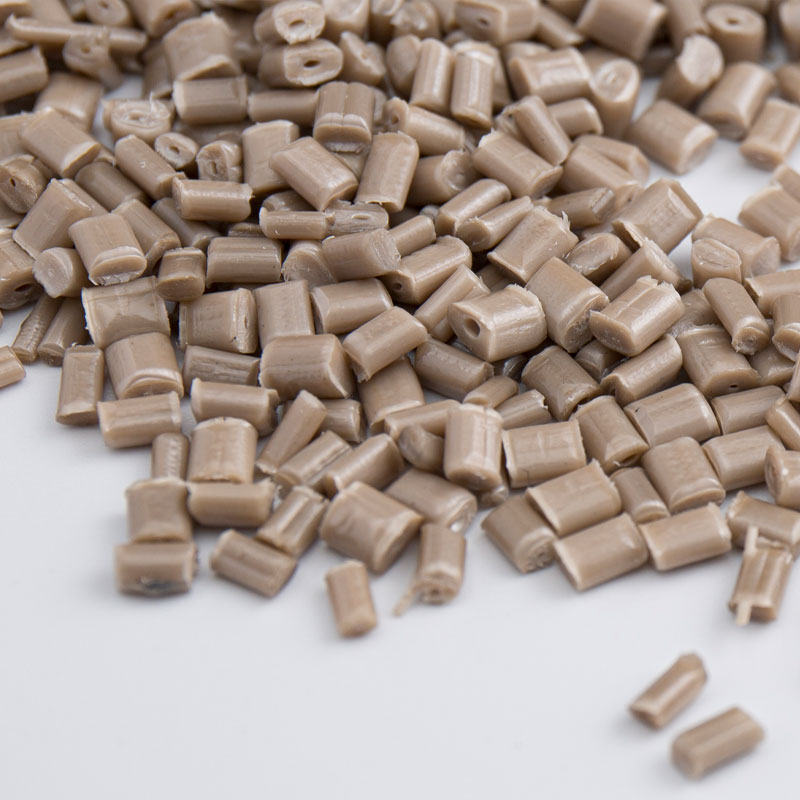
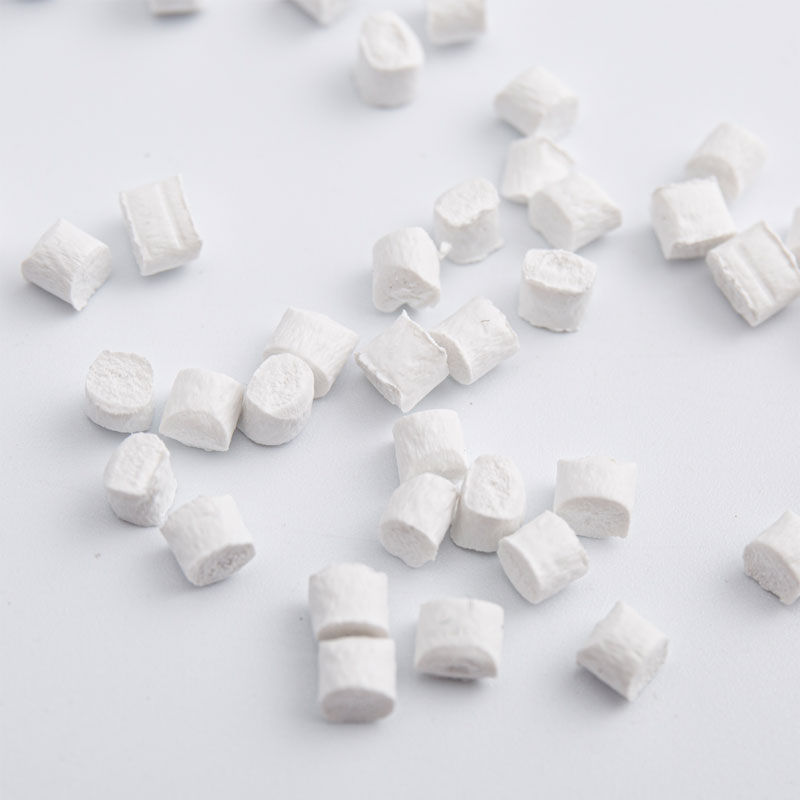
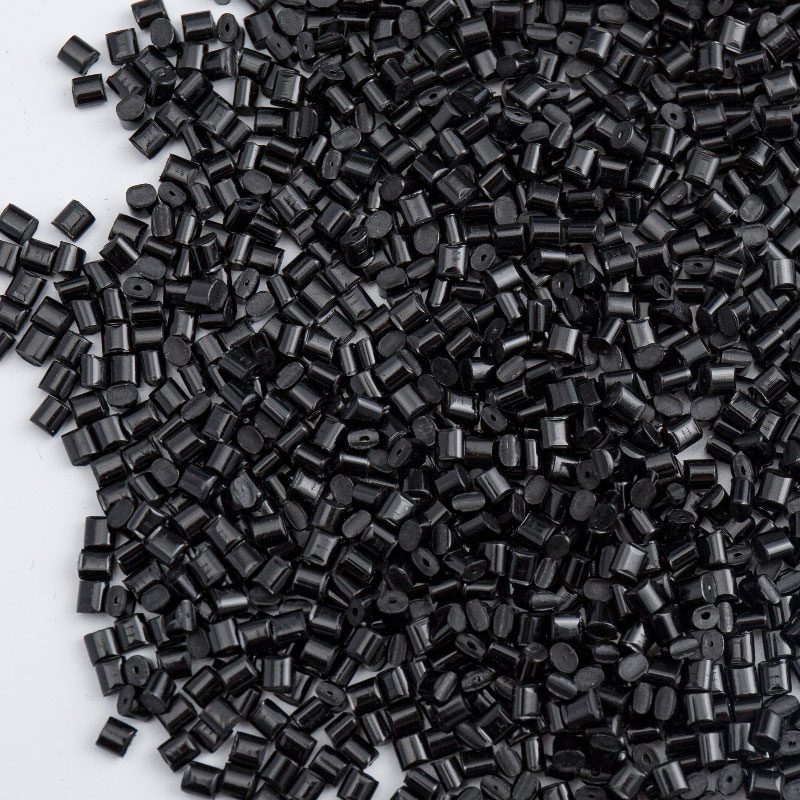
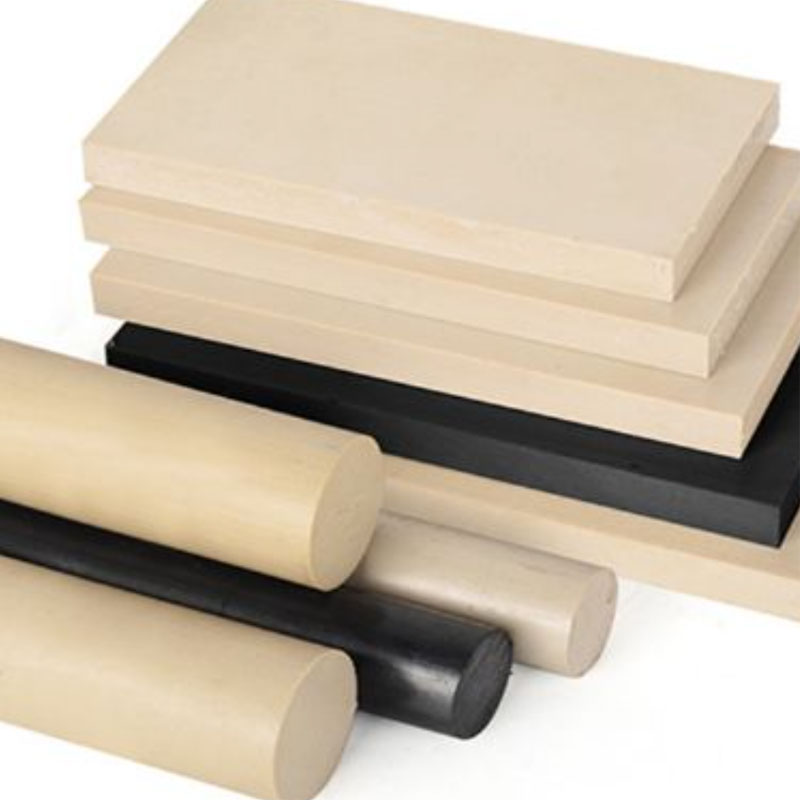
Engineering plastics represent a class of high-performance polymer materials that bridge the gap between commodity plastics and advanced specialty polymers. They deliver exceptional mechanical strength, thermal stability, and chemical resistance while maintaining the inherent advantages of plastics—design flexibility, lightweight properties, and cost-effective processing. These materials have become indispensable across automotive, aerospace, electronics, medical, and industrial sectors, enabling engineers to replace traditional metals and reduce component weight by up to 70% without compromising structural integrity or functional performance.
Understanding Engineering Plastics: Definition and Classification
Engineering plastics are a distinct category of synthetic polymers engineered specifically to withstand demanding mechanical, thermal, and environmental conditions that would cause ordinary commodity plastics to fail. Unlike standard plastics such as polyethylene or polypropylene, which serve primarily in packaging and disposable applications, engineering plastics are formulated to maintain their structural and functional properties under sustained stress, elevated temperatures, and aggressive chemical exposure.
Standard Engineering Plastics
These materials offer balanced performance profiles suitable for a wide range of applications. They typically exhibit tensile strengths between 50-100 MPa and continuous service temperatures up to 120°C. Common examples include polyamides, polycarbonates, and thermoplastic polyesters.
High-Performance Engineering Plastics
Elevated thermal and mechanical capabilities distinguish these polymers. They maintain structural integrity above 150°C and resist aggressive chemicals. Materials like polyphenylene sulfide and polyetheretherketone represent this category.
Core Performance Characteristics
The defining attribute of engineering plastics lies in their ability to sustain mechanical loads and resist environmental degradation over extended periods. These materials exhibit a sophisticated balance of properties that make them suitable for structural and functional applications previously reserved for metals.
Mechanical Strength and Stiffness
Engineering plastics demonstrate remarkable mechanical performance, with tensile strengths ranging from moderate to exceptional levels. Glass-fiber reinforced variants can achieve strengths approaching those of aluminum alloys while weighing significantly less. The stiffness characteristics, measured through modulus values, allow engineers to design components that resist deformation under load without the weight penalty associated with metallic alternatives.
Thermal Stability and Heat Resistance
A critical differentiator from commodity plastics is the ability to function at elevated temperatures. Standard engineering plastics maintain their properties continuously at temperatures exceeding 100°C, while high-performance grades operate reliably above 200°C. This thermal capability stems from their molecular structure, which resists chain mobility at high temperatures.
Chemical and Environmental Resistance
Resistance to oils, fuels, solvents, and aqueous solutions enables engineering plastics to perform in demanding environments. Many grades resist hydrolysis and maintain dimensional stability in humid conditions. This chemical inertness eliminates corrosion concerns that plague metallic components, reducing maintenance requirements and extending service life.
Major Engineering Plastic Types and Their Applications
Each engineering plastic family possesses distinct characteristics that suit specific application requirements. Understanding these differences enables informed material selection for optimal performance.
| Material Type | Key Strength | Max Service Temp | Primary Applications |
| Polyamide (PA) | Toughness & Wear Resistance | 80-120°C | Gears, bearings, automotive parts |
| Polycarbonate (PC) | Impact Strength & Clarity | 115-130°C | Safety helmets, lenses, housings |
| Polyoxymethylene (POM) | Dimensional Stability | 90-105°C | Precision parts, fasteners, valves |
| PBT/PET Polyester | Electrical Properties | 140-170°C | Connectors, electrical components |
| Modified PPO/PPE | Low Water Absorption | 80-120°C | Pump components, medical devices |
Polyamide: The Versatile Workhorse
Polyamide materials, recognized globally for their balanced property profile, excel in applications requiring a combination of strength, toughness, and wear resistance. Their semi-crystalline structure provides excellent fatigue resistance, making them suitable for components subjected to repeated loading cycles. Glass fiber reinforcement significantly enhances their mechanical properties, enabling load-bearing applications in automotive and industrial machinery.
The inherent lubricity of certain polyamide grades reduces friction coefficients, eliminating the need for external lubrication in bearing and sliding applications. This self-lubricating characteristic proves valuable in food processing equipment and medical devices where contamination from lubricants must be avoided.
Polycarbonate: Clarity Meets Impact Strength
Polycarbonate stands apart from other engineering plastics through its combination of optical clarity and exceptional impact resistance. This amorphous polymer transmits light nearly as effectively as glass while withstanding impacts that would shatter traditional transparent materials. These attributes make polycarbonate the material of choice for safety glazing, protective equipment, and optical components.
Beyond transparency, polycarbonate offers good electrical insulation properties and dimensional stability. Its relatively high glass transition temperature allows use in applications where parts may experience moderate heating during operation or processing.
Engineering Plastics Versus Metallic Materials
The substitution of metals with engineering plastics represents one of the most significant material transitions in modern manufacturing. This shift stems from compelling advantages that extend beyond simple weight reduction.
Engineering Plastics
- Density: 1.0-1.4 g/cm³
- No corrosion concerns
- Integral color and surface finish
- Part consolidation potential
- Lower processing energy
- Noise dampening properties
Metal Alloys
- Density: 2.7-7.8 g/cm³
- Requires protective coatings
- Secondary finishing needed
- Multi-part assemblies common
- High melting/processing costs
- Can transmit vibration/noise
Weight Reduction Impact: The most immediately apparent advantage of engineering plastics is their low density, typically one-half to one-sixth that of comparable metals. This weight advantage translates directly into energy savings in transportation applications, where every kilogram reduced improves fuel efficiency. In automotive applications, replacing metal components with plastic alternatives can reduce vehicle weight significantly, contributing to emissions reduction goals without sacrificing safety or performance.
Design Freedom and Part Consolidation: Injection molding of engineering plastics enables complex geometries impossible or prohibitively expensive to achieve with metal fabrication. Multiple metal components can often be consolidated into a single plastic part, eliminating assembly steps, fasteners, and potential failure points. This integration reduces total manufacturing costs while improving reliability through fewer joints and interfaces.
Critical Selection Factors for Engineering Applications
Successful material selection requires systematic evaluation of multiple factors beyond basic property data. Engineers must consider the complete operating environment and lifecycle requirements to identify the optimal engineering plastic for each application.
Operating Environment Assessment
The conditions a component will encounter during service define the minimum performance requirements for material selection. Temperature extremes—both maximum and minimum—affect mechanical properties significantly. Most engineering plastics become increasingly brittle at low temperatures while losing stiffness and strength as temperatures approach their thermal limits.
Regulatory and Compliance Requirements
Many engineering applications must satisfy specific regulatory standards that constrain material options. Automotive applications require compliance with material documentation systems, while food contact applications demand specific regulatory approvals. Medical device materials face rigorous biocompatibility testing, and electrical applications must meet flame retardancy standards.
- Food contact: Specific migration limits and purity requirements
- Medical: Biocompatibility testing per recognized standards
- Electrical: Flame ratings and tracking resistance indices
- Potable water: Material approval for water contact applications
Processing and Manufacturing Considerations
The chosen engineering plastic must be compatible with available manufacturing processes and equipment. While injection molding dominates engineering plastic processing, other methods including extrusion, blow molding, and machining may be appropriate depending on part geometry and production volumes. Material flow characteristics, mold shrinkage values, and processing windows influence both tooling design and processing parameters.
Reinforcement and Modification Technologies
Engineering plastics rarely reach applications in their base polymer form. Modification through reinforcement additives, fillers, and polymer blending expands property envelopes and tailors materials to specific application requirements.
Fiber Reinforcement
Glass fiber additions dramatically improve strength and stiffness while reducing thermal expansion. Carbon fiber provides maximum reinforcement for demanding structural applications. Loading levels typically range from modest to substantial percentages by weight.
Impact Modifiers
Elastomeric additives enhance toughness and impact resistance, particularly at low temperatures. These modifications prove essential for applications subject to impact loading or cold-weather service.
Internal Lubricants
PTFE, silicone, or molybdenum disulfide additions reduce friction coefficients for bearing and sliding applications. These modifications enable self-lubricating operation in environments where external lubrication is impractical.
Flame Retardant Systems
Many engineering applications require materials that resist ignition and limit flame spread. Flame retardant additives achieve this through various mechanisms—some release flame-inhibiting gases when heated, others form protective char layers, and still others promote dripping away from the flame source. Regulatory requirements increasingly favor non-halogenated flame retardant systems for environmental reasons.
Industry-Specific Application Analysis
Different industries place distinct demands on engineering plastics, driving material selection toward specific families optimized for particular performance requirements.
Automotive and Transportation
The automotive industry represents the largest consumer of engineering plastics, driven by weight reduction imperatives and performance requirements. Under-hood applications demand materials that withstand elevated temperatures, fuel and oil exposure, and mechanical vibration. Interior components prioritize aesthetic qualities, scratch resistance, and dimensional stability across temperature extremes.
Common automotive applications include intake manifolds, radiator end tanks, fuel system components, connectors, gear shift mechanisms, and structural brackets. The trend toward vehicle electrification introduces new requirements for battery housings, charging components, and electric motor insulation.
Electrical and Electronics
Electronic applications leverage the excellent electrical insulation properties and dimensional stability of engineering plastics. High-temperature grades enable use in soldering environments and near heat-generating components. Miniaturization trends favor materials that maintain properties in thin-wall sections while offering consistent electrical performance.
Connectors, switches, relay housings, circuit board substrates, and cable components all rely on engineering plastics. Flame retardant grades are essential for applications where electrical faults could create fire hazards.
Medical and Healthcare
Medical device applications demand exceptional purity, biocompatibility, and often sterilization compatibility. Engineering plastics suitable for medical use must satisfy rigorous testing requirements and be available in documented, traceable grades. Sterilization method compatibility—whether steam, ethylene oxide, gamma radiation, or autoclaving—narrows material choices significantly.
Applications span from surgical instrument handles and housings to fluid handling components and diagnostic equipment parts. Transparent grades enable visual monitoring of fluid flow, while opaque materials serve in structural and housing applications.
Industrial Machinery and Equipment
Industrial applications exploit the wear resistance, low friction, and chemical tolerance of engineering plastics. Power transmission components such as gears, sprockets, and chain guides benefit from the quiet operation and inherent lubricity of certain plastic grades. Chemical processing equipment utilizes corrosion-resistant plastics for pump components, valve bodies, and piping elements.
Conveyor systems, material handling equipment, textile machinery, and food processing systems all incorporate engineering plastics for their durability and reduced maintenance requirements compared to metallic alternatives.
Future Development Trajectories
The engineering plastics industry continues evolving in response to technological advances, regulatory pressures, and market demands. Several trends shape current development efforts and will influence material availability and capabilities in coming years.
Sustainability Initiatives
Growing environmental awareness drives development of bio-based engineering plastics, recycled-content grades, and improved recyclability of existing materials. Life cycle assessment increasingly influences material selection as manufacturers quantify environmental impacts from raw material extraction through end-of-life disposal or recycling.
High-Temperature Expansion
Demand for materials operating at ever-higher temperatures drives development of advanced polymers bridging the gap between current engineering plastics and ultra-high-performance specialty grades. These developments target aerospace, automotive under-hood, and electronics applications where traditional engineering plastics reach their thermal limits.
Smart Material Integration
Incorporation of functional additives enables engineering plastics with embedded capabilities—electrical conductivity for static dissipation or electromagnetic shielding, antimicrobial properties for healthcare applications, and sensing capabilities for structural health monitoring. These multifunctional materials create new application opportunities.
Summary and Practical Guidance
Engineering plastics have established themselves as essential materials across virtually every industrial sector, offering unique combinations of properties that enable designs impossible with traditional materials. Their continued development and expanding application range ensure growing importance in product engineering and manufacturing.
Key Recommendations for Engineers
- Define operating conditions comprehensively before selecting materials
- Consider modified grades for optimal performance-cost balance
- Evaluate total system cost including processing and assembly
- Verify regulatory compliance requirements early in the design process
- Consult material suppliers for application-specific guidance
- Prototype and test under realistic conditions before production commitment