 EN
EN English
 中文简体
中文简体 Español
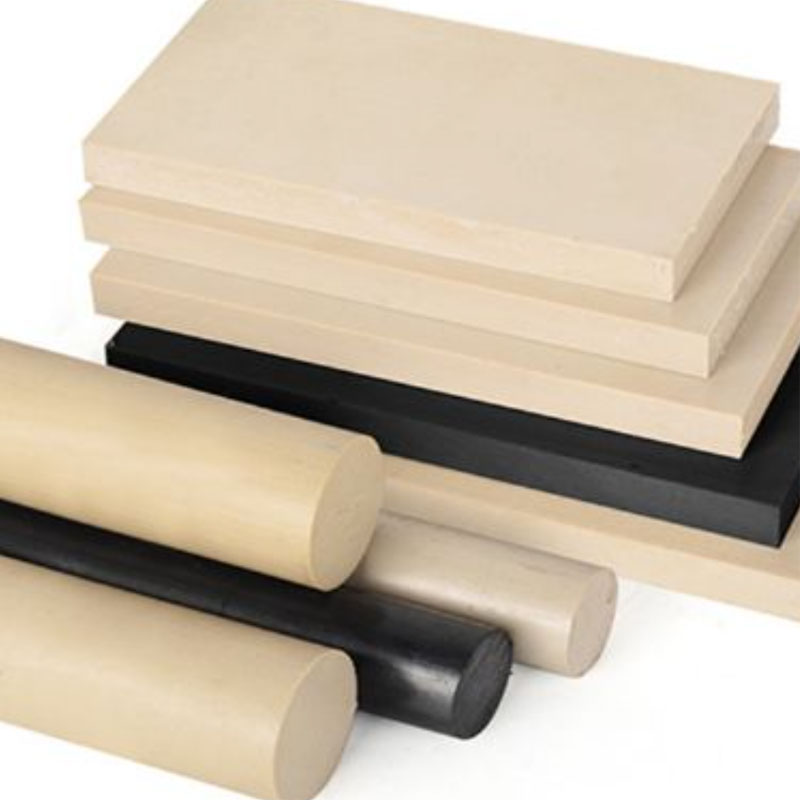
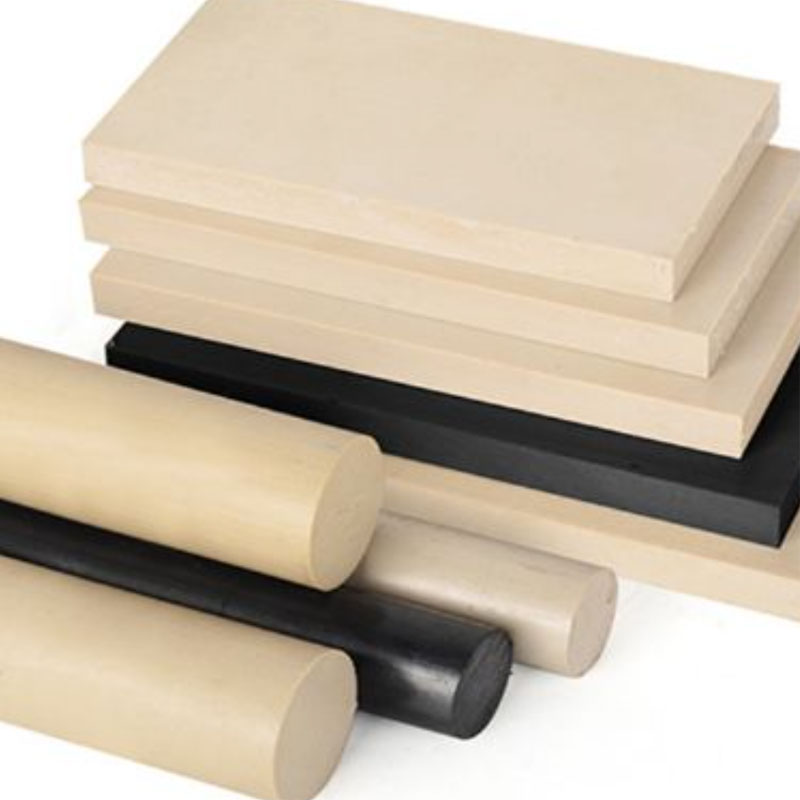
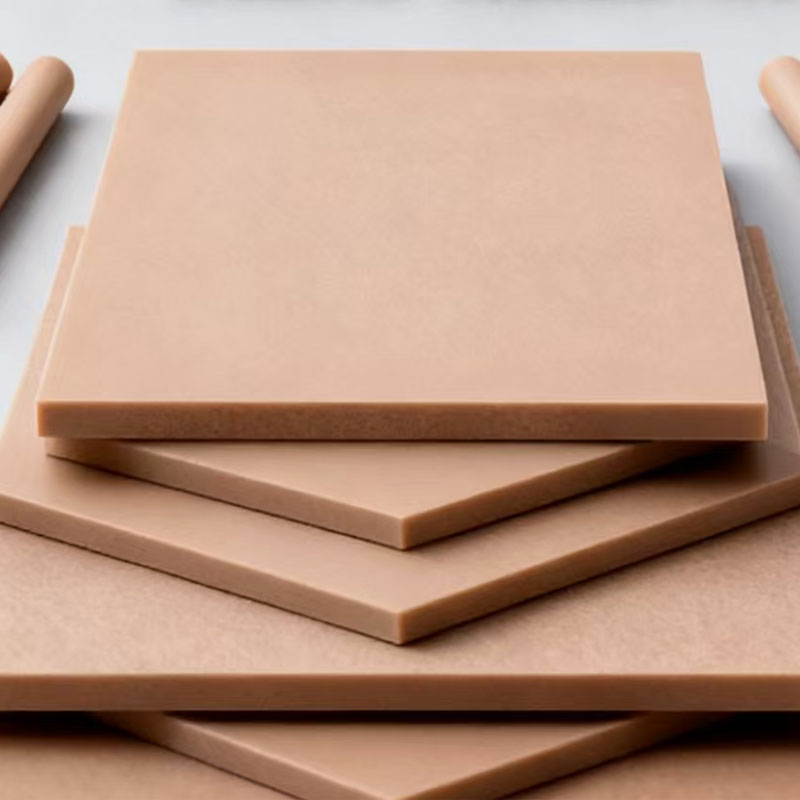
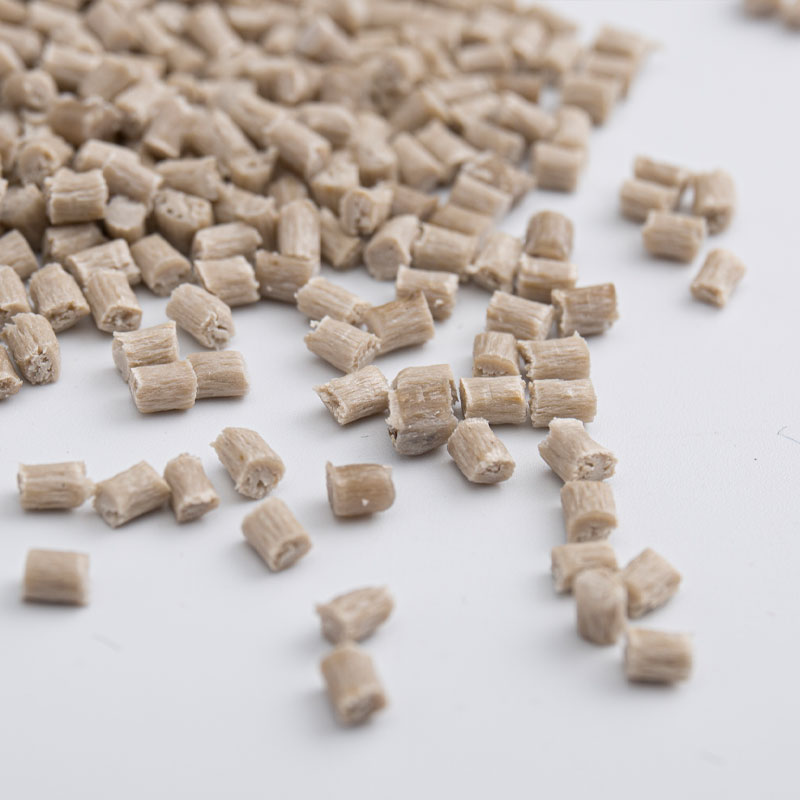
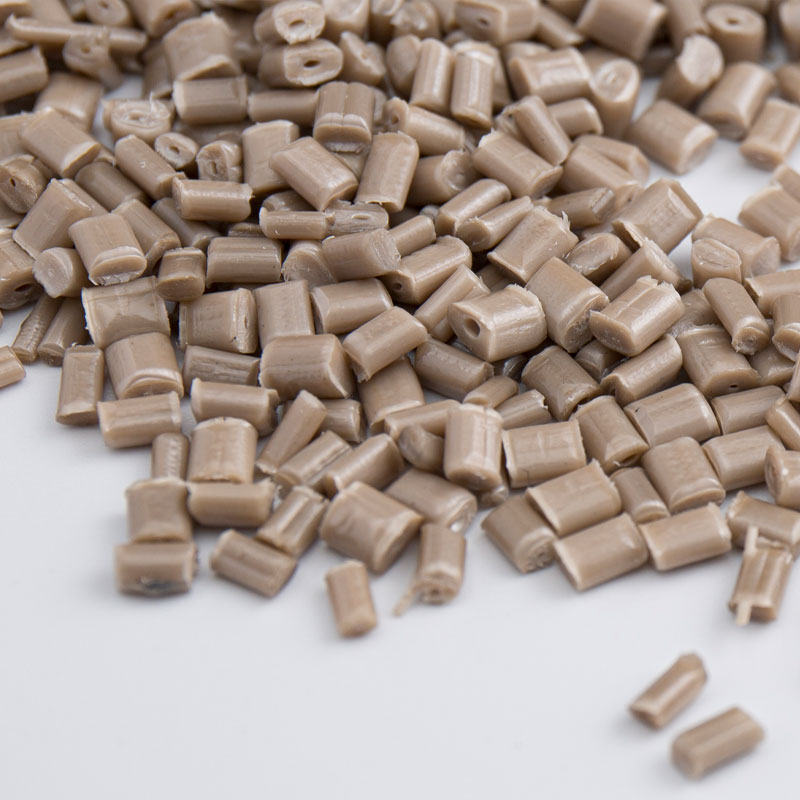
| Resin Identification | PEEK rods and sheets | |||||
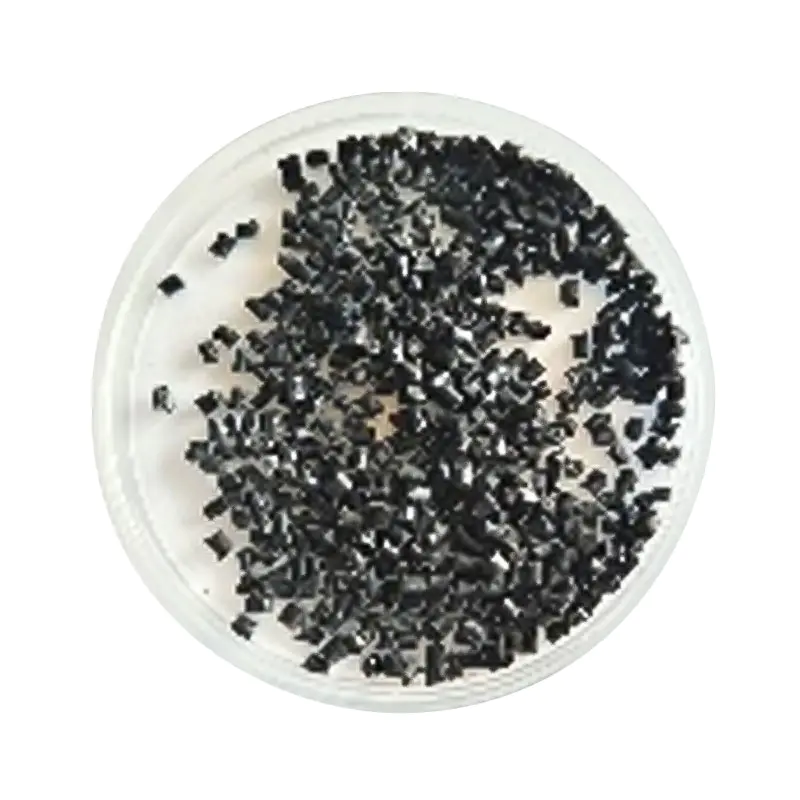
| Color | gray or black | |||||
| Typical Properties | Test Method | Test Condition | Value | Unit | ||
| pure resin (grey) |
CF20 (Black) |
GF20 (grey) |
||||
| Physical Properties | ||||||
| Density | DIN EN ISO 1183 | 23℃ | 1.34 | 1.41 | 1.46 | g/cm³ |
| Shrinkage | GB 15585 | 0.7-0.9 | 0.3-0.5 | 0.4—0.6 | % | |
| Mechanical Properties | ||||||
| Tensile Strength | DIN EN ISO 527 | 50mm/min | 94 | 200 | 135 | MPa |
| Tensile modulus | 3500 | 2100 | 7000 | MPa | ||
| Elongation at Break | 25 | 2.5 | 2.5 | % | ||
| Flexural Strength | DIN EN ISO 178 | 2mm/min | 130 | 280 | 200 | MPa |
| Flexural Modulus | 3600 | 15000 | 7000 | MPa | ||
| Izod Notched Impact Strength | DIN EN ISO 180 | 4mm,23℃ | 6 | 6.5 | 6.5 | KJ/M² |
| Thermal Performance | ||||||
| Heat Deformation Temperature | DIN EN ISO 75 | 1.8 MPa unannealed | 150 | 300 | 300 | ℃ |
| Heat Deformation Temperature | DIN EN ISO 75 | 0.45 MPa unannealed | 265 | 325 | 325 | ℃ |
| Melting temperature | DIN EN ISO 11357 | 334 | 334 | 334 | ℃ | |
| Others | ||||||
| Surface resistivity | IEC60093 IEC60094 |
10¹4 | 10³-5 | 10¹4 | Ω | |
| Volume resistivity | 10¹5 | 10²-4 | 10¹5 | Q.cm | ||
| Flame retardant properties | ||||||
| Flame retardant properties | UL94 | 0.5-3mm | V0 | V0 | V0 | |
| Glow wire flammability index | IEC60695-2-12 | 0.75mm | 850 | 850 | 850 | ℃ |
| Glow wire flammability index | IEC60695-2-12 | 1.5mm | 850 | 850 | 850 | ℃ |
| Glow wire flammability index | IEC60695-2-12 | 3mm | 960 | 960 | 960 | ℃ |
| Glow wire flammability index | IEC60695-2-13 | 0.75mm | 850 | 850 | 850 | ℃ |
| Glow wire fammabilit index | IEC60695-2-13 | 1.5mm | 850 | 850 | 850 | ℃ |
| Glow wire flammability index | IEC60695-2-13 | 3mm | 960 | 960 | 960 | ℃ |
Note: (1) The data provided are typical values and are only intended as a reference for customer use, not as a guarantee of minimum or maximum quality indicators or any other purposes. (2) Different colors may have different performance characteristics.
"Note: The data and information in this document are based on our current understanding and experience. If new insights and experiences arise in the future, we reserve the right to modify the information and data in this document without prior notice. Due to the potential variation of usage conditions and applicable laws across different regions and time periods, it is the responsibility of the customer to determine whether the products and product information in this document are suitable for their use, and to ensure the safety of their workplace and product handling."
The method complies with applicable laws and other government regulations. Lishu New Materials bears no responsibility or obligation for the information in this document, and provides no guarantees. In this document, regarding the marketability of the product or any specific aspect
All implied warranties of fitness for a particular purpose are hereby expressly excluded. "
| Diameter (mm) | Length (mm) |
| 20±0.5 | 1000±10 |
| 25±0.5 | 1000±10 |
| 30±0.8 | 1000±10 |
| 40±0.8 | 1000±10 |
| 50±1.2 | 1000±10 |
| 75±1.5 | 1000±10 |
| 90±2.5 | 1000±10 |
| 100±2.5 | 1000±10 |
| 150±3.0 | 1000±10 |
Sheet size and tolerance
| PEEK sheet | Thickness (mm) |
| 10±1 | |
| 15±1 | |
| 25±1 |
Inherent General Properties of PEEK
In addition to the specific advantages of different grades, PEEK material itself possesses the following outstanding general properties:
High Temperature Resistance: Can operate continuously at temperatures up to 260°C, and withstand short-term exposure up to 310°C. Its heat deflection temperature exceeds 316°C.
Chemical Resistance: Resistant to almost all chemicals. At room temperature, it can only be dissolved by concentrated sulfuric acid.
Self-Lubricating and Wear Resistant: Features a very low coefficient of friction (e.g., 0.34) and excellent wear resistance, making it an ideal material for manufacturing bearings, gears, and other moving parts.
High Mechanical Strength: Combines excellent strength and rigidity. Its fatigue resistance under alternating stress is among the best of all plastics and can rival alloy materials.
Inherent Flame Retardancy: Achieves UL94 V-0 rating without the addition of flame retardants. Produces low smoke and non-toxic gases during combustion.
Dimensional Stability: Has a low coefficient of linear expansion, very close to that of aluminum, ensuring dimensional accuracy under temperature fluctuations.
Wide Range of Applications
Based on the above characteristics, PEEK rods and sheets are widely used in the following key industries:
Aerospace: Used to manufacture satellite structural components, aircraft interior parts, etc., to reduce weight while ensuring reliability.
Medical Devices: Used for artificial bones, surgical instruments, sterilization trays, etc., due to their biocompatibility and sterilization resistance.
Semiconductor and Electronics: Used in wafer carriers, connectors, etc., because of their high purity and dimensional stability.
Oil and Gas: Used to manufacture seals, support rings, ball valve seats, etc., to withstand extreme pressure and corrosive environments.
Mechanical Industry: Widely used in gears, bearings, pump wear rings, compressor valve plates, and other high-strength, wear-resistant components.
Automotive Industry: Used to manufacture lightweight, heat-resistant, and self-lubricating components.
Food Processing: Used for manufacturing equipment components that meet food-grade requirements.
Common Specifications
Sheets: Common thickness ranges from 5 mm to 100 mm, with typical dimensions of 500/620/1000 mm × 1000 mm.
Rods: Common diameters range from 3 mm to 200 mm, with a standard length of 1000 mm.