 EN
EN English
 中文简体
中文简体 Español
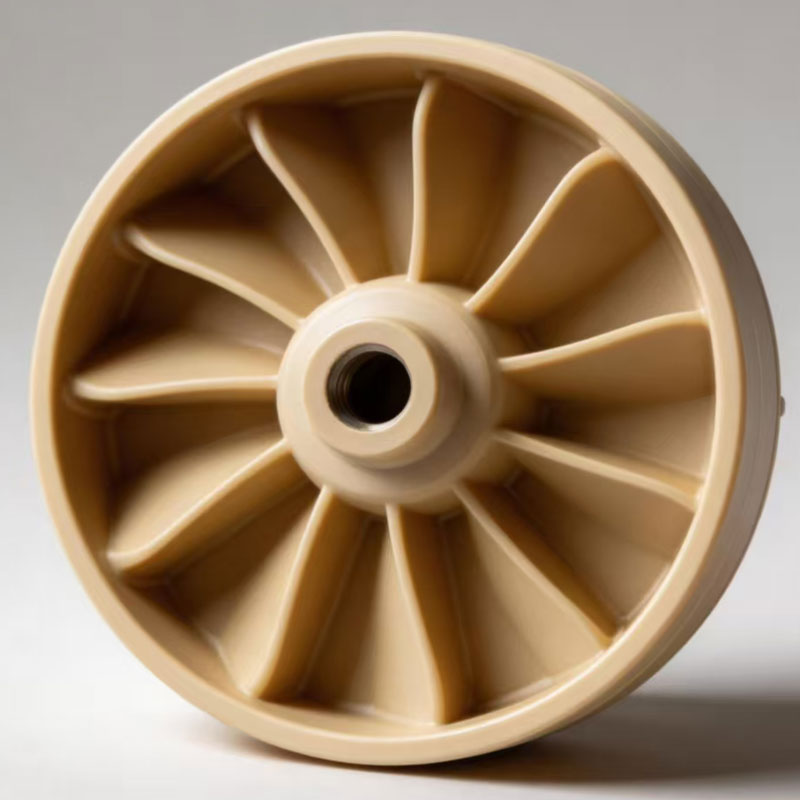

| Product Description | ||||
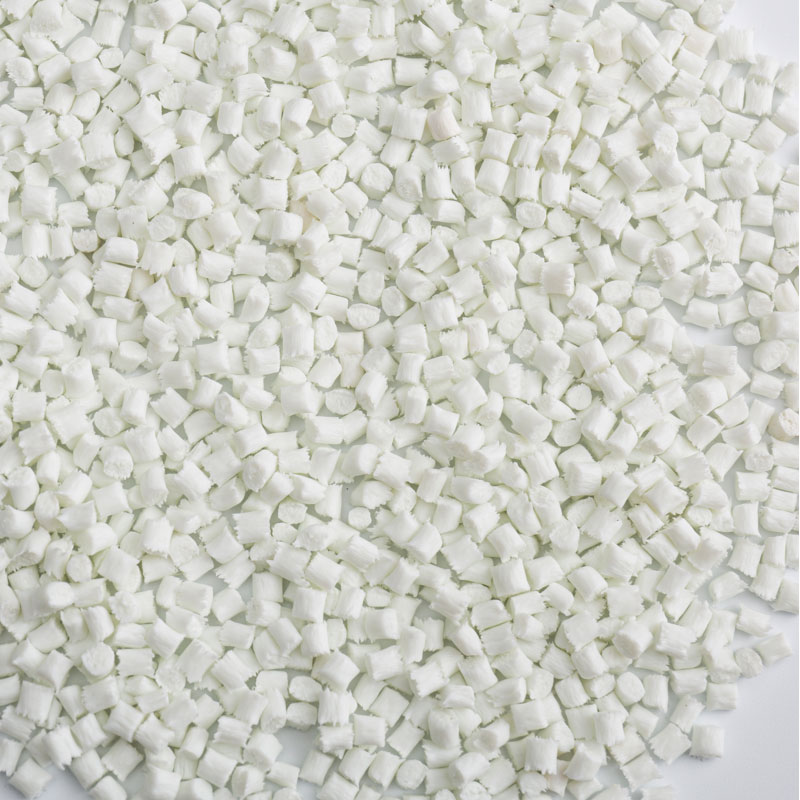
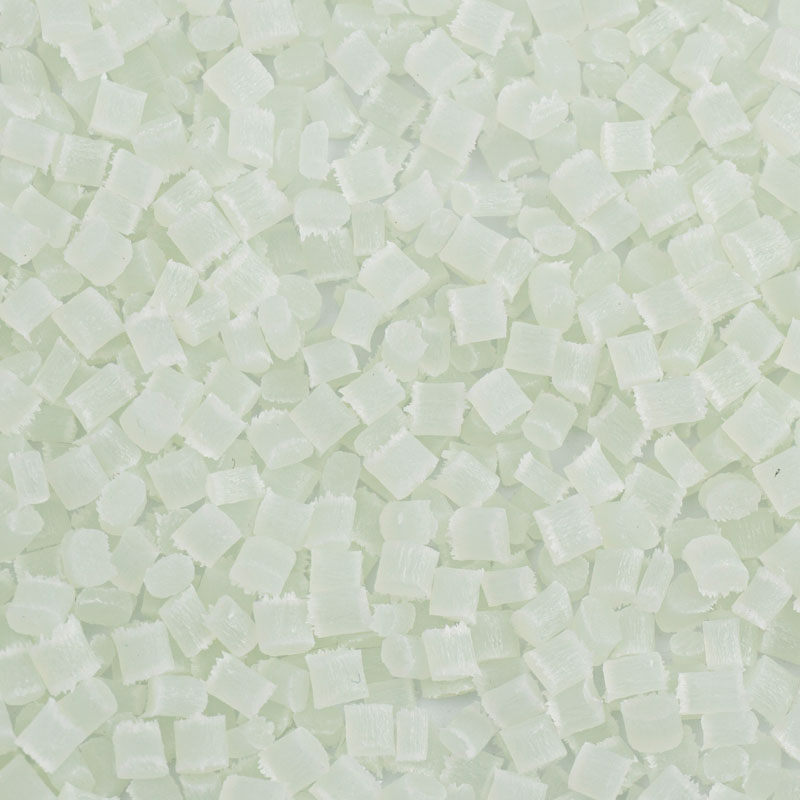
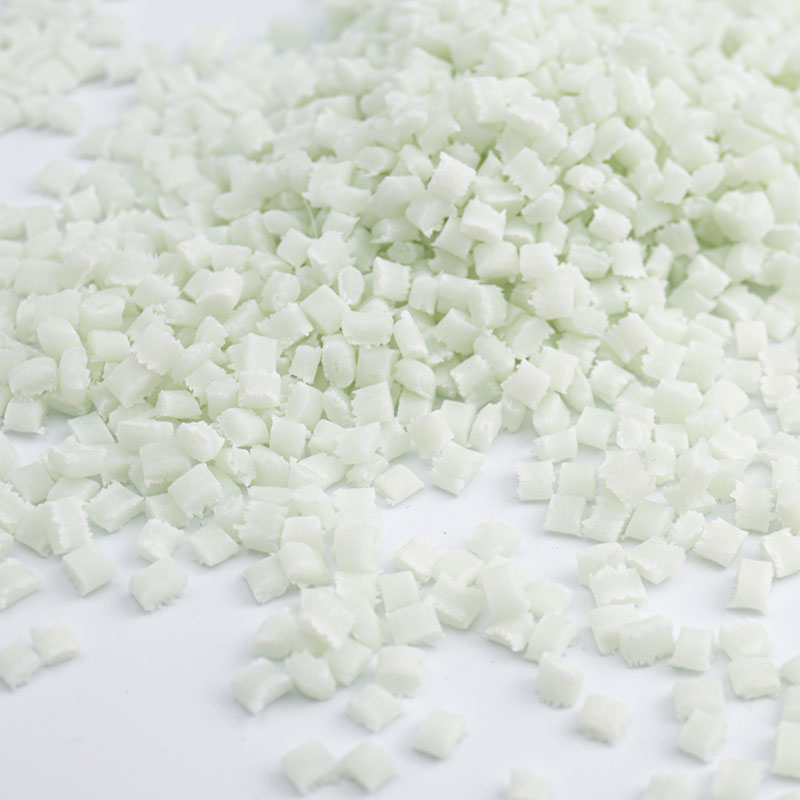
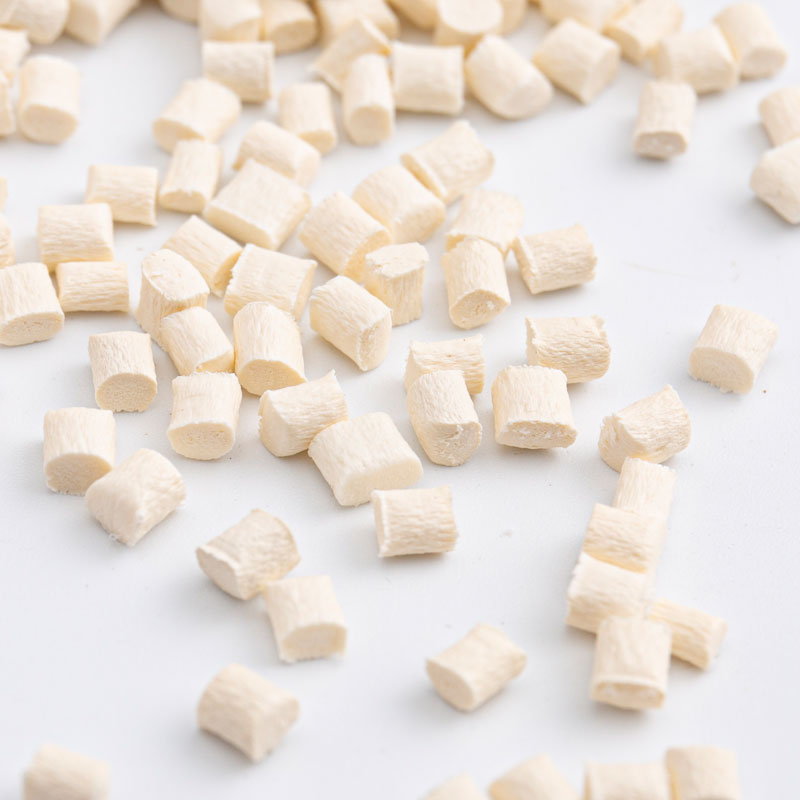
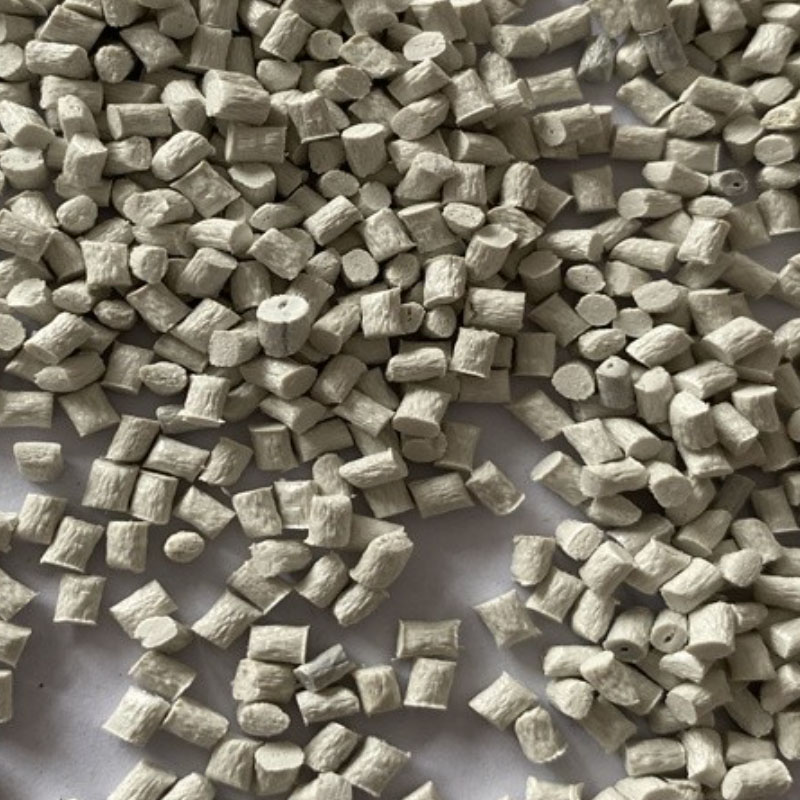
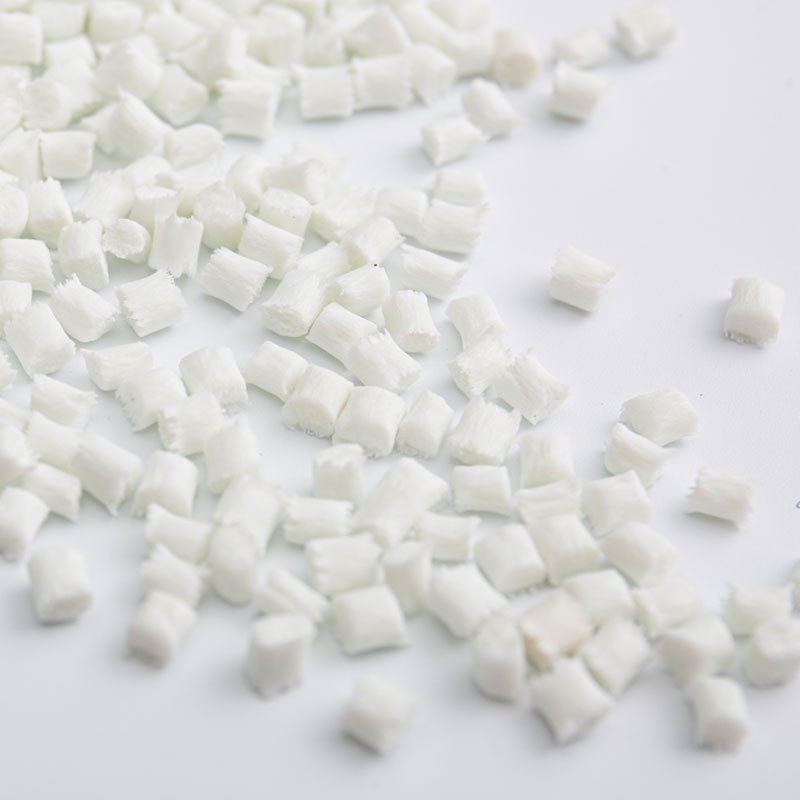
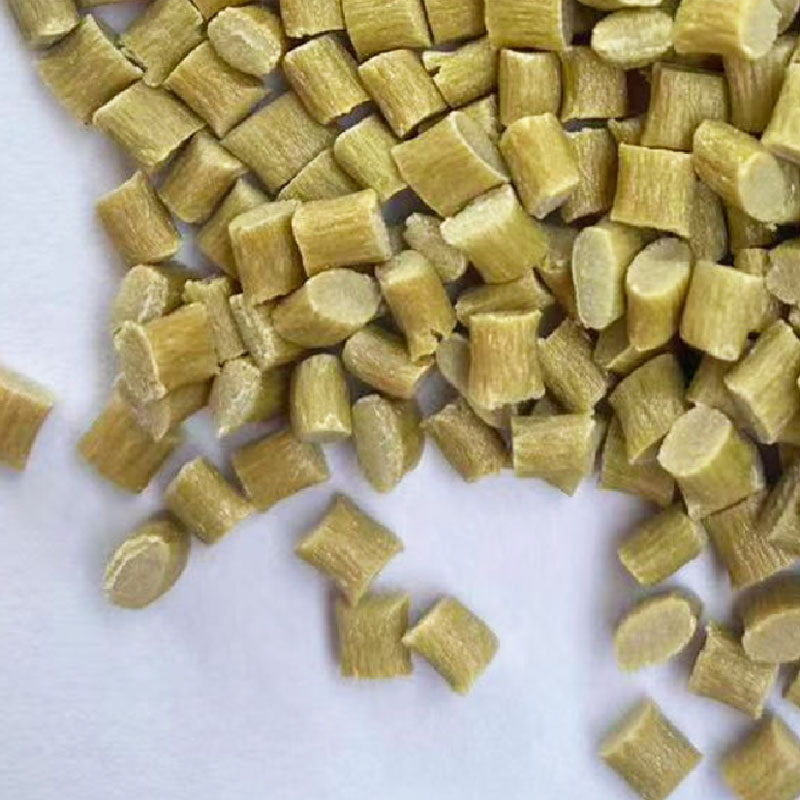
| Resin Identification | High rigidity, high flow, flame-retardant, and wear-resistant | |||
| 色Color | original color or black | |||
| Main applications | Electrical components, locomotive components, automotive components | |||
| Processing Method | Injection Molding | |||
| Typical Properties | Test Method | Test Condition | Value | Unit |
| Physical Properties | ||||
| Density | DIN EN ISO 1183 | 23℃ | 1.76 | g/cm³ |
| Coefficient of friction | ASTM G99 | 23℃ | 0.25 | |
| Shrinkage | DIN EN ISO 2896 | 23℃ 24H | 0.05 | % |
| Shrinkage | GB 15585 | 0.2—0.4 | % | |
| Mechanical Properties | ||||
| Tensile Strength | DIN EN ISO 527 | 50mm/min | 170 | MPa |
| Elongation at Break | 1.2 | % | ||
| Flexural Strength | DIN EN ISO 178 | 2mm/min | 240 | MPa |
| Flexural Modulus | 14000 | MPa | ||
| Tensile modulus | DIN EN ISO 527 | 5mm/min | 17500 | MPa |
| Izod Notched Impact Strength | DIN EN ISO 180 | 4mm,23℃ | 8 | KJ/M² |
| Thermal Performance | ||||
| Heat Deformation Temperature | DIN EN ISO 75 | 1.8 MPa unannealed | 260 | ℃ |
| Heat Deformation Temperature | DIN EN ISO 75 | 0.45MPa, unannealed | 285 | ℃ |
| Vika softens | DIN EN ISO 306 | 120℃/hr 50N | 287 | ℃ |
| Others | ||||
| Flame-retardant properties | UL94 | 0.75mm | V0 | |
| Flame-retardant properties | UL94 | 1.5mm | V0 | |
| Flame-retardant properties | UL94 | 3mm | V0 | |
| Typical Injection Molding Process | |
| Plastic Drying | |
| Drying Time | 4 to 6 hours |
| Drying Temperature | 120~150℃ |
| Drying Equipment | Hot-air dryer |
| Drying Type | Continuous drying (in the production process) |
| Injection Molding Process | |
| Nozzle Section | 310~320℃ |
| Plastics Section | 290~310℃ |
| Conveying Section | 280~290℃ |
| Maximum Injection Temperature | 340℃ |
| Injection Pressure | 60~120MPa |
| Injection Speed | 30~75mm/s |
| Plasticization Pressure Velocity | Pressure: 65-100MPa, speed: 60-85mm/s |
| Plasticization Back Pressure | 10~40MPa |
| Recommended Mold Temperature | 130~150℃ |
Its core advantages come from the synergistic effect of its components:
PPS base resin: Provides inherent flame retardancy (UL94 V-0 rating), excellent heat resistance (heat deflection temperature typically above 250°C), and outstanding chemical resistance.
1. Main Applications
Due to the above properties, PPS GF30 PTFE is mainly used in applications with strict wear and heat resistance requirements:
Mechanical / Industrial Components:This is its primary application area. It is commonly used to manufacture bearings, sliding elements, gears, cams, pump bodies, sealing rings, valves, bushings, and other components that must operate reliably over long periods under oil-free or low-lubrication conditions.
Automotive Industry:Used for automotive fuel system components, sensors, impellers and housings for water pumps and oil pumps, as well as wear-resistant parts around the engine.
Electrical and Electronics:Suitable for precision components that require high temperature resistance, flame retardancy, and dimensional stability, such as connectors, coil bobbins, and circuit breaker parts.
Office / Consumer Equipment:Internal gears and bearings in printers, as well as wear-resistant parts in copiers and fax machines, ensuring long-term quiet and stable operation.
Special and Medical Applications:Due to its self-lubricating properties and sterilizability, it is also used in components for medical devices such as endoscopes, as well as wear-resistant parts in certain firearms and optical instruments.
2. Processing Considerations
This material is typically processed by injection molding. The following points should be noted:
Thorough Drying: Drying is required before processing, typically at 120–140°C for 3–4 hours, to remove moisture and prevent product defects.
High Mold Temperature: Mold temperature should be controlled above 120°C (in some cases above 140°C) to ensure good crystallinity and surface quality.
High Melt Temperature: The melt temperature is usually between 300–340°C, requiring adequate heating capacity of the equipment.
3. Summary
PPS GF30 PTFE is a mature material solution designed through a “three-in-one” modification approach to solve the challenge of combining high temperature resistance and high strength with self-lubrication and low friction. It performs exceptionally well under harsh conditions involving long-term exposure to heat, mechanical load, and friction.
30% Glass Fiber:Significantly enhances the mechanical strength and dimensional stability of the material, making it more rigid and durable.
PTFE Lubricant:This is the key to achieving wear resistance. PTFE forms a lubricating film within the material, greatly reducing the coefficient of friction, minimizing wear on both the material itself and mating parts, and enabling self-lubrication.