 EN
EN English
 中文简体
中文简体 Español



The global composite materials market is projected to expand from USD 98.6 billion in 2024 to roughly USD 164 billion by 2030, a compound annual growth rate of about 8.9 percent. For design engineers, sourcing managers...
READ MORE +
Modified PA Plastic Pellets Suppliers
About Us
Zhejiang Lisu Composite Materials Co., Ltd
Zhejiang Lisu Composite Materials Co., Ltd, founded in 2015, is a national high-tech enterprise and a Zhejiang Science and Technology Innovation Enterprise. We are China Modified PA Plastic Pellets Suppliers and OEM/ODM Modified PA Plastic Pellets Company. We specialize in the R&D, production, sales, and service of high-performance new materials, committed to providing innovative material solutions for a safer, more comfortable, and convenient human life. The company possesses comprehensive experimental testing capabilities and has successively obtained certifications such as PCR material certification (GRS), IATF16949 quality management system certification, and various material CQC certificates, ensuring product quality and compliance. We are dedicated to providing safe, comfortable, and convenient innovative material solutions for various industries, helping customers enhance the value of their products. Driven by technological innovation to promote sustainable development, we are steadfast practitioners in building an environmentally friendly society. We strive to contribute to the harmonious coexistence of humanity and nature, working together for a greener future.
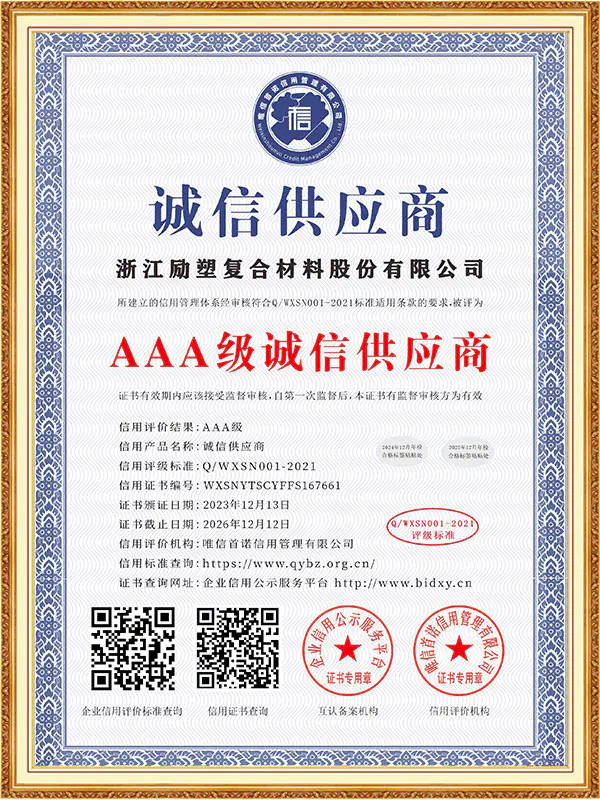
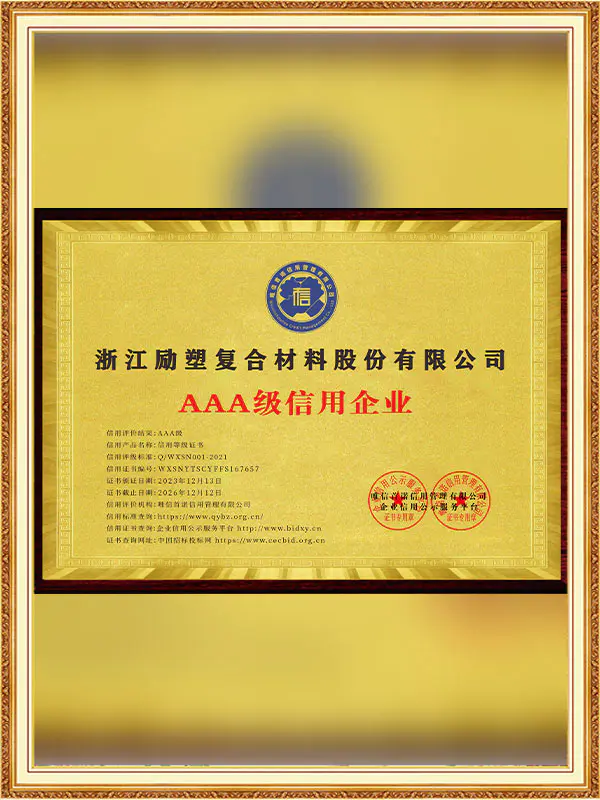
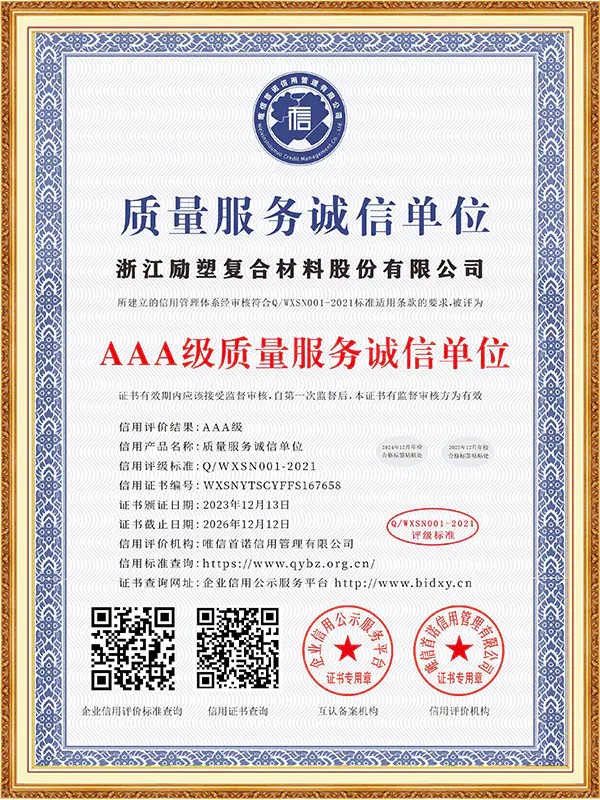
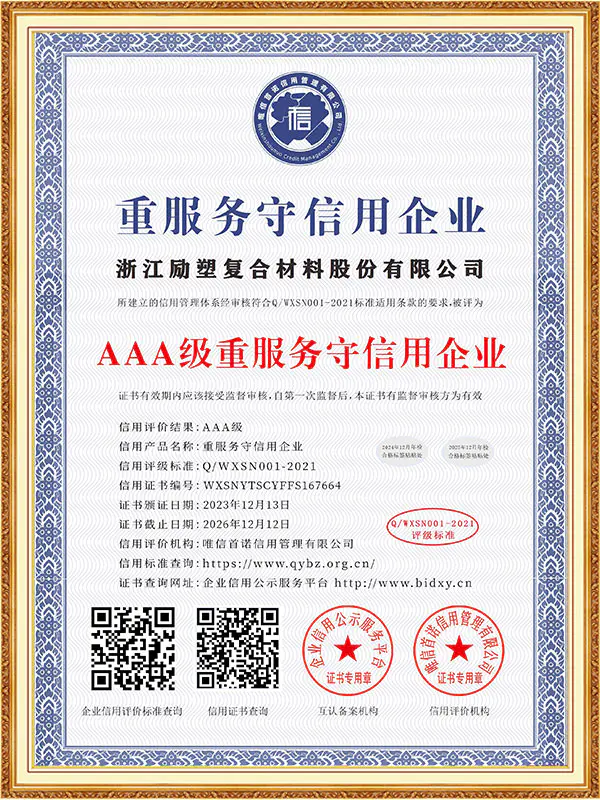
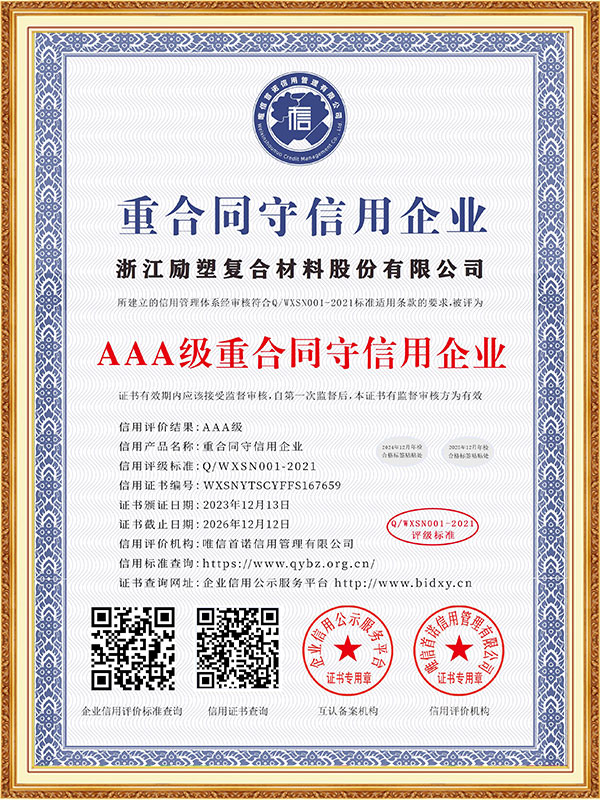
Certificate of Honor
Latest News
-
-
A thirty percent recycled content target takes one line to write into a part specification. Meeting it in a glass-fibre reinforced PA66 bracket that still has to pass a 1,000-hour heat ageing test takes a different kin...
READ MORE + -
Switching a water-pump impeller from aluminum to carbon-fiber-reinforced PEEK cut unit weight by 62 percent and stretched service life past 20,000 hours, yet the identical compound failed within weeks when a caustic wa...
READ MORE + -
Global polymer demand now exceeds 400 million metric tons per year, yet recycled feedstock still supplies less than 10 percent of that volume. That gap defines the tension in new material technology: manufacturers need...
READ MORE +
Message Feedback
Modified Polyamide(PA) Industry knowledge
Comprehensive Industry Knowledge on Modified PA Plastic Pellets
Product Overview
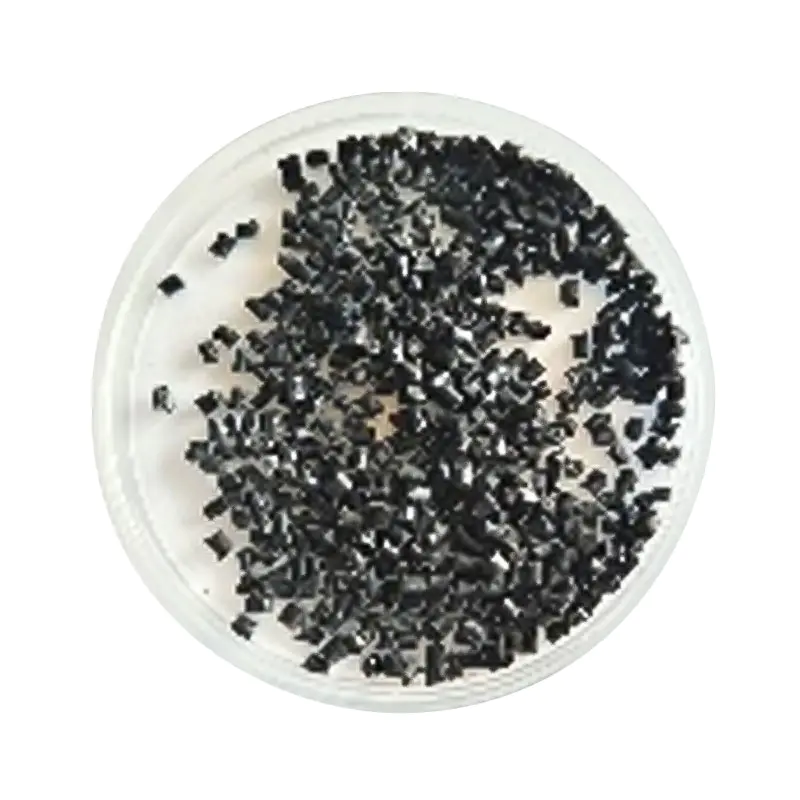
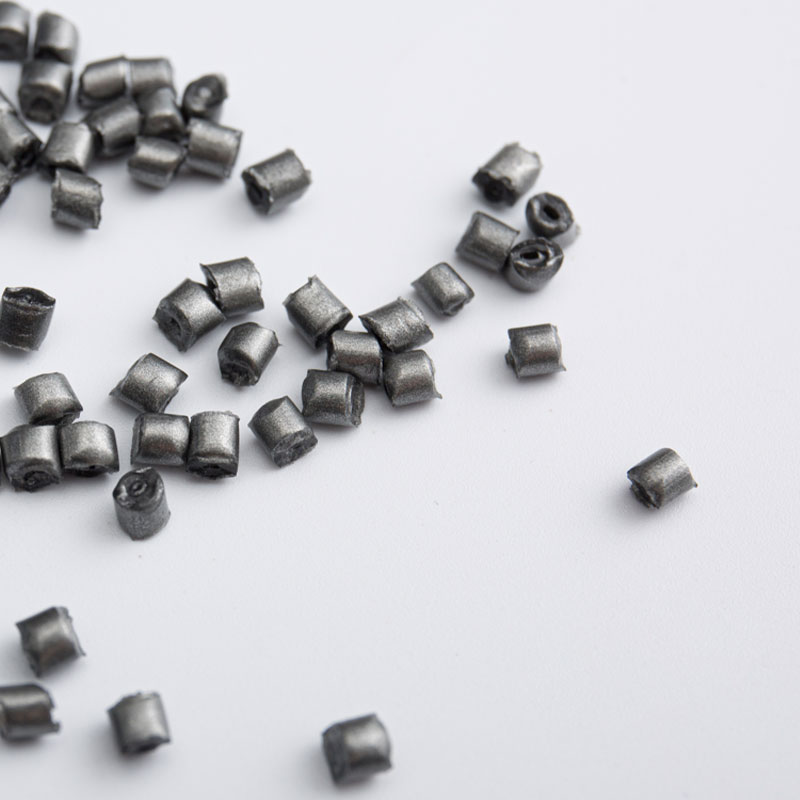
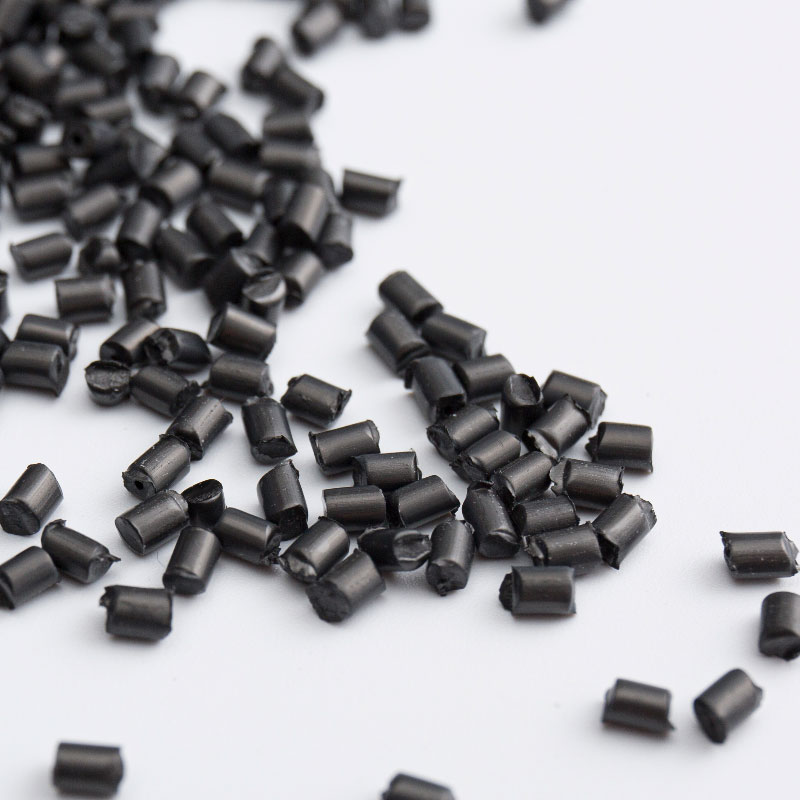
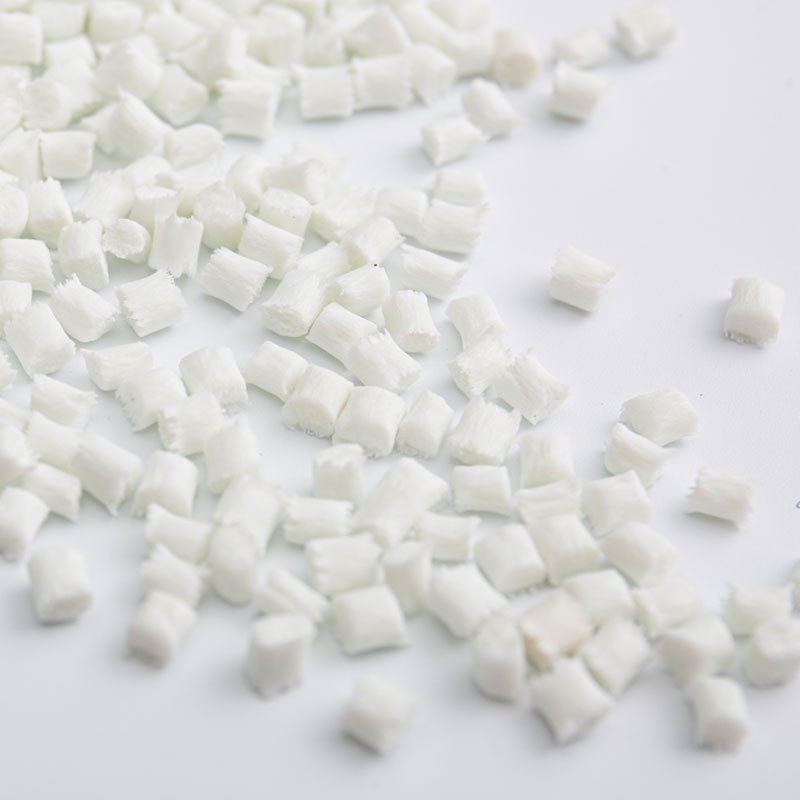
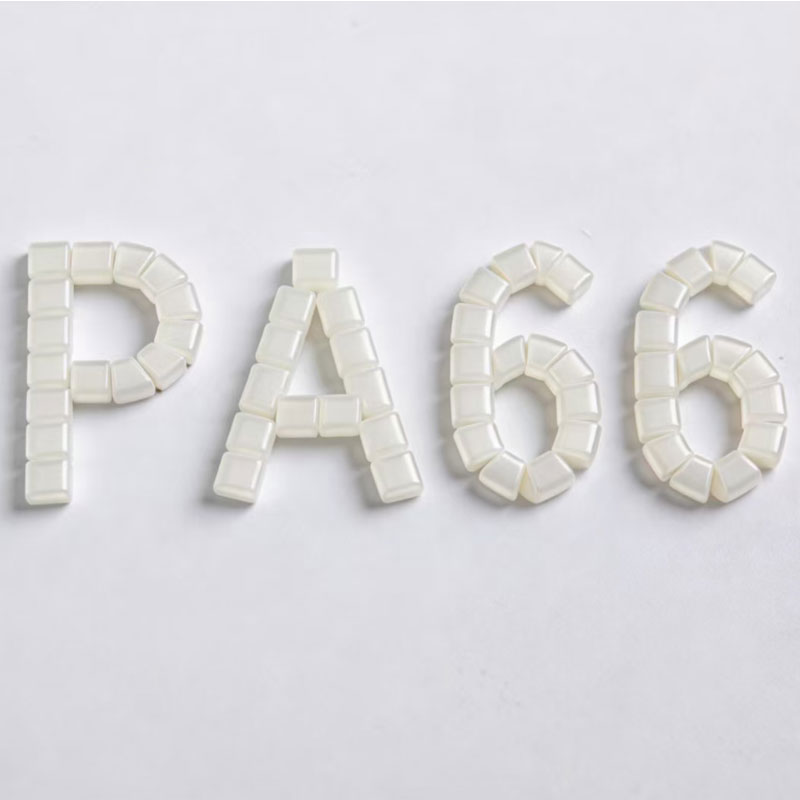
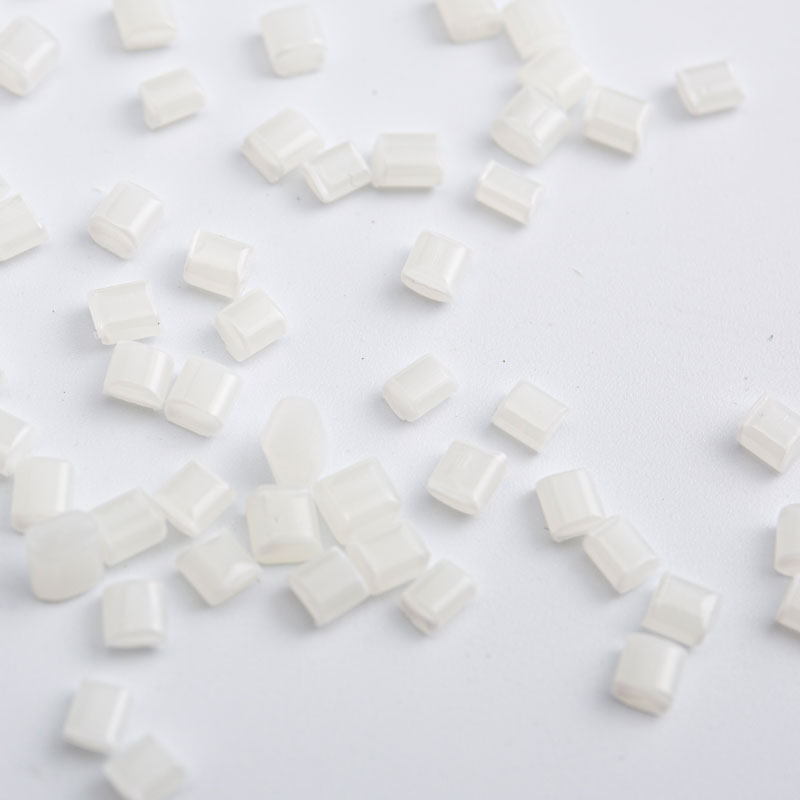
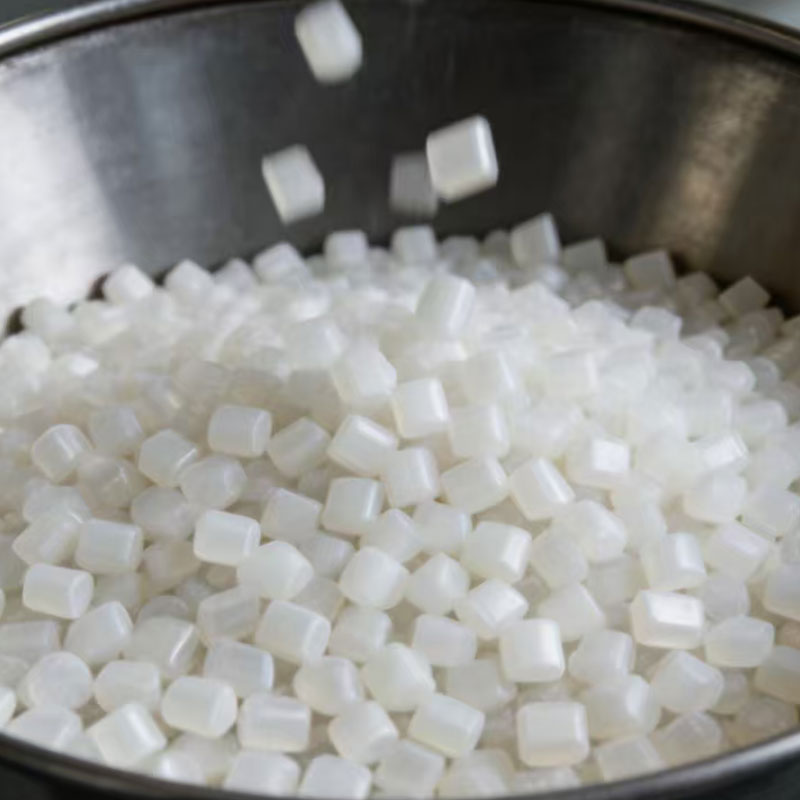
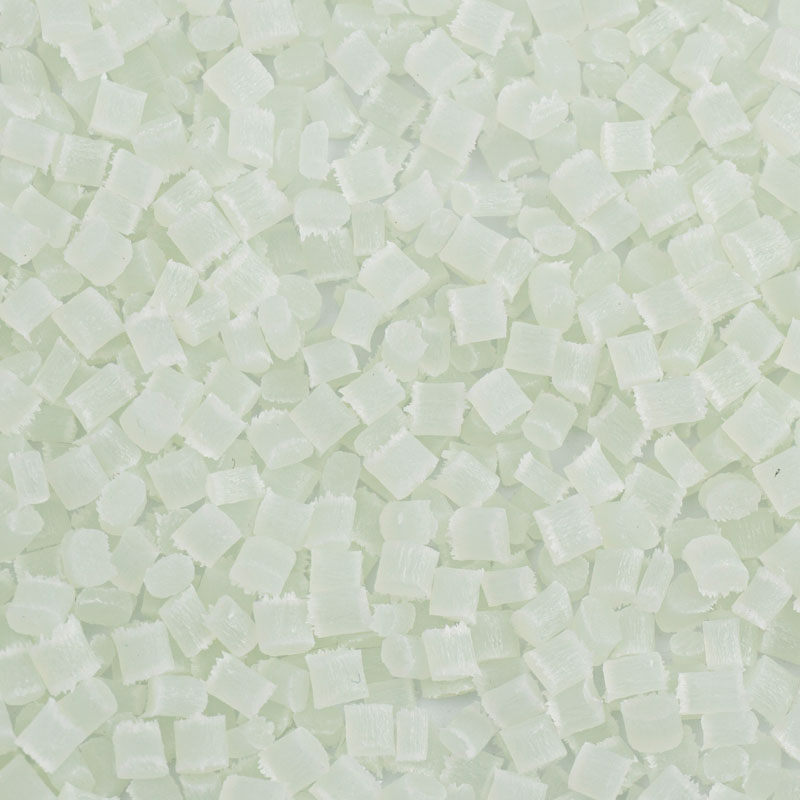
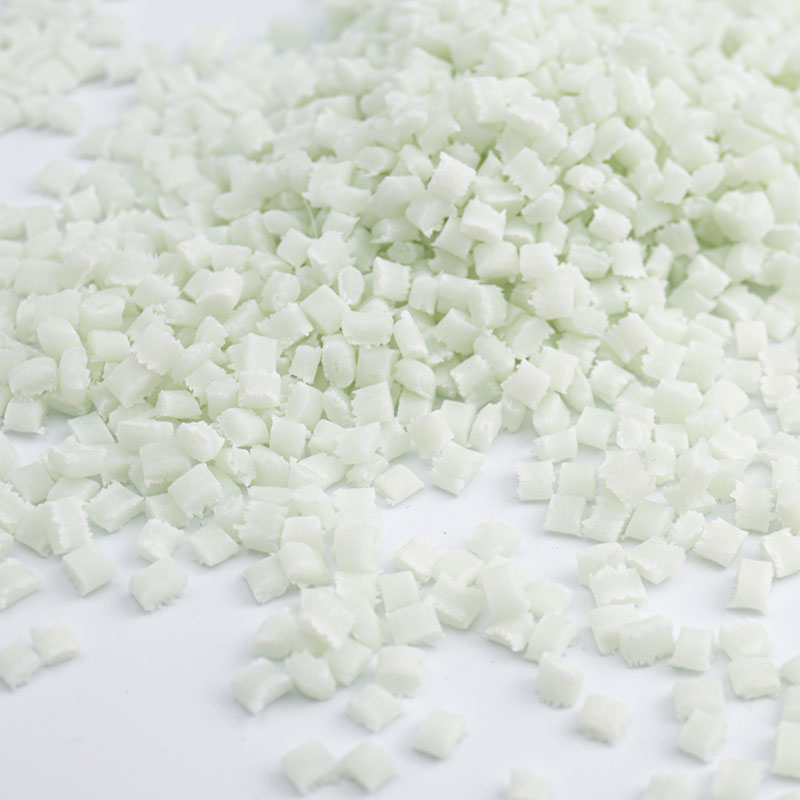
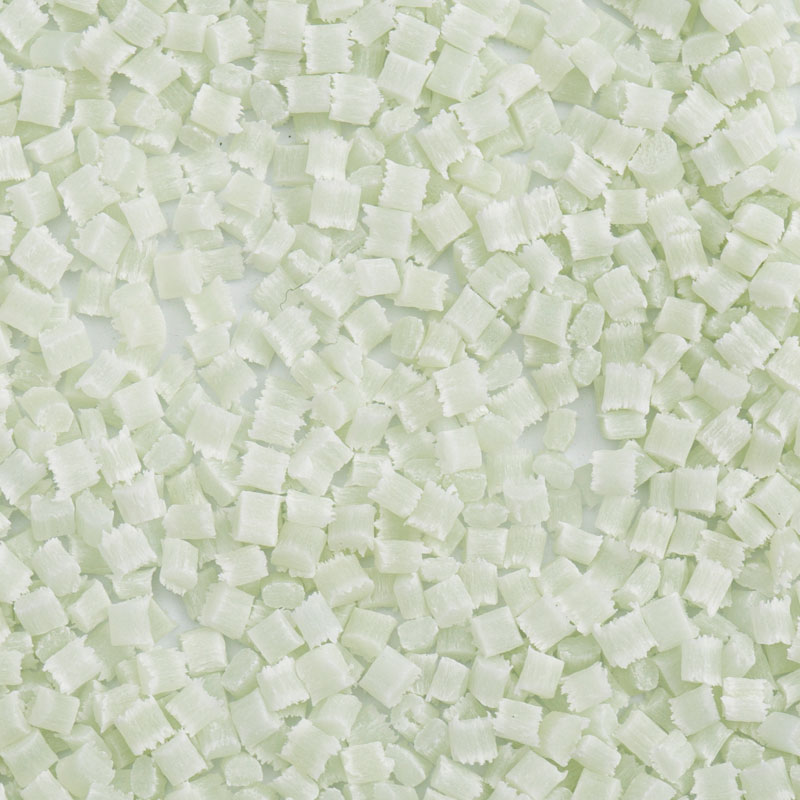
Modified PA Plastic Pellets represent a category of high-performance engineering thermoplastics derived from Polyamide (commonly known as Nylon). Through advanced modification techniques such as reinforcing with glass fiber, carbon fiber, or adding internal lubricants like Molybdenum Disulfide (MoS2), these pellets overcome the limitations of standard PA. They offer enhanced mechanical strength, thermal stability, and wear resistance, making them indispensable in demanding sectors like automotive, electronics, and industrial machinery.
Product Classification and Applications
The versatility of Modified PA Plastic Pellets allows for a wide range of applications. Below is a detailed classification of key product types available in the industry:
| Product Type | Key Characteristics | Typical Applications |
| Lightweight Conductive PA66 CF30 | Conductive, Anti-static, Low Density | Electronic housings, EMI shielding components |
| Wear-resistant PA66 MoS2 | Self-lubricating, Low friction, High wear resistance | Gears, Bearings, Sliding guides |
| High-strength PA66 GF30 | High rigidity, Dimensional stability, Heat resistance | Automotive under-hood parts, Structural components |
Technical Parameter Comparison
Selecting the right Modified PA Plastic Pellets requires a deep understanding of technical specifications. The following table compares the performance metrics of three common modified grades:
| Property / Material | PA66 CF30 | PA66 MoS2 | PA66 GF30 |
| Reinforcement | 30% Carbon Fiber | Molybdenum Disulfide | 30% Glass Fiber |
| Density (g/cm3) | Approx. 1.25 | Approx. 1.15 | Approx. 1.35 |
| Tensile Strength (MPa) | ≥180 | ≥80 | ≥150 |
| Bending Strength (MPa) | ≥250 | ≥100 | ≥200 |
| Working Temperature (°C) | -40 to 150 | -40 to 120 | -40 to 160 |
Industry Applications and Benefits
Automotive Industry
In the automotive sector, Modified PA Plastic Pellets are critical for achieving lightweighting goals. High-strength PA66 GF30 is frequently used for engine covers and structural components, offering excellent heat resistance up to 160°C. This contributes to fuel efficiency and reduced emissions.
Electronics and Electrical Engineering
For electronic applications, the PA66 CF30 variant provides essential conductivity and electrostatic discharge protection. This ensures the safety and longevity of sensitive electronic components, preventing damage from static electricity.
Industrial Machinery
Machinery components such as gears and bearings benefit significantly from PA66 MoS2. The self-lubricating properties reduce the need for external lubricants and maintenance, extending the lifespan of moving parts in high-friction environments.
About Zhejiang Lisu Composite Materials Co., Ltd
Quality and innovation are paramount when sourcing Modified PA Plastic Pellets. Zhejiang Lisu Composite Materials Co., Ltd, founded in 2015, stands as a national high-tech enterprise and a Zhejiang Science and Technology Innovation Enterprise. The company specializes in the R&D, production, sales, and service of high-performance new materials.
Zhejiang Lisu Composite Materials Co., Ltd is dedicated to providing innovative material solutions for a safer, more comfortable, and convenient human life. The company possesses comprehensive experimental testing capabilities and has obtained critical certifications including:
- PCR material certification (GRS)
- IATF16949 quality management system certification
- Various material CQC certificates
Driven by technological innovation to promote sustainable development, Zhejiang Lisu Composite Materials Co., Ltd is a steadfast practitioner in building an environmentally friendly society, contributing to the harmonious coexistence of humanity and nature.
FAQ
What is the main difference between PA6 and PA66 modified plastic pellets?
While both are polyamides, the primary difference lies in their molecular structure and thermal properties. Modified PA66 plastic pellets generally offer a higher melting point (around 260°C) and better mechanical strength and rigidity compared to PA6. PA6, however, has better impact resistance and surface finish. For high-temperature structural applications, PA66 modified with glass fiber (GF30) is often the preferred choice due to its superior heat resistance and dimensional stability.
How does glass fiber reinforcement improve Modified PA Plastic Pellets?
Glass fiber reinforcement significantly enhances the tensile strength, stiffness, and creep resistance of Polyamide. For instance, adding 30% glass fiber (GF30) to PA66 can increase tensile strength to over 150 MPa. It also improves dimensional stability by reducing moisture absorption, which is a common characteristic of nylon. This makes GF30 Modified PA Plastic Pellets ideal for structural parts that require high load-bearing capacity and tight tolerances under varying environmental conditions.
Are Modified PA Plastic Pellets environmentally friendly and recyclable?
Yes, many Modified PA Plastic Pellets are designed with sustainability in mind. Manufacturers like Zhejiang Lisu Composite Materials Co., Ltd have obtained PCR (Post-Consumer Recycled) material certification (GRS), verifying the use of recycled content in their products. These materials help reduce the carbon footprint of manufacturing processes. Furthermore, the durability and longevity of modified plastics contribute to waste reduction by extending the service life of components.
Why choose Carbon Fiber (CF) modified PA over Glass Fiber (GF) modified PA?
The choice depends on the specific application requirements. Carbon Fiber (CF) modified PA, such as PA66 CF30, is chosen for applications requiring high strength-to-weight ratio (lightweighting) and electrical conductivity. It is lighter than GF-modified grades and provides anti-static or EMI shielding properties. Glass Fiber (GF) modified PA, while slightly heavier, is more cost-effective and offers excellent electrical insulation and high rigidity, making it suitable for structural automotive and industrial parts where conductivity is not required.
What certifications should I look for in a supplier of Modified PA Plastic Pellets?
When sourcing high-performance materials, it is crucial to verify supplier qualifications. Look for IATF16949 certification, which is essential for automotive industry suppliers, ensuring strict quality management standards. Additionally, GRS certification indicates a commitment to sustainable and recycled materials. Companies like Zhejiang Lisu Composite Materials Co., Ltd, which hold these certifications along with CQC (China Quality Certification) marks for various materials, demonstrate a verified commitment to quality, safety, and compliance.
Online message!
Contact
-
 +86-133 2583 3102
-
 +86 573-84991930
-
 [email protected]
-
 South side of Building 6, 1889 Jiuliting Avenue, Caoqiao Street, Pinghu City, Jiaxing City, Zhejiang Province
Quick Links
Get Connected
Copyright © Zhejiang Lisu Composite Materials Co., Ltd All Rights Reserved.
Wholesale Modified PA Plastic Pellets Suppliers

