 EN
EN English
 中文简体
中文简体 Español
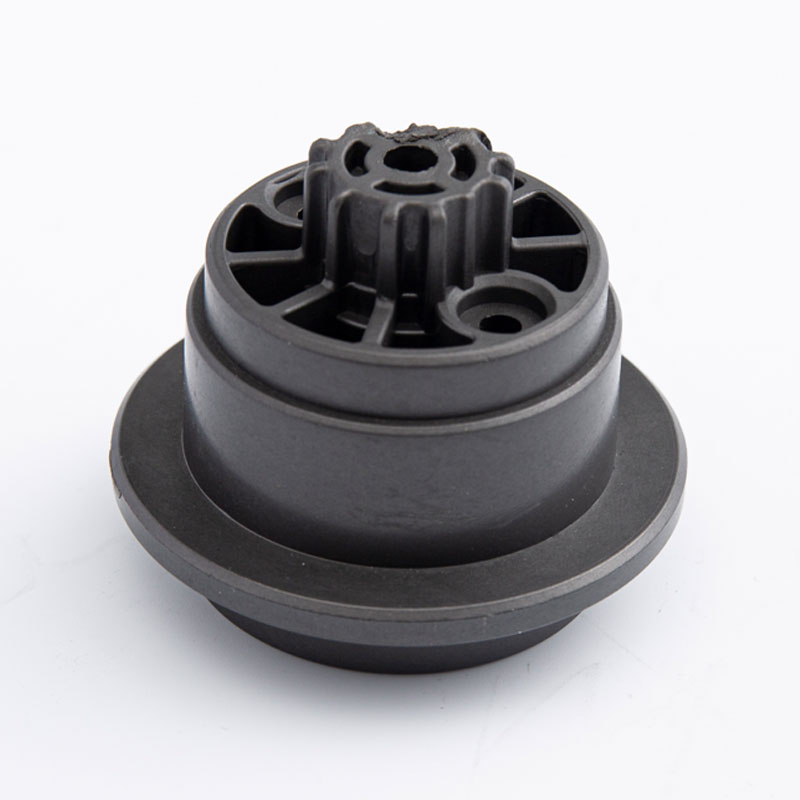
| Typical Injection Molding Process | |
| Plastic Drying | |
| Drying Time | 2~4h |
| Drying Temperature | 100~130℃ |
| Drying Equipment | Hot-air dryer |
| Drying Type | Continuous drying (production process) |
| Injection Molding Process | |
| Nozzle Section | 270~290℃ |
| Plastics Section | 280~300℃ |
| Conveying Section | 260~280℃ |
| Maximum Injection Temperature | 330℃ |
| Injection Pressure | 40~120MPa |
| Injection Speed | 30~75mm/s |
| Plasticization Pressure Velocity | Pressure: 65–100 MPa; Speed: 60–85 mm/s |
| Plasticization Back Pressure | 10~40MPa |
| Recommended Mold Temperature | 80~100℃ |
声明:以上注塑工艺应根据制品形状、模具设计以及注塑机规格等条件的不同而不同,具体应根据实际情况调整。
| Product Description | ||||
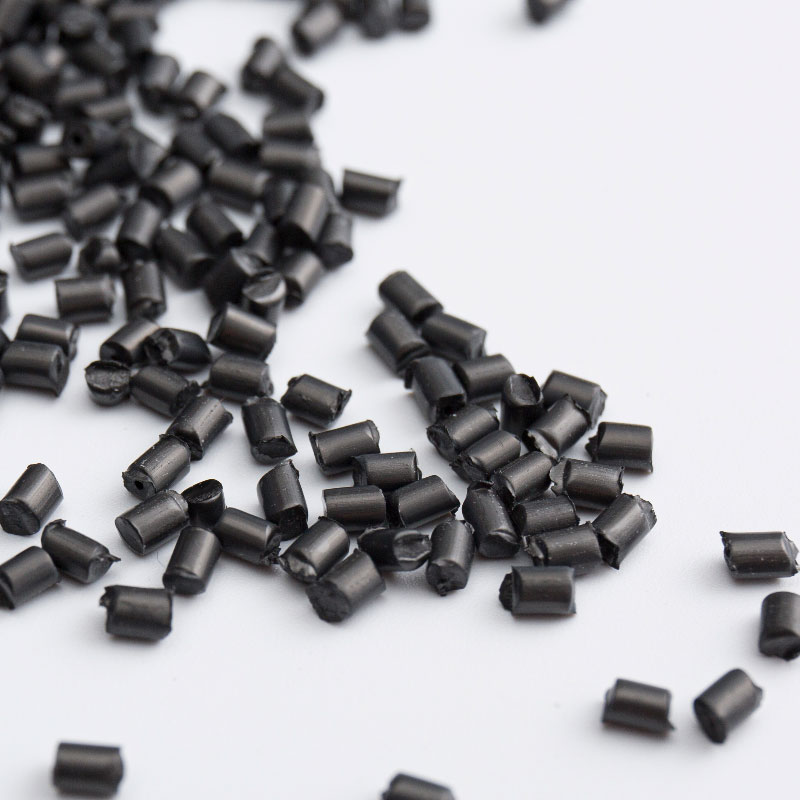
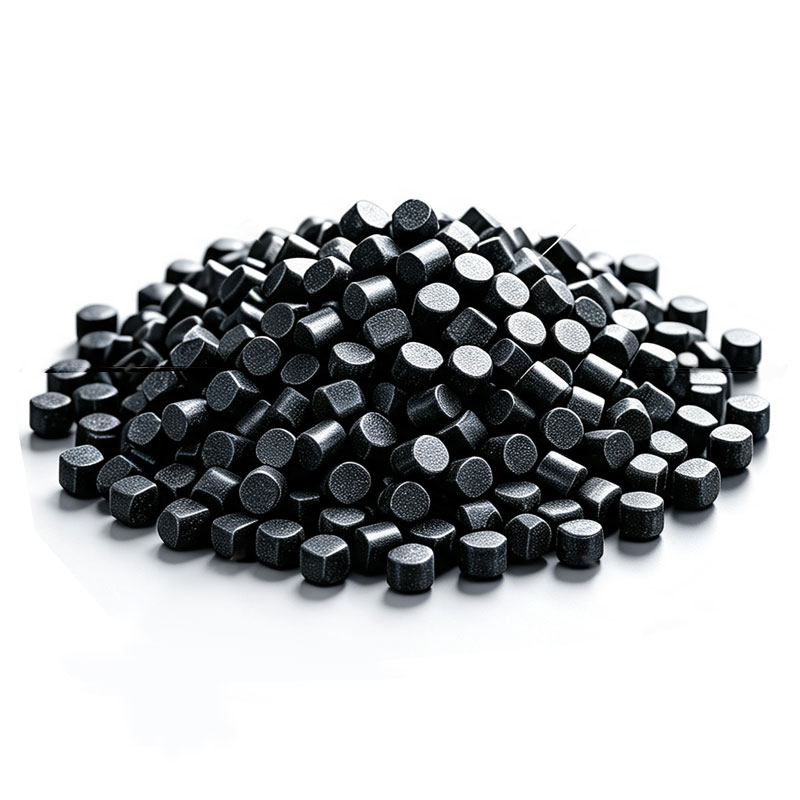
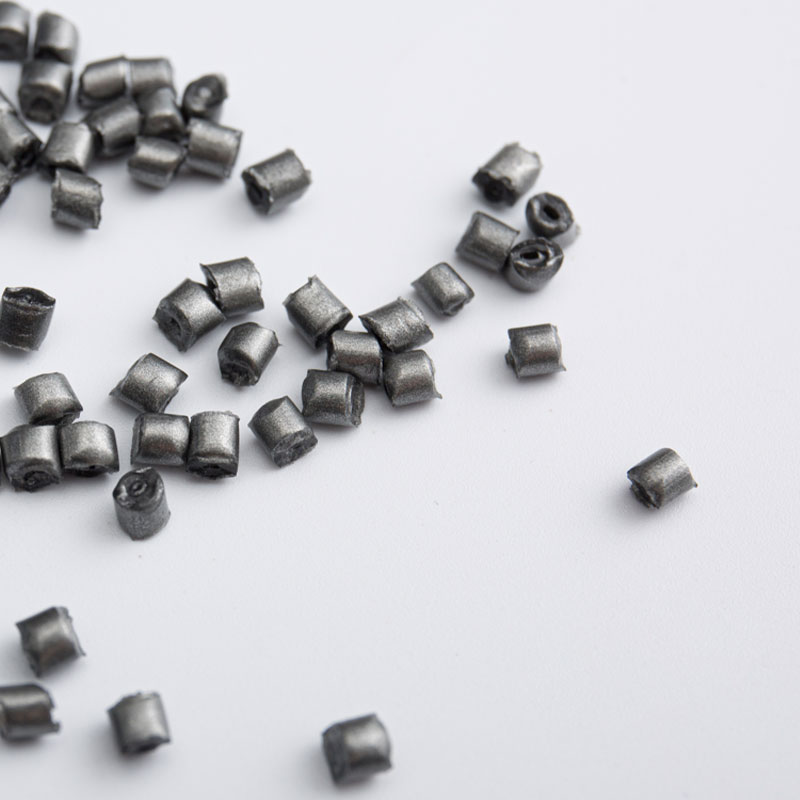
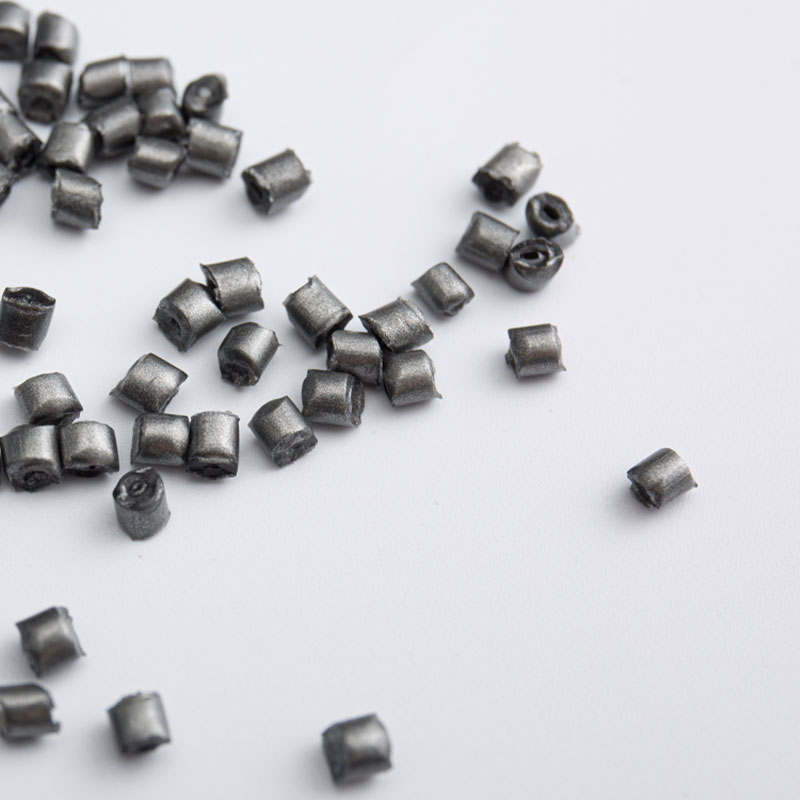
| Resin Identification | 25% glass fibre-reinforced PA66+MoS₂ composite, injection moulding grade, high-flow, self-lubricating, wear-resistant | |||
| Color | Dark grey/black | |||
| Main applications | Bearings, gears, seals, sprockets, thrust washers, valve components, wear strips, automotive applications, electrical and electronic applications, household goods, low-noise applications | |||
| Processing Method | Injection Molding | |||
| Typical Properties | Test Method | Test Condition | PA66+MoS2 | Unit |
| Physical Properties | ||||
| Density | DIN EN ISO 1183 | 23℃ | 1.42 | g/cm³ |
| Shrinkage | GB15585 | 0.4-0.6 | % | |
| Mechanical Properties | ||||
| Tensile Strength | DIN EN ISO 527 | 50mm/min | 145 | MPa |
| Tensile Modulus | 7500 | MPa | ||
| Elongation at Break | 1.5 | % | ||
| Flexural Strength | DIN EN ISO 178 | 2mm/mn | 185 | MPa |
| Flexural Modulus | 6200 | MPa | ||
| Izod Notched Impact Strength | DIN EN ISO 180 | 4mm,23℃ | 7 | KJ/M² |
| Izod Notched Impact Strength | DIN EN ISO 180 | 4mm,-30℃ | 5 | KJ/M² |
| Izod Notched Impact Strength | DIN EN ISO 180 | 4mm,23℃ | 45 | KJ/M² |
| Izod Notched Impact Strength | DIN EN ISO 180 | 4mm,-30℃ | 40 | KJ/M² |
| Friction Coefficient | ASTM D3702 | Dynamic VS Steel | 0.3 | |
| Friction Coefficient | ASTM D3702 | Static VS Steel | 0.34 | |
| Friction Coefficient | ASTM D3702 | Washer | 60 | ft-lb-hr |
| Thermal Performance | ||||
| Heat Deformation Temperature | DIN EN ISO 75 | 1.8MPa, unannealed | 235 | ℃ |
| Heat Deformation Temperature | DIN EN ISO 75 | 0.45MPa, unannealed | 245 | ℃ |
| Flame-retardant properties | ||||
| Flame-retardant properties | UL94 | 0.75 | HB | |
| Flame-retardant properties | UL94 | 1.5mm | HB | |
| Flame-retardant properties | UL94 | 3mm | HB | |
| Others | ||||
| Surface resistivity | IEC60093 | 1.5mm | 10¹³-15 | Ω |
Notes:
(1) The data provided are typical values and are intended solely as a reference for customers; they do not constitute a guarantee of minimum or maximum quality standards, nor do they serve as a guarantee for any other purpose.
(2) Performance may vary depending on the colour.
Please note: The data and information contained herein are based on our current knowledge and experience. Should new knowledge or experience become available in the future, we reserve the right to amend the information and data in this document without prior notice. As conditions of use and applicable laws may vary by location and time, it is the customer’s responsibility to determine whether the products and product information contained herein are suitable for their use, and to ensure that their worksite and methods of handling the products comply with applicable laws and other government regulations. Lishu New Materials assumes no liability or obligation whatsoever in relation to the information contained herein, nor does it provide any warranty. All implied warranties regarding the merchantability of the products or their fitness for a particular purpose are hereby expressly excluded.
Material Advantages
The advantages of this material stem from the synergistic effect of glass fiber and MoS₂:
• High Strength and Rigidity: The 25% glass fiber significantly enhances the mechanical properties of the base material, enabling it to bear heavy loads and providing excellent fatigue resistance.
• Excellent Wear Resistance and Self-lubrication: The added MoS₂ is a key benefit. It effectively reduces the friction coefficient, minimizing wear during sliding. Even without external lubrication, it maintains good sliding performance and reduces the risk of "seizing" when interfacing with metal components.
• Good Dimensional Stability: The incorporation of glass fiber reduces the material's thermal expansion coefficient and shrinkage rate, helping the finished parts retain their shape and dimensional accuracy under temperature changes or stress.
• Comprehensive Mechanical Properties: In addition to the above advantages, it retains good toughness and impact resistance, ensuring balanced and reliable overall mechanical performance.
Main Applications
With these properties, the material is widely used in fields that require both wear resistance and strength:
• Industrial Drive Components: This is the most common application area. For example, it is used in manufacturing gears, bearings, bushings, sleeves, pulleys, cams, etc. These components need to operate under continuous friction and heavy loads, and the PA66 GF25 MoS₂ material can significantly extend their service life.
• Automotive Industry: Used for making internal automotive components that require wear resistance and load-bearing capacity, such as transmission system wear parts, pedals, structural components, etc.
• Heavy Equipment and Construction Machinery: In heavy-duty equipment for industries such as construction and mining, it is used to manufacture wear-resistant pads, valve seats, seals, and other components to withstand harsh working conditions.
• General Precision Components: It is also used for manufacturing components like thrust washers, guide strips, and sealing rings. Any application requiring sliding, rotating, or reciprocating motion and self-lubrication may benefit from this material.