 EN
EN English
 中文简体
中文简体 Español
A thirty percent recycled content target takes one line to write into a part specification. Meeting it in a glass-fibre reinforced PA66 bracket that still has to pass a 1,000-hour heat ageing test takes a different kind of work, and that work is what decides whether a sustainability commitment ships as a part or stays a slide in a quarterly review.
PCR materials sit at exactly that point of tension. They replace virgin fossil feedstock with polymer recovered from products that have already lived a service life, cutting the energy and emissions tied to producing new resin and keeping carbon that is already in circulation out of landfill. The environmental case is straightforward. The engineering case is not, because recycled feedstock carries a history that shows up in melt flow, colour and impact strength.
79% lower energy consumption is reported for PCR packaging compared with conventional packaging material production, according to Trayak's packaging analysis.
What PCR Materials Are: A Definition Engineers Can Work With
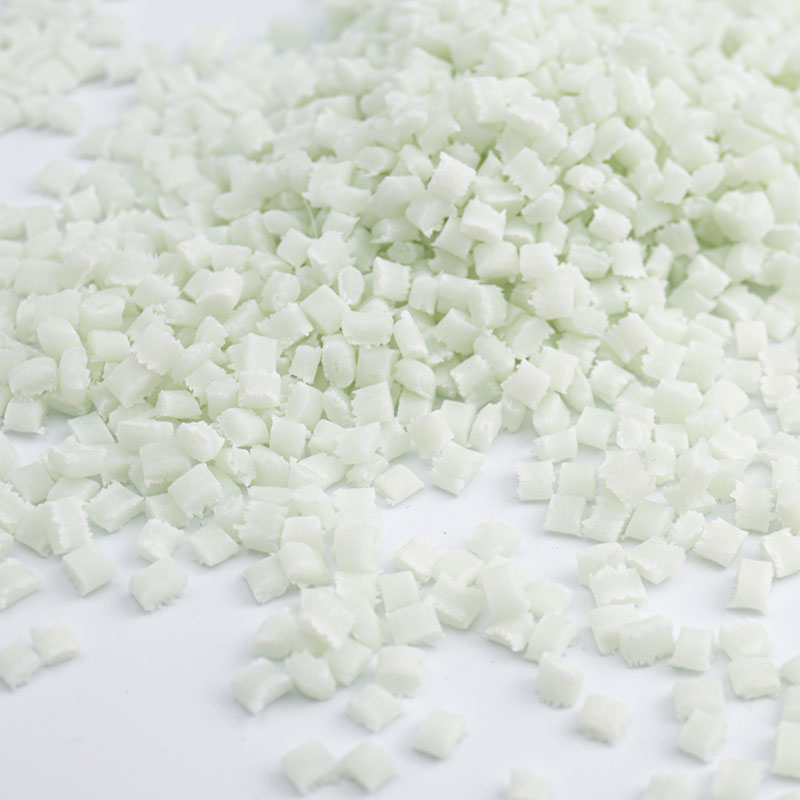
PCR materials are thermoplastics reprocessed from products that have already been used by a consumer and recovered through a collection, deposit or take-back system.
That boundary matters commercially. Resin recovered from factory scrap, sprues and off-spec pellets is pre-consumer recycled material, or PIR, and it usually behaves predictably because the input grade, colour and heat history are known. PCR input is mixed by nature: bottle grades blended with injection grades, labels and adhesives, mineral fillers, and polymers that have already been through several heat cycles. Buyers who treat the two as interchangeable discover the difference during a moulding trial rather than during quotation.
Post-consumer recycled content is the verified share of a finished plastic part that originates from waste generated by end users, traced through a chain-of-custody system rather than estimated from internal production scrap.
| Attribute | PCR | Pre-consumer | Virgin resin |
| Feedstock origin | Products used and discarded by consumers | Factory scrap, sprues, off-spec lots | Newly polymerised feedstock |
| Traceability demand | Third-party verified from collection point | Converter-level records | Not applicable |
| Typical variability | Higher: mixed grades, colours, heat histories | Moderate: single known grade | Lowest: tightly controlled |
| Common standard | Global Recycled Standard (GRS) | GRS or internal audit | Not applicable |
The Measurable Sustainability Case for PCR Content
PCR content reduces the footprint of a plastic part on two fronts at once: it avoids the energy and emissions required to polymerise virgin resin, and it diverts recoverable material away from landfill and incineration.
The savings are large enough to appear in corporate reporting, which is why recycled content targets now sit in procurement documents rather than only in sustainability reports. The European Single-Use Plastics Directive requires PET beverage bottles to contain at least 25 percent recycled plastic from 2025 and 30 percent from 2030. The EU Packaging and Packaging Waste Regulation extends recycled content obligations to a wider set of plastic packaging from 2030, and California's SB 54 sets an average 30 percent recycled content requirement for plastic packaging by 2032.
25% minimum recycled PET in EU beverage bottles from 2025
30% recycled content required in EU beverage bottles from 2030
2032 deadline for California SB 54 average recycled content
Where PCR Quality Goes Wrong, and How Compounding Fixes It
The recycled content percentage is a procurement number. Melt flow consistency is the number that decides whether a moulding line runs at rate, and it decides whether a PCR project survives its first production month.
Recycled streams degrade in predictable ways. Every additional heat history shortens polymer chains, which lowers viscosity and impact strength. Mixed colour feedstock produces shade drift between lots. Moisture absorbed in flakes causes hydrolysis and surface splay. Residual fillers, adhesives and label fragments create gels and cosmetic defects. On unfilled grades these effects are manageable with drying and stabiliser packages, but on glass-fibre reinforced grades the recycled base resin carries the same fibre loading as the virgin equivalent, so any loss in the base polymer appears directly in notched impact.
What recycled feed brings
- Mixed polymer grades and comonomer ratios
- Moisture from washing and storage
- Colour drift between bales and lots
- Residual fillers, adhesives and labels
- Shortened chains from repeated heat cycles
What controlled compounding adds
- Melt filtration and devolatilisation
- Compatibilisers and chain extenders
- Stabiliser and colour-matching packages
- Lot-level melt flow and impact testing
- Fixed fibre loading on reinforced grades
A compounding step will not make recycled resin behave exactly like virgin resin. It can hold a specification window tight enough that the moulder sees a stable process, and that is the realistic promise a PCR programme should be measured against.
Applications Where PCR Materials Already Make Engineering Sense
PCR content is most defensible in durable applications, because the emissions saved during production are not cancelled out by a short replacement cycle.
Water contact and water treatment parts are a natural fit. Drinking water tanks, filter bottles and filter elements, purifier flow plates and outdoor tanks requiring UVC resistance are typically moulded in modified polypropylene, where recycled content can enter the base resin while hygiene and stabilisation requirements are handled in the formulation.
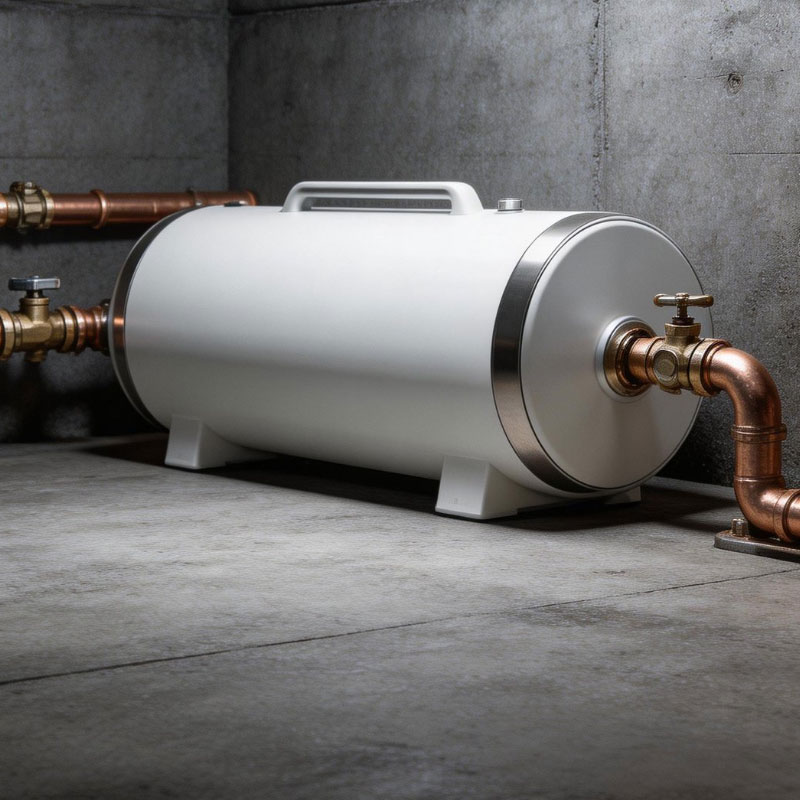 Food-Grade PP Pellets for Drinking Water TanksModified polypropylene grade for drinking water tanks and purification parts, offered as food-grade, BPA-free pellets with FDA and GB 4806 compliance.View Product →
Automotive and industrial parts form the second large category. A PA66 compound with 30 percent glass fibre that is both heat stabilised and hydrolysis resistant can hold its mechanical profile through long exposure to hot coolant, oil or humid air, which is precisely the profile recycled base resin has to match before an automotive customer approves it.
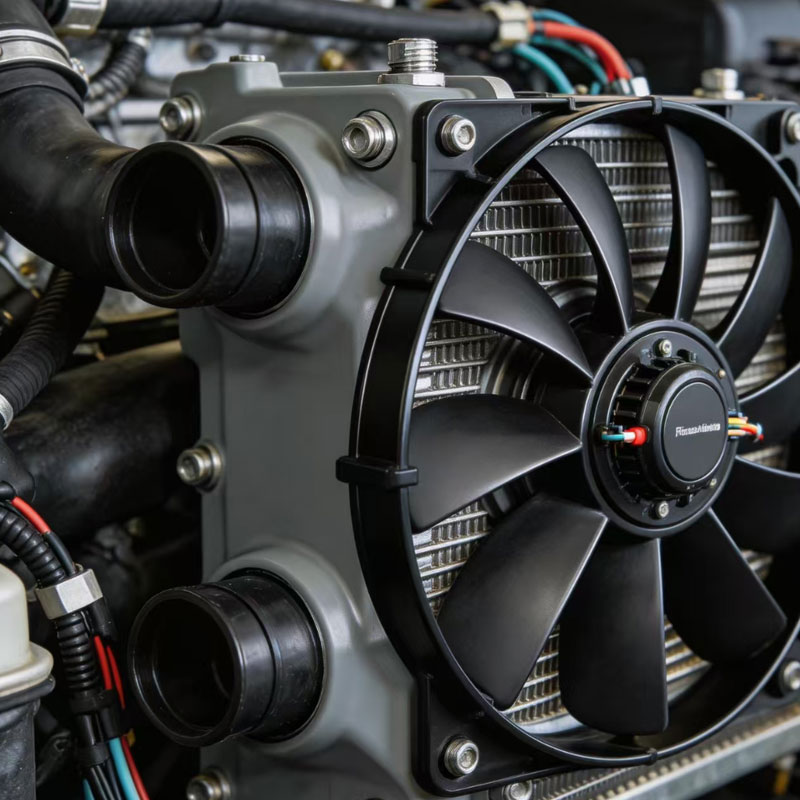 Heat-Stable Hydrolysis-Resistant PA66 GF30 PelletsGlass-fiber reinforced polyamide for automotive and industrial parts needing heat aging, coolant, oil, and hydrolysis resistance in injection-molded components.View Product →
The third category is metal replacement. POM grades formulated for low wear and low volatiles replace machined metal in gears, bearings and sliding parts, reducing part weight and removing corrosion protection steps, and a long in-service life is the strongest argument for the recycled content inside them.
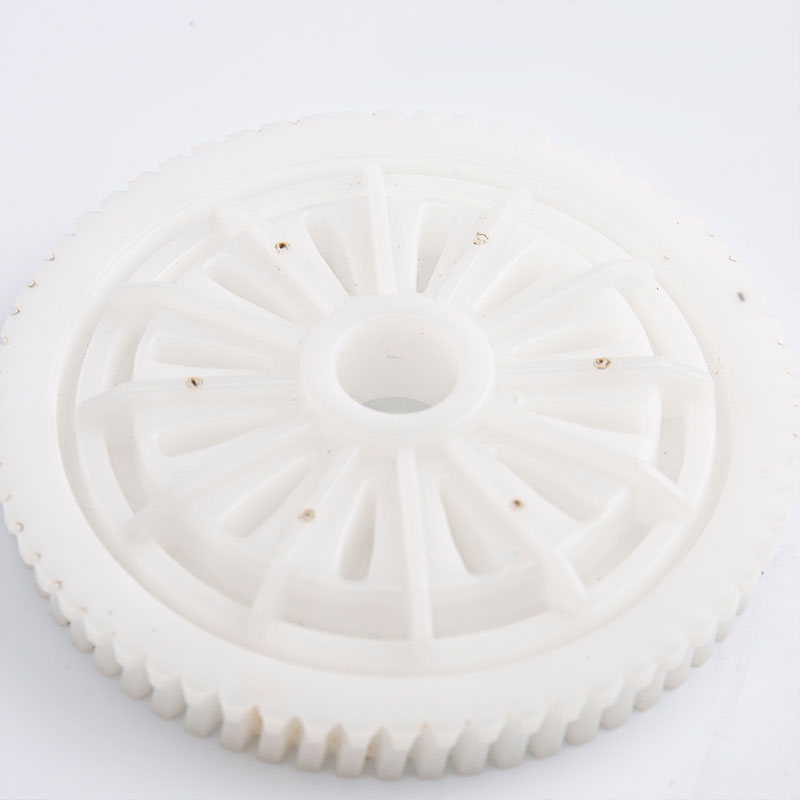 Metal Replacement POM Pellets for Low-Wear PartsModified POM pellets for precision gears, bearings, and sliding components, offering low wear, low volatility, and dimensional stability as a metal substitute.View Product →
Traceability: What a Defensible PCR Claim Has to Include
A recycled content claim is only as strong as the documentation behind it, and buyers should treat the certificate as the beginning of the evidence rather than the whole of it.
The Global Recycled Standard (GRS) is the certification most often requested in consumer and industrial supply chains, because it verifies recycled content through a chain-of-custody model covering the collection point, the recycler and the compounder. It confirms material origin. It does not confirm that the finished compound meets a mechanical specification. Those are two separate questions that need two separate documents.
| Document | What it confirms | What it does not confirm |
| GRS certificate | Verified recycled content and chain of custody | Mechanical performance of the compound |
| IATF 16949 certificate | Automotive-grade quality management system | Recycled content in a specific lot |
| Lot certificate of analysis | Melt flow, density, tensile and impact data for that batch | Long-term ageing or application approvals |
| CQC material certificates | Safety and performance compliance of the grade | Feedstock origin |
How to Qualify a PCR Compound in Five Steps
Qualification follows a fixed sequence, and skipping a step is what produces the field failures that make procurement teams sceptical about recycled content.
- Set the property floor before the content target. Define minimum notched impact, tensile strength and heat deflection values first, then ask what recycled content is achievable inside that window.
- Request three consecutive lots of data. Melt flow rate, density, tensile and impact results across three production batches show whether a supplier controls variability or merely samples it.
- Run a pilot moulding with colour and odour checks. Shade drift and residual odour reach end users first, and both are visible within a few hundred shots.
- Test the application-specific failure modes. Heat ageing, hydrolysis, UV exposure and water contact migration tests matter more than any general datasheet value.
- Write change notification into the agreement. A clause requiring notice before feedstock source, formulation or colour changes protects the validated process.
Choosing a Compounding Partner for Recycled Content
The supplier decision matters more in PCR than in virgin resin, because the added value sits in formulation and process control rather than in the base polymer itself.
Zhejiang Lisu Composite Materials Co., Ltd. is a compounder founded in 2015 and recognised as a national high-tech enterprise and a Zhejiang science and technology innovation enterprise. Its certifications include PCR material certification under GRS, IATF 16949 for automotive quality management and a range of CQC material certificates, and its stated capability covers formulation design, small-scale trials, pilot production and volume manufacturing.
Its portfolio runs from engineering plastics such as PEEK, PPS and modified PPA through modified PA, PP, PBT, PC and POM to general-purpose PMMA, which means one supplier can hold both the recycled-content grade and the virgin benchmark used to validate it.
Three questions separate a capable partner from a trading company: where the recycled feedstock comes from and how it is audited, how melt filtration and lot testing are controlled, and whether the same technical team supports both the trial and the production ramp. Published work on innovation and sustainable development is a useful signal, and the material portfolio from Zhejiang Lisu Composite Materials Co., Ltd. shows the property grades that recycled formulations are normally benchmarked against.
Frequently Asked Questions About PCR Materials
Does PCR content reduce the mechanical performance of a plastic part?
It can, because repeated heat histories shorten polymer chains and lower impact strength. The loss is manageable in unfilled grades with drying, stabilisers and chain extenders, and in glass-fibre reinforced grades the fibre loading is held constant so the base polymer carries the load. A well-controlled PCR compound usually stays inside the same specification window as the virgin grade it replaces, but it will not exceed it.
What is the difference between PCR and recycled content?
Recycled content is the broad category covering any reprocessed material. PCR is the narrower and more demanding subset that comes from products already used by consumers and recovered through a collection system, with third-party chain-of-custody verification. Pre-consumer scrap from a factory is recycled content but it is not PCR.
What recycled content level is realistic for engineering plastics?
For unfilled polyolefin parts with a tolerant colour specification, 30 to 50 percent PCR content is achievable in volume. For glass-fibre reinforced engineering grades with tight impact and colour requirements, 20 to 30 percent is the usual starting point, raised only after lot data and ageing tests support a higher figure.
Is PCR material more expensive than virgin resin?
Often yes, especially for food-contact or high-clarity grades where demand exceeds the supply of clean feedstock. The comparison only makes sense at part level, where reduced weight, metal replacement, avoided disposal costs and compliance with recycled content legislation change the calculation.