 EN
EN English
 中文简体
中文简体 Español
| Typical Injetion Molding Process | |
| Plastie Drying | |
| Drying Time | 2~4h |
| Drying Temperature | 90~120℃ |
| Drying Equipment | Hot-air dryer |
| Drying Type | Continuous drying (production process) |
| Injection Molding Process | |
| Nozzle Section | 280~300℃ |
| Plastics Section | 290~320℃ |
| Conveying Section | 270~290℃ |
| Maximum Injection Temperature | 340℃ |
| Injection Pressure | 40~120MPa |
| Injection Speed | 30~75mm/s |
| Plasticization Pressure Velocity | Pressure: 65–100 MPa; Speed: 60–85 mm/s |
| Plasticization Back Pressure | 10~40MPa |
| Recommended Mold Temperature | 60~~80℃ |
| Product Description | ||||
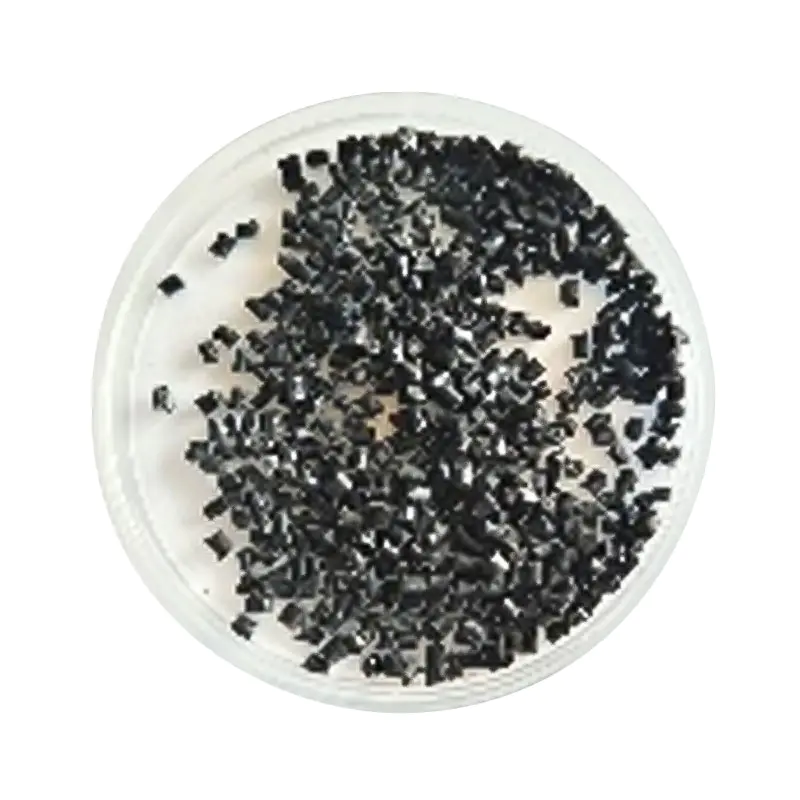
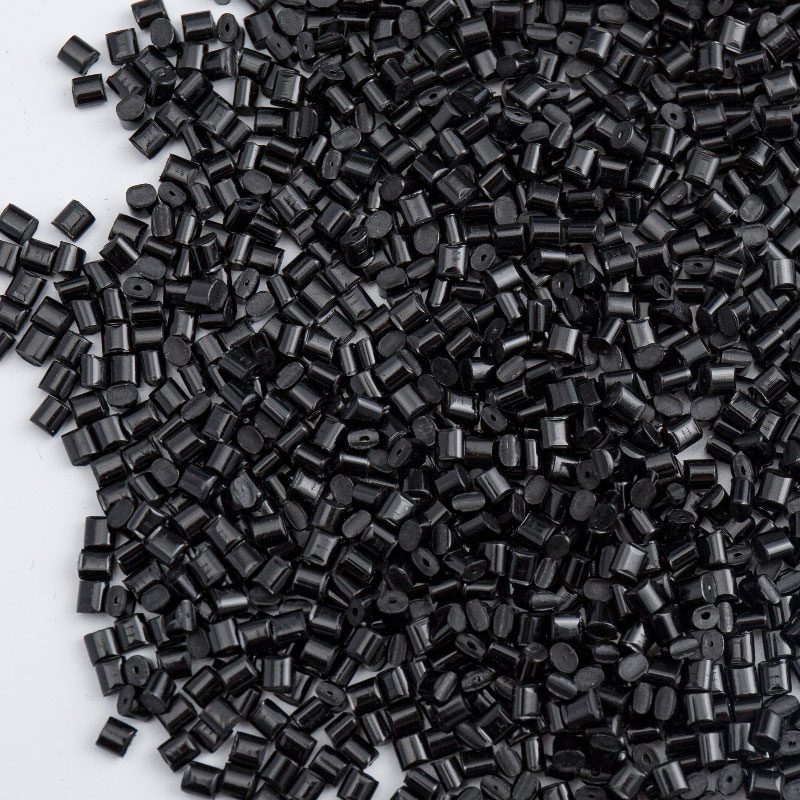
| Resin Identification | Polycarbonate – Injection moulding grade, high-flow, infrared-transparent, UV-resistant | |||
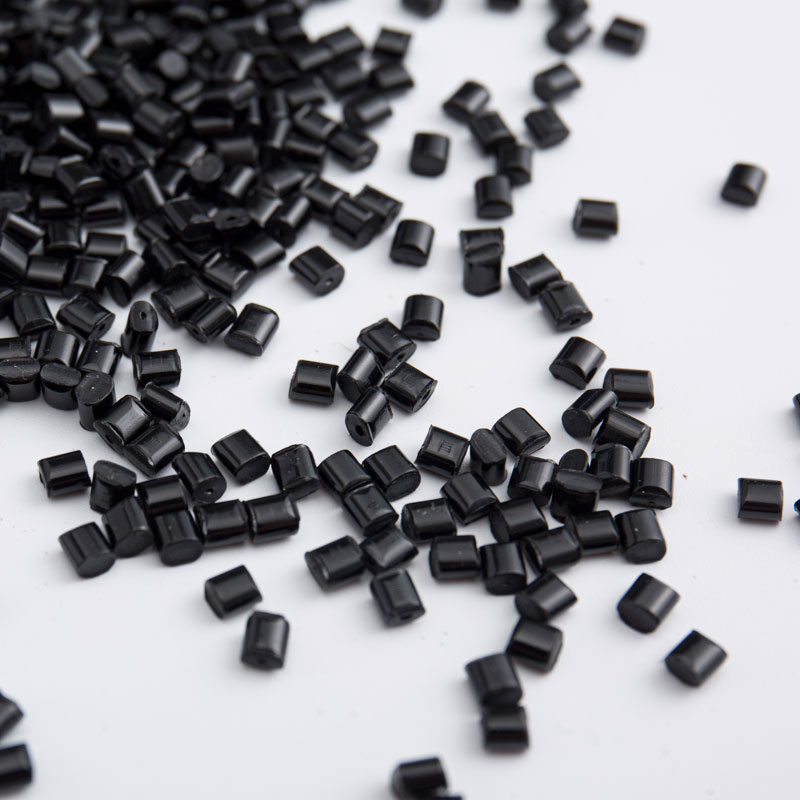
| Color | black | |||
| Main applications | Display components for the automotive sector; security equipment; control components; robotics; remote controls | |||
| Processing Method | Injection Molding | |||
| Typical Properties | Test Method | Test Condition | Value | Unit |
| Physical Properties | ||||
| Density | DIN EN ISO 1183 | 23℃ | 1.2 | g/cm³ |
| Melt flow rate | DIN EN ISO 1133 | 300℃ 1.2kg | 20 | cm³/10min |
| Shrinkage | GB 15585 | 0.5-0.7 | % | |
| Mechanical Properties | ||||
| Tensile Strength | DIN EN ISO 527 | 50mm/min | 70 | MPa |
| Tensile Modulus | 2400 | MPa | ||
| Elongation at Break | 80 | % | ||
| Flexural Strength | DIN EN ISO 178 | 2mm/min | 105 | MPa |
| Flexural Modulus | 2230 | MPa | ||
| Izod Notched Impact Strength | DIN EN ISO 180 | 4mm,23℃ | 68 | KJ/M² |
| Izod Notched Impact Strength | DIN EN ISO 180 | 4mm,-30℃ | 35 | KJ/M² |
| Izod Notched Impact Strength | DIN EN ISO 180 | 4mm,23℃ | NB | KJ/M² |
| Izod Notched Impact Strength | DIN EN ISO 180 | 4mm,-30℃ | 100 | KJ/M² |
| Thermal Performance | ||||
| Heat Deformation Temperature | DIN EN ISO75 | 1.8MPa,unannealed | 128 | C |
| Heat Deformation Temperature | DIN EN ISO75 | 0.45MPa,unannealed | 143 | ℃ |
| Flame retardant properties | ||||
| Flame retardant properties | UL94 | 0.75 | V2 | |
| Flame retardant properties | UL94 | 1.5mm | V2 | |
| Flame retardant properties | UL94 | 3mm | V2 | |
| Optical performance | ||||
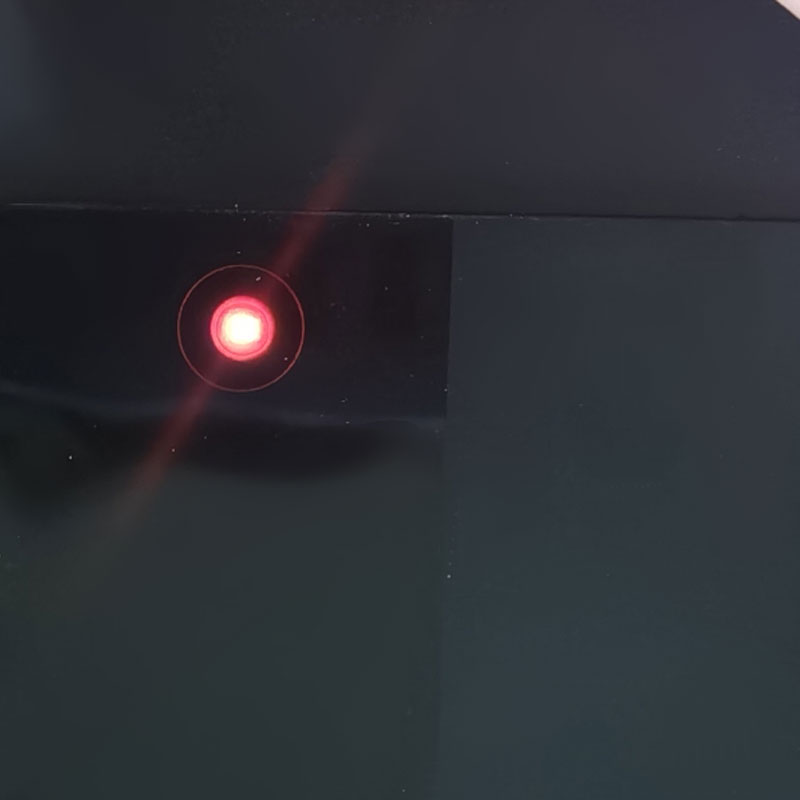
| IR threshold | YA SHIN | 940 | nm | |
| Infrared transmittance | YA SHIN | 1.6mm | 80-90 | % |
| Visible light transmittance | YA SHIN | 1.6mm | ≤5 | % |
| Others | ||||
| Outdoor Suitability | UL-746C | fl | ||
| Surface resistivity | IEC60093 | 1.5mm | 10¹³ | Ω |
Retention of PC’s Fundamental Advantages
High Strength and Impact Resistance: PC is widely recognized as a “bullet-resistant plastic,” with impact strength dozens of times higher than glass and acrylic, providing excellent protection for internal core components.
Wide Temperature Resistance: It maintains stable performance over a broad temperature range, typically from -40°C to 120°C.
Lightweight: With a lower density than glass, it is significantly lighter, making installation and transportation easier.
Good Flame Retardancy: The base PC material can achieve UL94 V-0/V-2 flame-retardant ratings, suitable for applications with high safety requirements.
Excellent Electrical Insulation and Dimensional Stability
Weather Resistance and Durability
The UV-resistant property makes it highly suitable for outdoor environments. It can withstand prolonged exposure to sunlight, significantly slowing down yellowing, chalking, embrittlement, and loss of strength and optical performance, thereby extending product lifespan.
II. Main Applications
Based on the above characteristics, this material is primarily used in applications requiring an “invisible window,” especially in security monitoring, intelligent sensing, and outdoor equipment.
Security and Surveillance (Primary Application)
Infrared Camera Covers (IR-Cut Filter Covers): This is the most typical application. Whether in outdoor dome cameras, bullet cameras, or video doorbells, the housing often uses this material. It allows infrared light emitted by internal 850 nm or 940 nm LEDs to pass through and illuminate the scene, while also enabling reflected infrared light to enter the lens. This ensures clear imaging in low-light or no-light conditions. From the outside, the cover appears black and opaque, providing concealment and privacy protection. Its UV resistance ensures long-term durability under sun and rain exposure.
Sensor Windows
Infrared Sensors (IR Sensors): Used in home appliances (such as air conditioners and TV remote receivers), smart home devices (such as human presence detectors and automatic access control systems), and smoke detectors. The material provides a protective window without interfering with signal transmission.
LiDAR Covers: In applications such as autonomous vehicles, robotics, and drones, LiDAR systems emit and receive laser signals (typically in the near-infrared range). This material serves as a protective cover, meeting requirements for high transmission, weather resistance, and mechanical strength.
Other Optical Sensors: Such as distance sensors and photoelectric switches.
Industrial and Medical Applications
Industrial Infrared Thermometer Windows:Allow infrared thermal signals to pass through for non-contact temperature measurement.
Medical Device Windows:Used in certain medical sensing or treatment equipment requiring infrared transmission.
Outdoor Lighting Equipment
Infrared LED Lighting Housings:Used in infrared floodlights for large-area security monitoring, requiring both high infrared transmission and resistance to harsh outdoor environmental conditions.