 EN
EN English
 中文简体
中文简体 Español
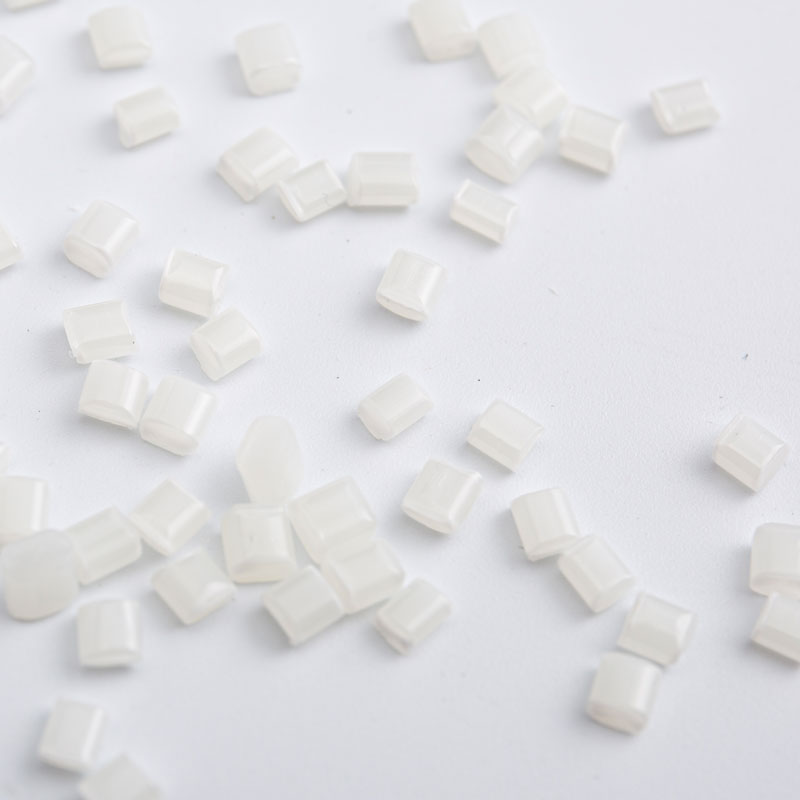
| Typical Injection Molding Process | |
| Plastic Drying | |
| Drying Time | 2~4h |
| Drying Temperature | 60~80℃ |
| Drying Equipment | hot air dryer |
| Drying Type | Continuous drying(production process) |
| Injection Molding Process | |
| Nozzle Section | 240~260℃ |
| Plastics Section | 250~270℃ |
| Conveying Section | 230~250℃ |
| Maximum Injection Temperature | 280℃ |
| Injection Pressure | 40~120MPa |
| Injection Speed | 30~75mm/s |
| Plasticization Pressure Velocity | Pressure: 65–100 MPa; Speed: 60–85 mm/s |
| Plasticization Back Pressure | 10~40MPa |
| Recommended Mold Temperature | 40~70℃ |
| Product Description | ||||
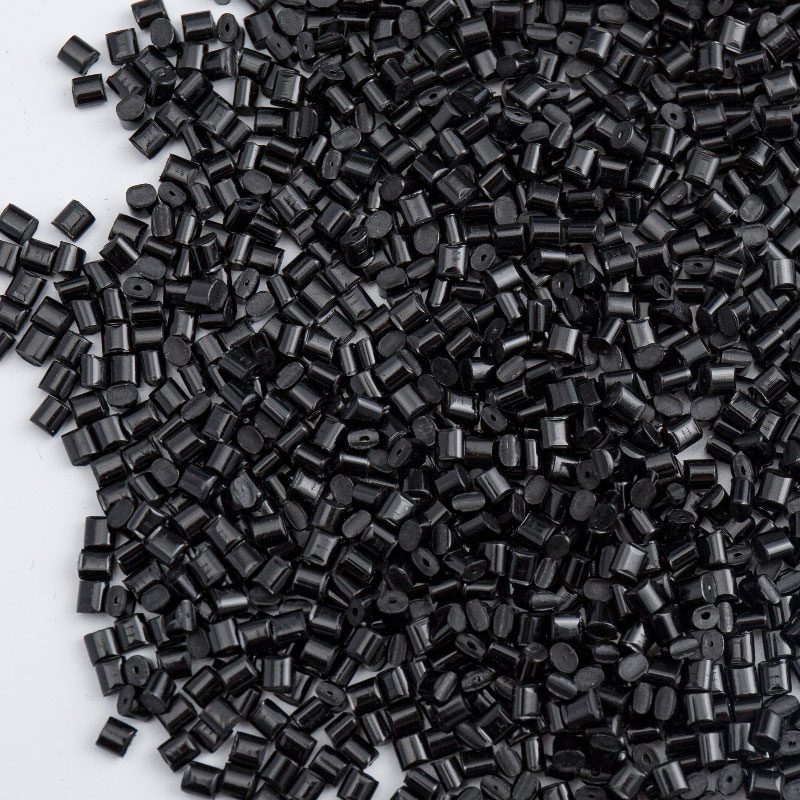
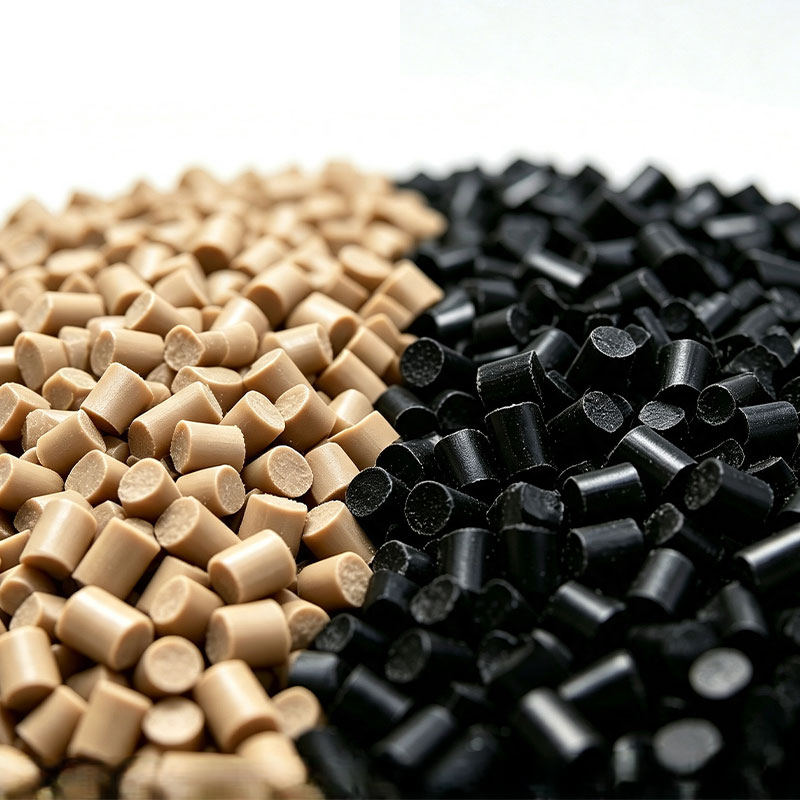
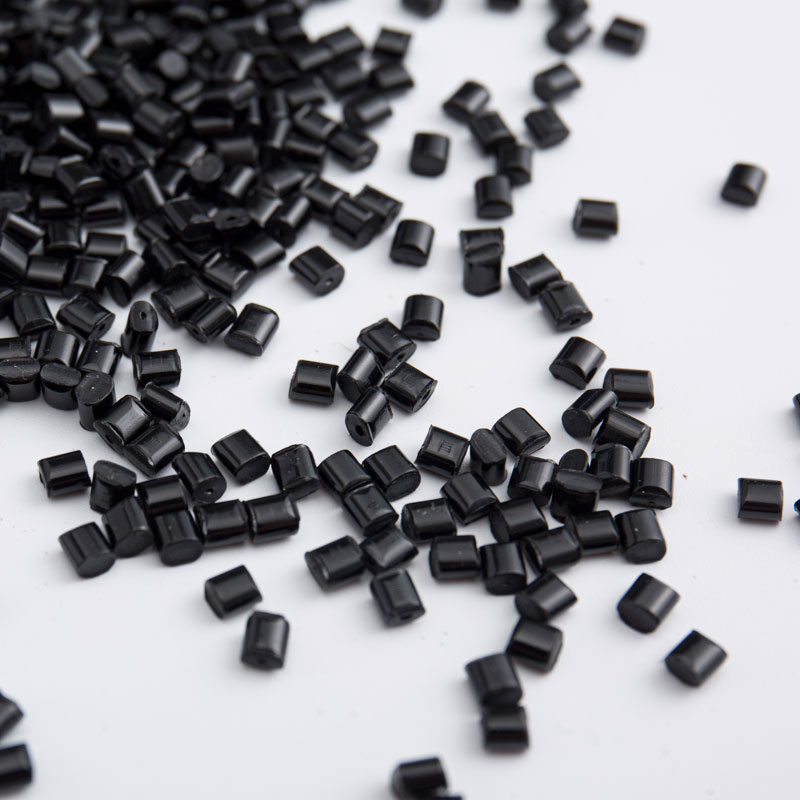
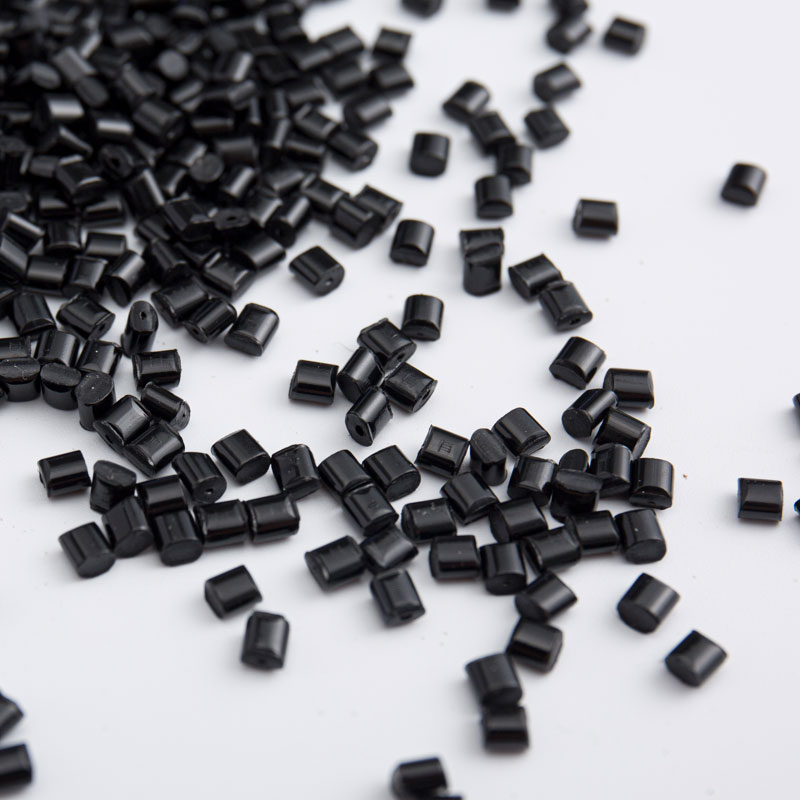
| Resin Identification | High gloss, high rigidity, high impact resistance, heat-resistant grade, easy to spray. |
|||
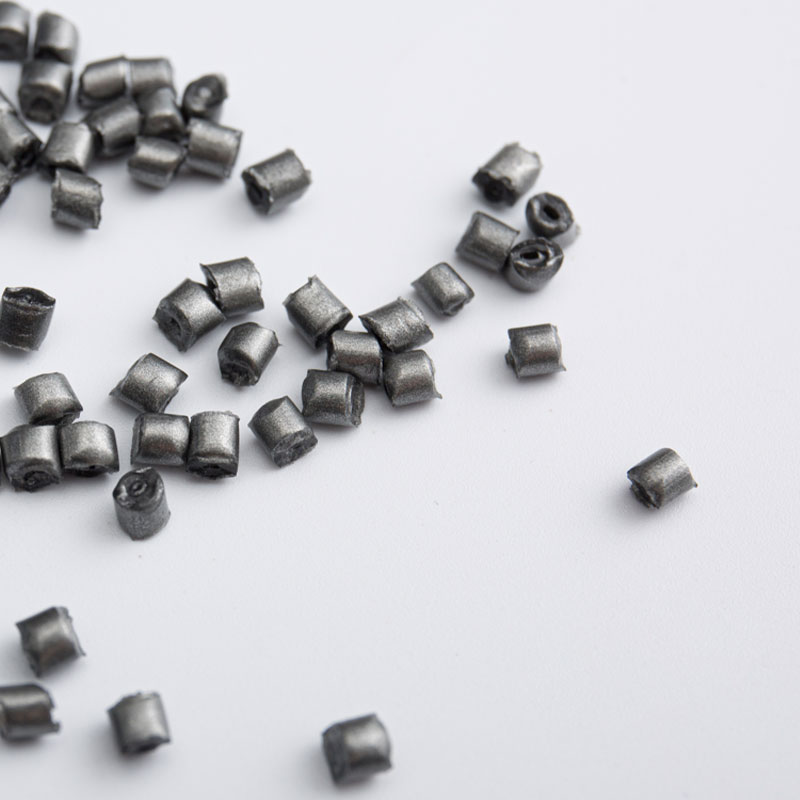
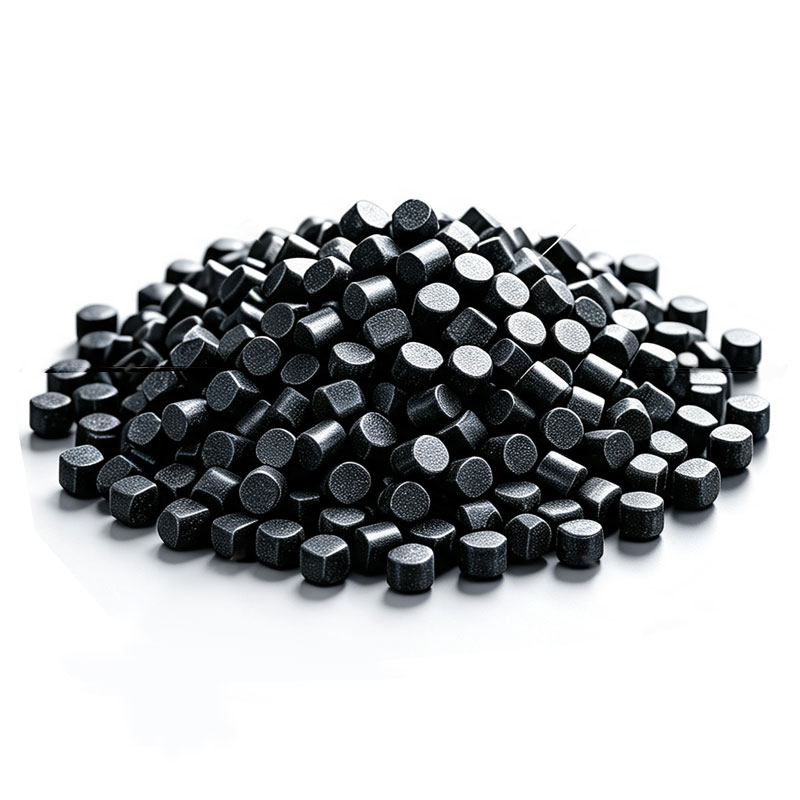
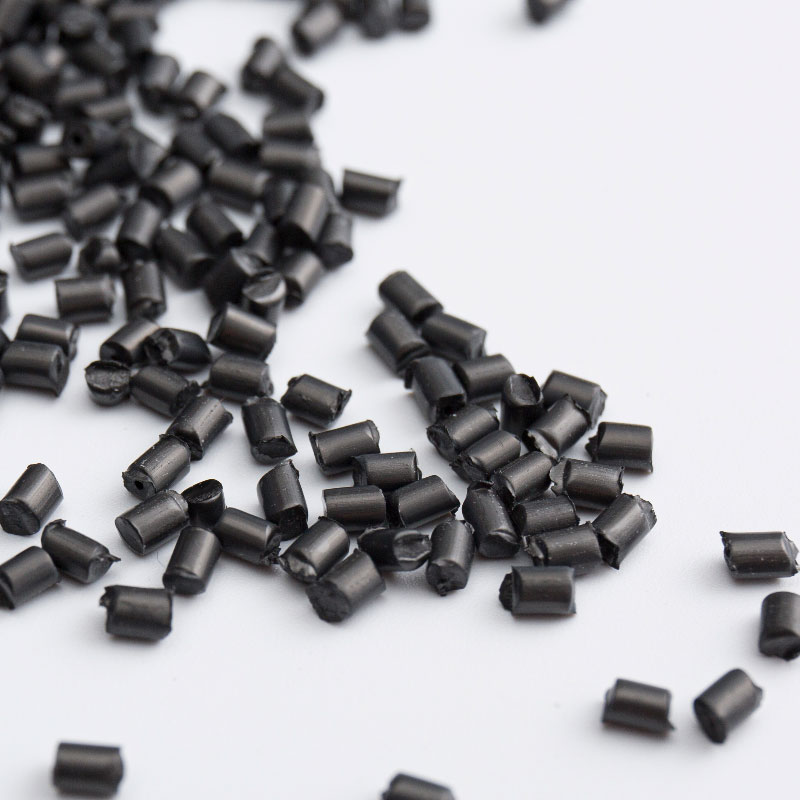
| Color | Natural or typical color | |||
| Main applications | Appliance shells, power tools, electronic components, robot shells, etc. |
|||
| Processing Method | Injection Molding | |||
| Typical Properties | Test Method | Test Condition | Value | Unit |
| Physical Properties | ||||
| Density | DIN EN ISO 1183 | 23℃ | 1.18 | g/cm³ |
| Melt Flow Rate | DIN EN ISO 1133 | 260℃/2.16kg | 20 | g/10min |
| Shrinkage | GB15585 | 0.4—0.6 | % | |
| Mechanical Properties | ||||
| Tensile Strength | DIN EN ISO 527 | 50mm/min | 55 | MPa |
| Tensile Modulus | 2800 | MPa | ||
| Elongation at Break | 70 | % | ||
| Flexural Strength | DIN EN ISO 178 | 2mm/min | 75 | MPa |
| Flexural Modulus | 2200 | MPa | ||
| Izod Notched Impact Strength | DIN EN ISO 179 | 4mm,23℃ | 60 | KJ/M² |
| Thermal Performance | ||||
| Heat Deformation Temperature Not annealed |
DIN EN ISO 75 | 1.8MPa unannealed | 105 | ℃ |
| Heat Deformation Temperature Not annealed |
DIN EN ISO 75 | 0.45MPa unannealed | 120 | ℃ |
| Vicat | ISO 306 | 50℃/hr 10N | 127 | ℃ |
| Flmmability | ||||
| Flame Rating ALL Color | UL94 | 1.5mm | HB | |
| Flame Rating ALL Color | UL94 | 3mm | HB | |
| Others | ||||
| Surface resistivity | IEC60093 | 10¹³ | Ω | |
| Heavy metal content | RosH2.0 | ND | ||
| Rockwell hardness | Astm d785 | R scale | 118 | |
Low-Temperature Properties
Retention of Low-Temperature Toughness
PC/ABS retains high impact strength and toughness even at low temperatures (typically -20°C to -30°C). Compared to pure ABS (which tends to embrittle at low temperatures), the addition of PC significantly enhances the low-temperature brittleness resistance of the blend material. For example, at -30°C, the notched impact strength of PC/ABS can remain at a high level (specific values vary depending on the formulation; certain grades can reach 20-40 kJ/m²).
Glass Transition Temperature (Tg)
PC has a Tg of approximately 145°C, ABS has a Tg of about 105°C, and the Tg of PC/ABS is between these values (typically 110-130°C). While Tg reflects the temperature at which a material transitions from a glassy state to a more rubbery state, the PC/ABS blend shows superior overall performance at low temperatures below Tg compared to the individual components.
Low-Temperature Durability and Anti-Creep
In long-term low-temperature use, PC/ABS demonstrates good dimensional stability and anti-creep performance, making it less likely to deform or crack due to temperature fluctuations.
Modification and Enhancement
The low-temperature performance of PC/ABS can be further optimized by adding toughening agents (such as elastomers) or adjusting the PC/ABS ratio, even meeting the requirements for extreme environments below -40°C.
Major Applications
Automotive Industry
Interior Parts: Dashboard, center console panels, door handles (must withstand low temperatures in cold regions while maintaining tactile properties).
Exterior Parts: Grilles, side mirror housings (low-temperature impact resistance to prevent cracking in winter).
Electrical Components: Connectors, Sensor Housings: Maintain stable insulation at low temperatures.
Electronics:
Consumer Electronics: Mobile phone and laptop shells, chargers (drop-resistant during low-temperature transportation or use).
Outdoor Equipment: Power Tool Housings, LED Lighting: Resistant to cold and impact.
Industrial and Medical Applications:
Industrial Equipment: Cold chain logistics components, freezer equipment parts (long-term use in environments below -20°C).
Medical Equipment: Some low-temperature storage containers (must balance chemical resistance with cold tolerance).
Sports Equipment: Ski equipment, outdoor sports gear components (lightweight and resistant to low-temperature impact).
Limitations
Extreme Low Temperatures: Below -40°C, special modification or the use of more cold-resistant materials (e.g., PPO or specialty engineering plastics) may be required.
Cost: Higher than ABS; a balance between performance requirements and cost needs to be considered.
Industry Standards and Testing
PC/ABS materials must pass low-temperature impact tests (e.g., ISO 179-1) and thermal cycling tests in the automotive industry. For example, some automotive companies require a drop impact test at -30°C after 24 hours of exposure to low temperatures, with no cracking.
PC/ABS, with its balanced low-temperature performance, processability, and mechanical strength, is widely used in automotive, electronics, and outdoor equipment industries. Its cold resistance can be further optimized through formulation adjustments, but for extreme low temperatures or heavy load scenarios, material selection should be evaluated based on specific needs.