 EN
EN English
 中文简体
中文简体 Español
The Core Value of an Optical Grade PMMA Manufacturer
Selecting the right optical grade PMMA manufacturer is the most critical decision for any industry requiring pristine light transmission and structural clarity. The direct conclusion is that a top-tier manufacturer distinguishes itself not merely by producing polymethyl methacrylate, but by mastering the entire continuum of optical purity, consistent batch-to-batch stability, and advanced polymerization techniques. Without this mastery, even the best product designs will suffer from visual distortions, light scattering, or premature degradation. A reliable manufacturer provides far more than raw material; they deliver a guaranteed optical performance baseline that dictates the success of end-user applications across automotive, medical, and consumer electronics sectors.
Understanding Optical Grade PMMA and Its Uniqueness
Polymethyl methacrylate (PMMA), commonly known as acrylic, is a widely used transparent thermoplastic. However, standard PMMA and optical grade PMMA are separated by a vast manufacturing chasm. Optical grade PMMA is engineered specifically for applications where light must pass through the material with minimal interference, absorption, or scattering. While standard PMMA might offer a light transmission rate of around 90%, optical grade variants push this boundary to roughly 92% or even higher, closely rivaling the optical clarity of glass while maintaining a fraction of the weight.
The uniqueness of optical grade PMMA lies in its molecular structure and the rigorous exclusion of impurities. During the polymerization process, any microscopic contaminant, unreacted monomer, or fluctuation in temperature can create refractive index inconsistencies. These inconsistencies manifest as haze, yellowing, or internal stress that distorts light. Therefore, the material is defined by its low birefringence, high ultraviolet (UV) resistance, and exceptional surface gloss. These properties make it indispensable for precision optics where even the slightest visual aberration is unacceptable.
Key Characteristics That Define a Premium Manufacturer
Not all manufacturers possess the infrastructure or technical expertise to produce optical grade PMMA consistently. Evaluating a manufacturer requires looking far beyond their product catalog to assess their core operational capabilities.
Advanced Polymerization Capabilities
The foundation of optical grade PMMA is the polymerization process. Premium manufacturers utilize proprietary bulk or suspension polymerization methods within tightly controlled environments. Maintaining precise control over the reaction vessel temperature and mixing speed is essential, as even a minor temperature spike can alter the polymer chain length, leading to inconsistent melt flow rates and optical defects. A leading manufacturer invests heavily in continuous polymerization technology, which ensures a steady, uniform product stream rather than the batch-to-batch variations common in smaller operations.
Stringent Cleanroom and Filtration Standards
Because optical clarity is destroyed by even microscopic particulates, the manufacturing environment is paramount. A reputable optical grade PMMA manufacturer will conduct final polymer handling, pelletizing, and packaging within high-standard cleanroom facilities. Furthermore, they employ multi-stage micro-filtration systems to remove any undissolved additives or external dust before the material is formed into pellets. This guarantees that the end user receives a polymer free of inclusions that could cause light scattering or structural weak points.
Comprehensive Optical Testing Methodologies
Quality assurance separates average producers from elite ones. A premium manufacturer integrates continuous optical testing into their production line. This involves using advanced spectrophotometers to measure light transmission and haze, and birefringence mapping to detect internal stresses. Manufacturers must provide detailed Certificates of Analysis (CoA) with every shipment, documenting metrics such as yellowness index, refractive index, and Abbe number, ensuring total transparency and traceability for the client.
Critical Production Processes for Optical Clarity
The journey from raw monomer to optical grade pellet involves several strictly managed phases. Understanding these processes helps buyers appreciate the value added by a specialized manufacturer.
Monomer Purification
Before polymerization even begins, the methyl methacrylate (MMA) monomer must be rigorously purified. Any water, inhibitors, or residual acids in the monomer will inevitably lead to hazy or brittle final products. Manufacturers utilize fractional distillation columns to strip the monomer of all volatile impurities, creating a pristine baseline for the chemical reaction.
Precision Additive Blending
While the PMMA matrix must be pure, specific additives are required to enhance performance. UV stabilizers are crucial to prevent the acrylic from yellowing under prolonged sunlight exposure. Release agents may be added to facilitate injection molding. The hallmark of a great manufacturer is their ability to disperse these additives evenly at the molecular level. Poor dispersion leads to localized concentrations of additives, which act as light-scattering centers, severely degrading the optical quality of the material.
Extrusion and Pelletization
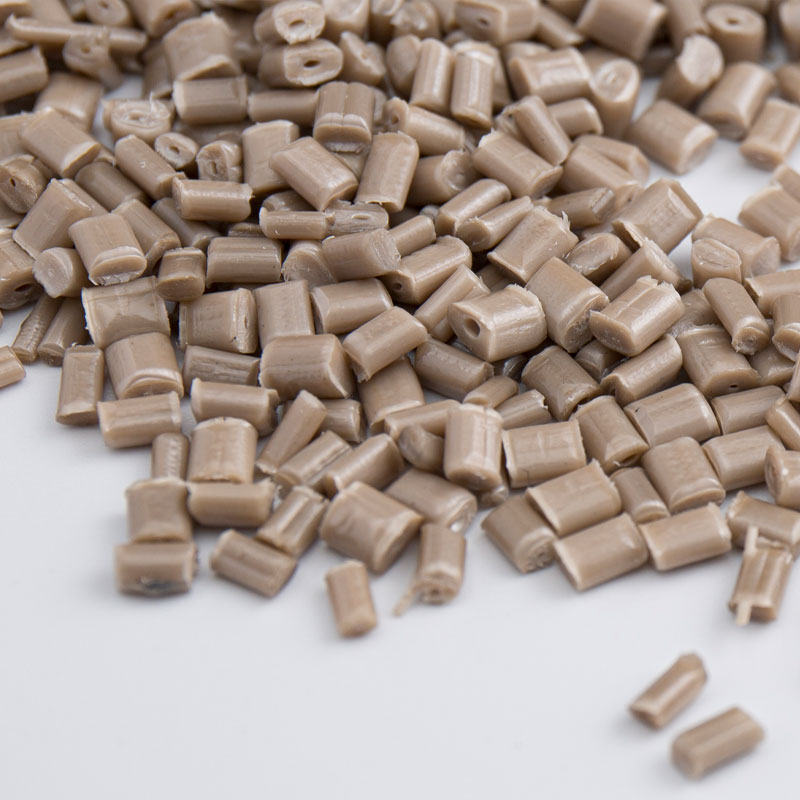
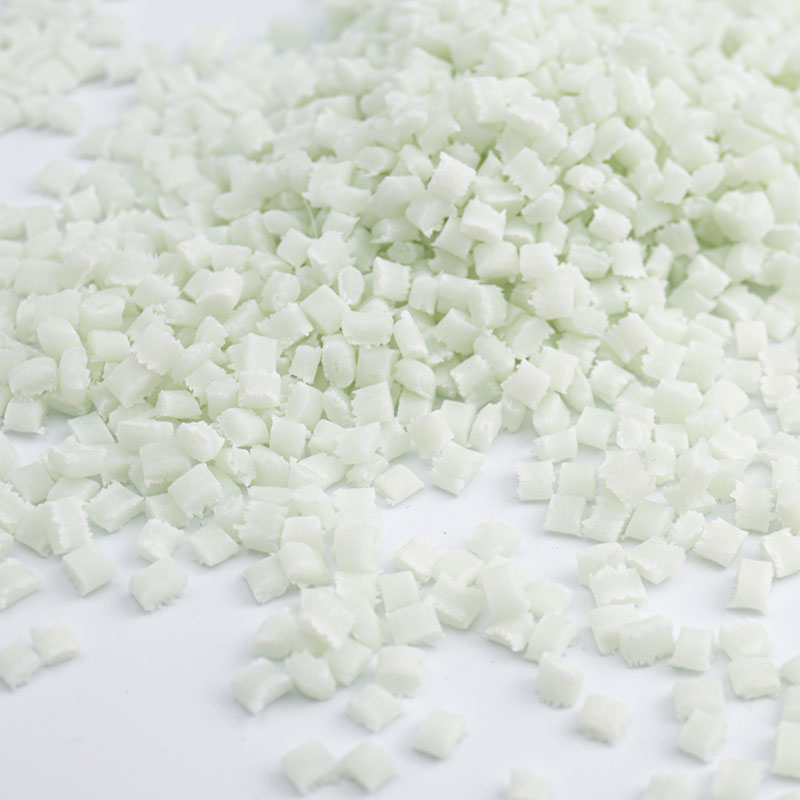
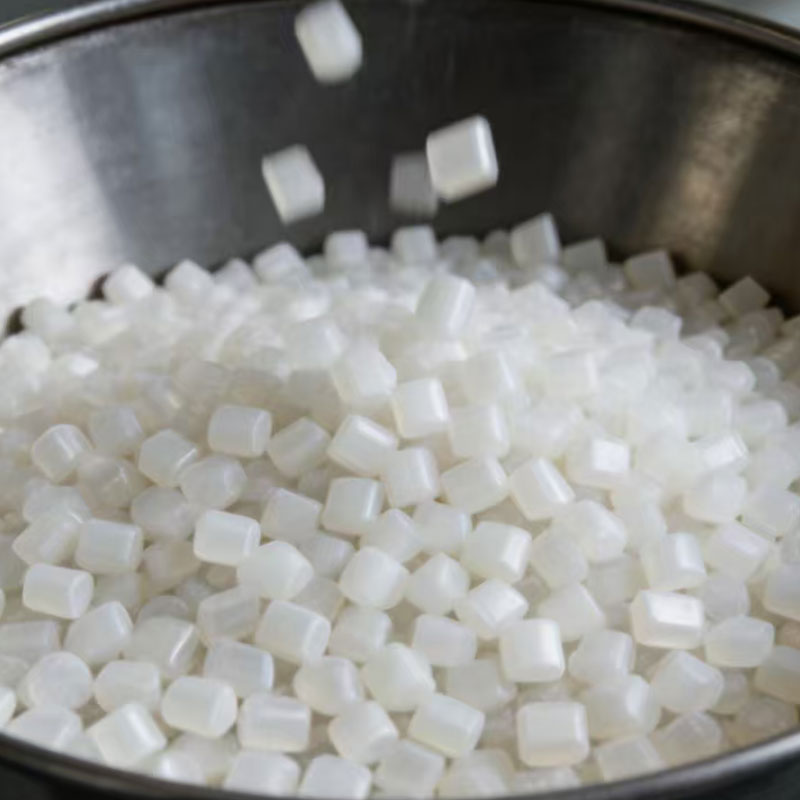
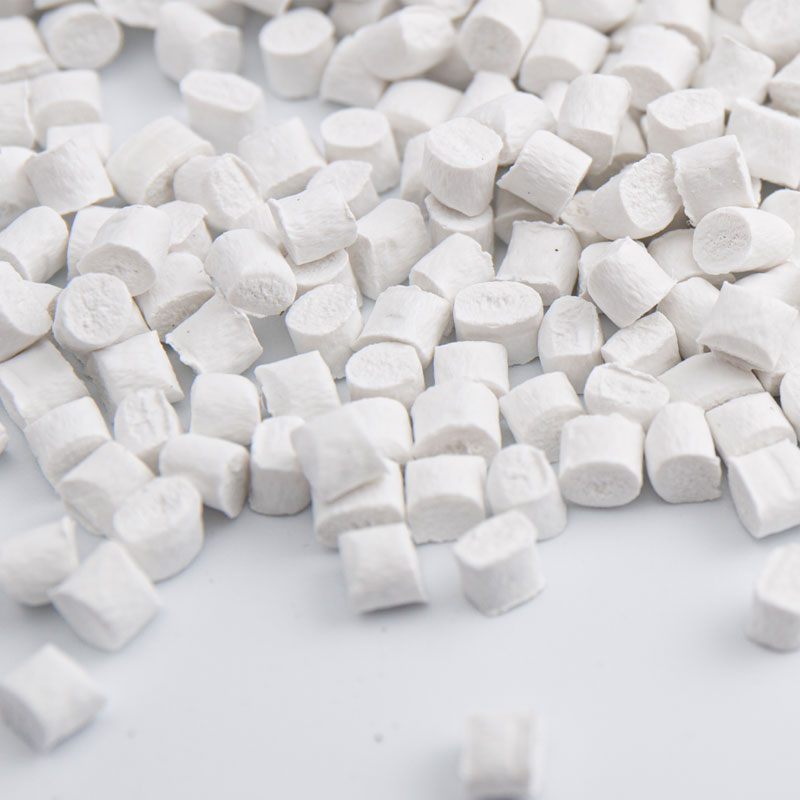
Once polymerized, the melt is extruded and cut into uniform pellets. Consistency in pellet size and shape is surprisingly vital for the end user. Inconsistent pellets can cause feeding issues in injection molding machines, leading to uneven melting, pressure fluctuations, and ultimately, optical defects in the molded lens or display. Premium manufacturers use underwater pelletizing systems to achieve perfectly spherical, uniform pellets that flow consistently.
Major Industry Applications Driven by Quality
The demanding requirements of modern technology heavily rely on the capabilities of optical grade PMMA manufacturers. The material's unique combination of clarity, weatherability, and impact resistance makes it the default choice for several high-growth sectors.
Automotive Lighting Systems
Modern automotive headlights are no longer simple reflectors; they are complex projection systems often utilizing LED and laser technology. These systems generate significant heat and require materials that can endure prolonged thermal cycling without yellowing or losing transparency. Optical grade PMMA is the standard for both the outer lens and the internal light guides. The material's high refractive index allows engineers to design thinner, lighter light guides that distribute light evenly across the vehicle's exterior, a feat impossible with lower-grade acrylics.
Consumer Electronics Displays
In smartphones, tablets, and televisions, screen clarity is paramount. Optical grade PMMA is extensively used as the light guide plate (LGP) in LCD backlights. The LGP must take light from edge-lit LEDs and distribute it perfectly evenly across the entire display. Microscopic dots or grooves are printed or etched onto the PMMA surface to achieve this. If the PMMA contains impurities, these features will not form correctly, resulting in bright spots or dark zones on the screen. Additionally, PMMA is increasingly used as a hard-coated cover lens for touch screens, offering superior scratch resistance compared to polycarbonate.
Medical and Optical Devices
The medical field relies on materials that are not only clear but also biocompatible and easily sterilized. Optical grade PMMA is used in intraocular lenses, microfluidic diagnostic chips, and surgical lighting. In these applications, optical distortion is not merely a cosmetic defect; it can lead to misdiagnosis or surgical errors. Therefore, medical device manufacturers mandate the absolute highest tier of optical purity and traceability from their PMMA suppliers.
Comparing Optical Grade PMMA with Other Transparent Materials
To fully understand the value proposition of optical grade PMMA, it is helpful to compare it against other common transparent plastics used in manufacturing. Each material has its own trade-offs regarding clarity, durability, and processing.
| Material Type | Light Transmission | Impact Resistance | UV Stability |
|---|---|---|---|
| Optical Grade PMMA | Very High | Moderate | Excellent |
| Polycarbonate (PC) | High | Very High | Poor (requires coating) |
| General Purpose Polystyrene | Moderate | Low | Poor |
As the table illustrates, while Polycarbonate offers superior impact resistance, it inherently yellows under UV exposure unless treated with specialized coatings, and its light transmission does not match that of optical grade PMMA. General Purpose Polystyrene is cost-effective but lacks both the clarity and the durability required for demanding optical applications. PMMA remains the balanced choice for pure optical performance and environmental stability.
Essential Quality Assurance Parameters
When sourcing from an optical grade PMMA manufacturer, buyers must verify specific technical parameters to ensure the material will perform adequately in their production environment. These parameters serve as the critical benchmarks for quality assurance.
- Haze Index: This measures the percentage of light that is scattered by the material. For true optical grade PMMA, the haze must be kept to an absolute minimum, typically under a very strict threshold, to ensure crystal-clear vision.
- Yellowness Index (YI): YI quantifies the degree to which the polymer deviates from colorless white light. Lower YI values are strictly required for display and lighting applications to prevent color distortion.
- Birefringence: Also known as double refraction, this occurs when internal stresses cause the material to refract light in two different directions. Low birefringence is non-negotiable for precision lenses and light guides, as it prevents visual ghosting or blurring.
- Melt Flow Index (MFI): While not strictly an optical property, MFI indicates how the polymer flows when melted. A consistent MFI is vital for manufacturers to achieve defect-free injection molding, ensuring that the optical clarity designed into the part is actually realized in production.
Strategic Selection Criteria for Sourcing Partners
Choosing an optical grade PMMA manufacturer is a long-term strategic decision. A failure in raw material quality can halt entire production lines and lead to massive financial losses. Therefore, the selection process must be rigorous and multifaceted.
Technical Support and Custom Formulation
A premium manufacturer does more than sell standard pellets; they act as a development partner. Injection molding optical parts is highly complex, involving nuanced temperature profiles and mold designs. The manufacturer should offer deep technical support to help optimize processing parameters. Furthermore, they should possess the capability to create custom formulations, such as adjusting the refractive index or integrating specific diffusers for specialized lighting applications.
Supply Chain Consistency and Scalability
In global manufacturing, supply chain disruptions are a major risk. Evaluating a manufacturer's raw material sourcing strategies and their production capacity is crucial. The ideal manufacturing partner must demonstrate the ability to scale production rapidly without compromising their stringent quality control standards. A facility that produces exceptional small batches but cannot meet increased demand is a liability for a growing enterprise.
Sustainability and Environmental Compliance
Modern industries are increasingly focused on the environmental impact of their materials. Forward-thinking optical grade PMMA manufacturers are investing in greener polymerization processes, reducing volatile organic compound (VOC) emissions, and developing recycled or bio-based PMMA grades that maintain optical purity. Ensuring that a supplier complies with international environmental regulations and Restriction of Hazardous Substances (RoHS) directives is now a fundamental baseline requirement.