 EN
EN English
 中文简体
中文简体 Español
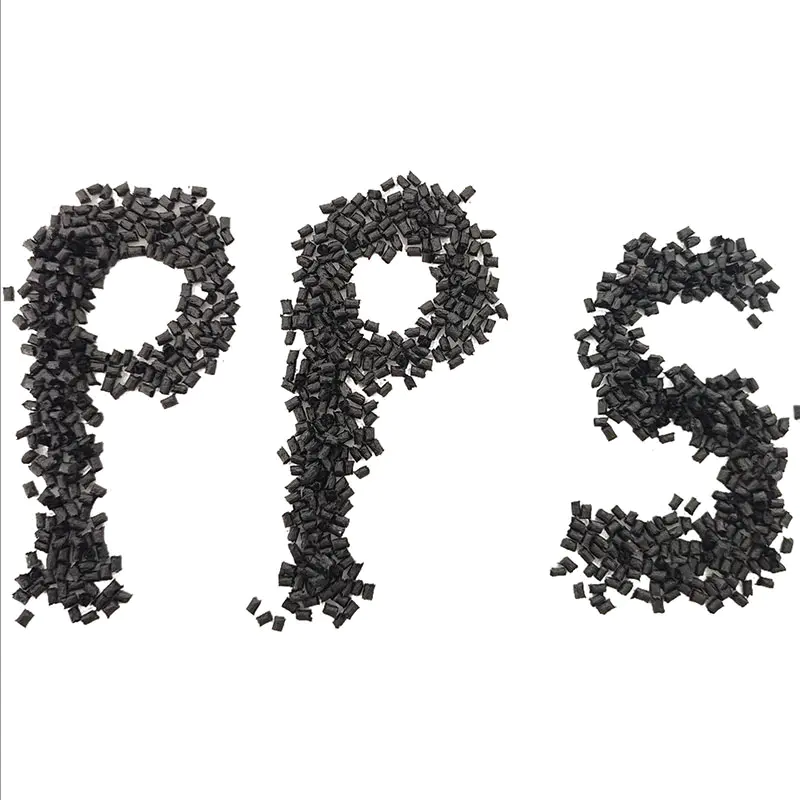
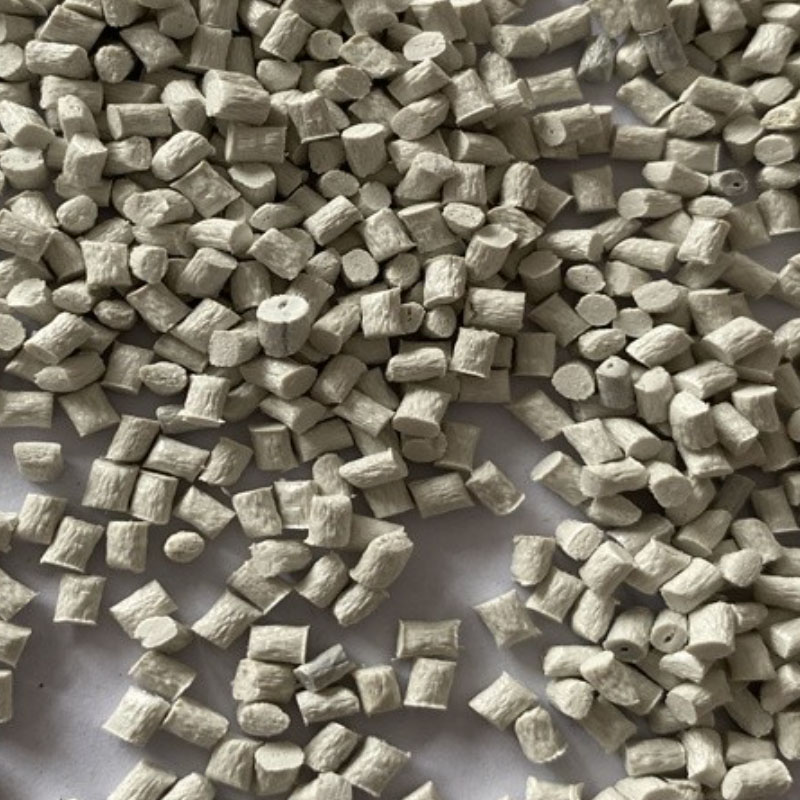
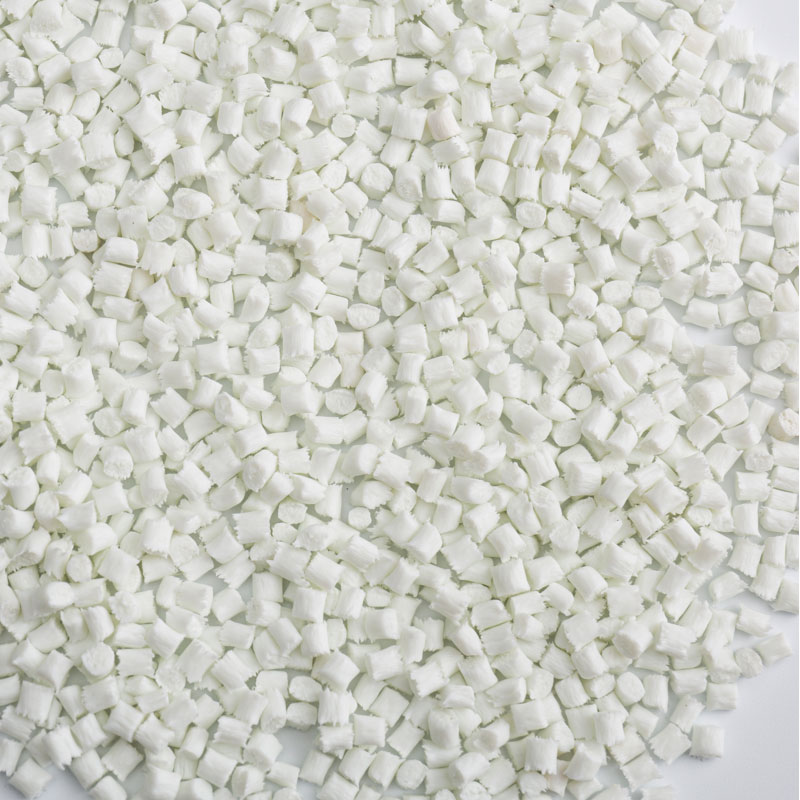
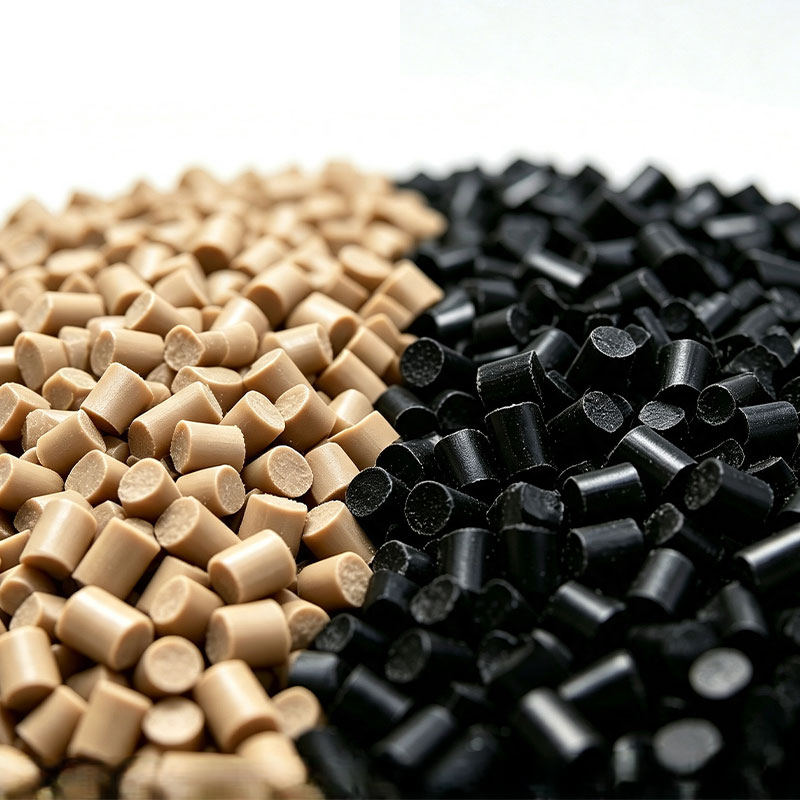


The global composite materials market is projected to expand from USD 98.6 billion in 2024 to roughly USD 164 billion by 2030, a compound annual growth rate of about 8.9 percent. For design engineers, sourcing managers...
READ MORE +
About Us
Zhejiang Lisu Composite Materials Co., Ltd
Zhejiang Lisu Composite Materials Co., Ltd, founded in 2015, is a national high-tech enterprise and a Zhejiang Science and Technology Innovation Enterprise. We are China PPS Plastic, PPS Resin Suppliers and OEM/ODM PPS Plastic, PPS Resin Company. We specialize in the R&D, production, sales, and service of high-performance new materials, committed to providing innovative material solutions for a safer, more comfortable, and convenient human life. The company possesses comprehensive experimental testing capabilities and has successively obtained certifications such as PCR material certification (GRS), IATF16949 quality management system certification, and various material CQC certificates, ensuring product quality and compliance. We are dedicated to providing safe, comfortable, and convenient innovative material solutions for various industries, helping customers enhance the value of their products. Driven by technological innovation to promote sustainable development, we are steadfast practitioners in building an environmentally friendly society. We strive to contribute to the harmonious coexistence of humanity and nature, working together for a greener future.
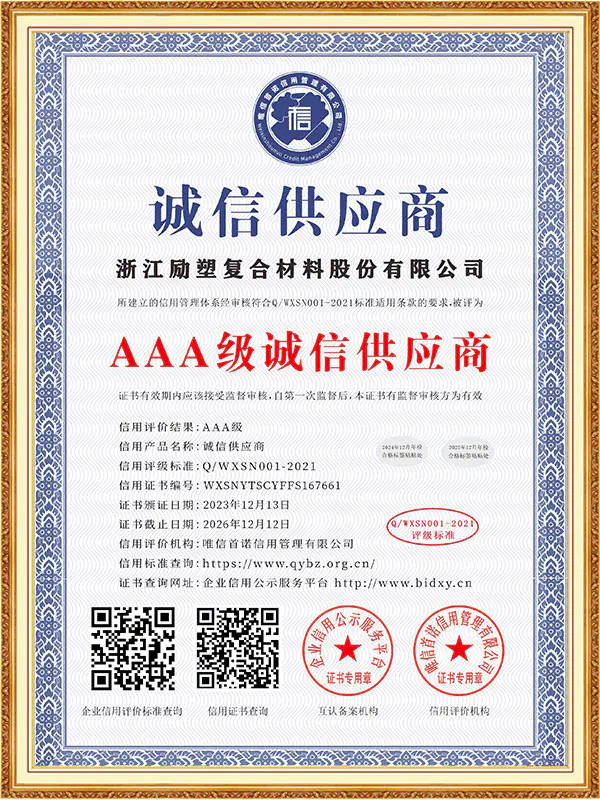
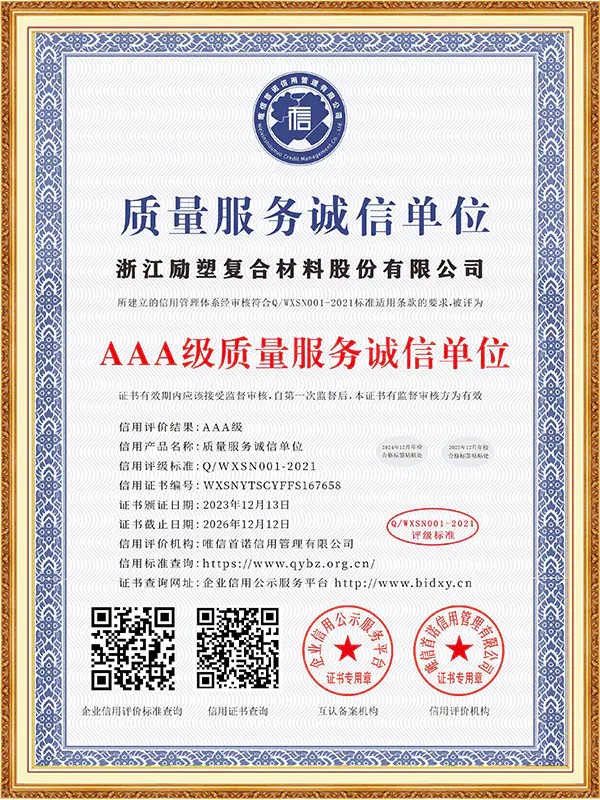
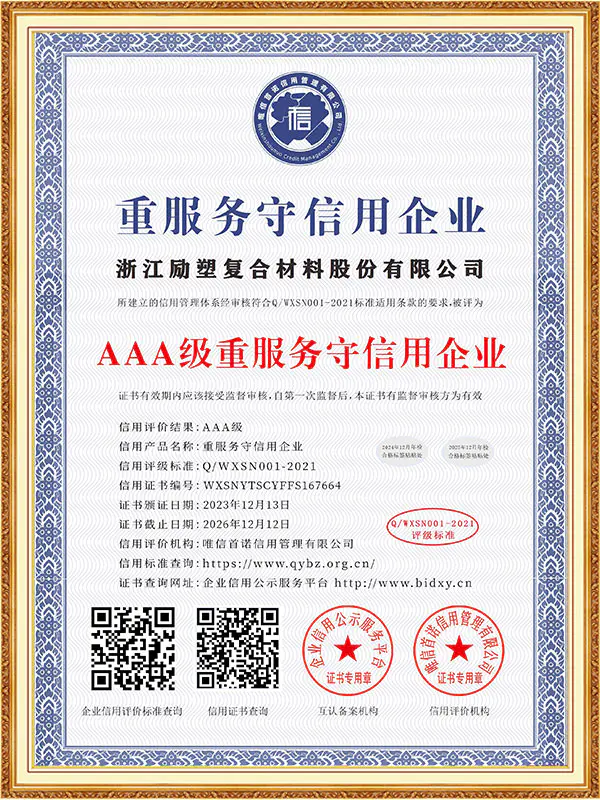
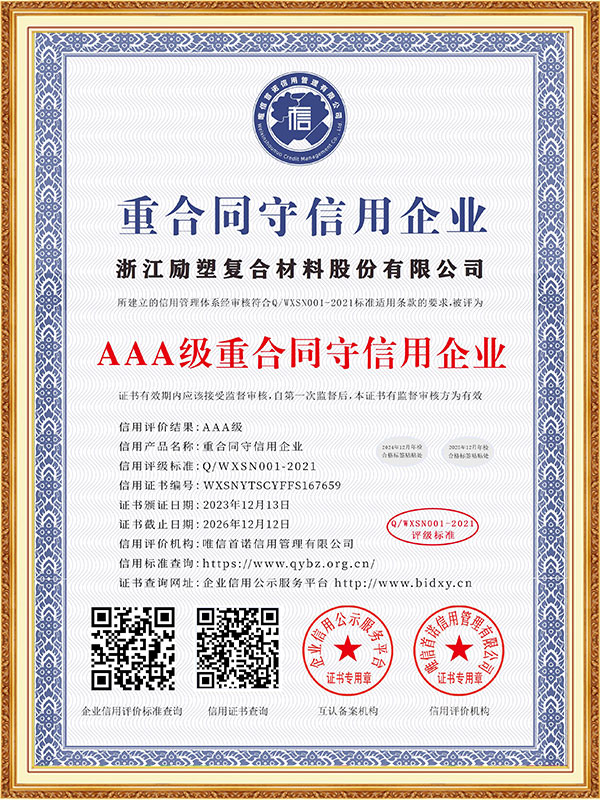
Certificate of Honor
Latest News
-
-
A thirty percent recycled content target takes one line to write into a part specification. Meeting it in a glass-fibre reinforced PA66 bracket that still has to pass a 1,000-hour heat ageing test takes a different kin...
READ MORE + -
Switching a water-pump impeller from aluminum to carbon-fiber-reinforced PEEK cut unit weight by 62 percent and stretched service life past 20,000 hours, yet the identical compound failed within weeks when a caustic wa...
READ MORE + -
Global polymer demand now exceeds 400 million metric tons per year, yet recycled feedstock still supplies less than 10 percent of that volume. That gap defines the tension in new material technology: manufacturers need...
READ MORE +
Message Feedback
PPS Plastic Industry knowledge
PPS Plastic & PPS Resin: A Comprehensive Industry Knowledge Guide
Polyphenylene Sulfide (PPS) is a high-performance engineering thermoplastic known for its exceptional thermal stability, chemical resistance, and dimensional accuracy. As industries demand lighter, stronger, and more durable materials, PPS has become a critical enabler in automotive, electronics, and industrial applications. This guide explores the technical parameters, quality standards, sustainable innovations, and application solutions provided by specialized manufacturers like Zhejiang Lisu Composite Materials Co., Ltd.
1. Core Properties and Technical Parameters of High-Performance PPS
PPS (Polyphenylene Sulfide) is distinguished by a unique combination of physical and chemical properties that make it suitable for demanding environments.
Key Performance Indicators:
- Thermal Stability: Long-term service temperature of 200-240°C, with a heat deflection temperature (HDT) exceeding 260°C under load.
- Chemical Resistance: Inert to a wide range of solvents, acids, and alkalis, with no known solvent below 200°C.
- Mechanical Strength: High tensile strength (typically 65-85 MPa for unreinforced grades) and high flexural modulus (up to 12 GPa for glass-reinforced grades).
- Flame Retardancy: Inherently V-0 rated (UL94) without the addition of halogenated flame retardants.
- Dimensional Stability: Low moisture absorption (<0.05%) and low coefficient of linear thermal expansion.
Zhejiang Lisu Composite Materials Co., Ltd leverages its comprehensive experimental testing capabilities to precisely control these parameters during R&D and production, ensuring consistent, high-quality PPS resins that meet rigorous customer specifications.
2. How IATF 16949 Certification Ensures Automotive-Grade PPS Quality
The automotive industry demands zero-defect quality and supply chain reliability, especially for under-the-hood components and electronic systems. IATF 16949 is the global technical standard for automotive quality management systems.
Impact on PPS Production:
- Defect Prevention: Mandates rigorous process control (e.g., Statistical Process Control) during compounding to minimize variability in filler distribution and molecular weight.
- Supply Chain Robustness: Requires stringent management of subcontractors and raw material suppliers, ensuring traceability from resin synthesis to finished pellet.
- Continuous Improvement: Drives ongoing optimization of production parameters to enhance key properties like long-term heat aging performance for critical engine sensors and connectors.
As a holder of IATF 16949 certification, Zhejiang Lisu Composite Materials Co., Ltd demonstrates its commitment to this highest automotive standard. This certification provides confidence to tier-1 suppliers and OEMs that the PPS materials used in their vehicles meet global expectations for safety, reliability, and consistency.
3. CQC Certification: Validating PPS Safety and Compliance in Electronics
In the electrical and electronics (E&E) sector, material safety is paramount. The China Quality Certification (CQC) mark is a mandatory or widely recognized safety certification for many electronic components sold in the Chinese market.
Key E&E Properties Validated by CQC:
- Comparative Tracking Index (CTI): PPS typically exhibits a high CTI (175-600V), making it suitable for miniaturized connectors with fine pitch terminals where creepage distance is minimal. CQC certification verifies this performance.
- Glow Wire Ignition Temperature (GWIT): Confirms the material's resistance to ignition from electrically overloaded components, a critical safety parameter for household appliances and power distribution units.
- Flammability (UL94): While UL is a separate standard, CQC certification often references or aligns with these tests to ensure the material self-extinguishes and does not propagate flames.
Zhejiang Lisu Composite Materials Co., Ltd has obtained various material CQC certificates. This pre-validates its PPS compounds for E&E applications, simplifying the customer's product safety approval process and accelerating time-to-market for compliant and safe electronic devices.
Summary of PPS Grades and Certifications at Zhejiang Lisu
| Material Aspect | Typical Parameter / Feature | Relevant Zhejiang Lisu Certification |
|---|---|---|
| Thermal Stability | HDT > 260°C; Continuous Use 200-240°C | ISO 9001 / IATF 16949 (Quality Management) |
| Flame Retardancy | UL94 V-0 (inherent) | |
| Automotive Quality | Process control, defect prevention | |
| Electrical Safety | High CTI, GWIT compliance | CQC Certificates |
| Sustainability | Recycled content availability | PCR Material Certification (GRS) |
4. Green Innovation: The Role of PCR Certification in Sustainable PPS Solutions
As global industries commit to circular economy principles, the demand for sustainable materials is surging. Post-Consumer Recycled (PCR) content, certified under standards like the Global Recycled Standard (GRS), is a key component of this transition.
PCR PPS: Performance and Circularity:
- Material Sourcing: PCR PPS is derived from recycled industrial waste or post-consumer PPS products, which are processed, purified, and re-compounded.
- Property Retention: Advanced compounding technologies allow PCR PPS grades to retain mechanical and thermal properties close to virgin resin, making them suitable for many non-critical or even semi-structural applications.
- ESG Impact: Using PCR-certified PPS helps manufacturers reduce their carbon footprint (Scope 3 emissions) and meet corporate sustainability targets, particularly in the automotive and consumer electronics sectors.
Zhejiang Lisu Composite Materials Co., Ltd is a "steadfast practitioner in building an environmentally friendly society." By securing PCR material certification (GRS), the company provides verifiable, high-performance PPS solutions that contain recycled content, enabling customers to innovate sustainably without compromising on material quality.
5. From R&D to Service: Zhejiang Lisu's Comprehensive Approach to PPS Solutions
Successful implementation of PPS in complex applications often requires more than just material supply; it demands deep technical partnership and customized solutions.
The Zhejiang Lisu Value Chain:
- Collaborative R&D: The company's team works directly with clients to understand specific application challenges, such as mold flow analysis for thin-wall connectors or long-term thermal aging for automotive sensors.
- Customized Compounding: Leveraging its in-house R&D and production capabilities, Zhejiang Lisu Composite Materials Co., Ltd can tailor PPS compounds with specific reinforcements (glass fiber, carbon fiber, mineral fillers) or functional additives (e.g., PTFE for wear resistance).
- Technical Support: From initial material selection and injection molding troubleshooting to post-production quality validation, the company provides end-to-end service, ensuring that the final product meets all performance and cost targets.
Since its founding in 2015, this commitment to "R&D, production, sales, and service" has positioned Zhejiang Lisu Composite Materials Co., Ltd as a trusted partner for industries seeking to enhance product value through advanced PPS material solutions.
FAQ: PPS Plastic & PPS Resin
What are the main disadvantages or limitations of PPS plastic?
While PPS offers exceptional performance, its limitations include inherent brittleness (especially in unfilled grades), which can be mitigated through impact modifiers or alloying. It also requires high processing temperatures (300-340°C), demanding specialized injection molding equipment. Its notch sensitivity means that sharp corners in part design can act as stress concentrators, leading to potential failure. Additionally, pure PPS can be relatively expensive compared to standard engineering plastics like nylon or polyester, though its performance often justifies the cost in demanding applications.
What is the price trend for PPS resin in 2025?
As of early 2025, the PPS resin market is experiencing moderate price pressure due to stable raw material costs (primarily p-dichlorobenzene and sodium sulfide) and increased production capacity in Asia. However, volatility in energy prices and logistics continues to influence short-term fluctuations. Demand remains strong in the electric vehicle (EV) sector for battery components and power electronics, which supports pricing for high-purity, specialized grades. For the most current pricing and forecast data, consulting market reports from sources like ICIS or Platts is recommended, or contacting suppliers like Zhejiang Lisu Composite Materials Co., Ltd directly for quotations.
How does PPS compare to PEEK (Polyether Ether Ketone)?
Both are high-performance thermoplastics, but they target different performance/cost tiers. PEEK offers superior continuous service temperature (up to 260°C), higher mechanical strength, and exceptional hydrolysis resistance, making it suitable for extreme environments like downhole oil & gas or medical implants. However, it is significantly more expensive. PPS provides excellent performance up to 220-240°C, outstanding chemical resistance, and inherent flame retardancy at a much lower cost. For many automotive and E&E applications, PPS offers the best balance of high performance and cost-effectiveness, often being the "workhorse" engineering plastic where PEEK would be over-specified.
Can PPS plastic be used in direct contact with food?
Yes, certain grades of PPS are approved for food contact applications. They must comply with regulations such as the U.S. FDA (21 CFR 177.2490 for polyphenylene sulfide resins) or EU Framework Regulation (EC) No 1935/2004, often with specific migration limits. These grades are manufactured under strict purity controls and without certain additives that could migrate. PPS is used in food processing equipment components like pump housings, impellers, and conveyor parts due to its heat resistance, dimensional stability, and ability to withstand repeated cleaning with harsh chemicals. Always verify the specific regulatory compliance of a PPS grade with the manufacturer, such as Zhejiang Lisu Composite Materials Co., Ltd, for the intended application.
What are the typical drying conditions required before processing PPS?
Proper drying is critical for processing PPS to prevent surface defects (like splay or bubbles) and molecular weight degradation. PPS is somewhat hygroscopic, typically absorbing up to 0.05-0.1% moisture. It should be dried using a dehumidifying dryer with a dew point of -40°C or lower. The standard recommended drying conditions are at 130-150°C (266-302°F) for 3 to 4 hours. If the material has been exposed to high humidity for an extended period, extending the drying time may be necessary. Over-drying (excessive time or temperature) should be avoided as it can lead to oxidation and cross-linking, affecting melt flow and final part properties.
Online message!
Contact
-
 +86-133 2583 3102
-
 +86 573-84991930
-
 [email protected]
-
 South side of Building 6, 1889 Jiuliting Avenue, Caoqiao Street, Pinghu City, Jiaxing City, Zhejiang Province
Quick Links
Get Connected
Copyright © Zhejiang Lisu Composite Materials Co., Ltd All Rights Reserved.
Wholesale PPS Plastic, PPS Resin Suppliers

