 EN
EN English
 中文简体
中文简体 Español
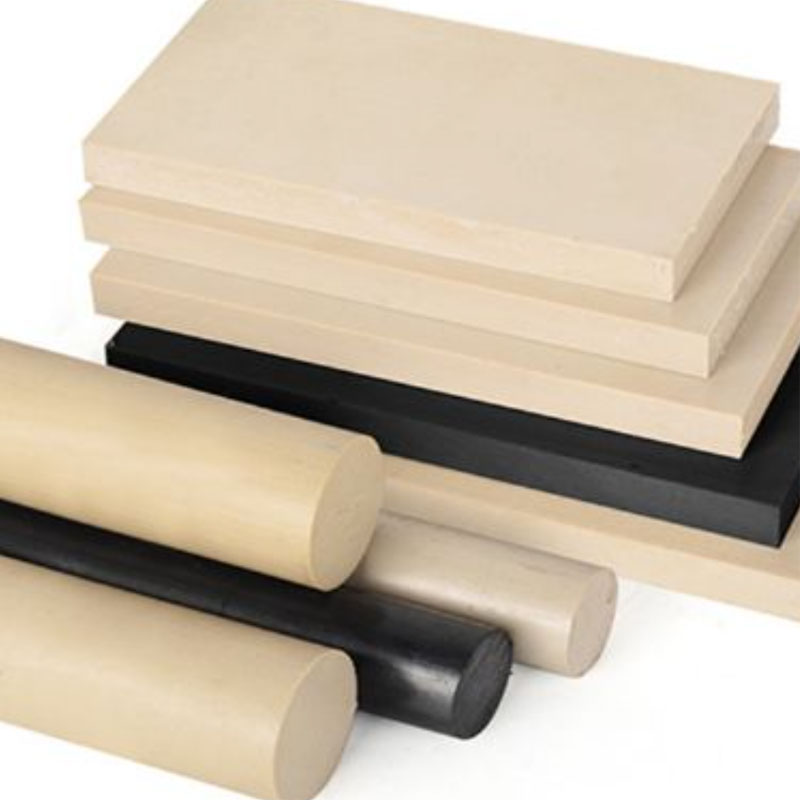
Polyetheretherketone sheet stands as the ultimate solution for extreme engineering environments where traditional metals and standard plastics fail. It provides an unmatched combination of thermal stability, chemical resistance, and mechanical strength, making it the definitive choice for aerospace, medical, and semiconductor industries. When an application demands a lightweight material that can endure continuous high temperatures while maintaining structural integrity and purity, the polyetheretherketone sheet is not just an option; it is the only viable, long-lasting solution.
Core Characteristics of Polyetheretherketone Sheet
To understand why this material is so highly regarded across demanding sectors, one must examine its intrinsic properties. Polyetheretherketone (commonly referred to as PEEK) is a semi-crystalline thermoplastic with exceptional physical and chemical traits. These characteristics are not just marginal improvements over standard polymers; they represent a paradigm shift in material science.
Extreme Thermal Endurance
One of the most prominent features of the polyetheretherketone sheet is its ability to retain stiffness and toughness at elevated temperatures. It possesses a glass transition temperature that allows it to operate continuously in demanding thermal environments without deforming. While many advanced polymers begin to soften and lose their load-bearing capabilities, PEEK maintains its structural modulus. This means that components machined from these sheets can function flawlessly in high-heat engine compartments, sterilization chambers, and industrial baking processes without warping or degrading.
Superior Chemical Resistance
Chemical compatibility is a critical metric for any material used in aggressive environments. Polyetheretherketone sheet exhibits exceptional resistance to a vast array of chemicals, including hydrocarbons, acids, and steam. It is virtually insoluble in all common solvents at room temperature. Even when exposed to superheated water and high-pressure steam, it does not hydrolyze or lose its mechanical properties. This makes it particularly suitable for valves, seals, and fluid handling systems where corrosive substances would rapidly destroy metals or lesser plastics.
Mechanical Strength and Wear Resistance
Beyond surviving harsh environments, the material must perform mechanically. Polyetheretherketone sheet offers high tensile strength and flexural modulus. More importantly, it has outstanding fatigue resistance and dimensional stability under load. When formulated with internal lubricants like carbon fiber or PTFE, its wear rate drops significantly, making it an excellent bearing and wear surface material that requires no external lubrication. Its strength-to-weight ratio far exceeds that of many metals, allowing engineers to achieve massive weight reductions without sacrificing performance.
Industrial Applications and Use Cases
The theoretical properties of polyetheretherketone sheet translate into life-saving, cost-reducing, and efficiency-boosting applications across multiple sectors. Its adoption is primarily driven by the need for reliability where failure is not an option.
Aerospace and Aviation
In the aerospace sector, every gram of weight saved translates directly into fuel efficiency and increased payload capacity. Polyetheretherketone sheet is extensively used to replace aluminum and titanium alloys in interior cabin components, ducting, and structural brackets. For example, bushings and bearings made from this material operate without lubrication in control surface linkages, eliminating the risk of oil leakage at high altitudes where temperatures plummet. Furthermore, its inherent flame retardancy and low smoke emission characteristics make it compliant with stringent aviation safety regulations.
Medical and Healthcare
The medical industry demands materials that are biocompatible and capable of withstanding repeated sterilization. Polyetheretherketone sheet meets these requirements effortlessly. It is highly compatible with human tissue, making it ideal for surgical instruments, spinal implants, and dental abutments. Unlike metallic implants, which can cause stress shielding due to their high stiffness, PEEK has a modulus of elasticity much closer to that of human bone. This allows the bone to bear its intended load, promoting healthier healing. Additionally, its radiolucency—meaning it does not show up on X-rays—allows surgeons to clearly monitor the healing process without the obstruction caused by metal artifacts.
Semiconductor Manufacturing
Chip fabrication requires ultra-clean environments free from particulate contamination and outgassing. Polyetheretherketone sheet is a staple in semiconductor manufacturing equipment because it does not shed particles and can withstand aggressive plasma etching chemicals. It is used to fabricate wafer carriers, insulating rings, and chamber components. Its dimensional stability ensures that critical tolerances are maintained during the high-temperature vacuum processes essential to microchip creation.
Material Variations and Formulations
While unfilled polyetheretherketone sheet is highly capable, its performance envelope can be expanded significantly through the addition of reinforcing fibers and fillers. These modifications are engineered to target specific weaknesses or amplify specific strengths of the base polymer.
- Carbon Fiber Reinforced: The addition of carbon fibers dramatically increases the tensile strength, flexural modulus, and thermal conductivity of the sheet. It also significantly reduces the coefficient of thermal expansion, making it nearly identical to metals. This is crucial for close-tolerance metal-to-plastic assemblies where temperature fluctuations occur.
- Glass Fiber Reinforced: A more cost-effective alternative to carbon fiber, glass fiber reinforcement improves structural rigidity and dimensional stability while maintaining excellent electrical insulation properties, which carbon fiber compromises.
- PTFE and Graphite Lubricated: By blending PTFE, graphite, or carbon powder into the matrix, the sheet gains superior tribological properties. This formulation reduces the coefficient of friction by a substantial margin, making it the premier choice for wear rings, seals, and high-speed bearings.
| Formulation | Primary Benefit | Typical Use Case |
|---|---|---|
| Unfilled | High purity and electrical insulation | Medical implants, analytical instrument components |
| Carbon Fiber | Maximum stiffness and metal-like expansion | Aerospace structural brackets, automotive gears |
| PTFE/Graphite | Low friction and wear resistance | Pump wear rings, non-lubricated bearings |
Processing and Fabrication Guidelines
Working with polyetheretherketone sheet requires specialized knowledge compared to standard engineering plastics. Its high processing temperatures and sensitivity to moisture mean that fabrication must be carefully controlled to achieve optimal results.
Machining Techniques
PEEK can be machined using conventional metalworking equipment, but the tooling and speeds must be adjusted. Because it is a thermoplastic, excessive friction during milling or turning will generate heat that can cause the material to melt and smear, ruining dimensional accuracy. Sharp, carbide-tipped tools are recommended. Using compressed air or coolant during machining is essential to dissipate heat and maintain strict tolerances. Furthermore, annealing the sheet before machining is a critical step. Internal stresses from the manufacturing process can cause warping or cracking when material is removed; proper annealing relieves these stresses and ensures a stable finished part.
Thermoforming and Molding
While the polyetheretherketone sheet is often machined, it can also be thermoformed into complex shapes. However, this requires specialized high-temperature ovens and presses. The material must be heated to a precise temperature range to become pliable enough for forming. Rapid cooling can affect the crystallinity of the polymer, thereby altering its mechanical strength and chemical resistance. Therefore, controlled cooling cycles are just as important as the heating phase to ensure the final part achieves the desired semi-crystalline structure.
Long-Term Economic and Environmental Value
The initial cost of polyetheretherketone sheet is significantly higher than commodity plastics, which often deters inexperienced buyers. However, a total cost of ownership analysis reveals its true economic advantage. Because it outlasts alternative materials by wide margins in corrosive and high-wear environments, replacement frequencies and maintenance downtime are drastically reduced. The reduction in unplanned downtime alone justifies the initial investment in most continuous-process industries.
From an environmental standpoint, the longevity of PEEK means less material waste over time. Furthermore, thermoplastics are inherently recyclable. Offcuts and end-of-life components made from polyetheretherketone sheet can be ground down and reprocessed into granulate for injection molding, provided the recycled material is used in applications where the ultra-high purity of virgin material is not required. This recyclability aligns with modern industrial pushes toward circular economies and sustainable manufacturing practices.
Strategic Implementation in Engineering Design
Incorporating polyetheretherketone sheet into an engineering project should be a strategic decision made during the design phase, not an afterthought. Because its thermal expansion rate and stiffness differ from metals, designers must account for these properties in their tolerance stack-ups. When used as a metal replacement, designers can often consolidate multiple metal components into a single injection-molded or machined PEEK part, eliminating the need for fasteners and assembly labor. Engineers must also select the correct formulation—understanding that electrically conductive carbon-filled versions are unsuitable for electrical insulation, while unfilled versions may creep under continuous heavy loads. By matching the specific PEEK grade to the exact environmental and mechanical demands of the application, organizations unlock the full potential of this extraordinary high-performance polymer.