 EN
EN English
 中文简体
中文简体 Español
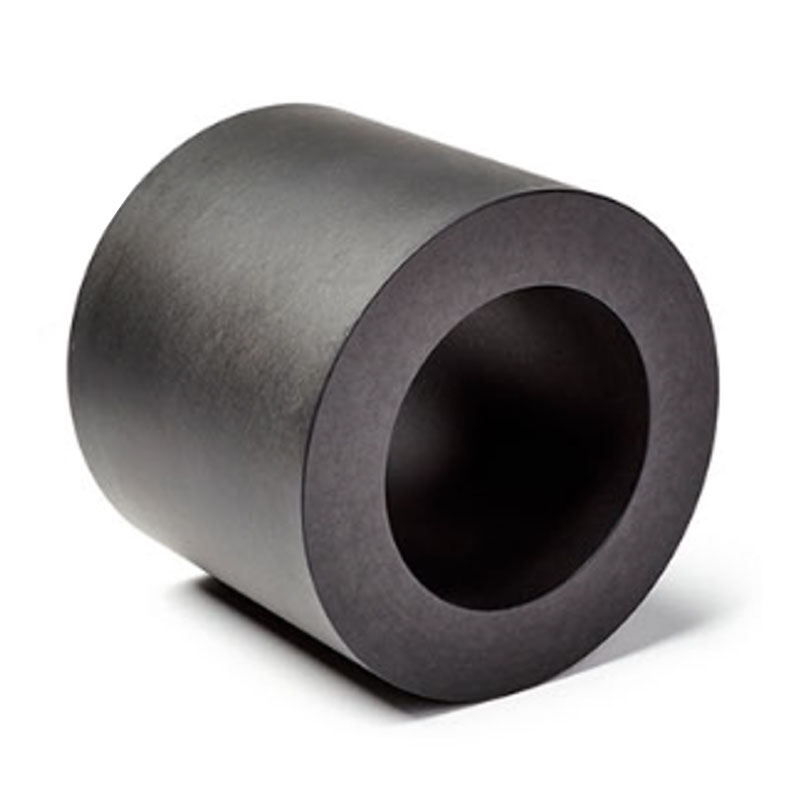
| Product Description | ||||
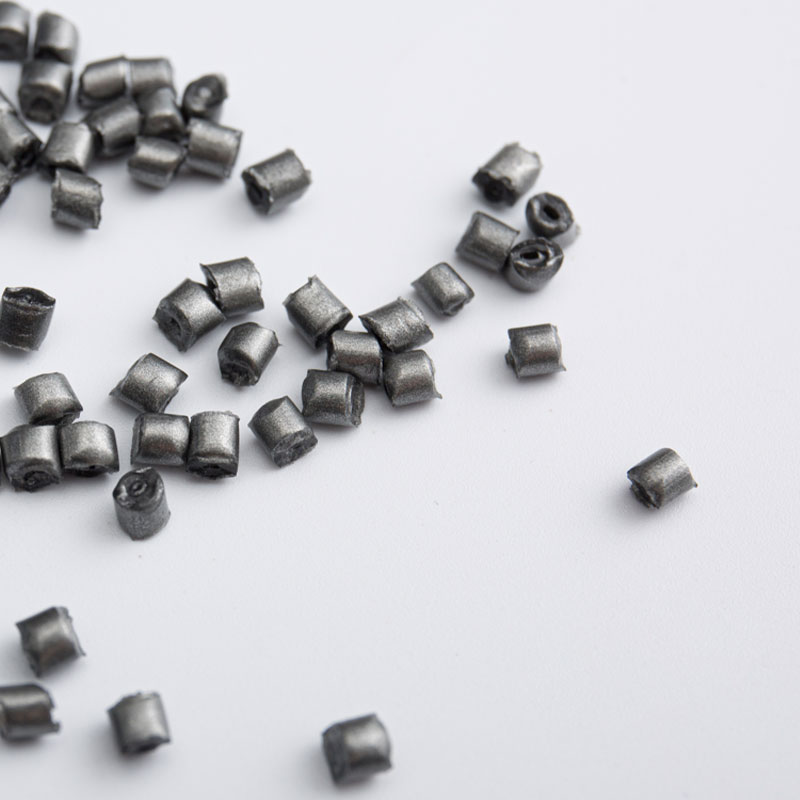
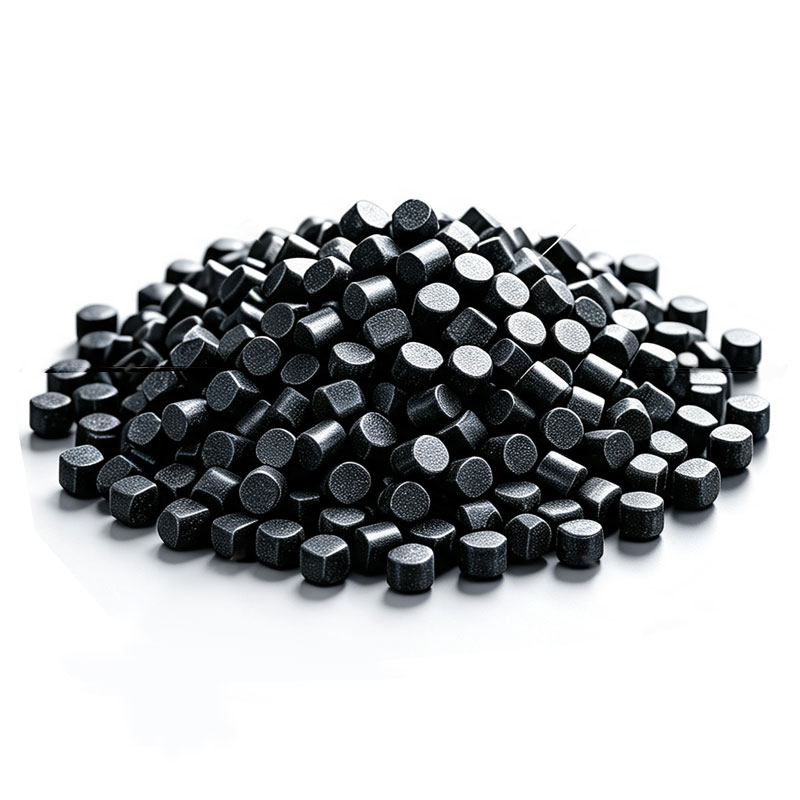
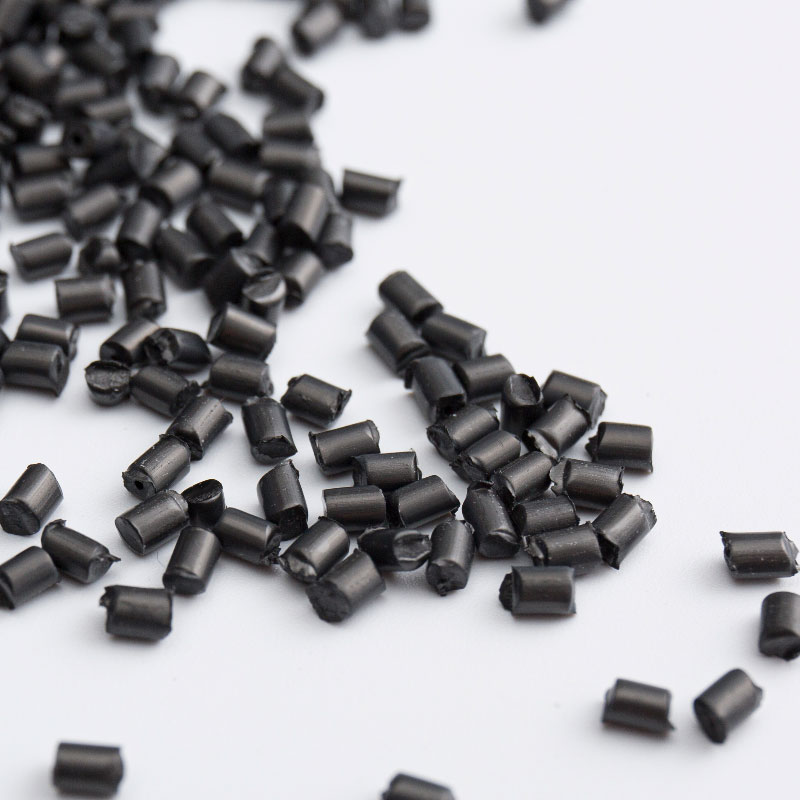
| Resin Identification | PA66+MoS₂+PTFE composite material – injection moulding grade, high-flow, self-lubricating, wear-resistant | |||
| Color | Dark grey/black | |||
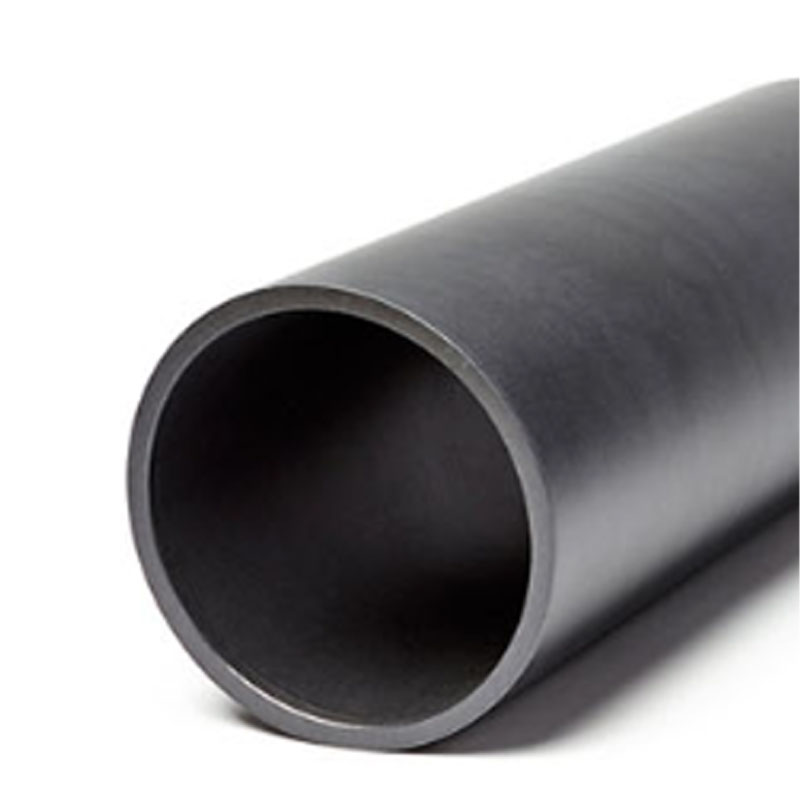
| Main applications | Bearings, gears, seals, sprockets, thrust washers, valve components, wear strips, automotive applications, electrical and electronic applications, household goods, low-noise applications, robotics applications | |||
| Processing Method | Injection Molding | |||
| Typical Properties | Test Method | Test Condition | Value | Unit |
| Physical Properties | ||||
| Density | DIN EN ISO 1183 | 23℃ | 1.24 | g/cm³ |
| Shrinkage | GB 15585 | 0.8-1.2 | % | |
| Mechanical Properties | ||||
| Tensile Strength | DIN EN ISO 527 | 50mm/min | 95 | MPa |
| Tensile Modulus | 4300 | MPa | ||
| Elongation at Break | 4.7 | % | ||
| Flexural Strength | DIN EN ISO 178 | 2mm/min | 123 | MPa |
| Flexural Modulus | 3900 | MPa | ||
| Izod Notched Impact Strength | DIN EN ISO 180 | 4mm,23℃ | 6 | KJ/M² |
| Izod Notched Impact Strength | DIN EN ISO 180 | 4mm,-30℃ | 4 | KJ/M² |
| Izod Notched Impact Strength | DIN EN ISO 180 | 4mm,23℃ | 115 | KJ/M² |
| Izod Notched Impact Strength | DIN EN ISO 180 | 4mm,-30℃ | 80 | KJ/M² |
| Friction Coefficient | ASTM D3702 | Dynamie VS Steel | 0.2 | |
| Friction Coefficient | ASTM D3702 | Static VS Steel | 0.26 | |
| Friction Coefficient | ASTM D3702 | Washer | 35 | ft-1b-hr |
| Thermal Performance | ||||
| Heat Deformation Temperature | DIN EN ISO 75 | 1.8 MPa, unannealed | 87 | ℃ |
| Heat Deformation Temperature | DIN ENISO 75 | 0.45 MPa, unannealed | 240 | ℃ |
| Flame-retardant properties | ||||
| Flame-retardant properties | UL94 | 0.75 | HB | |
| Flame-retardant properties | UL94 | 1.5mm | HB | |
| Flame-retardant properties | UL94 | 3mm | HB | |
| Others | ||||
| Surface resistivity | IEC60093 | 1.5mm | 10¹3-15 | Ω |
"Note: (1) The data provided are typical values and are intended solely as a reference for customers; they do not constitute a guarantee of minimum or maximum quality standards, nor do they serve as a guarantee for any other purpose.
(2) Performance may vary depending on the colour."
"Caution: The data and information contained herein are based on our current knowledge and experience. Should new knowledge or experience become available in the future, we reserve the right to amend the information and data in this document without prior notice. As conditions of use and applicable laws may vary by location and time, it is the customer’s responsibility to determine whether the products and product information contained herein are suitable for their use, and to ensure that their worksite and methods of handling the products comply with applicable laws and other government regulations. Lishu New Materials assumes no liability or obligation whatsoever in relation to the information contained herein, nor does it provide any warranty. All implied warranties regarding the merchantability of the products or their fitness for a particular purpose are hereby expressly excluded."
| Typical Injection Moulding Process | |
| Plastic Drying | |
| Drying Time | 2~4h |
| Drying Temperature | 100~130℃ |
| Drying Equipment | Hot-air dryer |
| Drying Type | Continuous drying (production process) |
| Injection Moulding Process | |
| Nozzle Section | 270~290℃ |
| Plastics Section | 280~300℃ |
| Conveying Section | 260~280℃ |
| Maximum Injection Temperature | 330℃ |
| Injection Pressure | 40~120MPa |
| Injection Speed | 30~75mm/s |
| Plasticization Pressure Velocity | Pressure: 65–100 MPa; Speed: 60–85 mm/s |
| Plasticization Back Pressure | 10~40MPa |
| Recommended Mold Temperature | 80~100℃ |
Friction and Wear Performance
This material offers a low friction coefficient, as PTFE significantly reduces surface friction and provides excellent self-lubrication. At the same time, it maintains outstanding wear resistance, resulting in a very low wear rate and extended service life. It is commonly used in sliding components such as oil-free bearings, sliding rails, and guide rails.
Mechanical Properties
The material retains the high strength and stiffness typical of PA66 engineering plastics, allowing it to withstand relatively high loads. The addition of MoS₂ also enhances thermal stability, improving dimensional stability and heat resistance under elevated temperatures. Typical applications include load-bearing components such as mechanical cams, oilfield equipment parts, automotive engine fans, and filter components.
Comprehensive Performance
It exhibits good dimensional stability due to relatively low moisture absorption and shrinkage, ensuring reliable precision in complex environments. In addition, it has strong resistance to a wide range of chemicals, solvents, and oils. This makes it suitable for precision transmission parts such as gears (including motor and instrument gears) and bearing cages, as well as industrial components like textile machinery parts (e.g., shuttles and yarn guides) and internal components in office automation equipment.
Technical Insight and Application Notes
The material benefits from a synergistic effect: PA66 provides the fundamental strength and heat resistance, while MoS₂ and PTFE function as solid lubricants. PTFE forms a transfer film on contact surfaces to reduce friction, whereas MoS₂ improves hardness and wear resistance. This combination makes the material particularly effective in high-speed, high-load, or maintenance-difficult applications.
In terms of processing, this modified material is typically manufactured using injection molding. Since PA66 is hygroscopic, it must be thoroughly dried before processing (for example, at 100°C for approximately 4 hours) to prevent defects such as bubbles or material degradation, thereby ensuring optimal final performance.