 EN
EN English
 中文简体
中文简体 Español
An engineer responsible for an automotive transmission component faces a familiar dilemma: the plastic part must survive oil exposure at 150°C, resist creep under constant load, and hold its dimensions within a few tenths of a millimetre for years of service. Most engineering thermoplastics eliminate themselves one by one. PPS plastic pellets do not.
Polyphenylene sulfide (PPS) is a semi-crystalline, high-temperature engineering thermoplastic that has become the default answer for demanding automotive, electrical, and industrial components. It carries structural loads at temperatures where standard polyamides soften, resists fluids that crack amorphous plastics, and keeps its shape where many crystalline materials creep. This guide covers what PPS pellets are, which grade families exist, and how to select the right one for your part.
What Are PPS Plastic Pellets?
PPS, short for polyphenylene sulfide, is built from benzene rings linked by sulfur atoms. That repeating structure gives the polymer a stiff, symmetrical backbone, which translates into exceptional heat resistance, chemical stability, and dimensional control once the pellets are molded into parts.
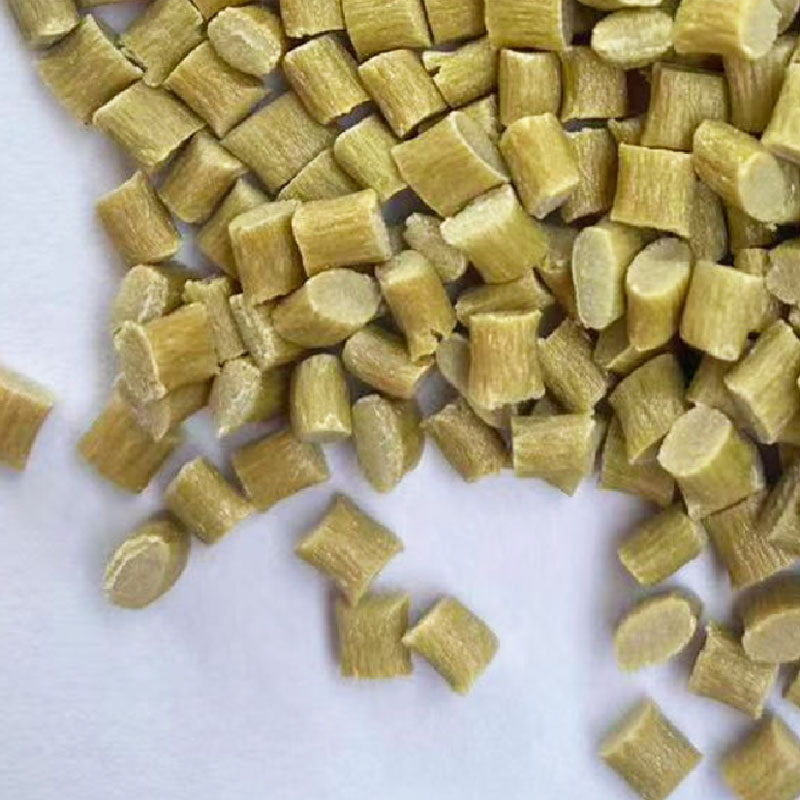
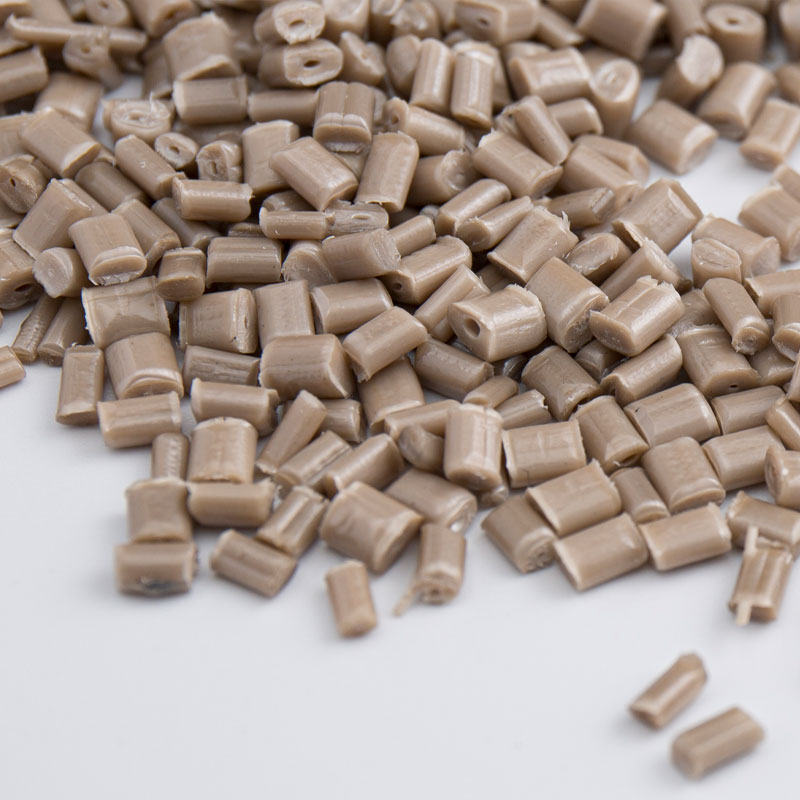
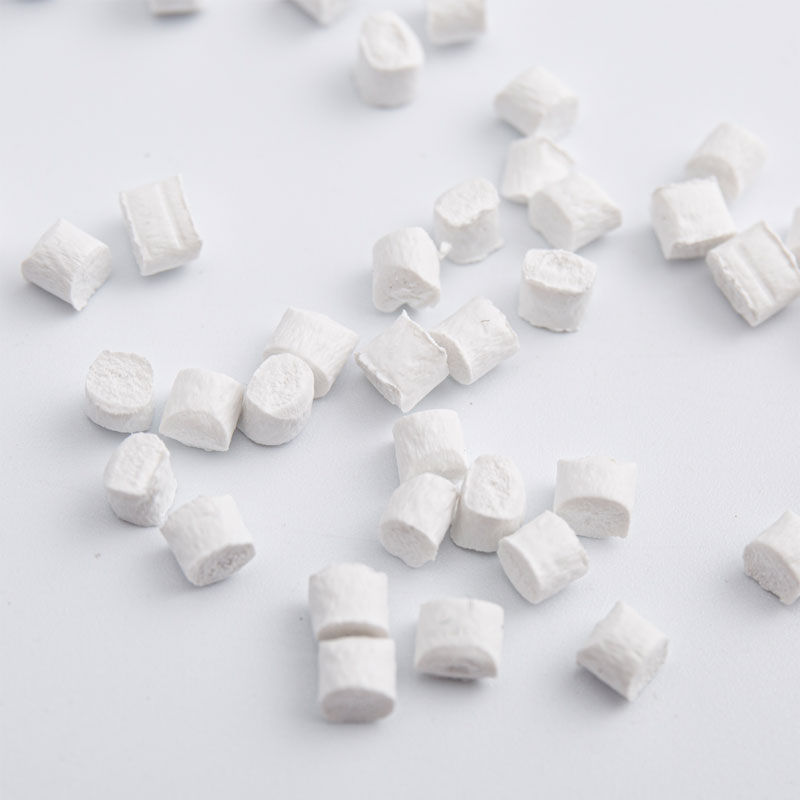
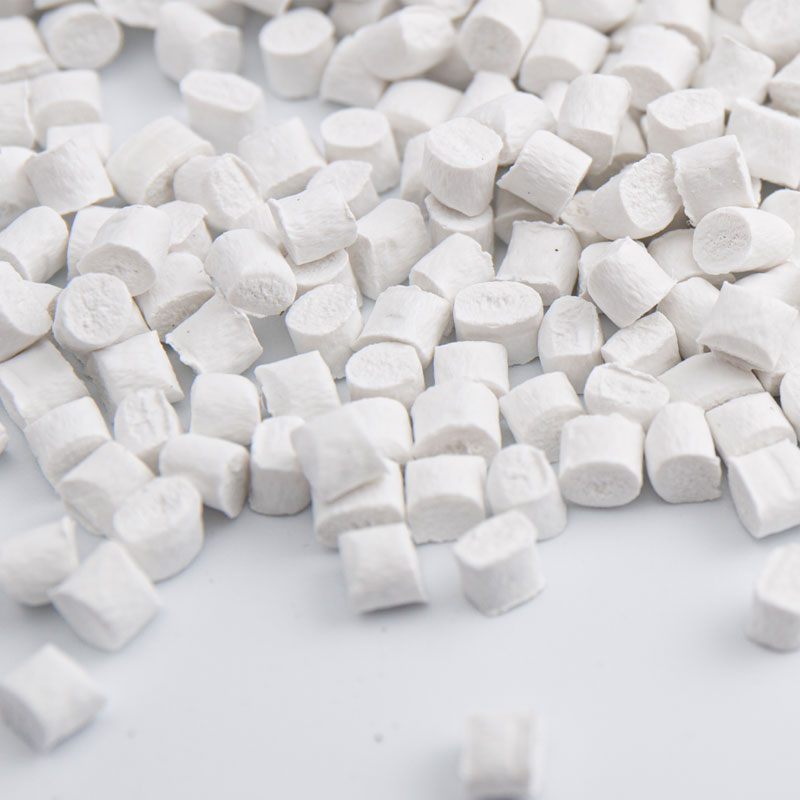
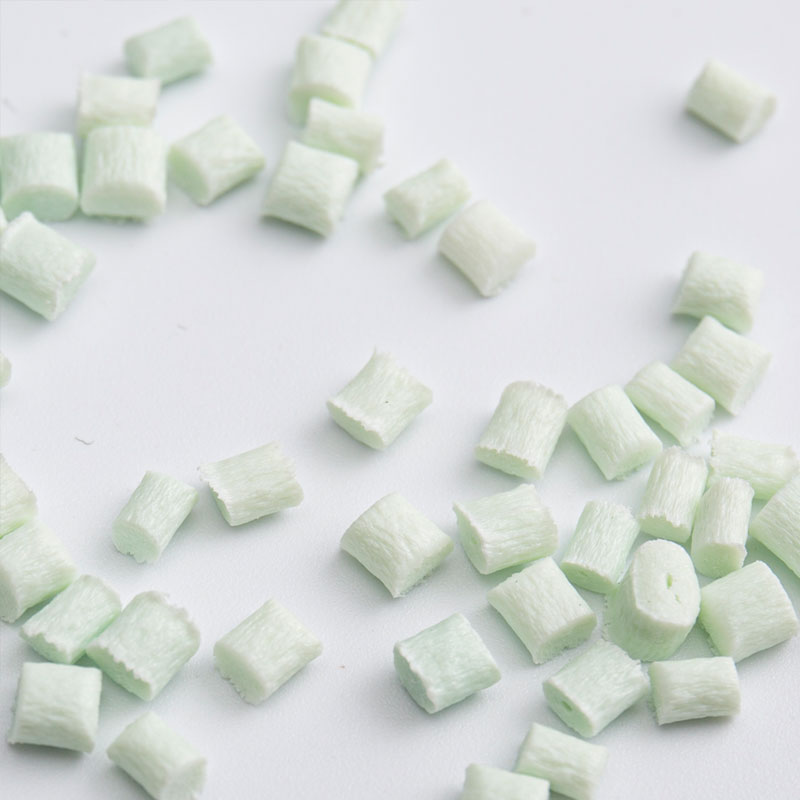
In production, PPS arrives at the molding machine as small, free-flowing pellets. These PPS plastic compound pellets are dried, melted, injected into a mold, and cooled into finished components. The same pellet form feeds extrusion lines for sheet, rod, and tube stock. For custom development work, compounders typically start from PPS base resin pellets so they can control filler loading and additive packages from the ground up.
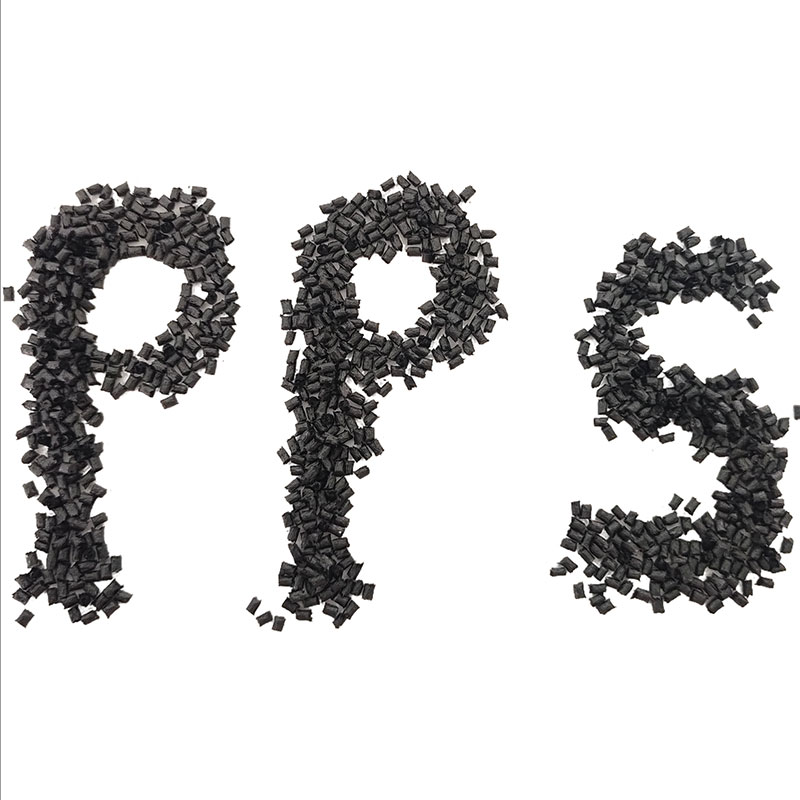 Custom Polyphenylene Sulfide PPS Plastic Manufacturers, FactoryZhejiang Lisu Composite Materials Co., Ltd is China Custom Polyphenylene Sulfide PPS Plastic manufacturers and factory,PPS (Polyphenylene...View Product →
Three baseline numbers summarize why engineers reach for PPS:
- A melting point near 280°C.
- A continuous service temperature of 200–240°C for glass-reinforced grades.
- Inherent UL94 V-0 flame retardancy with no halogenated additives.
Key Properties of PPS Pellets
PPS combines heat resistance, chemical stability, and mechanical strength in a way few thermoplastics match. The table below summarizes the property ranges you can expect from commercial pellet grades.
| Property | Typical Range | Why It Matters |
|---|---|---|
| Continuous service temperature | 200–240°C | Withstands prolonged heat under the hood and near motors. |
| Melting point | ~280°C | High heat-deflection ceiling for soldering and hot environments. |
| Tensile strength | 80–200 MPa | Carries structural loads without gradual creep. |
| Water absorption | <0.05% | Dimensions stay stable in humid or wet conditions. |
| Chemical resistance | Resists acids, alkalis, fuels, solvents | Compatible with coolants, oils, and aggressive media. |
| Flammability rating | UL94 V-0, inherent | Flame retardancy without additive migration or bloom. |
Two points deserve special attention during material selection. First, PPS absorbs almost no water, so parts stay dimensionally stable even in humid production environments or wet applications. Second, because flame retardancy is inherent to the polymer backbone, there is no risk of additive bloom on the part surface or loss of rating after long-term aging.
The same properties that make PPS attractive in the final part also affect processing. Flow is shorter than with amorphous thermoplastics, so gating and venting deserve attention in the mold design phase. And because the material crystallizes during cooling, uniform mold temperature is the key to consistent dimensions and warp-free parts.
Filled vs. Unfilled PPS: Which Pellet Type Matches Your Part?
Commercially, PPS pellets fall into three broad families. Each one solves a different set of problems.
Unfilled PPS
Highest ductility and easiest flow. A good fit for thin-wall parts, complex geometries, and electrical components with moderate strength requirements.
Glass-Filled PPS
Glass fiber boosts tensile strength, stiffness, and heat deflection temperature. The standard choice for structural parts exposed to high continuous heat.
PTFE-Modified PPS
PTFE particles lower the friction coefficient and improve wear resistance. This family suits bearings, bushings, and sliding mechanisms.
Within these families, glass content varies. A 30% glass loading balances strength and processing ease; 40–45% glass pushes rigidity and heat resistance higher but makes flow more difficult. If your part has long flow paths or thin walls, a lower glass content is often safer. For very demanding structural applications, PPS-GF45 high-temperature high-rigidity pellets offer the highest modulus in the standard PPS range.
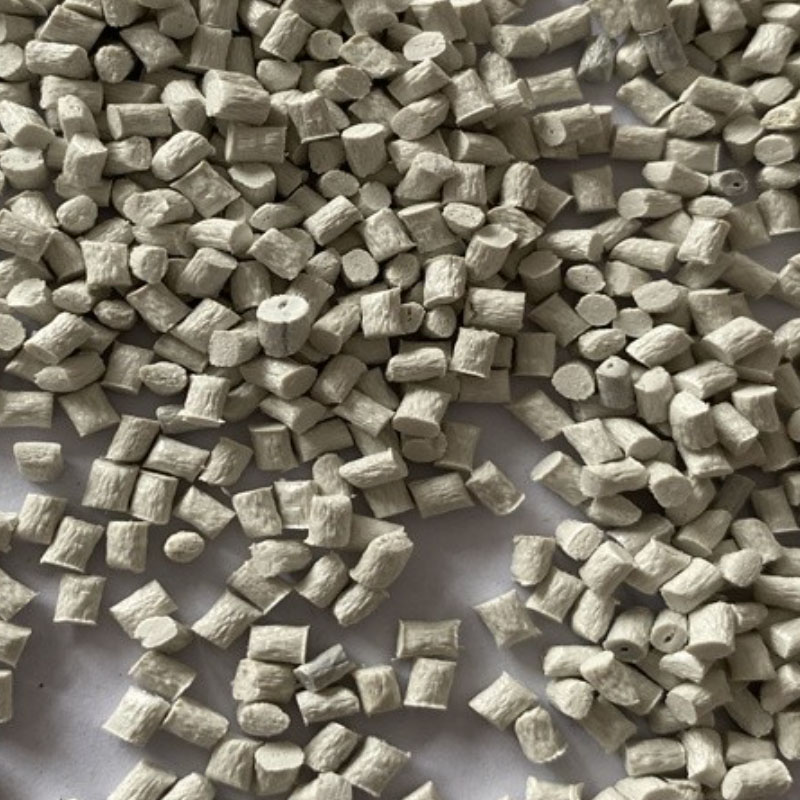 Custom PPS GF45 High Temperature High Rigidity Plastic Pellets ManufacturersZhejiang Lisu Composite Materials Co., Ltd is China Custom PPS GF45 High Temperature High Rigidity Plastic Pellets manufacturers and fact...View Product →
How to Select the Right PPS Pellet Grade
Grade selection is a five-step process that connects your application requirements to the actual data sheet.
1
Define the service environment
List the maximum continuous temperature, peak spikes, chemical exposure, and humidity the part will see. PPS handles 200°C and above, but confirm the exact grade rating.
2
Determine the mechanical load
Calculate static stress, dynamic loads, and required stiffness. Glass-filled grades carry higher stress; unfilled grades give up some strength for easier flow.
3
Check electrical and flammability requirements
If the part needs a high comparative tracking index or a specific UL flame class, verify that the pellet grade holds the rating without secondary coatings.
4
Review part geometry and molding constraints
Wall thickness, flow length, and weld lines decide whether a high-glass grade can fill the mold. Flow simulation before tooling can prevent expensive surprises.
5
Validate with prototype molding
Run test parts, measure dimensions in the target environment, and inspect for warpage, flash, or sink marks. Real-world testing beats data-sheet extrapolation.
Real-World Applications of PPS Plastic Pellets
PPS pellets show up across automotive, electrical, and industrial applications. In vehicles, they appear as transmission components, pump housings, e-motor insulation parts, and sensor housings that sit close to heat sources. In electronics, connectors, bobbins, and switch components rely on PPS for its heat resistance and stable electrical properties. Industrial equipment uses PPS in pump impellers, compressor valves, and chemical-processing parts where aggressive media would destroy standard thermoplastics. With the shift to electric vehicles, PPS is also appearing in battery-cell housings, busbars, and high-voltage connectors, where a fault must not become a flame path.
For parts exposed to both heat and mechanical wear, PPS-GF30-PTFE flame-retardant wear-resistant pellets combine glass-fiber strength with the low-friction surface of PTFE. That combination makes them a frequent choice for bushings, valve seats, and moving components in high-temperature environments.
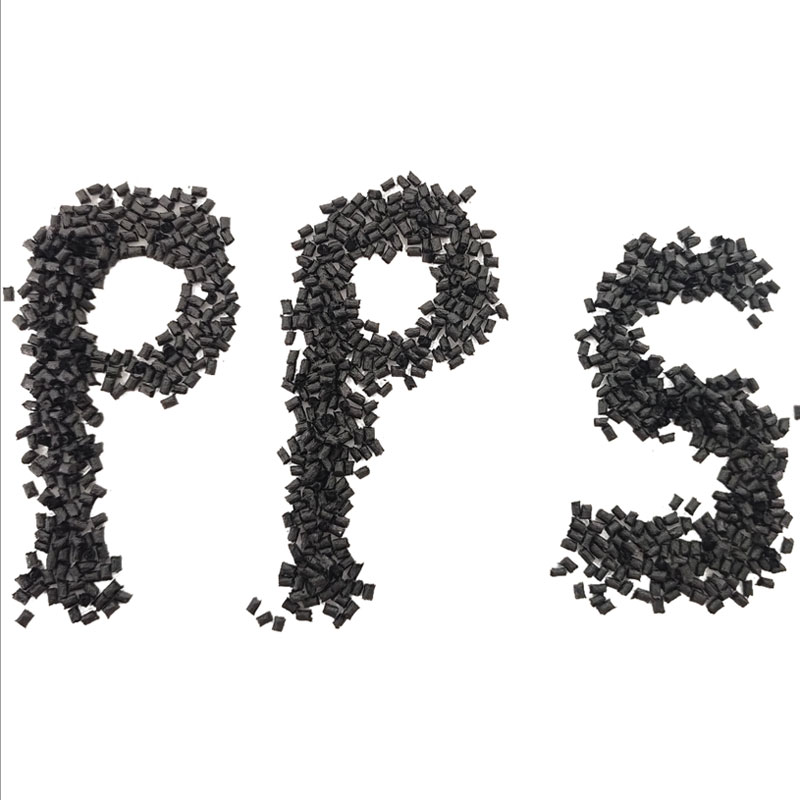 Custom PPS GF30 PTFE Flame Retardant Wear-Resistant Plastic Pellets ManufacturerZhejiang Lisu Composite Materials Co., Ltd is China Custom PPS GF30 PTFE Flame Retardant Wear-Resistant Plastic Pellets manufacturers and...View Product →
What to Look For in a PPS Compound Supplier
PPS processing is less forgiving than standard engineering plastics, so supplier consistency matters more than the price per kilogram. When evaluating a compounder, check three things: quality-system certification, testing capability, and formulation flexibility. What a supplier actually holds in hand matters more than what it promises. IATF 16949 certification signals automotive-grade process control across the production chain. GRS certification supports recycled-content claims for sustainability programs. CQC certification covers specific product compliance needs for the Chinese market. Each of these credentials reduces the risk of a failed qualification later.
Beyond certificates, look at whether the supplier can adjust filler content, add lubricants, or tune the heat stabilizer package for your conditions. These are the criteria used to evaluate a PPS compound supplier in practice, and they separate a true modification partner from a reseller.
Frequently Asked Questions About PPS Pellets
How should PPS pellets be dried before molding?
PPS absorbs little moisture, but drying is still recommended, typically at 130–150°C for 3–4 hours in a dehumidifying dryer. Moisture above 0.05% can cause splay and brittleness in the molded part.
What is the difference between PPS and PEEK?
PEEK tolerates higher continuous temperatures, up to 250–260°C and beyond for some grades, and offers higher toughness. It also costs significantly more. PPS is the economical choice for most 200–240°C applications.
Can PPS pellets be recycled?
Yes. PPS regrind from sprues and runners is commonly reused in non-critical parts. Recycling rates of 20–30% are typical, and GRS-certified recycled PPS grades are available for sustainability programs.
Does PPS require special mold tooling?
PPS is a high-temperature semicrystalline material, so molds generally need mold temperatures of 130–160°C and hardened steel for glass-filled grades. Standard tool steel is often acceptable for unfilled PPS with simpler geometry.