 EN
EN English
 中文简体
中文简体 Español
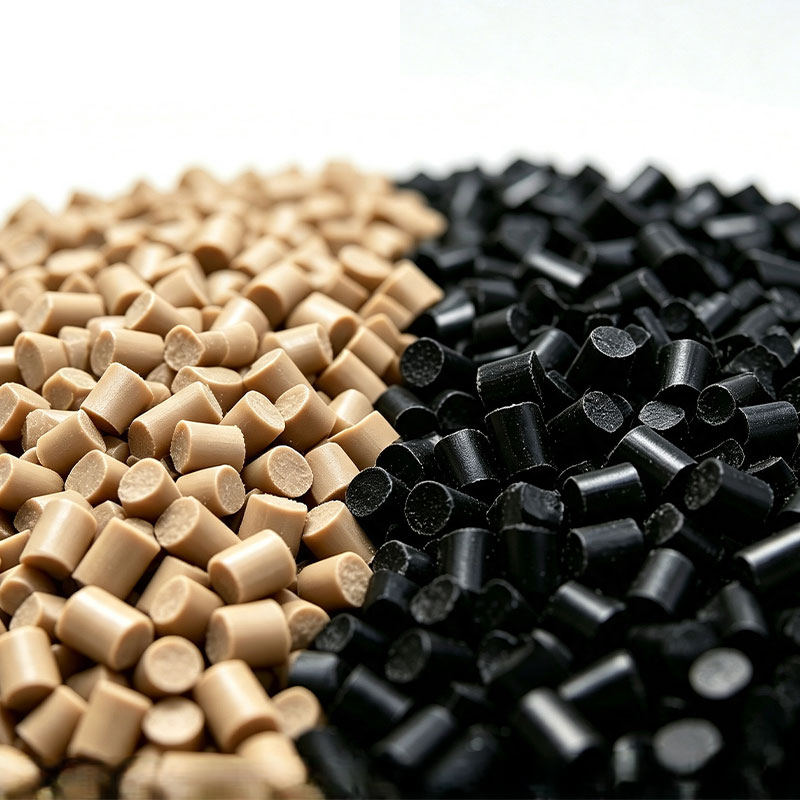
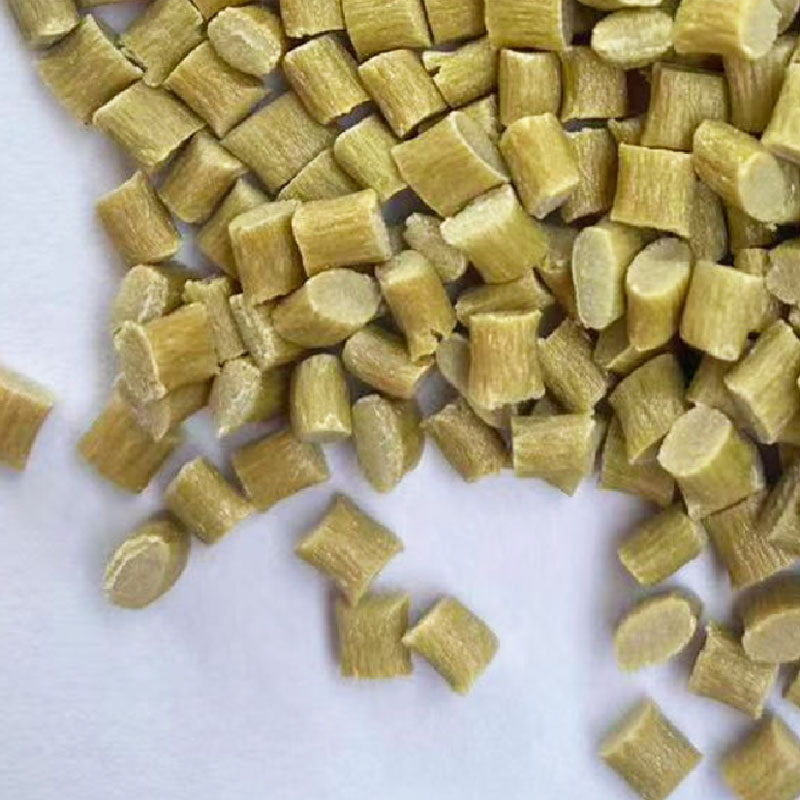
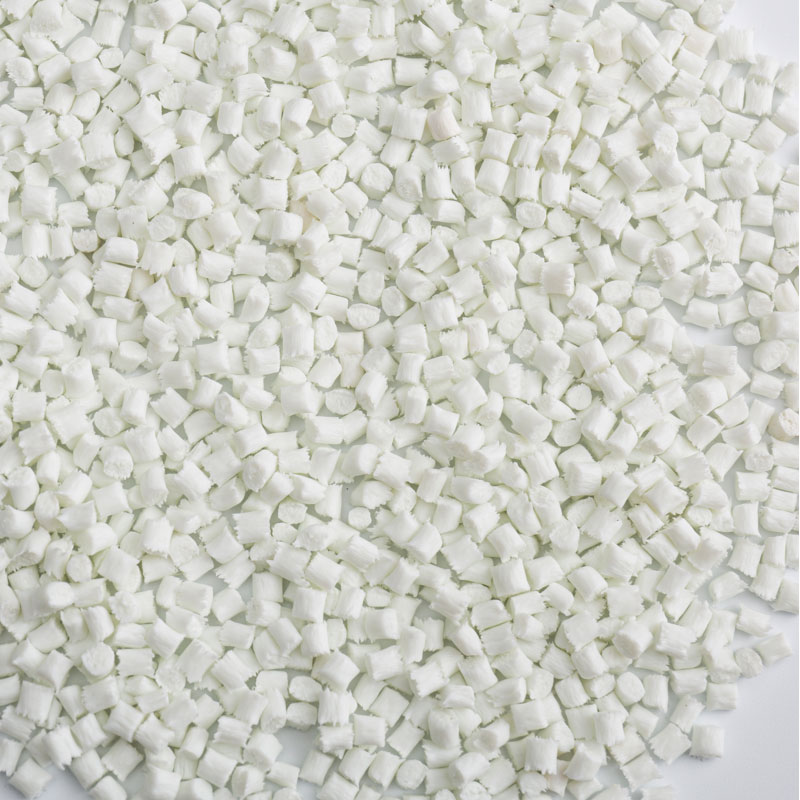
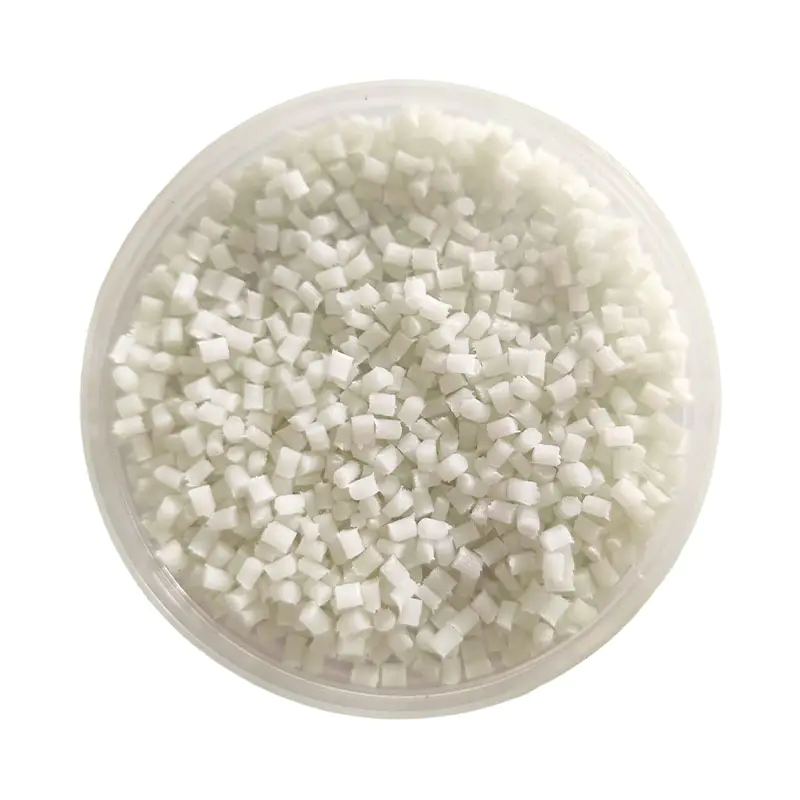
PPS (Polyphenylene Sulfide) plastic compound is a high-performance thermoplastic engineering material formed by blending and modifying pure PPS resin with reinforcing agents, fillers, toughening agents, flame retardants and other additives. It is one of the most important specialty engineering plastics in the global industrial manufacturing field, with outstanding high-temperature resistance, inherent flame retardancy, excellent chemical corrosion resistance, dimensional stability and mechanical strength.
After professional compound modification, the PPS plastic compound overcomes the defects of pure PPS resin such as high brittleness and low impact resistance, and obtains more balanced and targeted performance, making it suitable for mass production and application in harsh industrial environments. It has become an irreplaceable core material in automotive electronics, aerospace, new energy, petrochemical and other high-end manufacturing industries, and its market demand and application scope are expanding year by year with the development of advanced manufacturing.
Basic Composition and Modification Principles of PPS Plastic Compound
Main Raw Material: PPS Resin
PPS resin is the matrix of PPS plastic compound, a linear aromatic polymer material with a molecular structure composed of benzene rings and sulfur atoms alternately connected. This unique molecular structure endows the material with basic stability and heat resistance, laying a solid foundation for the performance of the final compound. Pure PPS resin has a high melting point and good rigidity, but its single performance cannot meet the complex requirements of industrial parts, so compound modification is essential.
Common Additives and Their Functions
The compounding process of PPS plastic compound is to add different functional additives to adjust and optimize the material performance according to the application scenarios. The main additives and their effects are as follows:
- Glass fiber: The most commonly used reinforcing agent, which can significantly improve the tensile strength, flexural strength and creep resistance of PPS, and is widely used in structural parts manufacturing
- Mineral fillers: Such as talc, calcium carbonate and mica, used to reduce material costs, improve dimensional stability and surface smoothness
- Toughening agents: Effectively reduce the brittleness of PPS, improve impact resistance and avoid cracking of parts under external force
- Flame retardants: Further enhance the flame retardant performance of PPS to meet the strict safety standards of electronic and electrical products
- Processing aids: Improve the melt fluidity of PPS, reduce processing difficulty, and adapt to injection molding, extrusion and other forming processes
Compounding Modification Process
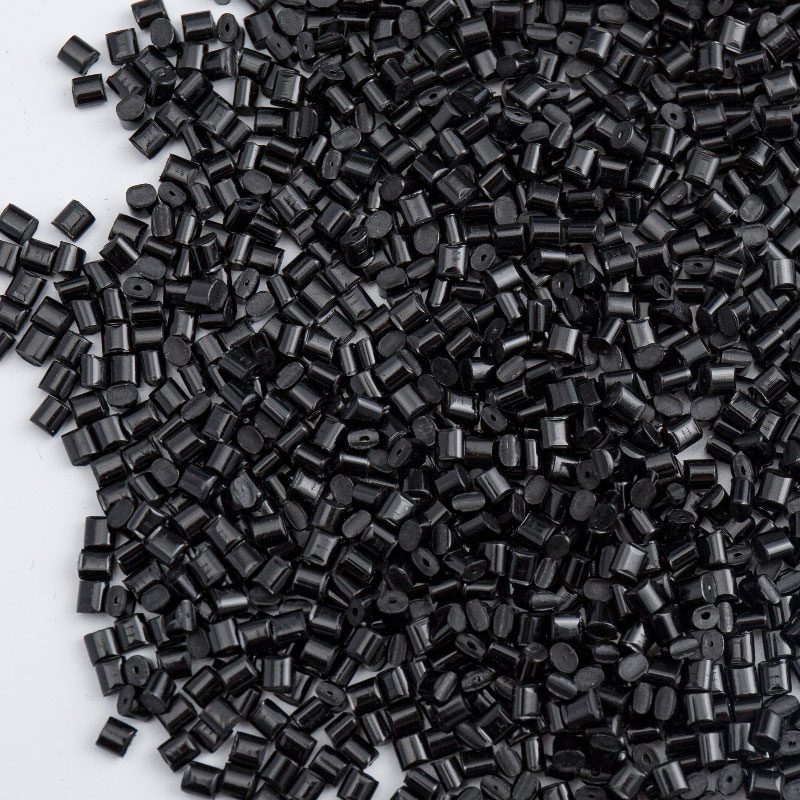
The production of PPS plastic compound adopts a twin-screw extruder for melt blending, which is a continuous and efficient industrial process. The raw materials are accurately proportioned, fully mixed, melted and sheared at high temperature, extruded and granulated, cooled and dried to obtain uniform and stable PPS plastic compound particles. The entire process strictly controls temperature, screw speed and feeding ratio to ensure the consistency of material performance, which is the key to guaranteeing the quality of industrial application parts.
Key Performance Characteristics of PPS Plastic Compound
High Temperature Resistance
PPS plastic compound has excellent long-term heat resistance, and its continuous use temperature can reach more than 200°C. In high-temperature environments such as automotive engine compartments and electronic component working areas, it can maintain stable mechanical properties and dimensional stability without softening, deformation or performance degradation. Its short-term heat resistance can reach higher temperatures, and it can withstand the high-temperature impact of welding processes, making it very suitable for surface mount technology (SMT) in the electronics industry.
Chemical Corrosion Resistance
Among all thermoplastic engineering plastics, PPS plastic compound has top-level chemical stability. It is almost insoluble in any organic solvents below 200°C, and has strong resistance to acids, alkalis, oils, fuels and lubricants. This performance makes it the preferred material for sealing parts, pipeline accessories and pump body components in the petrochemical and automotive fields, effectively solving the problem of material corrosion failure in harsh chemical environments.
Inherent Flame Retardancy
Pure PPS resin has inherent flame retardant properties, and PPS plastic compound can reach the UL94 V-0 level without adding additional flame retardants, which is the highest flame retardant grade for thin-walled materials. This feature eliminates the need for a large number of flame retardant additives, reduces the impact on material mechanical properties, and meets the strict flame retardant requirements of electronic and electrical appliances, communication equipment and aerospace products, ensuring the safety of use.
Dimensional Stability and Creep Resistance
PPS plastic compound has extremely low linear expansion coefficient and water absorption rate, and the size change rate of parts after molding is almost negligible. Even under long-term load, high humidity and alternating temperature environments, it can maintain precise dimensional tolerance, which is critical for precision mechanical parts, electronic connectors and automotive precision components. At the same time, its excellent creep resistance ensures that parts will not undergo plastic deformation under long-term stress, extending the service life of products.
Mechanical Properties
After glass fiber or mineral reinforcement, the mechanical properties of PPS plastic compound are comprehensively improved. It has high rigidity, hardness and wear resistance, and can bear large external forces and friction losses. The modified toughened PPS compound balances rigidity and toughness, which not only retains high strength but also improves impact resistance, adapting to complex stress conditions such as vibration and impact in industrial applications.
Electrical Insulation
PPS plastic compound has excellent electrical insulation properties, low dielectric loss and high insulation resistance, and can maintain stable electrical performance in high temperature, high humidity and harsh environments. It is an ideal insulating material for electronic connectors, coil frameworks, motor components and circuit board substrates, ensuring the normal operation of electrical systems and preventing short circuits and electrical failures.
Classification of PPS Plastic Compound and Application Scenarios
Reinforced PPS Plastic Compound
Reinforced PPS is mainly modified by adding glass fiber or carbon fiber, which is the most widely used type of PPS plastic compound. Glass fiber reinforced PPS has the advantages of high strength and low cost, and is used in automotive structural parts, electronic housings and mechanical accessories; carbon fiber reinforced PPS has lighter weight and higher strength, and is mostly used in aerospace and high-end automotive lightweight components. This type of compound accounts for the largest proportion of the entire PPS market.
Toughened PPS Plastic Compound
Toughened PPS is aimed at the brittleness defect of pure PPS, and is modified by adding elastomers or other toughening components. It has significantly improved impact resistance and is not easy to crack when impacted. It is suitable for parts that need to withstand vibration and impact, such as automotive shock-resistant components, electrical appliance shells and portable electronic equipment parts, ensuring the reliability of products in use.
Wear-Resistant PPS Plastic Compound
Wear-resistant PPS is modified by adding lubricating fillers such as polytetrafluoroethylene and graphite, which has extremely low friction coefficient and excellent wear resistance. It is widely used in sliding parts, bearings, gears and seals in mechanical equipment, replacing metal materials in some low-load and high-speed friction scenarios, reducing equipment noise and maintenance costs.
Electromagnetic Shielding PPS Plastic Compound
This type of PPS compound is added with conductive fillers to obtain electromagnetic shielding performance, which can effectively block electromagnetic interference and ensure the stable operation of electronic equipment. It is mainly used in communication equipment, automotive electronic control units, aerospace instruments and other fields that require anti-interference, meeting the electromagnetic compatibility requirements of precision electronic products.
General-Purpose Filled PPS Plastic Compound
General-purpose filled PPS is modified with mineral fillers, which reduces the production cost while maintaining basic performance. It has good dimensional stability and processability, and is suitable for large-scale production of daily electronic accessories, automotive non-critical components and industrial conventional parts, expanding the application scope of PPS materials to the civilian field.
Processing Methods of PPS Plastic Compound
Injection Molding
Injection molding is the most commonly used processing method for PPS plastic compound, suitable for mass production of complex precision parts. Before processing, PPS particles need to be fully dried to remove moisture, otherwise bubbles and surface defects will appear in the parts. The processing temperature is controlled between 300-350°C, and the mold temperature is kept at 130-150°C to ensure the complete crystallization of PPS and obtain stable performance and dimensional accuracy. Injection molding is widely used in the production of electronic connectors, automotive parts and mechanical accessories.
Extrusion Molding
Extrusion molding is mainly used to produce PPS profiles, sheets, films and pipes. The extruded PPS products have uniform texture and continuous length, suitable for linear and sheet parts. This processing method requires stable screw speed and temperature control to ensure the continuity of production. Extruded PPS sheets can be used for high-temperature insulation panels and chemical corrosion-resistant linings, and pipes can be used for high-temperature fluid transportation in the petrochemical industry.
Blow Molding and Thermoforming
Special modified PPS plastic compound can be processed by blow molding to produce hollow parts such as automotive fuel system components and chemical storage containers. Thermoforming is suitable for processing PPS sheets into thin-walled parts, with fast forming speed and low mold cost. These processing methods expand the application forms of PPS materials and meet the production needs of special-shaped parts.
Machining
For PPS parts with high precision requirements and small batch sizes, machining methods such as turning, milling and drilling can be used. PPS plastic compound has good machinability, and can obtain high surface finish and dimensional accuracy after processing. This method is mostly used in the prototype production of aerospace and high-end equipment parts, providing technical support for product research and development.
Industrial Application Fields of PPS Plastic Compound
Automotive Industry
The automotive industry is the largest application field of PPS plastic compound. It is widely used in engine peripheral parts, transmission system components, fuel system parts and electronic control system accessories. Relying on its high temperature resistance, oil resistance and dimensional stability, PPS replaces traditional metal materials to achieve lightweight vehicles, reduce fuel consumption and improve service life. With the development of new energy vehicles, the demand for PPS in automotive battery components, charging interfaces and motor parts has increased significantly, becoming a key material for the transformation of the automotive industry.
Electronic and Electrical Industry
In the electronic and electrical field, PPS plastic compound is used in connectors, switches, coil frameworks, circuit board substrates and motor insulation parts. Its excellent flame retardancy, electrical insulation and high-temperature welding resistance meet the strict requirements of electronic products for safety and stability. In 5G communication equipment, smart appliances and industrial control equipment, PPS components ensure the long-term reliable operation of products in complex working environments, and its market demand continues to grow with the development of the digital industry.
Aerospace Field
The aerospace industry has extremely strict requirements on material performance, and PPS plastic compound has become an important lightweight material in this field due to its high strength, low density, high temperature resistance and radiation resistance. It is used in aircraft interior parts, instrument housings, engine peripheral components and satellite structural parts, reducing the weight of equipment while ensuring performance stability, and adapting to the harsh environment of high altitude and outer space.
Petrochemical and Industrial Equipment
In the petrochemical industry, PPS plastic compound's excellent chemical corrosion resistance makes it widely used in valves, seals, pump impellers, pipeline accessories and filter materials. It can resist the corrosion of various chemical media and high-temperature oil and gas, extending the service life of equipment and reducing maintenance costs. In other industrial equipment fields, PPS is used in high-temperature bearings, wear-resistant parts and insulation components to meet the needs of long-term operation in harsh industrial environments.
New Energy and Emerging Fields
With the rapid development of new energy, PPS plastic compound is widely used in photovoltaic, energy storage and hydrogen energy fields. It is used in photovoltaic junction boxes, battery pack components, hydrogen fuel cell parts, etc., relying on its high temperature resistance, corrosion resistance and insulation performance to ensure the safety and stability of new energy equipment. In emerging fields such as intelligent manufacturing and robotics, PPS is also used in precision transmission parts and sensor components to promote the upgrading of high-end manufacturing.
Performance Comparison Between PPS Plastic Compound and Other Engineering Plastics
To better reflect the performance advantages of PPS plastic compound, we compare it with common engineering plastics such as nylon (PA), polybutylene terephthalate (PBT) and polycarbonate (PC) in key indicators:
| Performance Index | PPS Plastic Compound | Nylon (PA) | PBT |
|---|---|---|---|
| Long-term Use Temperature | ≥200°C | 100-120°C | 120-140°C |
| Flame Retardancy | UL94 V-0 | V-2 or worse | V-2 or worse |
| Water Absorption Rate | Ultra-low | High | Medium |
| Chemical Resistance | Excellent | Medium | Good |
The comparison data shows that PPS plastic compound has obvious advantages in high temperature resistance, flame retardancy, water absorption and chemical corrosion resistance, which is difficult to be replaced by other general engineering plastics. Although the cost of PPS is higher than that of ordinary plastics, its excellent performance can reduce the failure rate and service life of parts, and the comprehensive cost performance is higher in high-end applications.
Precautions for Selection and Use of PPS Plastic Compound
Model Selection According to Application Requirements
When selecting PPS plastic compound, it is necessary to determine the type of modification according to the actual use environment: choose glass fiber reinforced type for parts requiring high strength; choose toughened type for parts needing impact resistance; choose wear-resistant type for sliding friction parts; choose general-purpose filled type for conventional parts with low performance requirements. Correct model selection can maximize material performance and reduce unnecessary costs.
Strictly Control Processing Conditions
PPS plastic compound is sensitive to moisture and processing temperature. It must be fully dried before processing to prevent material degradation and part defects. The processing temperature, injection pressure and mold temperature should be adjusted according to the material grade to ensure the crystallization and performance stability of the parts. Unreasonable processing parameters will lead to reduced mechanical properties, dimensional deviation and surface defects of the products.
Storage and Transportation Requirements
PPS plastic compound should be stored in a dry, cool and ventilated environment, avoiding direct sunlight and damp environments. During transportation, it should be protected from moisture and contamination to ensure the performance of the material remains unchanged before processing. Opened material packages should be sealed in time to prevent moisture absorption, which affects the processing effect.
Recycling and Environmental Protection
PPS plastic compound has good recyclability. The scraps and defective products generated during processing can be recycled and reused after crushing and drying, which reduces production waste and costs. At the same time, PPS material is non-toxic and harmless, and meets environmental protection standards in the production and use process, adapting to the global development trend of green manufacturing.
Development Trend of PPS Plastic Compound
With the continuous progress of material technology and the expansion of high-end manufacturing demand, the development of PPS plastic compound presents three major trends: first, high-performance and multi-functional modification, through composite modification technology to develop PPS materials with both high strength, high toughness, wear resistance and electromagnetic shielding performance to adapt to more complex application scenarios; second, cost reduction and lightweight, reduce the production cost of PPS through formula optimization and process improvement, and further promote the lightweight of industrial parts; third, green and sustainable development, develop bio-based PPS raw materials and efficient recycling technology to reduce the impact on the environment.
In the future, PPS plastic compound will be more widely used in emerging fields such as new energy vehicles, 6G communication, hydrogen energy and aerospace, and become one of the core supporting materials of advanced manufacturing. The continuous innovation of its modification technology and processing technology will further release the performance potential of PPS and promote the upgrading and development of the global industrial manufacturing industry.