 EN
EN English
 中文简体
中文简体 Español
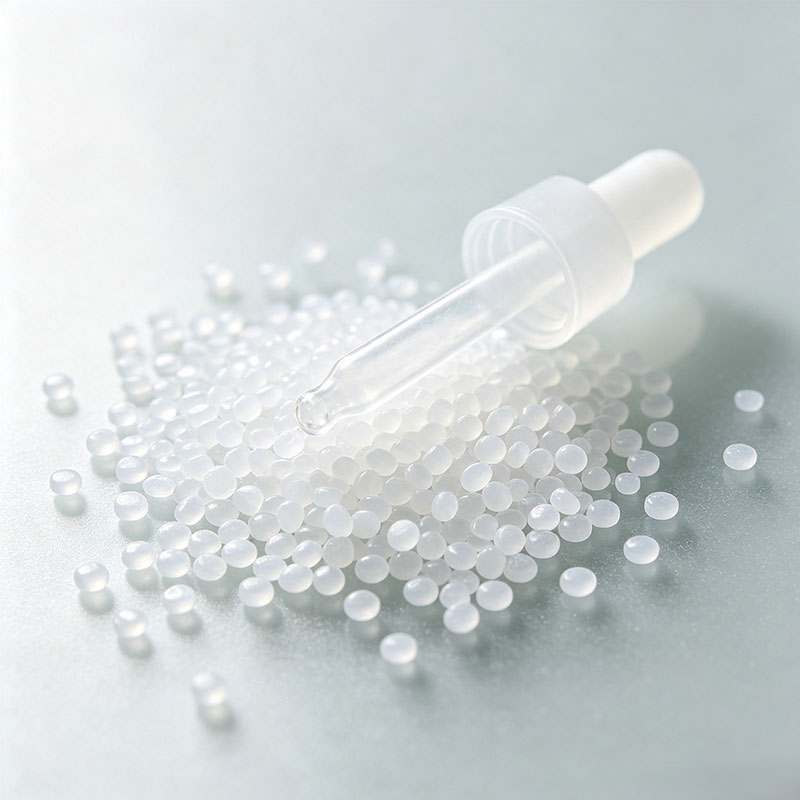
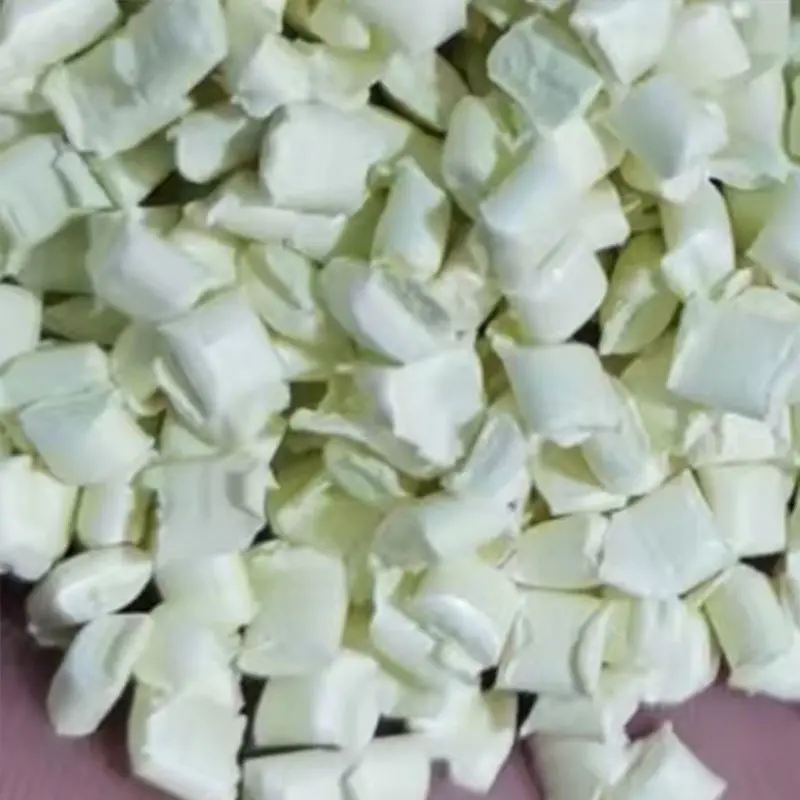
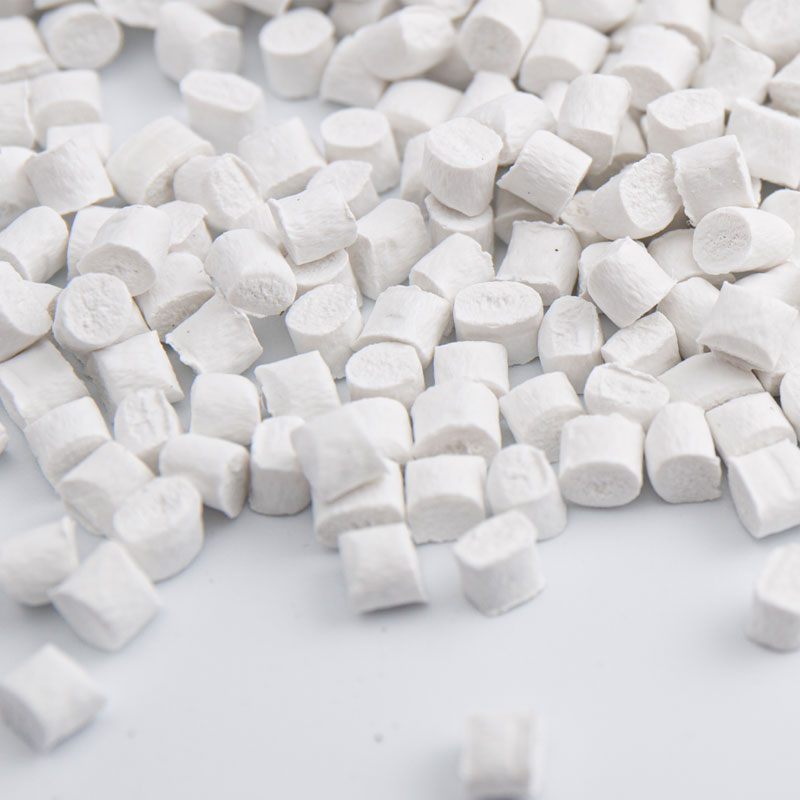
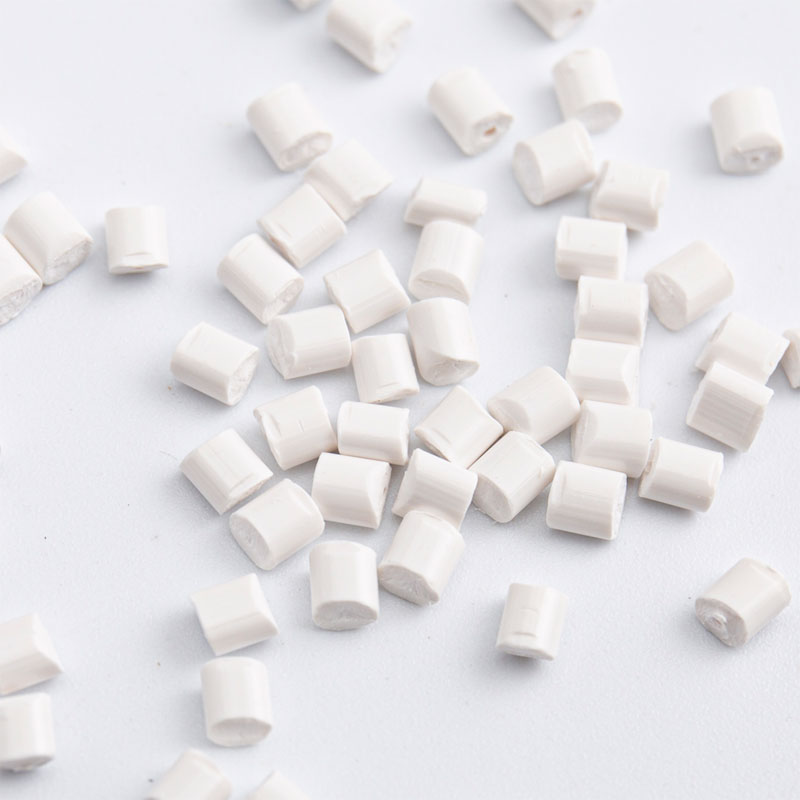
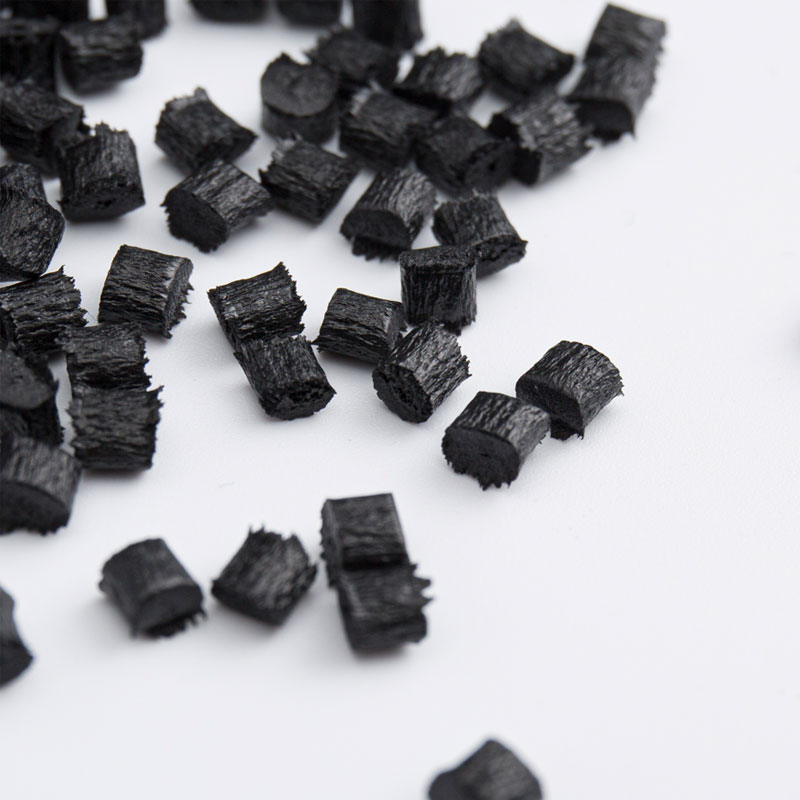
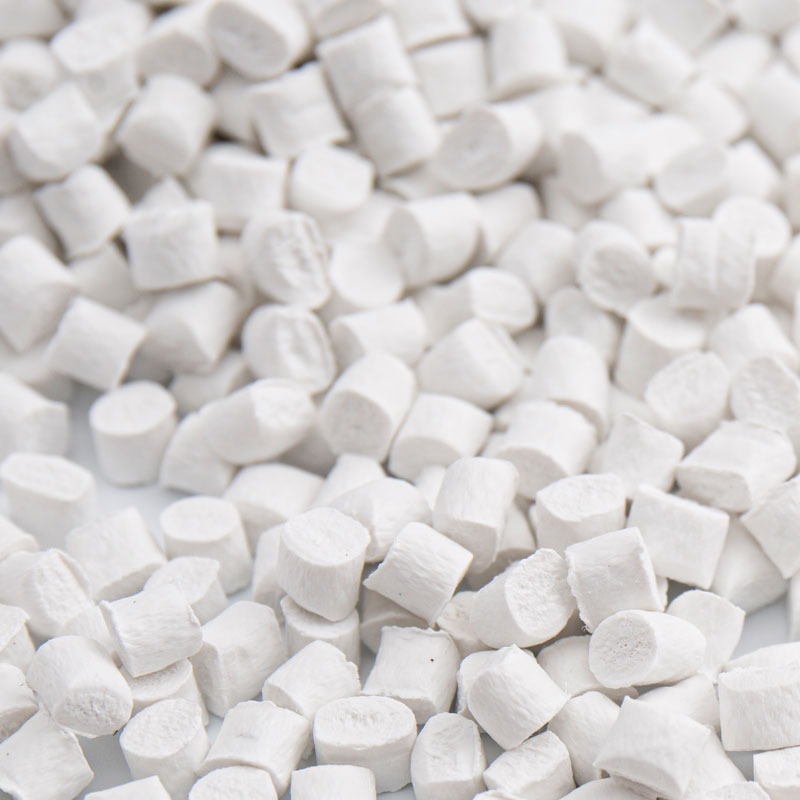
Modified polypropylene (PP) material is an indispensable high-performance polymer material in the modern water purification industry, which overcomes the limitations of pure PP through physical blending, chemical grafting, cross-linking, and other modification technologies, and obtains better mechanical strength, high temperature resistance, corrosion resistance, anti-pollution adhesion, hydrophilicity, and safety performance. It fully meets the strict standards of water treatment equipment, filter components, pipeline systems, and storage devices for raw materials, and has become the preferred material for manufacturing core components of water purification products.
Compared with traditional metal, glass and unmodified plastic materials, modified PP has obvious comprehensive advantages: it is non-toxic and tasteless, fully compliant with drinking water hygiene standards; it has strong chemical stability and will not react with conventional water treatment agents; it has light weight and easy processing, which reduces the production and transportation costs of water purification equipment; it has excellent fatigue resistance and long service life, reducing the frequency of equipment replacement and maintenance. In the global water purification industry, the application proportion of modified PP materials in filter housings, filter membranes, water distribution pipes, storage tanks, and other components has remained above 60% for a long time, and its market demand continues to grow with the upgrading of water treatment technology and the expansion of the drinking water safety industry.
The core value of modified PP in the water purification industry lies in its customizable performance. According to different application scenarios such as household water purifiers, industrial wastewater treatment, municipal water supply, and medical purified water preparation, targeted modification formulas can be developed to meet the differentiated needs of high flow rate, high precision filtration, high pressure resistance, low temperature resistance, and anti-microbial adhesion. This versatility makes modified PP irreplaceable in the water purification industry chain, and its technological innovation and application expansion will always be the core focus of the water treatment material field.
Basic Characteristics and Modification Principles of PP for Water Purification
Intrinsic Properties of Pure PP and Its Limitations in Water Purification
Polypropylene is a thermoplastic resin polymerized from propylene, which has the basic characteristics of low density, good chemical stability, and easy molding. Pure PP has certain applications in the early water purification industry, but its inherent defects limit its use in high-standard water treatment scenarios. First, pure PP has strong hydrophobicity, which leads to low water flux when used in filter components, affecting the purification efficiency; second, its low temperature impact resistance is poor, and it is prone to brittle cracking in low-temperature water environments; third, its heat distortion temperature is low, and it cannot adapt to high-temperature water treatment and disinfection processes; fourth, its anti-aging and anti-pollution adhesion performance is insufficient, and it is easy to adsorb impurities and microorganisms in water, shortening the service life of components.
These limitations make pure PP unable to meet the performance requirements of core components in the modern water purification industry, so material modification has become the only way to expand its application. The modification of PP for water purification is not a random technical adjustment, but a targeted optimization design based on the operating environment, functional requirements, and safety standards of water treatment equipment.
Main Modification Technologies and Mechanisms for Water Purification: PP Materials
The modification technologies of PP for water purification are mainly divided into physical modification and chemical modification, both of which aim to improve the material performance while retaining the non-toxic and environmental protection characteristics of PP, ensuring that it will not cause secondary pollution to water quality.
- Hydrophilic modification: By adding hydrophilic modifiers or grafting hydrophilic functional groups, the surface tension of PP is reduced, the water contact angle is significantly reduced, and the water permeability and filtration efficiency of filter materials are improved. This is the most widely used modification technology in water purification filter membranes and filter elements.
- Toughening modification: Adding elastomers, inorganic rigid particles, or polymer compatibilizers to improve the low-temperature impact resistance and mechanical strength of PP, so that the material can withstand water pressure impact and external force damage in pipeline systems and equipment housings.
- Heat-resistant modification: Through cross-linking modification or adding heat-resistant additives, the heat distortion temperature and long-term service temperature of PP are increased, making it suitable for high-temperature hot water treatment and high-temperature disinfection scenarios of water purification equipment.
- Anti-pollution and anti-microbial modification: Incorporating anti-microbial agents and anti-fouling functional components to inhibit the adhesion and reproduction of bacteria, algae, and organic impurities on the material surface, reduce the blockage of filter components, and extend the replacement cycle of water purification accessories.
- Reinforcement modification: Adding glass fiber, mineral filler, and other reinforcing materials to improve the rigidity, creep resistance, and pressure resistance of PP, meeting the high-strength requirements of large-scale water treatment equipment and high-pressure pipeline systems.
The synergy of multiple modification technologies can realize the comprehensive upgrade of PP performance. For example, the modified PP used in household reverse osmosis water purifiers combines hydrophilicity, toughening, and heat resistance, taking into account filtration efficiency, structural safety, and service life.
Key Performance Indicators of Modified PP Materials for the Water Purification Industry
Hygienic Safety and Non-toxicity Indicators
Hygienic safety is the primary core indicator of modified PP materials for water purification, which is related to the safety of drinking water and the health of users. Qualified water purification-grade modified PP must meet the national and international drinking water contact material standards, without heavy metal precipitation, no volatile organic compounds, no odor dissolution, and no toxic and harmful substances released during long-term immersion in water.
In practical applications, the modified PP used in direct drinking water equipment has passed strict water immersion tests, and the amount of dissolved solids is controlled within an extremely low range, far lower than the standard limit. This performance is achieved by selecting food-grade raw materials and non-toxic modification additives, rejecting any harmful additives that may pollute water quality, which is the basic guarantee for modified PP to be widely used in the water purification industry.
Mechanical and Pressure Resistance Properties
Water purification equipment and pipelines need to withstand long-term water pressure, water hammer impact, and external mechanical force, so the mechanical properties of modified PP are crucial. After modification, the tensile strength, bending strength, and impact strength of PP are significantly improved. The toughened and reinforced modified PP can withstand high internal water pressure without deformation, cracking, or damage, ensuring the airtightness and structural stability of the water purification system.
For example, the filter housing made of modified PP can work stably for a long time under the working pressure of household and commercial water purifiers, and will not burst or leak due to pressure changes. In municipal water supply pipelines, modified PP materials have excellent creep resistance, avoiding pipeline deformation and water leakage caused by long-term pressure bearing, and reducing the maintenance cost of water supply systems.
Chemical Corrosion Resistance and Water Stability
The water purification industry involves various water quality environments, including tap water, wastewater, purified water, and water containing trace treatment agents. Modified PP maintains excellent chemical stability in these environments, does not react with acids, alkalis, salts, and common water treatment chemicals in water, and does not corrode or rust like metal materials.
This characteristic makes modified PP suitable for both domestic drinking water treatment and industrial wastewater purification. Even in long-term water contact environments, the material structure remains stable, no performance degradation occurs, and the service life of water treatment components is effectively extended. Compared with metal materials, modified PP completely solves the problems of rust pollution and component failure caused by corrosion, which is a major advantage in water treatment applications.
Hydrophilicity and Anti-pollution Adhesion Properties
For filter components, hydrophilicity and anti-pollution adhesion directly determine the purification efficiency and service life. The hydrophilic modified PP reduces the water contact angle to a very low level, which greatly improves the water flux of the filter membrane and filter element, reduces the energy consumption of water purification, and realizes high-efficiency water treatment.
The anti-pollution modified PP can inhibit the adsorption of organic matter, suspended solids, and microorganisms in water, effectively slowing down the blockage speed of filter components. Practical application data shows that the filter element made of anti-pollution modified PP has a longer service cycle and higher filtration accuracy than the unmodified PP filter element, reducing the frequency of filter element replacement and the cost of users.
Main Application Scenarios of Modified PP Materials in the Water Purification Industry
Manufacturing of Core Filter Components
Filter components are the core of water purification equipment, and modified PP is the most important raw material for their production. Hydrophilic modified PP is widely used in the preparation of microfiltration and ultrafiltration membranes, which are the key components for removing suspended solids, bacteria, and colloids in water. The membrane material has uniform pore size, high water flux, and strong pollution resistance, ensuring the stability of the filtration effect.
PP melt-blown filter elements, the most commonly used pre-filtration components in water purifiers, are all made of modified PP. The modified PP has good fiber-forming performance, and the prepared filter element has a three-dimensional porous structure, which can effectively intercept sediment, rust, and other large particle impurities. The high strength and non-toxicity of modified PP ensure that the filter element will not deform or release harmful substances during use.
Production of Water Purification Equipment Housings and Structural Parts
The housings of household water purifiers, commercial water treatment equipment, and industrial purification devices are mostly made of reinforced and toughened modified PP. This material has high rigidity and impact resistance, can protect the internal filter elements and electronic components, and has the advantages of light weight, easy molding, and low cost.
In addition, the internal baffles, water distributors, and fixed brackets of water purification equipment are also manufactured with modified PP. The material has good processing performance, can be molded into complex structural parts, and has strong water stability, ensuring the long-term stable operation of the equipment structure in water environments.
Water Purification Pipeline and Connection System
Modified PP pipes are widely used in water purification equipment connections, household direct drinking water pipelines, and municipal water supply renovation projects. Compared with traditional metal pipes and PVC pipes, modified PP pipes have no scaling, no corrosion, a smooth inner wall, small water flow resistance, and can effectively avoid secondary pollution of water quality.
Heat-resistant modified PP pipes can withstand high-temperature hot water transportation, suitable for hot water purification systems. The pipe connection parts are also made of modified PP, realizing the integrated installation of the pipeline system, with good airtightness and long service life, which is the preferred choice for safe water transportation in the water purification industry.
Water Storage and Sterilization Equipment Components
Water storage tanks, pressure barrels, and sterilization equipment liners in water purification systems all use food-grade modified PP materials. These components need to store purified water for a long time, so the materials must be non-toxic, tasteless, and anti-microbial. Modified PP can inhibit the growth of bacteria, ensure the safety of stored water quality, and has good pressure resistance and heat resistance, adapting to the disinfection and sterilization process of water storage equipment.
Comparison Between Modified PP and Traditional Water Purification Materials
To highlight the advantages of modified PP materials in the water purification industry, we compare them with traditional metal, glass, unmodified plastic, and other materials in terms of performance, cost, and applicability, as shown in the table below:
| Material Type | Hygienic Safety | Corrosion Resistance | Mechanical Strength | Comprehensive Cost |
|---|---|---|---|---|
| Modified PP | Excellent | Excellent | High | Low |
| Stainless Steel | Good | Good | High | High |
| Glass | Excellent | Excellent | Low | Medium |
| Unmodified PP | Good | Medium | Low | Low |
From the comparison results, modified PP has obvious comprehensive advantages: it has the hygienic safety and corrosion resistance of glass, the mechanical strength close to stainless steel, and the low cost of unmodified plastic. It makes up for the defects of traditional materials and perfectly matches the multi-dimensional needs of the water purification industry for materials. This is the fundamental reason why modified PP has replaced traditional materials and become the mainstream choice in the water purification industry.
Quality Control and Standard Certification of Water Purification-grade Modified PP
Raw Material and Production Process Control
The quality control of water purification-grade modified PP starts from the selection of raw materials. Only food-grade PP resin and non-toxic, environmentally friendly modification additives that meet drinking water standards can be used for production. Any additives containing heavy metals, volatile organic compounds, and other harmful substances are strictly prohibited to ensure that the final material will not cause secondary pollution to water quality.
In the production process, precise control of modification process parameters is required to ensure the uniform dispersion of additives and the stability of material performance. Professional production equipment and quality testing systems are used to avoid performance differences caused by process fluctuations, ensuring that each batch of modified PP materials meets the performance requirements of the water purification industry.
International and Domestic Standard Certification
Water purification-grade modified PP must pass authoritative standard certification to enter the market. Internationally, it needs to meet the FDA food contact material standards, EU drinking water contact material standards, and other certifications; domestically, it must comply with the national hygienic standards for drinking water transmission and distribution equipment and protective materials.
These certifications require strict testing of material toxicity, dissolution, odor, microbial limit, and other indicators. Only modified PP materials that have passed professional testing and obtained certification can be used in the production of water purification equipment, which is an important guarantee for protecting water safety and user health. In the industry, certified water purification-grade modified PP is the only qualified raw material recognized by mainstream water purification equipment manufacturers.
Development Trend and Technological Innovation of Modified PP for the Water Purification Industry
High-performance and Functional Integration Development
The future development trend of modified PP for water purification is to achieve multi-functional integration and higher performance indicators. On the basis of existing modification technologies, researchers are developing composite modified PP with high hydrophilicity, high antibacterial, high heat resistance, and high strength integration to meet the needs of high-end water purification equipment, such as medical purified water preparation, semiconductor ultra-pure water treatment, and seawater desalination.
This integrated modified material can adapt to more extreme water treatment environments, further improve the efficiency and service life of water purification components, and promote the upgrading of water treatment technology. The performance improvement of modified PP will directly drive the overall technical progress of the water purification industry.
Environmentally Friendly and Recyclable Innovation
With the enhancement of global environmental awareness, the environmental protection and recyclability of modified PP materials have become an important research direction. The new water purification-grade modified PP adopts a recyclable resin formula and biodegradable modification additives, realizing the recycling of waste materials and reducing the environmental pollution caused by discarded water purification components.
Recycled modified PP has reached the same performance level as new materials through special modification processes, which not only reduces production costs but also conforms to the development concept of green and low-carbon. In the future, environmentally friendly, recyclable modified PP will become the mainstream of the industry and gradually replace traditional non-recyclable materials.
Customized and Specialized Material R&D
Different application scenarios of the water purification industry have differentiated requirements for material performance, and customized and specialized modified PP will become the development focus. For example, low-temperature resistant modified PP for cold regions, high-pressure resistant modified PP for industrial high-pressure water treatment, and anti-oil pollution modified PP for wastewater treatment are all targeted R&D directions.
This customized R&D model can maximize the performance advantages of modified PP, meet the personalized needs of different water treatment scenarios, and expand the application scope of modified PP in the water purification industry. With the refinement of water treatment technology, the demand for specialized modified PP will continue to grow.
Industry Value and Application Prospects of Modified PP Materials
Modified PP materials have created huge economic and social value in the water purification industry. Economically, its low cost and easy processing characteristics reduce the production cost of water purification equipment, making safe water purification products accessible to more families and enterprises; its long service life reduces the maintenance and replacement costs of water treatment systems, bringing long-term economic benefits to users.
Socially, the hygienic safety and excellent performance of modified PP ensure the safety of drinking water, reduce the risk of water pollution-induced diseases, and protect public health. It plays an important role in municipal water supply renovation, rural safe drinking water projects, and environmental wastewater treatment, and promotes the development of water environmental protection and public health undertakings.
Looking forward to the future, with the continuous growth of global demand for safe drinking water, the continuous upgrading of water treatment technology, and the innovation of modified PP materials, its application in the water purification industry will be further expanded. Modified PP will always be the core basic material of the water purification industry, and its technological progress and application expansion will continue to promote the high-quality development of the global water purification industry, making important contributions to solving water safety problems and improving water environmental quality.