 EN
EN English
 中文简体
中文简体 Español
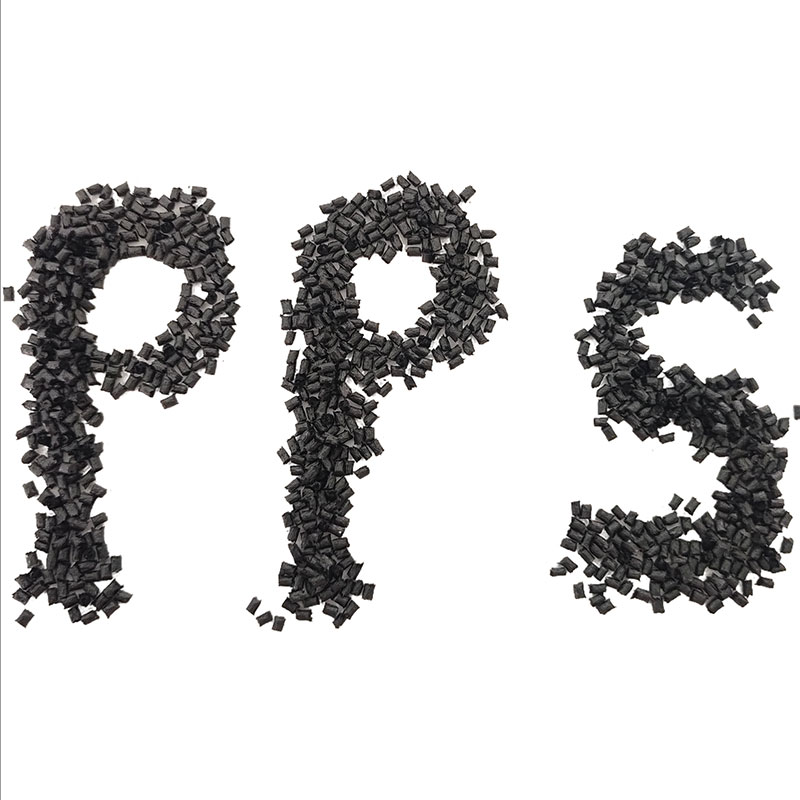
Your injection-molded pump housing cracks after 800 hours at 150°C in a caustic media. The glass-filled PA66 you specified holds shape, but the surface loses gloss and the dimensional tolerance drifts. This is the point where many design engineers move from standard nylons to PPS plastic pellets. Polyphenylene sulfide (PPS) is a semi-crystalline high-performance thermoplastic that handles continuous heat near 220°C, resists most acids and solvents, and burns only when directly exposed to flame.
The short answer: if your part sees long-term heat, aggressive chemicals, or tight dimensional requirements in a compact electrical housing, PPS is a serious candidate. But the pellets come in several modifications. Choosing the wrong filler can lead to warpage, weld-line weakness, or unnecessary cost. Here is a practical way to match a PPS pellet grade to your real production conditions.
What Makes PPS Plastic Pellets Different
PPS has an inherent molecular backbone that gives it a set of baseline properties common to every grade. These are the reasons engineers select it, and the limits they need to design around.
| Property | Typical Range | Why It Matters in Sourcing |
|---|---|---|
| Continuous service temperature | 200–220°C | Allows use in hot air, oil, and steam without creep |
| Melting point | 280–290°C | Sets the required barrel and mold temperatures |
| Flame retardancy | UL94 V-0 (inherent) | No halogenated flame retardant needed for many thin-wall parts |
| Chemical resistance | Excellent against acids, bases, and solvents | Survives fuel, brake fluid, and industrial cleaning agents |
| Water absorption | Less than 0.05% | Keeps dimensions stable in humid or wet environments |
| Dimensional stability | Low thermal expansion and creep | Maintains critical tolerances in mating components |
Notice that the unmodified resin is not a structural powerhouse. It is strong but brittle, and it can be difficult to process without reinforcement. That is why virtually every commercial PPS pellet for injection molding is sold with fillers or additives.
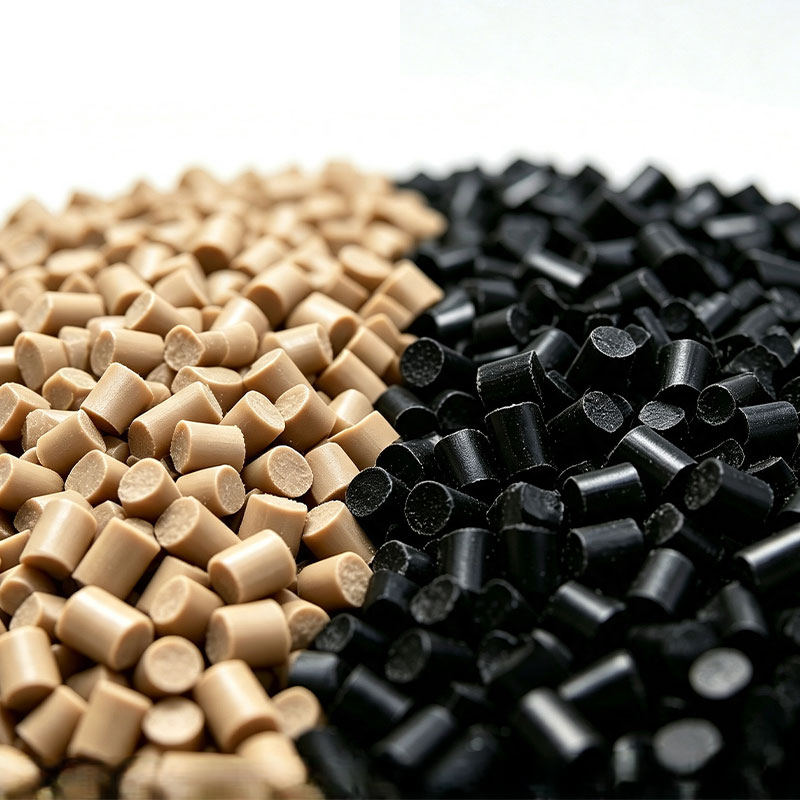
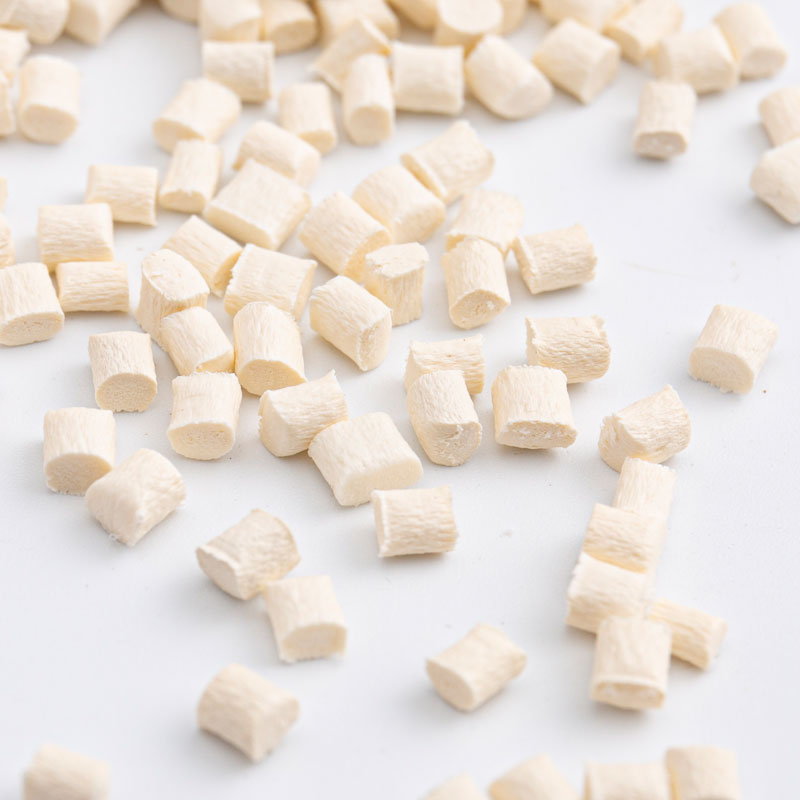
 Unfilled PPS Resin Properties and LimitationsPure PPS offers high heat resistance and chemical inertness but is brittle and tough to process without fillers. This overview explains why most commercial PPS grades are modified with reinforcements or additives.View Product →
How Additives Change PPS Pellets
The same PPS polymer behaves like a completely different material depending on the additive package. When you compare quotes from compounders, the filler content is the first thing you should look at.
Glass fiber 30–45%
Raises strength and rigidity, improves creep resistance, and lowers cost per kilogram. The trade-off is anisotropy: warpage and weld-line weakness increase with higher fiber content.
Carbon fiber 15–30%
Adds stiffness, thermal conductivity, and electrical conductivity. Good for ESD or EMI shielding, but brittleness and color precision become harder to control.
PTFE / lubricated
Reduces friction and improves wear resistance for moving parts. Often combined with glass or carbon to balance mechanical strength and sliding properties.
Mineral-filled
Reduces warpage and gives a smoother surface finish. Suitable for electrical insulation and close-tolerance parts that do not carry heavy structural loads.
Glass-Filled Grades: The Workhorse of PPS
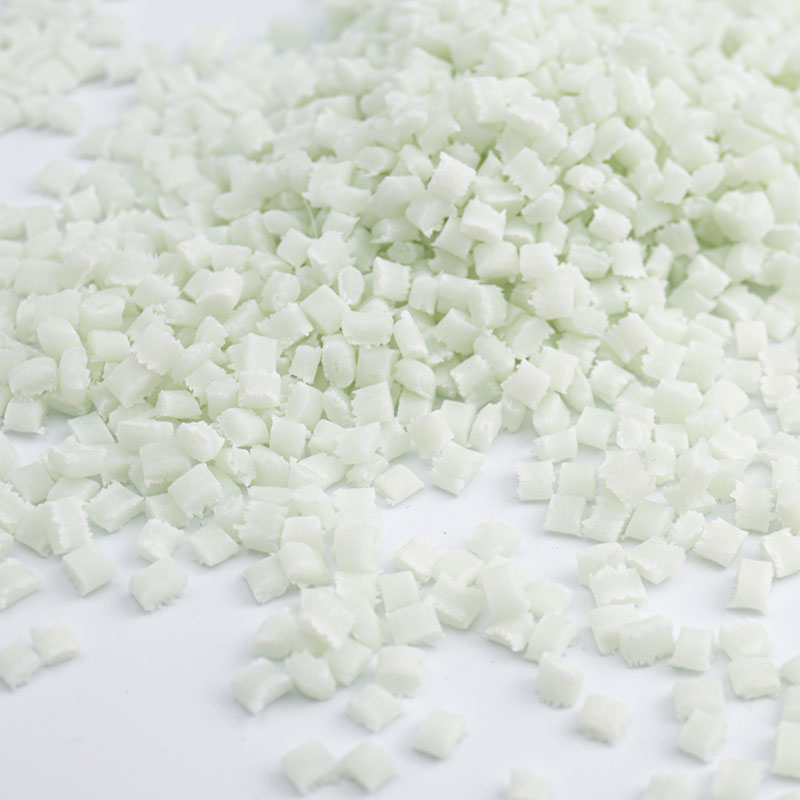
Glass-filled PPS is the most common form in industrial applications. A 45% glass loading adds the stiffness required for pump components, housings, and brackets. When the application involves long-term heat and high loads, this grade resists deformation better than many metal replacements.
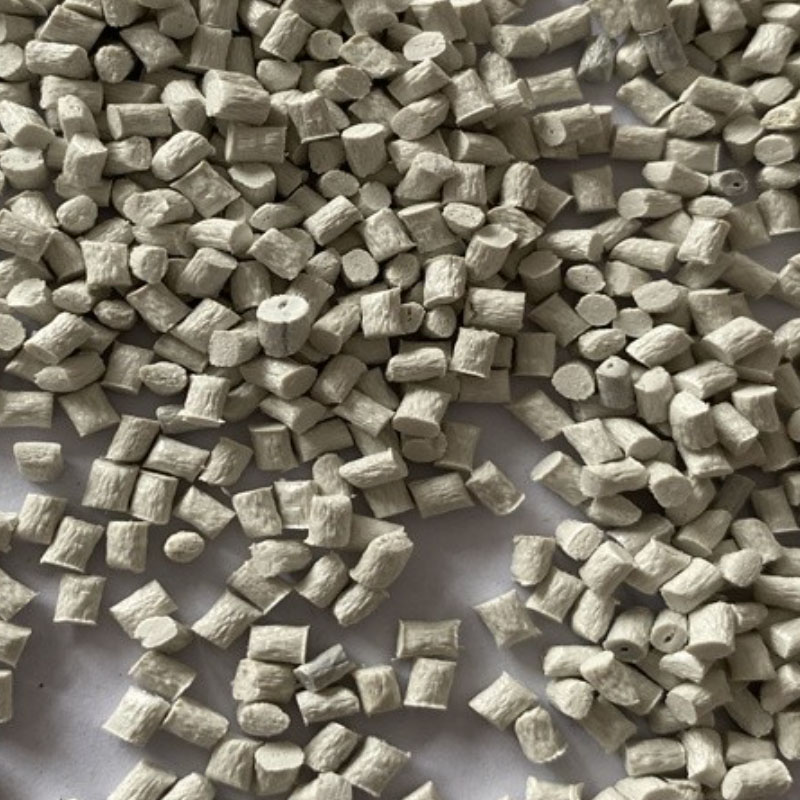
 45% Glass Fiber Reinforced PPS for StiffnessWith 45% glass fiber, this PPS grade delivers high rigidity and creep resistance, making it suitable for pump components, housings, and brackets under sustained heat and load.View Product →
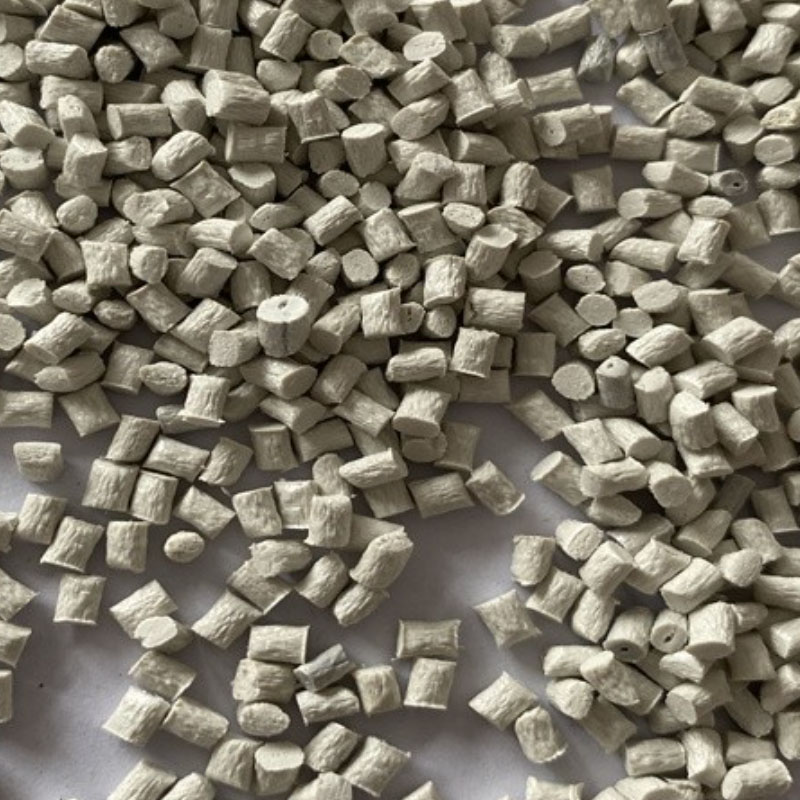
If your part requires both flame retardancy and better wear resistance, a PPS grade with glass and PTFE gives you a balanced solution for bushings, seals, and valve discs. The PTFE acts as a solid lubricant, so the material can run against mating surfaces without a separate grease system.
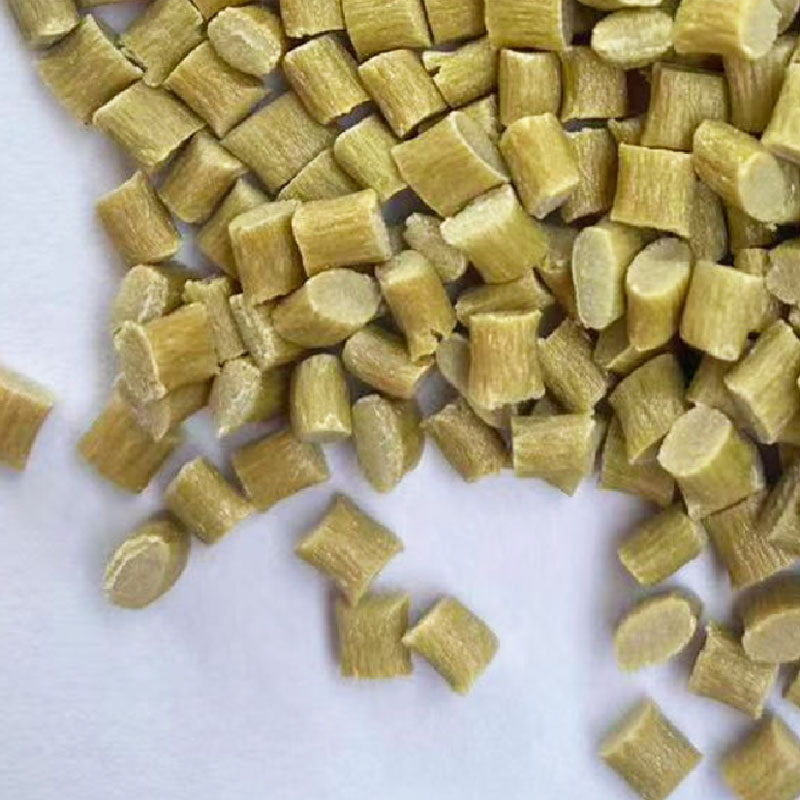
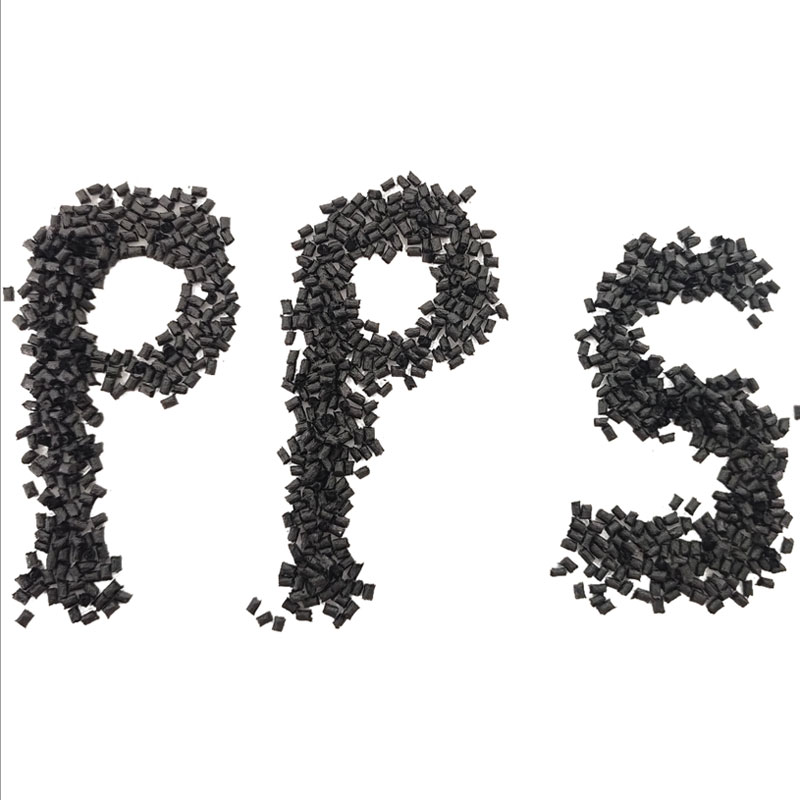 PPS with Glass and PTFE for Wear ResistanceCombining 30% glass fiber and PTFE, this flame-retardant grade provides self-lubrication and wear resistance, ideal for bushings, seals, and valve discs without separate greasing.View Product →
Before requesting a quote, decide whether your part is a structural component, a sliding surface, or both. This choice directly affects the filler ratio and the pellet price.
A Practical 4-Step Selection Route
When you are narrowing down a PPS pellet grade, work through these steps in order. This prevents the common mistake of picking a grade because it looks good on a datasheet but does not survive your molding process.
- Define the operating environment. List the maximum continuous temperature, chemical media, and mechanical load. A short-term peak of 260°C is different from a continuous 200°C exposure.
- Identify the critical property. Is it stiffness, dimensional stability, friction, conductivity, or flame retardancy? Do not try to optimize every property at once.
- Compare the filler system. Glass fiber gives stiffness, carbon fiber gives conductivity, PTFE gives wear resistance, and mineral fillers give flatness. Match the filler ratio to the critical property.
- Verify processability. Check the recommended barrel temperature, mold temperature, and residence time. High glass loadings need slower screw speeds and a robust hot runner system.
If you already know the answer to these four questions, you have narrowed the field to two or three grades. Ask the compounder for a trial batch and a full datasheet, not just a bulk price. This is the basis for a stable production run.
Where PPS Pellets Are Used Across Industries
The key to successful application is matching the grade to the stress profile, not just to the industry. Below are common use cases and the pellet grade that typically fits them.
Automotive components
Fuel system parts, power steering components, and scroll compressors need continuous heat plus chemical resistance. A 40–45% glass-filled PPS carries the load and resists short-term oil exposure.
Electrical and electronic parts
Relay housings, connectors, and bobbins require V-0 flame retardancy and low outgassing. Unfilled or mineral-filled PPS provides the insulation path with good dimensional control.
Industrial equipment
Pump and valve bodies, impellers, and wear rings run in corrosive or hot media. Glass-filled PPS with a PTFE additive is commonly used here to combine mechanical strength and sliding properties.
Chemical process equipment
PPS resists chlorinated solvents, weak acids, and alkali at elevated temperature. In piping and scrubber components, the low water absorption keeps flanges and seals from swelling.
Common Sourcing Risks and How to Avoid Them
PPS pellets can be more expensive than standard engineering plastics, so the stakes are higher when something goes wrong. These are the risks procurement teams encounter most often, and what you can do about them.
| Risk | What You See | Mitigation |
|---|---|---|
| Batch-to-batch inconsistency | Mold filling changes or dimensional variance between shipments | Require a certificate of analysis for each lot and test first-article parts before accepting the full quantity |
| Moisture pickup | Silver streaks or surface defects after molding | Specify sealed PA packaging and request drying recommendations from the compounder |
| Warpage on glass-filled grades | Molded part bends or twists after cooling | Use mineral-filled or low-warpage grades for flat, thin-wall parts |
| Over-specification | Buying expensive carbon fiber reinforcement for a part that only needs stiffness | Compare required performance against glass-filled or mineral-filled alternatives |
One additional factor is the level of quality certification your supply chain requires. If you feed automotive or medical lines, ask whether the compounder holds IATF16949 and whether the material is compatible with your existing sustainability targets. This article on PPS grade evaluation criteria walks through the technical questions you should ask a supplier.
Frequently Asked Questions
Is PPS plastic pellet safe to pelletize?
Yes, but the high melting point requires a barrel temperature around 300–320°C. Moisture in the pellets can cause degradation, so drying is essential before processing.
Can PPS pellets replace PEEK in less demanding high-temperature applications?
In many cases yes, if the maximum continuous temperature is below 220°C and impact toughness is not the primary requirement. PEEK is stronger and tougher at higher temperatures, but also significantly more expensive.
How do I know which filler percentage to choose?
Start with the required stiffness and the flatness tolerance. If the part has a long flow length and thin walls, choose a lower glass content or a mineral-filled grade. For high modulus, use 40–45% glass.
Does PPS plastic pellet require special mold materials?
Yes. High glass-filled grades are abrasive, so use hardened tool steel and chrome-plated runners. The mold temperature should be maintained around 140–160°C for optimum crystallinity.
Choosing PPS plastic pellets is not about finding the most expensive grade. It is about matching the filler system to the thermal and chemical environment your part will face in service. Start with the four selection steps, confirm the critical property, and work with a compounder who can supply consistency and technical support. A grade that fits your process today will keep your production stable for years.