 EN
EN English
 中文简体
中文简体 Español
| Product Description | |||||
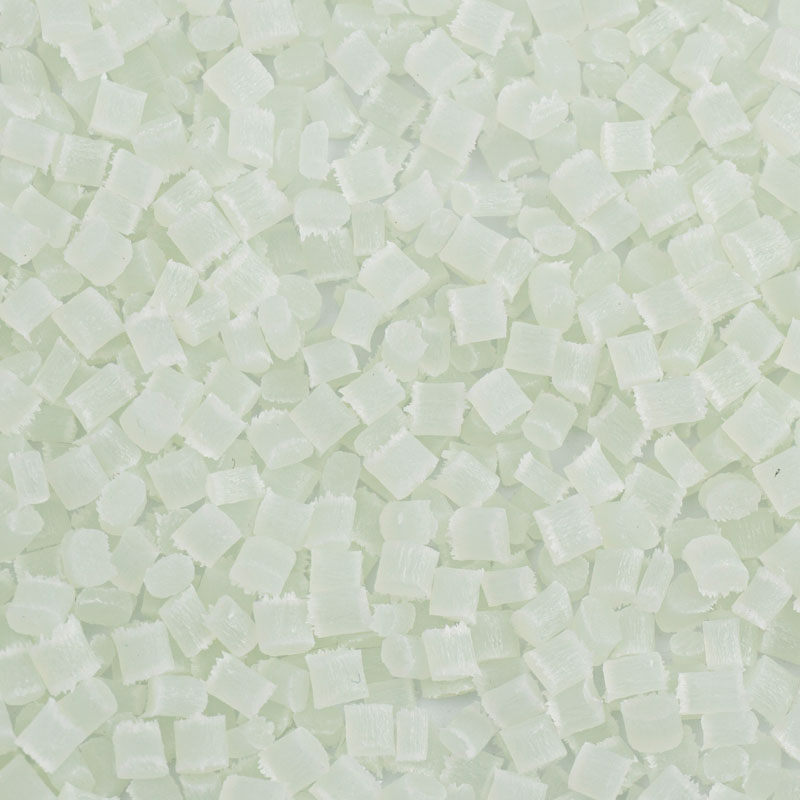
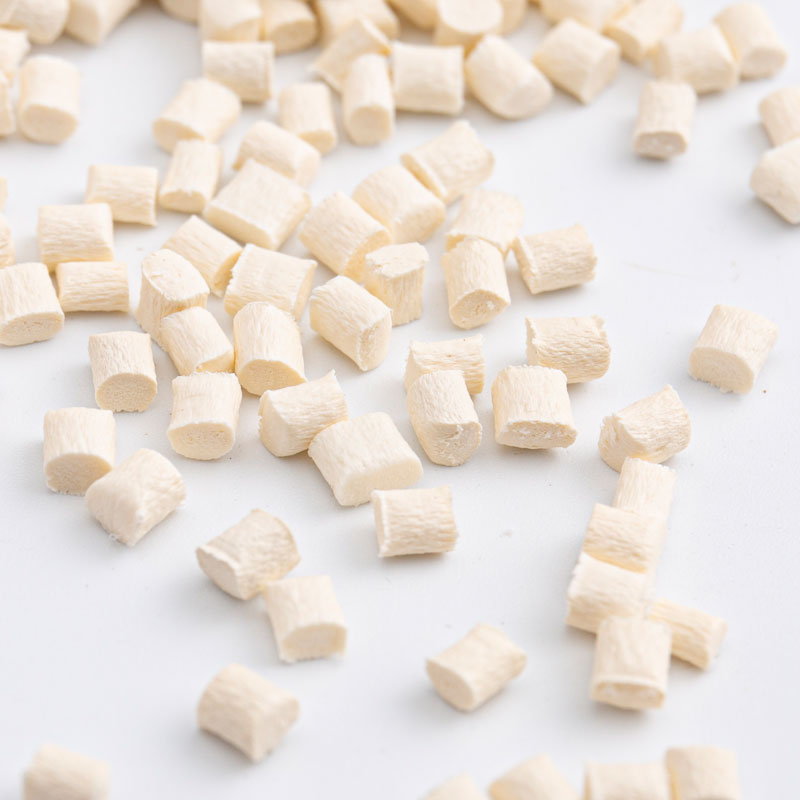
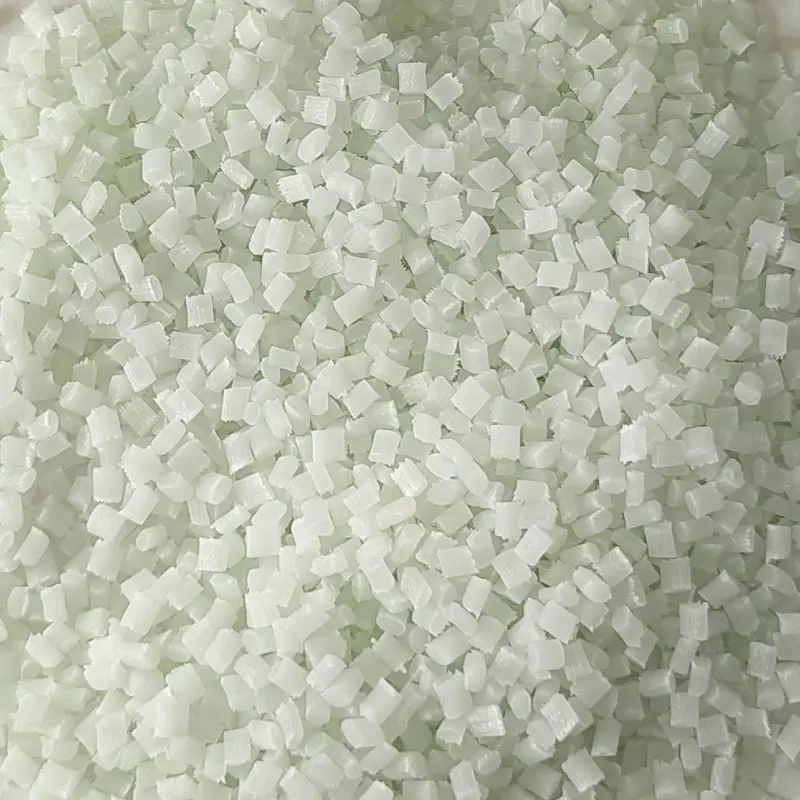
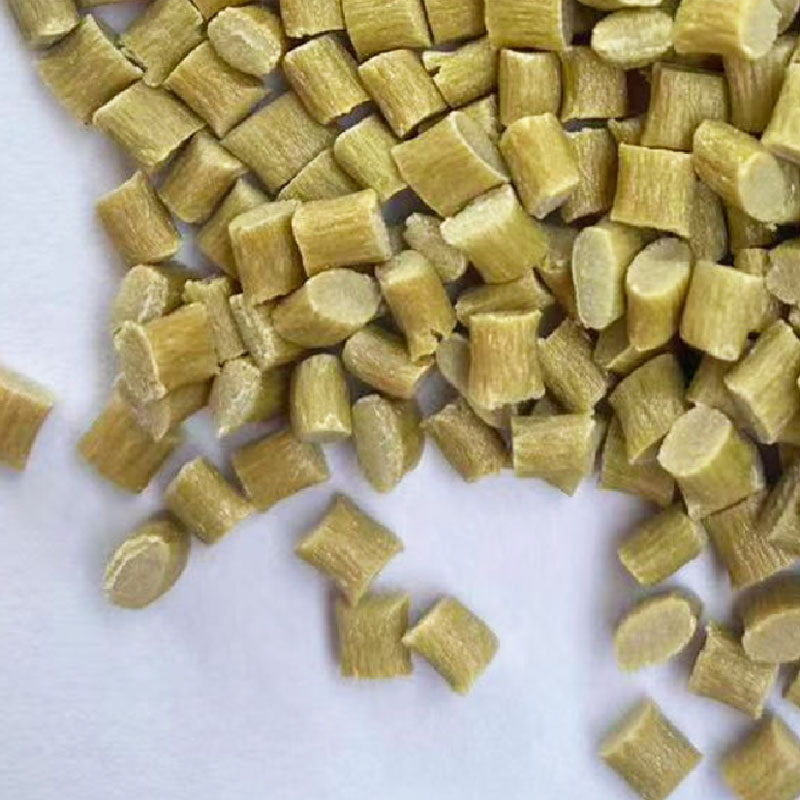
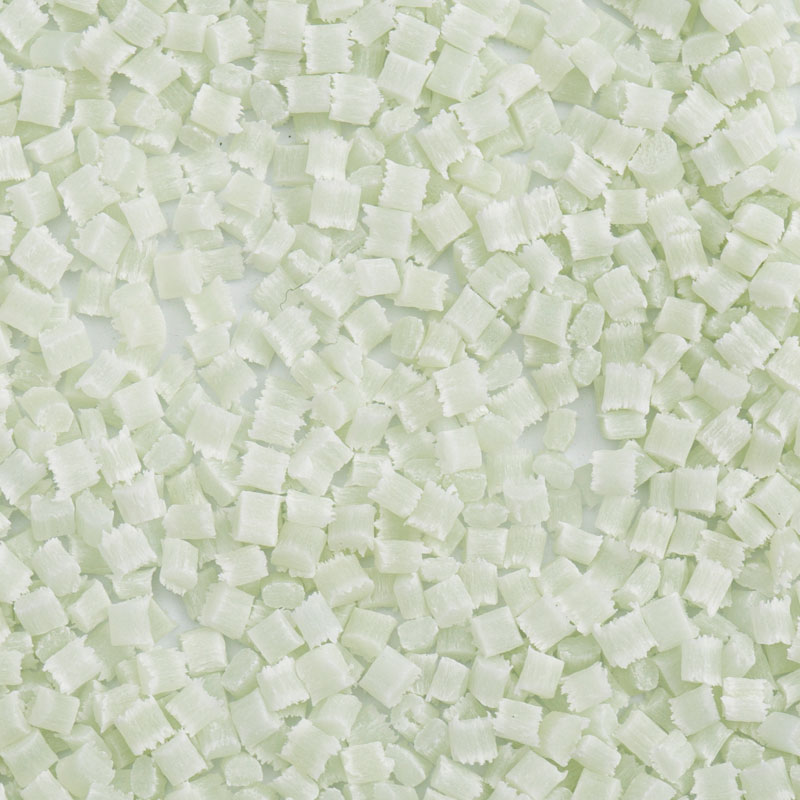
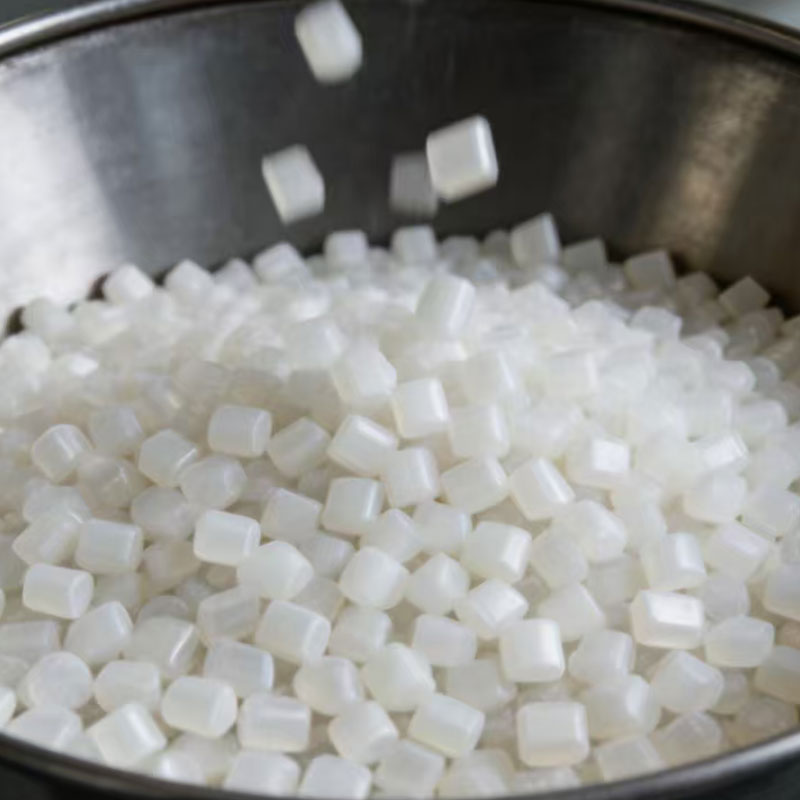
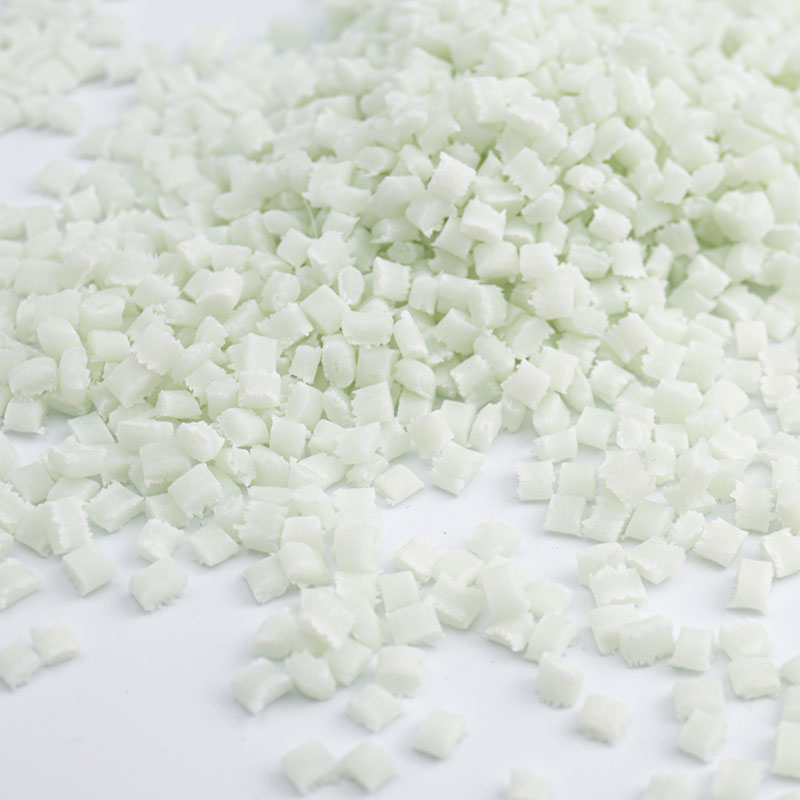
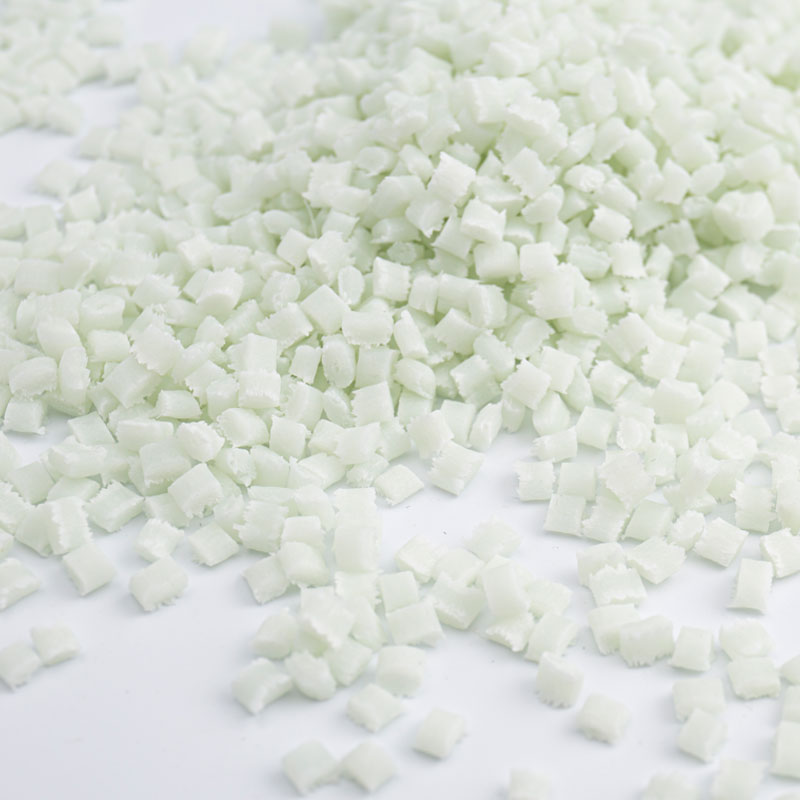
| Resin Identification | 30% glass-fiber reinforced, high-rigidity, laser-engravable, dimensionally stable, and solder-resistant | ||||
| Color | Natural color or typical color | ||||
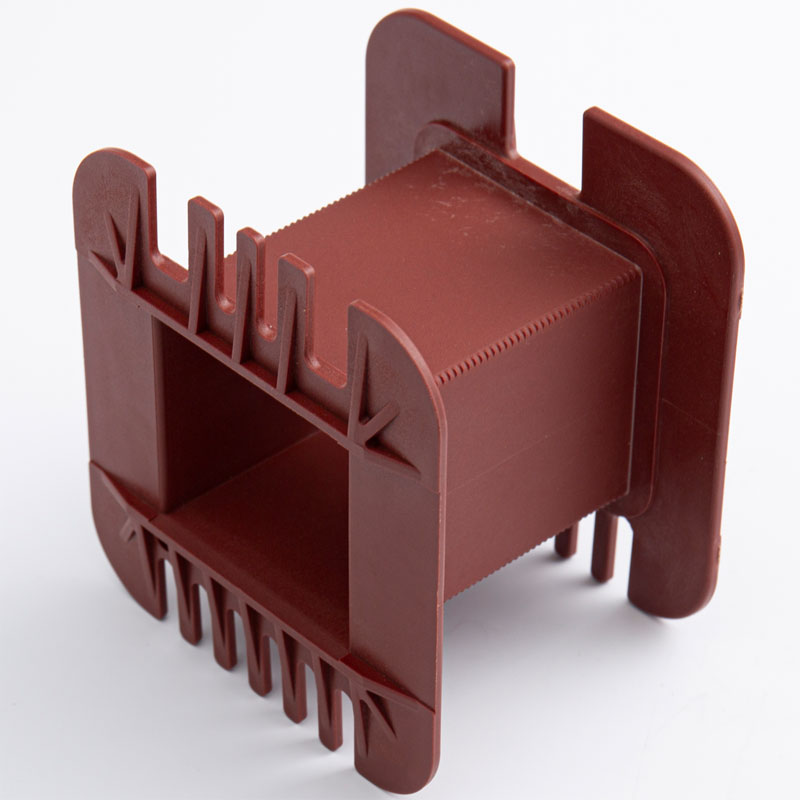
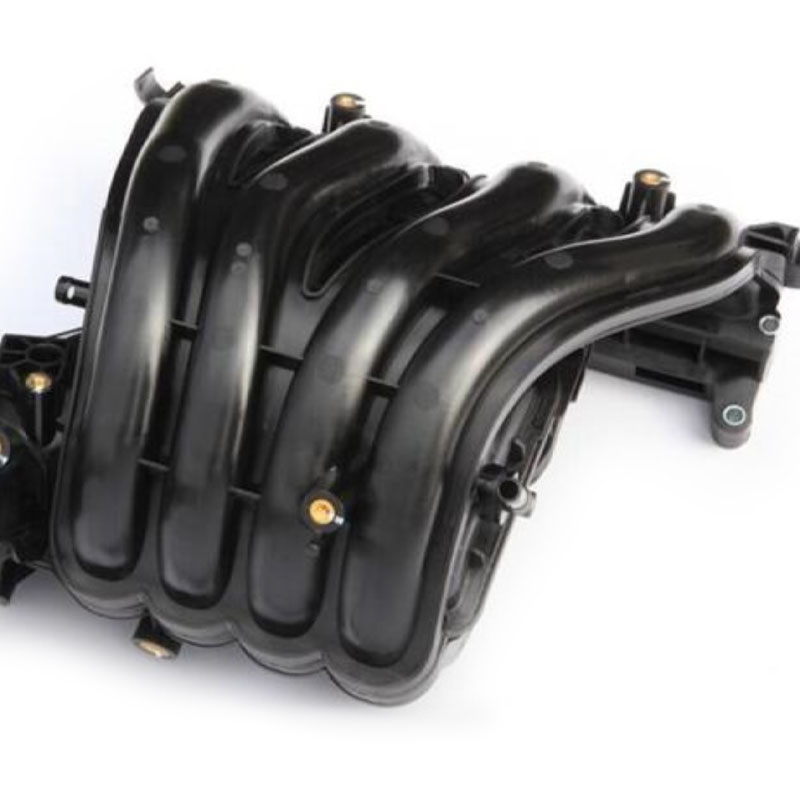
| Main applications | Electrical components, locomotive components, automotive components, radiator tanks, automotive cooling systems | ||||
| Processing Method | Injection Molding | ||||
| Typical Properties | Test Method | Test Condition | Value | Unit | |
| Physical Properties | |||||
| Density | DIN EN ISO1183 | 23℃ | 1.36 | g/cm³ | |
| Melt Flow Rate | DIN EN ISO 1133 | 275℃/10kg | 33 | g/10min | |
| Shrinkage | GB 15585 | 0.2—0.4 | % | ||
| Mechanical Properties | |||||
| Tensile Strength | DIN EN ISO 527 | 50mm/min | 180 | MPa | |
| Elongation at Break | 3 | % | |||
| Flexural Strength | DIN EN ISO 178 | 2mm/min | 255 | MPa | |
| Flexural Modulus | 9000 | MPa | |||
| Tensile modulus | DINEN ISO 527 | 2mm/min | 11000 | MPa | |
| Izod Notched Impact Strength | JEN ISO 180 | 4mm,23℃ | 16 | KJ/M² | |
| The cantilever beam has no lack of impact strength | DIN EN ISO 180 | 4mm,23℃ | 85 | KJ/M² | |
| Thermal Performance | |||||
| Heat Deformation Temperature | DIN EN ISO 75 | 1.8MPa,unannealed | 210 | ℃ | |
| Heat Deformation Temperature | DIN EN ISO 75 | 0.45MPa,unannealed | 215 | ℃ | |
| Melting temperature | DIN EN ISO 3146 | DSC | 225 | ℃ | |
| Flame retardant properties | |||||
| Flame retardant properties | UL94 | 0.75mm | HB | ||
| Flame retardant properties | UL94 | 1.5mm | HB | ||
| Flame retardant properties | UL94 | 3mm | HB | ||
| Glow wire flammability index | IEC60695-2-12 | 0.75mm | 650 | ℃ | |
| Glow wire flammability index | IEC60695-2-12 | 1.5mm | 650 | ℃ | |
| Glow wire flammability index | IEC60695-2-12 | 3mm | 750 | ℃ | |
"Note:(1) The data provided are typical values and are intended solely as a reference for customers. They do not constitute a guarantee of minimum or maximum quality standards, nor do they serve as a guarantee for any other purpose.
(2) Performance may vary depending on the color."
"Note: The data and information in this document are based on our current knowledge and experience. Should new knowledge or experience become available in the future, we reserve the right to modify the information and data in this document without prior notice. As usage conditions and applicable laws may vary by location and time, it is the customer’s responsibility to determine whether the products and product information in this document are suitable for their use, and to ensure that their worksite and methods of handling the products comply with applicable laws and other government regulations. Lishu New Materials assumes no liability or obligation regarding the information in this document and makes no warranties. All implied warranties regarding the merchantability of the products or their fitness for a particular purpose are hereby expressly excluded."
| Typical Injection Molding Process | ||
| Plastic Drying | ||
| Drying Time | 3~4h | |
| Drying Temperature | 100~120℃ | |
| Drying Equipment | Hot-air dryer | |
| Drying Type | Continuous drying (production process) | |
| Injection Molding Process | ||
| Nozzle Section | 250~270℃ | |
| Plastics Section | 260~280℃ | |
| Conveying Section | 240~260℃ | |
| Maximum Injection Temperature | 310℃ | |
| Injection Pressure | 60~120MPa | |
| Injection Speed | 30~75mm/s | |
| Plasticization Pressure Velocity | Pressure: 65–100 MPa; Speed: 60–85 mm/s | |
| Plasticization Back Pressure | 10~40MPa | |
| Recommended Mold Temperature | 80~120℃ | |
Note: The injection molding process described above may vary depending on factors such as the product’s shape, mold design, and injection molding machine specifications; specific adjustments should be made based on actual conditions.