 EN
EN English
 中文简体
中文简体 Español
| Product Description | ||||
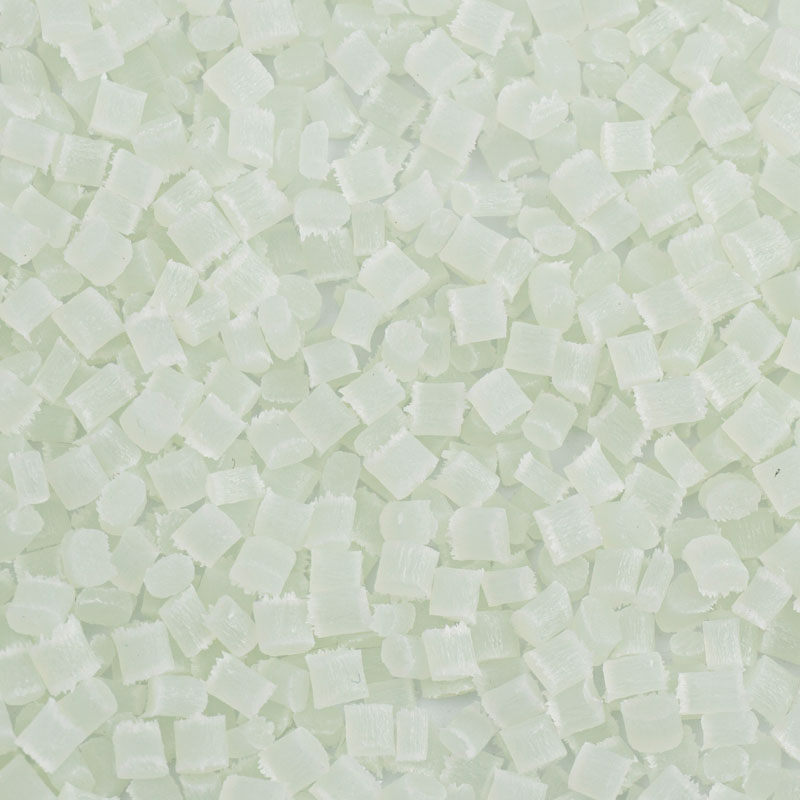
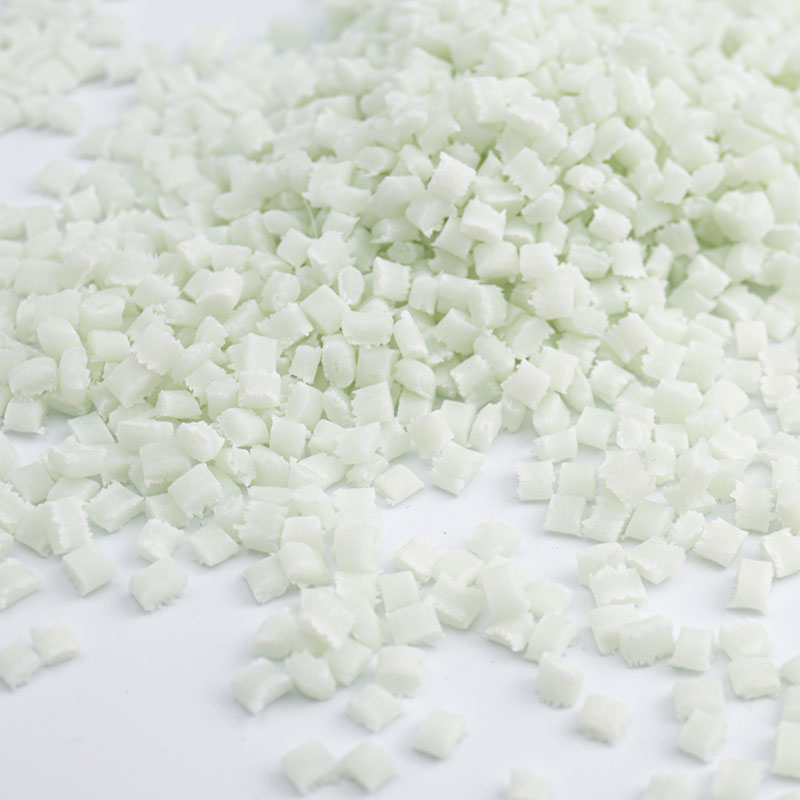
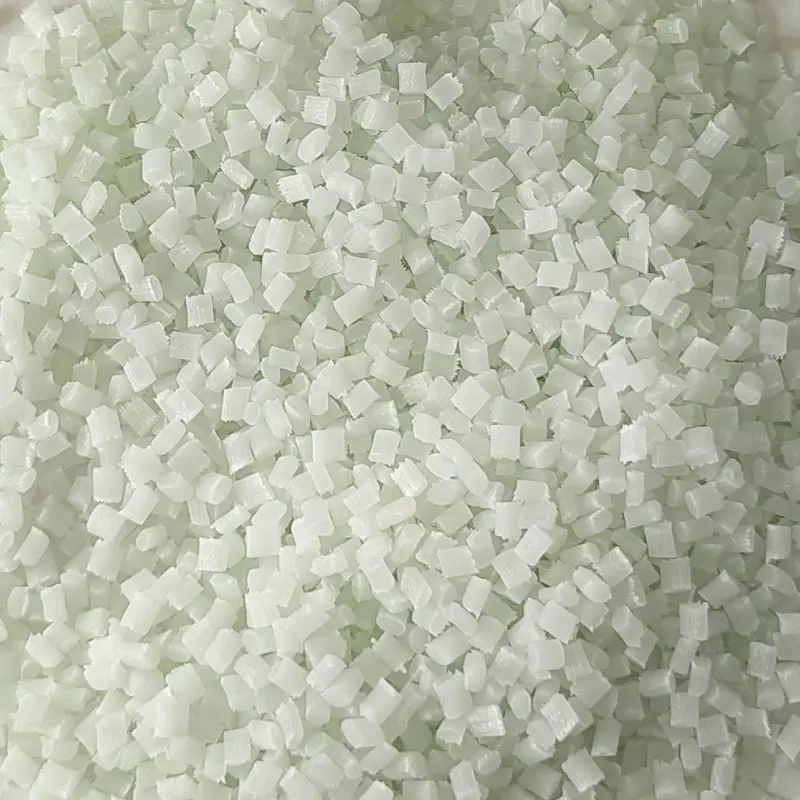
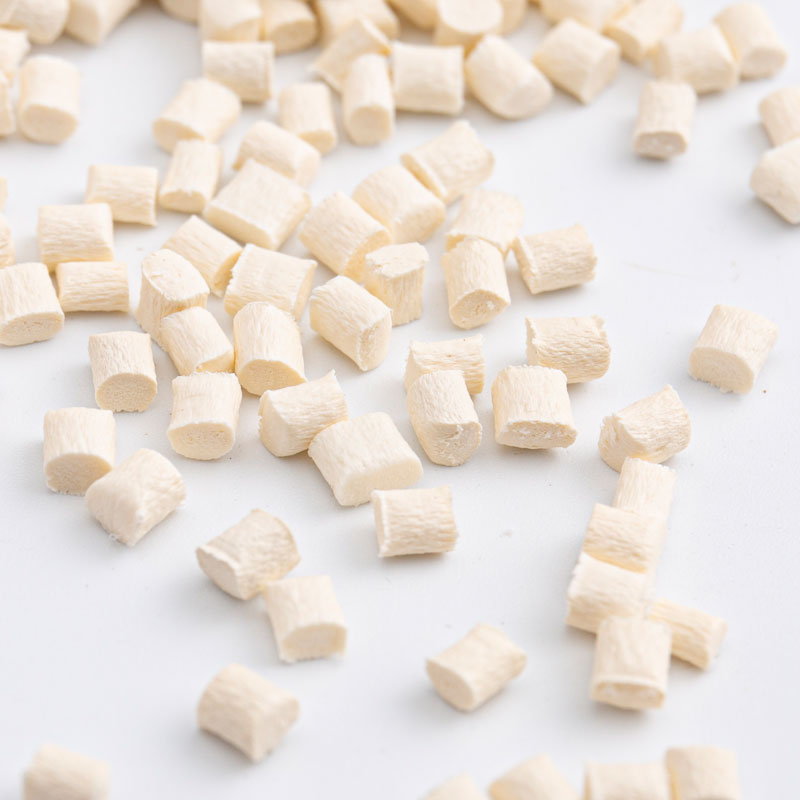
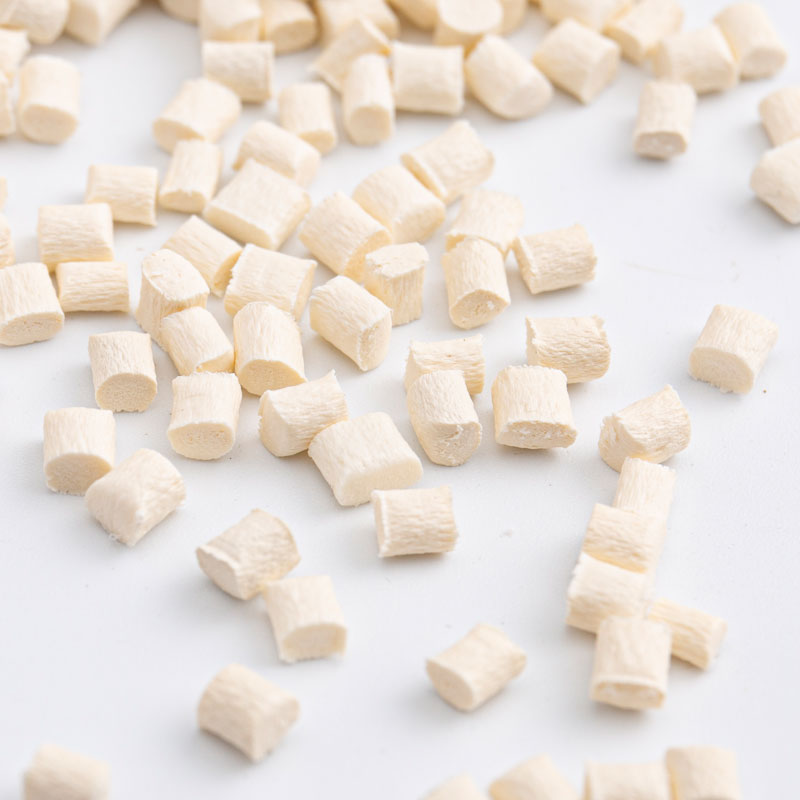
| Resin Identification | 30% glass fiber reinforced, Resistant to heat up to 210 degrees and maintaining stable size | |||
| Color | Natural or typical colors | |||
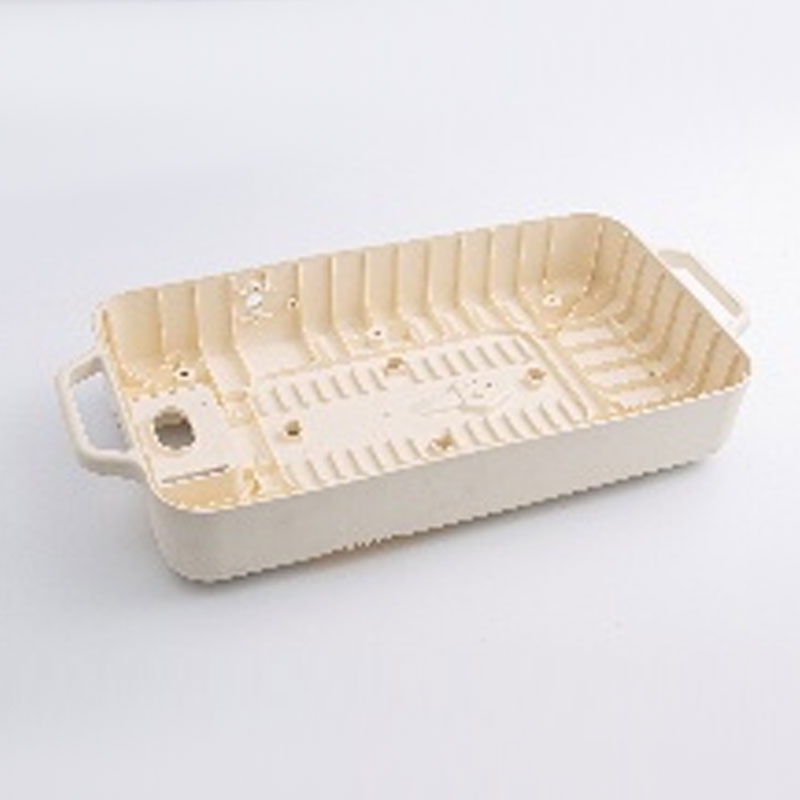
| Main applications | Electrical parts, electronic parts Electric hot pot base, air fryer handle, electric frying pan, handle | |||
| Processing Method | Injection Molding | |||
| Typical Properties | Test Method | Test Condition | Value | Unit |
| Physical Properties | ||||
| Density | DIN EN ISO 1183 | 23℃ | 1.51~1.53 | g/cm³ |
| Melt Flow Rate | DIN EN ISO 1133 | 250℃/10kg | ≥12 | g/10min |
| Shrinkage | GB 15585 | 0.5-1.2 | % | |
| Mechanical Properties | ||||
| Tensile Strength | DIN EN ISO 527 | 50mm/min | 90 | MPa |
| Tensile modulus | 7600 | MPa | ||
| Elongation at Break | ≥0.8 | % | ||
| Flexural Strength | DIN EN ISO 178 | 2mm/min | 115 | MPa |
| Flexural Modulus | 6000 | MPa | ||
| Izod Notched Impact Strength | DIN EN ISO 180 | 4mm,23℃ | ≥8 | KJ/M2 |
| Thermal Performance | ||||
| Heat Deformation Temperature | DIN EN ISO 75 | 1.8MPa unannealed | 205 | ℃ |
| Heat Deformation Temperature | DIN EN ISO 75 | 0.45MPa unannealed | 220 | ℃ |
| Vika softens | DIN EN ISO 306 | 228 | ℃ | |
| Others | ||||
| Flame retardant properties | UL94 | 0.75 | HB | |
| Flame retardant properties | UL94 | 1.5mm | HB | |
| Flame retardant properties | UL94 | 3mm | HB | |
Note: (1) The data is a typical value and is only used as a reference for customers, not as a guarantee of the lowest or highest value of the quality index or any other purpose. (2) Different color performance may be different.
Note: The data and information in this article are based on our current knowledge and experience. If new knowledge and experience arise in the future, it is not excluded that the information and data in this text may be modified without prior notice. Because conditions of use and applicable laws may vary from place to place and from time to time, it is the Customer's responsibility to determine whether the products and product information contained herein are appropriate for Customer use and to ensure that the Customer's workplace and handling of the products comply with applicable laws and other government regulations. Linsu New Materials does not assume any responsibility and obligation for the information in this text, and does not provide any warranty. All implied warranties of merchantability or fitness for a particular purpose contained in this document are expressly excluded
| Typical Injection Molding Process | ||||
| Plastic Drying | ||||
| Drying Time | 2~4h | |||
| Drying Temperature | 90~110℃ | |||
| Drying Equipment | Hot-air dryer | |||
| Drying Type | Continuous drying (in the production process) | |||
| Injection Molding Process | ||||
| Nozzle Section | 230~250℃ | |||
| Plastics Section | 240~260℃ | |||
| Conveying Section | 230~260℃ | |||
| Maximum Injection Temperature | 280℃ | |||
| Injection Pressure | 40~120MPa | |||
| Injection Speed | 30~75mm/s | |||
| Plasticization Pressure Velocity | Pressure: 65~100MPa, speed: 60~85mm/s | |||
| Plasticization Back Pressure | 10~40MPa | |||
| Recommended Mold Temperature | 80~120℃ | |||
1. Excellent Mechanical Properties:
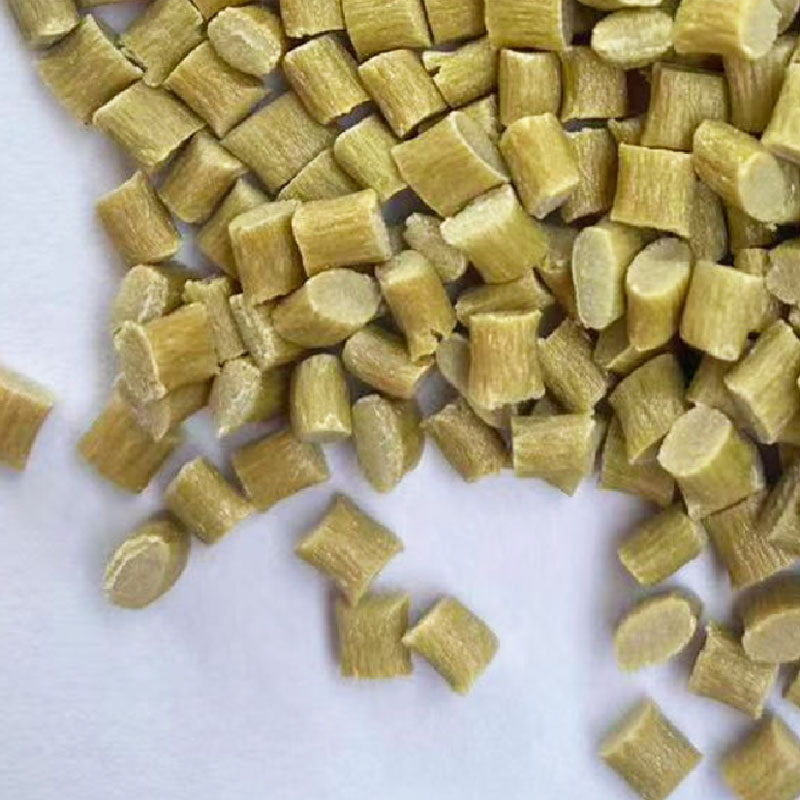
High strength and high rigidity: The 30% glass fiber acts like “reinforcing steel bars” embedded in the plastic matrix, greatly improving tensile strength, flexural strength, and modulus (rigidity) compared with unreinforced plastics. It can withstand relatively large external forces without easy deformation or fracture.
Outstanding dimensional stability: The addition of glass fiber significantly reduces the material’s coefficient of thermal expansion and water absorption. The dimensions of molded parts change very little with temperature and humidity variations, ensuring precise fitting and long-term reliability of components.
2. Excellent Heat Resistance:
High heat distortion temperature: Its heat distortion temperature (HDT @1.82 MPa) can typically reach above 200°C, and the long-term service temperature is usually 120–140°C. This means it can maintain its shape and functionality in high-temperature environments (such as components near heating elements).
Good flame retardancy: Although pure PBT already has certain flame-retardant properties, through modification (such as adding flame retardants), it can easily achieve UL94 V-0 rating (the highest flame retardant level), which is essential for safety-sensitive small household appliances.
3. Good Electrical Properties:
Excellent insulation performance: Even in high-temperature and high-humidity environments, it can maintain good insulation resistance and dielectric strength, making it suitable for electrical components and structural parts carrying current.
Arc resistance: It has relatively good arc resistance and is suitable for switches, connectors, and other parts where electrical sparks may occur.
4. Chemical Resistance and Fatigue Resistance:
Chemical resistance: It has good resistance to oils, organic solvents (such as gasoline and alcohol), and cleaning agents, and is not easily corroded or stress-cracked.
Fatigue resistance: Under repeated mechanical stress (such as opening/closing and vibration), performance degrades slowly, resulting in a longer service life.
5. Good Processing Performance:
It has fast crystallization speed, short molding cycles, and high production efficiency.
It also has good flowability, making it easy to fill complex molds.
Main disadvantages / precautions:
Anisotropy: Glass fibers are oriented along the flow direction, leading to differences in strength and shrinkage rates between the flow direction and the perpendicular direction, which may cause warping. This needs to be controlled through mold design and processing techniques.
Notch sensitivity: Designs with sharp edges are prone to cracking under stress.
Poor resistance to strong alkalis and long-term hot water immersion.
Typical Applications in the Small Household Appliance Industry
Thanks to its comprehensive advantages in heat resistance, strength, flame retardancy, and insulation, PBT GF30 is mainly used in small appliances requiring heat resistance, stress resistance, or safety-critical structural parts.
1. Kitchen Appliances:
Coffee machines / water dispensers: Hot water boiler housings, pump bodies, pipeline connectors, and handle supports. These parts are exposed to high-temperature water or steam for long periods and must withstand certain water pressure. The heat resistance and creep resistance of PBT GF30 make it highly suitable.
Food processors / blenders: Motor brackets, gears, and blade shaft sleeves. High rigidity is required to support high-speed motors and blades while resisting strong vibration and torque to ensure stable operation.
Rice cookers / pressure cookers: Internal cover components and steam valve bodies. These require resistance to high-temperature steam and food-grade safety.
Air fryers / ovens: Internal fan blades, heating element brackets, and door hooks. Parts near high-temperature heating elements must not deform or release harmful substances under heat.
2. Personal Care Appliances:
Hair dryers: Motor brackets, fan blades, heating element supports (parts away from direct heating wires), and internal handle structures. This is a classic application of PBT GF30, requiring high-speed mechanical strength, heat resistance, and flame-retardant safety.
Curling irons / hair straighteners: Outer housings, hinge mechanisms, and internal snap-fit structures. These parts must withstand certain temperatures (usually below the heat resistance limit of PBT) while maintaining structural integrity and precision.
Electric shavers: Internal structural supports and cutter head mesh supports. High dimensional precision and rigidity are required.
3. Home Environmental Appliances:
Vacuum cleaners: Motor end covers, impellers, and internal structures of high-suction nozzles. These parts must withstand centrifugal force and vibration generated by high-speed motor rotation, requiring extremely high mechanical strength and fatigue resistance.
Fans / heaters: Fan blades, oscillating gearboxes, and air outlet grilles. Fan blades require good balance, high rigidity, and long-term deformation resistance; gearbox components require wear resistance and dimensional stability.
4. General Components:
Various internal brackets, bases, and housings of electrical appliances (especially parts requiring structural strength).
Connectors and switches utilize its excellent electrical insulation and flame retardancy.
PBT GF30 is a “all-rounder” high-performance engineering plastic. Through glass fiber reinforcement, it achieves an excellent balance between heat resistance, structural strength, dimensional stability, and flame-retardant safety—while still maintaining good processability and acceptable cost.