 EN
EN English
 中文简体
中文简体 Español
Choosing a plastic pellets manufacturer is not just about price per kilogram. The real differentiators are material consistency, custom compounding capability, and traceable quality systems. If you are sourcing for injection molding, extrusion, or specialized engineering applications, a partner who can match a formulation to your part geometry, performance targets, and production volume will save you more time and cost than a lower unit price ever will. Below is a practical decision framework for evaluating manufacturers, with a focus on the questions that matter in actual procurement and production.
What Defines a Reliable Plastic Pellets Manufacturer?
A dependable manufacturer does more than melt and pelletize resin. They should control the entire chain from raw material consistency to final batch quality. Use the quick reference below to filter candidates when comparing suppliers.
Material Range
A broad base resin portfolio lets you avoid multi-source complexity and shortens supplier qualification efforts.
Custom Compounding
The manufacturer should own formulation design, small-scale trial, pilot validation, and scale-up capability.
Batch Consistency
Similar melt flow and additive loading across batches directly affects your scrap rate and downstream reproducibility.
Certifications
GRS, IATF16949, and CQC indicate auditable quality management and material compliance for demanding industries.
Supply Capacity
Large annual capacity supports recurring seasonal demand, safety stock, and expansion without supply interruptions.
Technical Support
Fast response for resin selection, mold troubleshooting, and product failure is critical when material issues interrupt production.
These six factors are not equally weighted. If your project is a high-volume consumer application, batch consistency and supply capacity will dominate. For a specialized OEM part, custom compounding and technical support become the deciding criteria.
Key Plastic Pellet Material Types and Typical Uses
Choosing the right pellet family is the first step in controlling part performance. The table summarizes common plastic pellet types, typical reinforcing additives, and the main considerations that matter when you are evaluating a supplier.
| Material Family | Common Enhancers | Typical Applications | Key Considerations |
|---|---|---|---|
| PPA (Polyphthalamide) | GF30, CF20, PTFE | Automotive electrical parts, structural housings | High heat resistance but requires proper drying before molding. |
| PEEK (Polyether Ether Ketone) | GF30, CF30, CF20 | Aerospace sealing, high-load internal components | Premium performance for extreme thermal and mechanical conditions. |
| PPS (Polyphenylene Sulfide) | GF45, GF30-PTFE | Pump and valve components, flame-retardant wear parts | Excellent chemical resistance and dimensional stability. |
| PA66 (Nylon 66) | GF30, CF30, MoS2 | Gear housings, structural brackets, conductive parts | Balanced mechanical strength and good machinability. |
| PP (Polypropylene) | V0, 5VA, UVC | Water tanks, cosmetics packaging, electrical housings | Cost-efficient with flame-retardant and UV-stable options. |
| PMMA (Acrylic) | Extrusion or injection grades | Optical panels, transparent guards and display covers | Excellent clarity but lower chemical resistance. |
It is also common to use blends or filler packages to hit a specific combination of stiffness, impact, and appearance. A good manufacturer will recommend a standard grade first, then offer a modified version only when the standard grade does not meet the requirement.
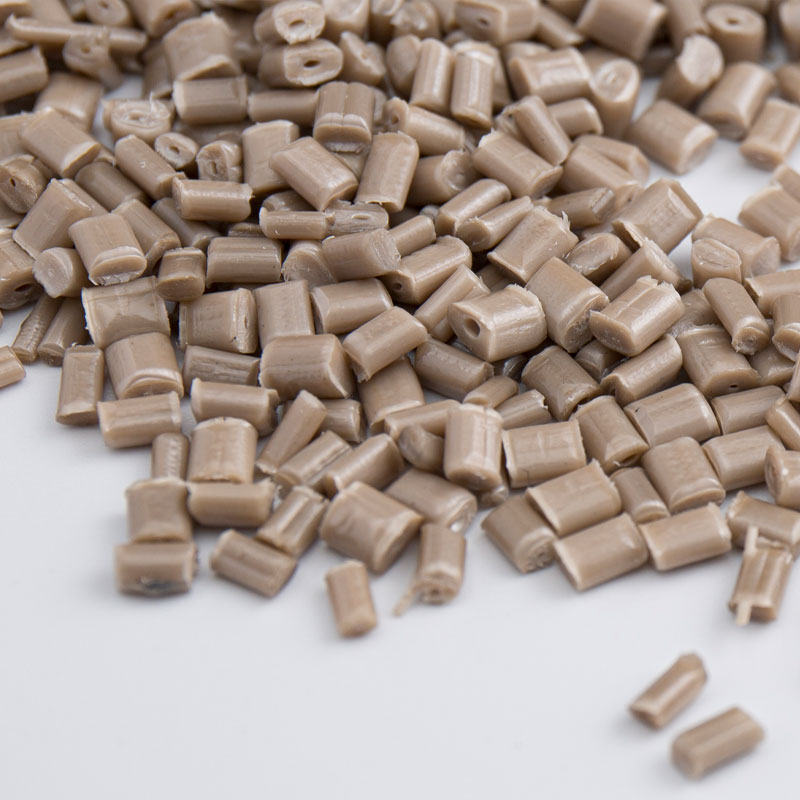
For high-temperature and high-load stability, PEEK pellets are often the first choice when you need to replace metal or heavier engineering plastics.
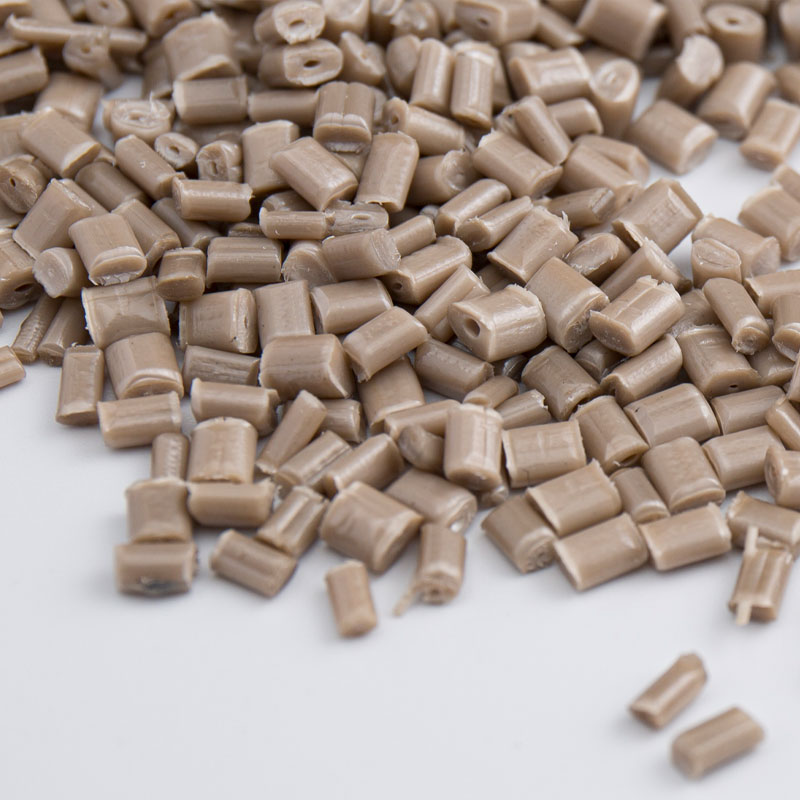 Pure PEEK Resin for High-Temperature and High-Load ApplicationsPure PEEK offers excellent toughness and chemical resistance, making it ideal for demanding environments where fatigue resistance and purity are critical. It provides a strong foundation for replacing metal parts and ensures long-term performance.View Product →
Custom Compounding: From Specification to Production
Custom compounding is the core business of a truly capable pellet manufacturer. The goal is to translate your material requirements into a reproducible pellet that performs consistently over time. A four-stage workflow keeps the process transparent and manageable.
1
Define the Performance Profile
Identify required mechanical, thermal, chemical, and electrical properties as well as any regulatory limits such as flame retardancy or food contact compliance.
2
Formulate and Lab Test
The manufacturer designs a candidate formula, runs small-scale compounding, and tests key properties against your target values.
3
Pilot Validation
Produce a sample quantity to confirm processability and part performance under production-like molding conditions.
4
Scale Up and Quality Lock
After approval, the final compound is locked and specifications are codified for repeatable production with online monitoring.
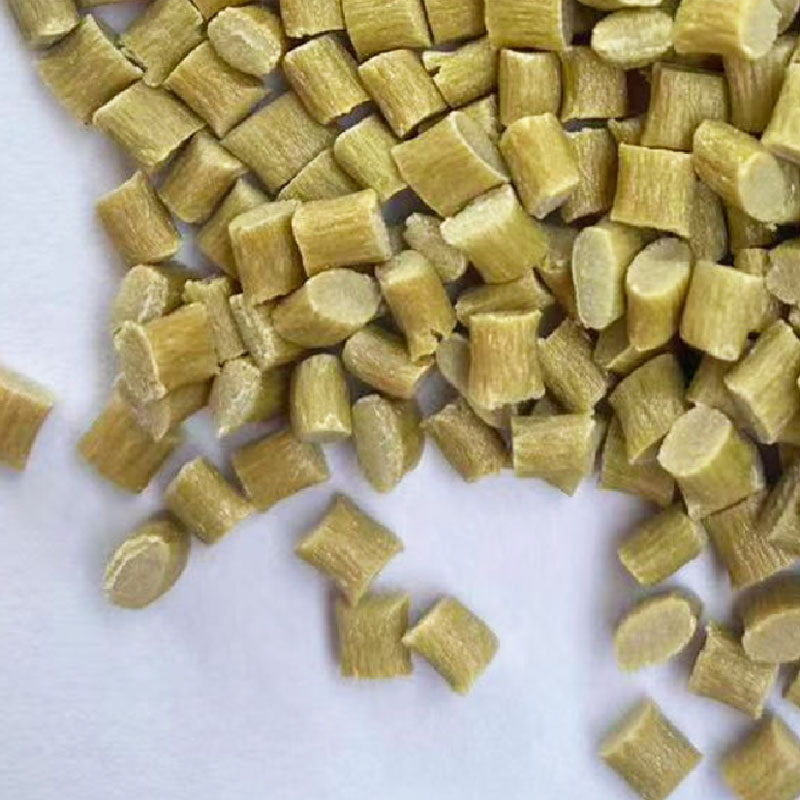
For structural components that need high strength and rigidity, an optimized PA66-GF30 compound is a proven baseline for custom development.
A dedicated compounding partner can also help you cut inventory complexity by consolidating multiple similar grades into one custom solution, reducing exact costs and quality control points.
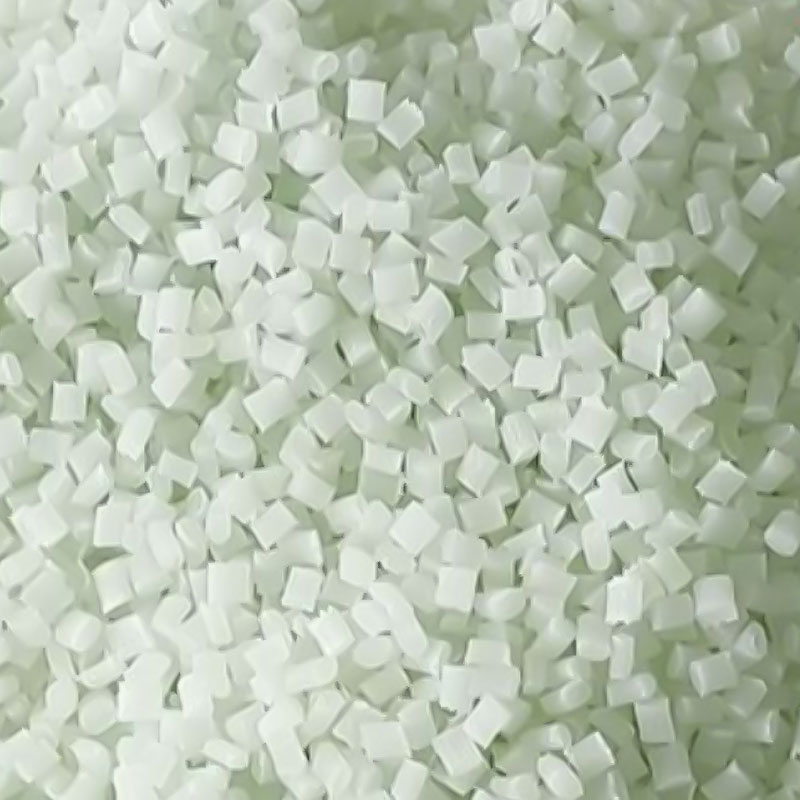 High-Strength PA66 with 30% Glass Fiber ReinforcementPA66 GF30 enhances strength, rigidity, and heat resistance, making it a cost-effective solution for automotive and mechanical components. Its improved dimensional stability and high cost-effectiveness make it a practical choice for structural parts.View Product →
Quality Systems and Certifications
Quality management is visible in the details. Raw material incoming inspection, automated weighing and compounding, online process monitoring, and finished-batch testing all contribute to a traceable supply. Manufacturers that hold IATF16949 for automotive supply chains and GRS certification for recycled content demonstrate a level of discipline that reduces your incoming inspection burden. Ask whether recycled or post-consumer resin can be incorporated without compromising performance. You can read more about how sustainable material innovation is advancing in this industry through our overview of innovation and sustainability.
our overview of innovation and sustainability
Before the first order, ask for a written quality agreement that covers incoming resin lots, allowable tolerances on key properties, and a sampling plan for each shipment. This eliminates many disputes later.
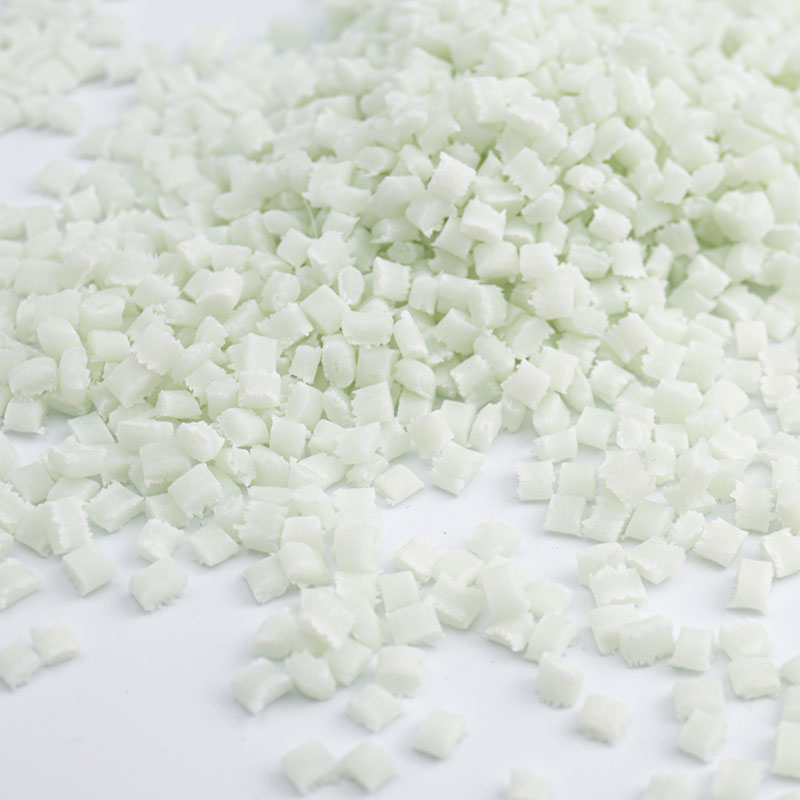
When flame retardancy is required, a UL94 V0 polypropylene compound gives you a smooth regulatory path without sacrificing injection molding productivity.
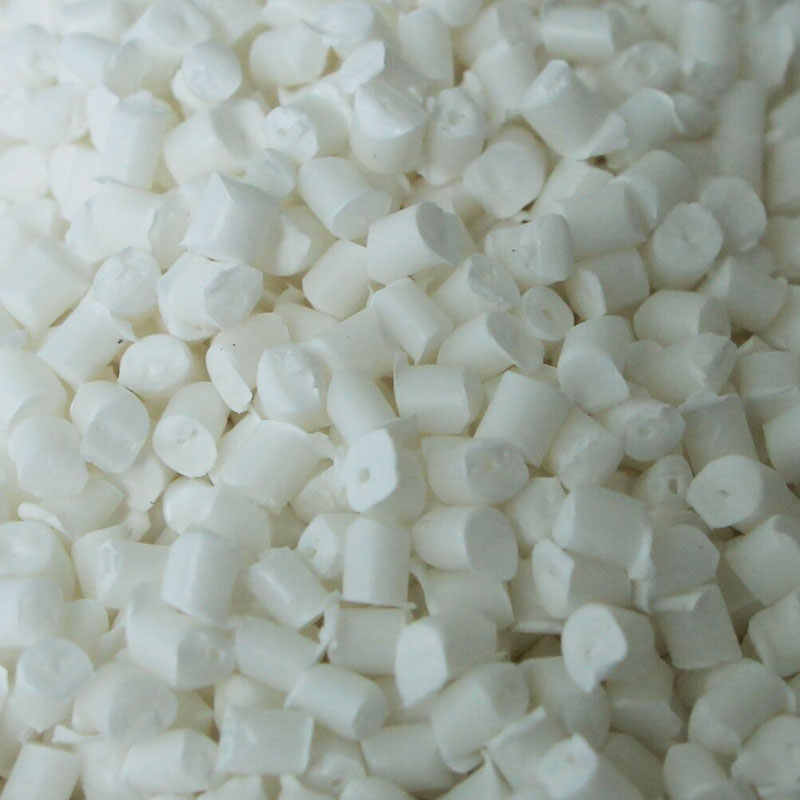 Flame-Retardant V0 Polypropylene for Regulatory ComplianceThis UL94 V0 rated polypropylene provides reliable flame retardancy while retaining PP’s lightweight and chemical resistance. It is well-suited for electrical and consumer products that require fire safety without compromising processability.View Product →
Frequently Asked Questions
What is the difference between commodity and engineering plastic pellets?
Commodity resins such as PP and PE are cost-effective and general-purpose for packaging and consumer goods. Engineering resins such as PA66, PPA, PPS, and PEEK provide higher mechanical strength, heat resistance, and dimensional stability.
How can I verify pellet quality before placing a bulk order?
Request a material data sheet and a sample batch. Test critical properties like melt flow index, tensile strength, and color consistency. Also ask about inline monitoring records for the specific production run.
Can a plastic pellets manufacturer match an existing formulation?
Many factories can replicate or reformulate based on a reference sample, or design an equivalent with better cost-effectiveness. This is part of custom compounding service.
What lead time should I expect for custom compounds?
For a new formulation, allow 2 to 4 weeks for lab trials and pilot runs, then 2 to 3 weeks for production after approval. Confirm the lead time with the manufacturer, as it varies with complexity.