 EN
EN English
 中文简体
中文简体 Español
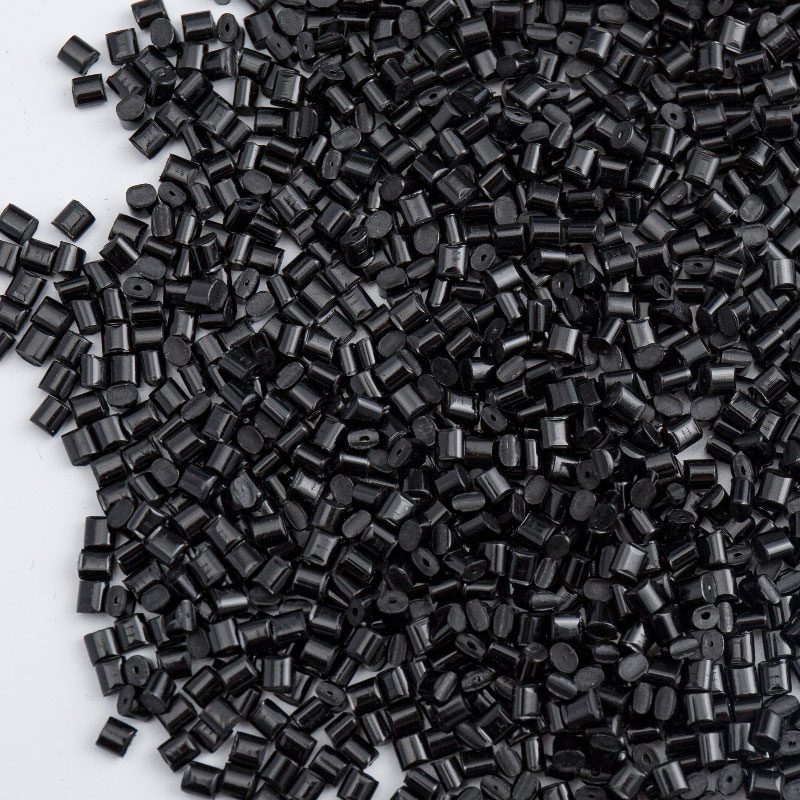
PPA plastic pellets represent the pinnacle of engineering thermoplastics. They offer a superior balance of mechanical strength, thermal stability, and chemical resistance that surpasses standard polyamides. For manufacturers looking to replace metal or lower-grade plastics in demanding environments, PPA (Polyphthalamide) provides a robust, lightweight, and cost-effective solution. It effectively bridges the gap between standard nylons and exotic high-temperature polymers, making it the optimal choice for under-the-hood automotive parts and electrical connectors.
Understanding PPA Plastic Material
Polyphthalamide, commonly referred to as PPA, is a semi-crystalline thermoplastic material. It is essentially a high-performance version of nylon, created by combining a diacid and a diamine. The unique chemical structure of PPA pellets results in a much higher melting point and significantly lower moisture absorption compared to traditional PA6 or PA66. This molecular structure provides exceptional dimensional stability, meaning parts molded from PPA retain their shape and mechanical properties even in humid or high-temperature conditions.
Key Physical Properties
When assessing PPA pellets, one must look at the specific data that sets them apart. The following table highlights the critical performance differences between PPA and standard PA66.
| Property Category | Standard PA66 | PPA Pellets |
| Melting Temperature | ~260°C | ~280°C - 320°C |
| Water Absorption | High (up to 8%) | Low (0.2% - 0.5%) |
| Heat Deflection Temp | Moderate | Very High |
Advantages of Using PPA Pellets
The shift towards PPA in various industries is driven by distinct material advantages that solve real-world engineering problems. Unlike generic plastics, PPA is engineered to survive punishment.
Superior Thermal Resistance
One of the defining characteristics of PPA is its ability to maintain structural integrity at elevated temperatures. While standard nylon begins to soften near its glass transition point, PPA retains stiffness and strength. This makes it suitable for continuous use temperatures exceeding 120°C. It can withstand short-term thermal spikes that would deform other engineering plastics, making it ideal for engine compartments and electronic housings.
Low Moisture Absorption
Moisture is the enemy of dimensional stability in polyamides. Standard nylon absorbs water, which causes it to swell and lose tensile strength. PPA pellets, due to their aromatic structure, absorb significantly less moisture. This ensures that a component molded from PPA will have consistent tolerances whether it is in a dry environment or submerged in coolant. This property is crucial for fluid handling systems where leakage must be avoided.
Chemical and Corrosion Resistance
PPA demonstrates remarkable resistance to a wide array of chemicals. It stands up well against automotive fluids like engine oil, transmission fluid, and glycol-based coolants. It also resists hydrolysis better than many other polyamides, preventing degradation in humid, hot conditions. This chemical inertness extends the lifespan of parts that would otherwise corrode if made from metal or degrade if made from inferior polymers.
Primary Application Areas
The versatility of PPA plastic pellets allows them to be used across demanding sectors. The material is often specified when failure is not an option.
- Automotive Engine Components: Used for throttle bodies, sensor housings, and air intake manifolds. These parts must withstand vibration, heat, and fuel exposure.
- Electrical Connectors: PPA's high dielectric strength and flame resistance make it perfect for high-voltage connectors and terminal blocks.
- Fluid Handling Systems: Pumps, valves, and tubing used in chemical processing benefit from the material's resistance to hydrolysis and chemicals.
- Consumer Goods: Higher-end power tools and appliances utilize PPA for internal gears and structural frames requiring high fatigue resistance.
Impact on Automotive Design
The automotive industry is the largest consumer of PPA pellets. As manufacturers push for lighter vehicles to improve fuel efficiency, metal replacement is a priority. PPA offers a strength-to-weight ratio that allows for substantial weight reduction without compromising safety or performance. Replacing metal with PPA can reduce component weight by up to 50%. Furthermore, the number of assembly steps is often reduced since complex geometries can be molded in a single shot, eliminating the need for welding or fastening multiple metal parts.
Processing Guidelines for PPA Pellets
Processing PPA requires more rigorous control than standard nylons. To achieve the desired mechanical properties, manufacturers must adhere to strict protocols regarding drying and injection molding.
Moisture Control and Drying
Even though PPA absorbs less moisture than PA66, it still requires thorough drying before processing. Excess moisture can cause hydrolysis during melting, which degrades the polymer chain and results in brittle parts. It is recommended to dry the pellets at temperatures around 80°C to 100°C for several hours. The target moisture content should be below 0.10%. Using a dehumidifying hopper dryer is standard practice to ensure consistency.
Molding Parameters
The melting point of PPA is higher, necessitating higher barrel temperatures. Typical melt temperatures range from 300°C to 330°C, depending on the specific grade of the pellet. Mold temperatures should also be kept relatively high, often above 100°C, to ensure proper crystallization. A cold mold can lead to amorphous regions in the part, reducing mechanical strength and thermal resistance. Proper venting is also critical to avoid gas traps and burning, especially in high-speed molding cycles.
Material Grades and Reinforcements
PPA pellets are rarely used in their neat (unfilled) form for structural applications. To maximize performance, they are often compounded with reinforcing agents.
Glass Fiber Reinforced PPA
Adding glass fiber is the most common modification. Glass fibers dramatically increase tensile strength, stiffness, and creep resistance. A typical formulation might contain 30% to 45% glass fiber by weight. This transforms the plastic into a rigid, metal-like material. However, it does make the material more brittle and increases tool wear during molding due to the abrasive nature of the fibers.
Mineral Filled and Flame Retardant Grades
Mineral fillers are used to reduce warpage and improve dimensional stability in large parts. For electrical applications, flame-retardant grades are essential. These formulations contain additives that allow the material to meet strict UL94 V-0 flammability standards without compromising electrical insulation properties. These specialized grades are vital for ensuring safety in electronic devices.
Future Outlook and Sustainability
The demand for PPA plastic pellets is projected to grow steadily. The push for electric vehicles (EVs) creates new opportunities, as these vehicles require lightweight materials to offset heavy battery packs. PPA is finding new applications in battery modules, charging connectors, and thermal management systems for EVs.
Sustainability is also becoming a focus. While PPA is a synthetic polymer, efforts are being made to develop bio-based versions derived from renewable resources like castor beans. These bio-based PPA pellets offer similar performance to petroleum-based versions but with a reduced carbon footprint. Furthermore, the durability of PPA products contributes to sustainability; parts last longer, reducing the need for replacements and waste.