 EN
EN English
 中文简体
中文简体 Español
| Product Description | ||||
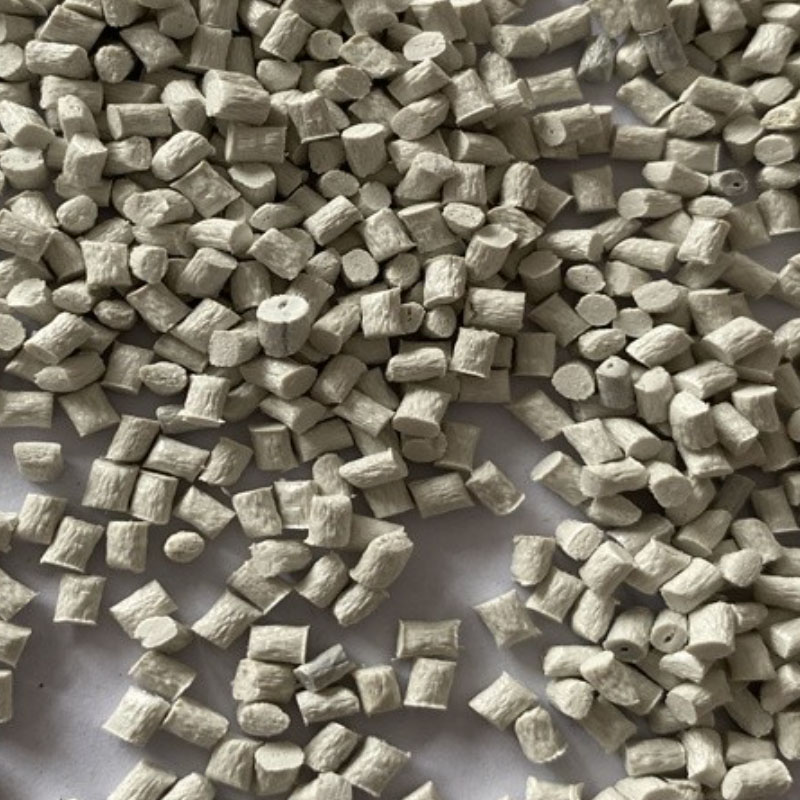
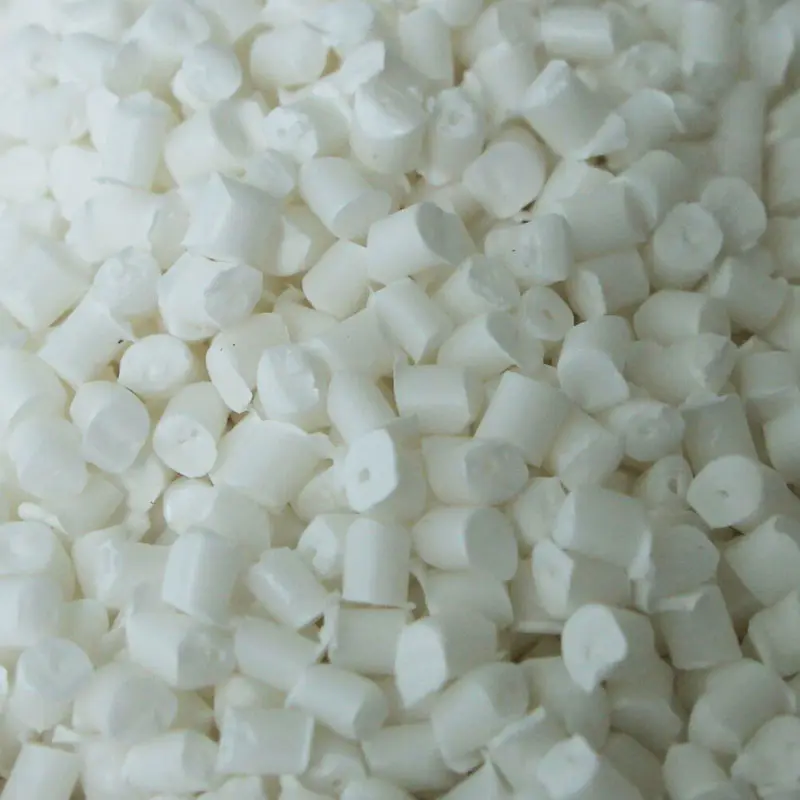
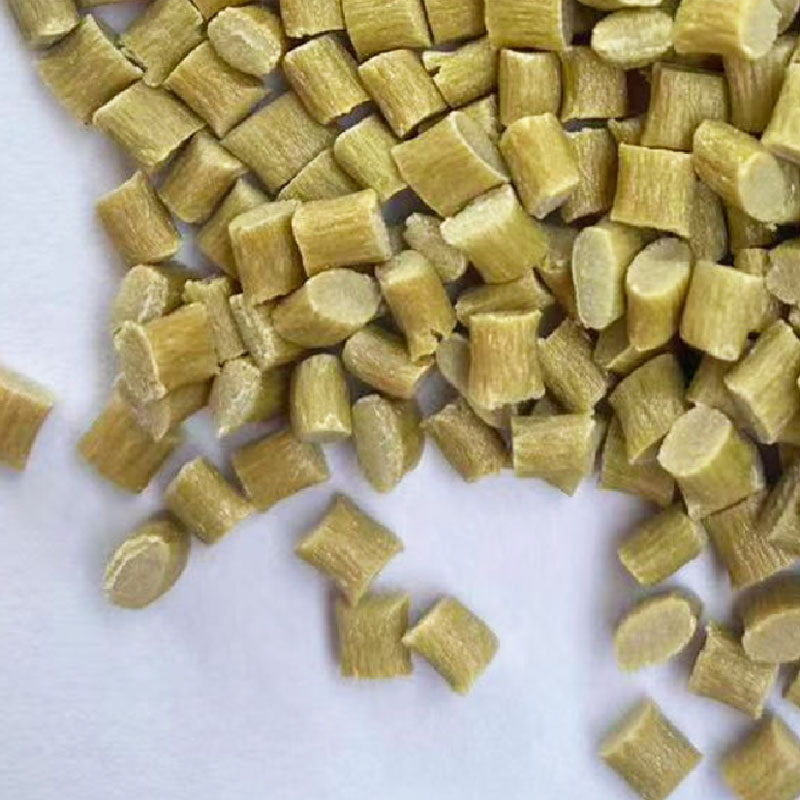
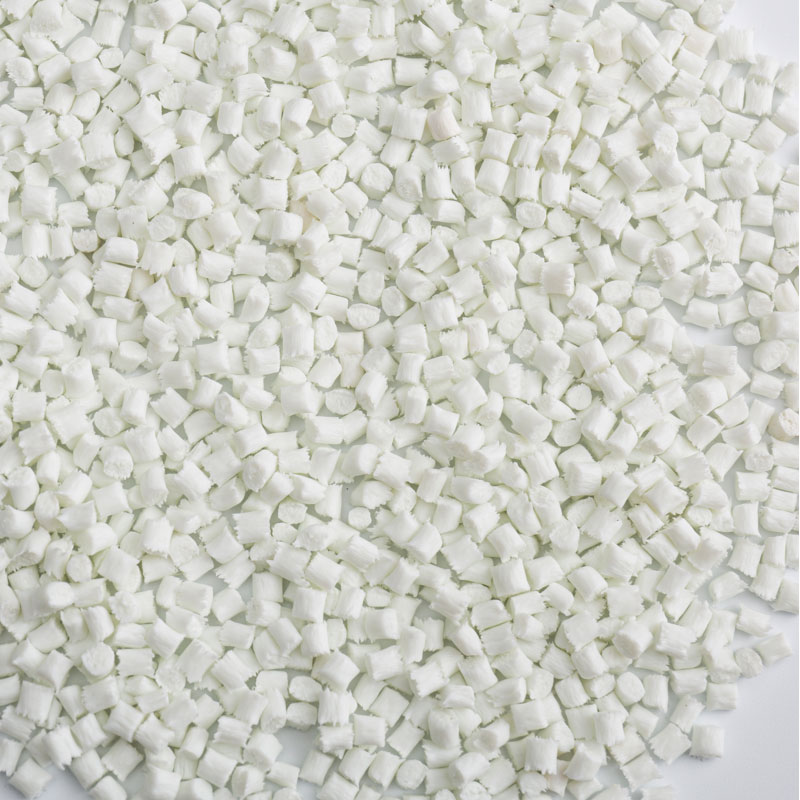
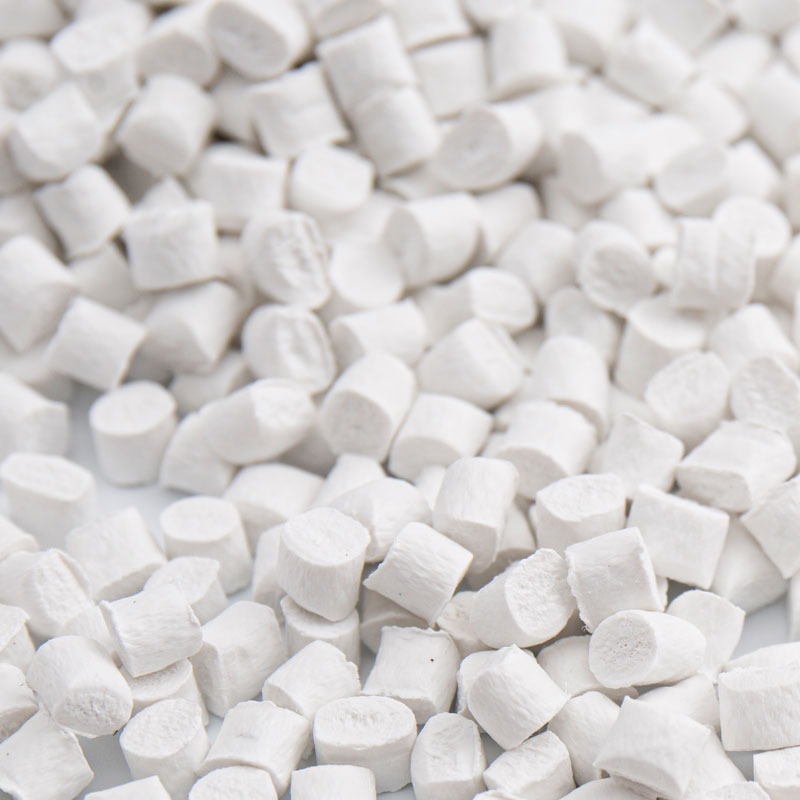
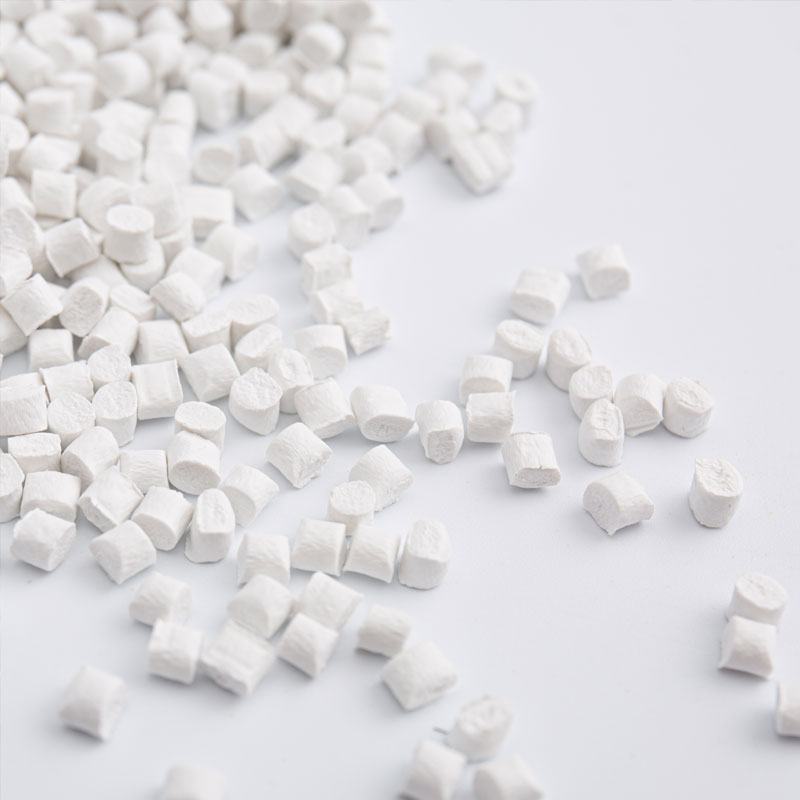
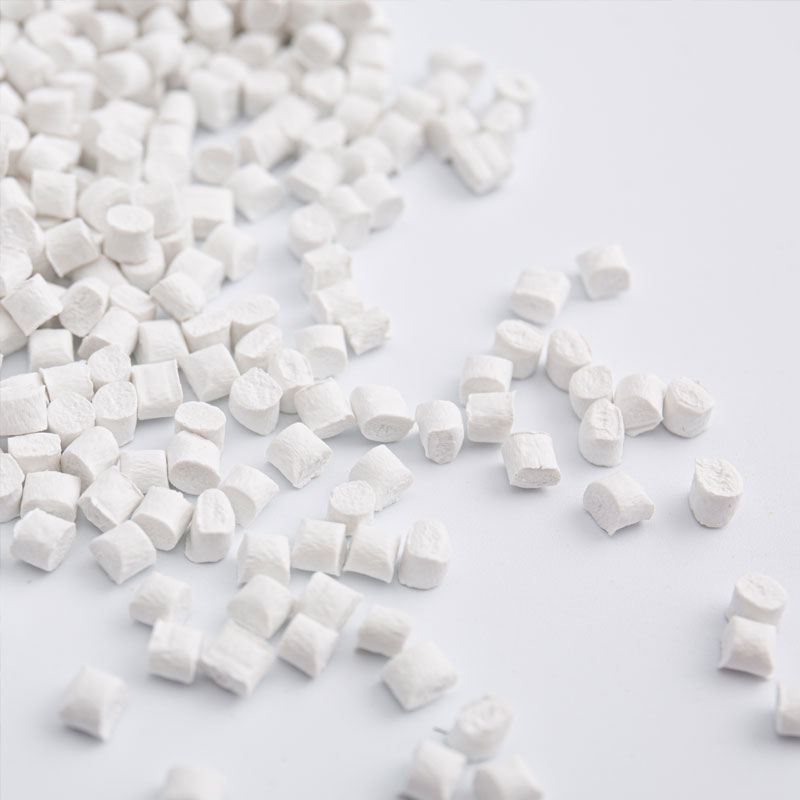
| Resin Identification | Halogen-free flame retardant, 1.5mmV0, 2mm, 5AV grade flame retardant, excellent electrical performance, good dimensional stability | |||
| Color | Natural color or typical color | |||
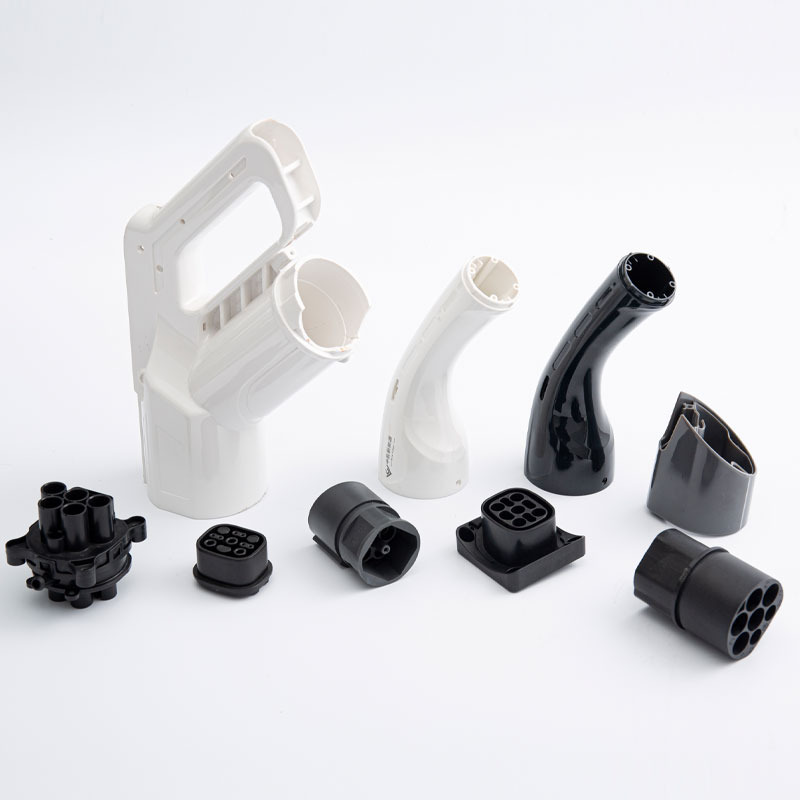
| Main applications | PS power supply housing, charger housing, power adapter housing, miniature circuit breaker housing, contactor housing, busbar insulation components, flame-retardant packaging trays for storing or transporting electronic components | |||
| Processing Method | Injection Molding 、Extrusion | |||
| Typical Properties | Test method | Test Condition | typical value | Unit |
| Physical Properties | ||||
| Density | DIN EN ISO 1183 | 23℃ | 1.06 | g/cm³ |
| Melt Flow Rate | DIN EN ISO 1133 | 230℃/2.16kg | 6.5 | g/10min |
| Shrinkage | GB 15585 | 0.7-1.0 | % | |
| Mechanical Properties | ||||
| Tensile Strength | DIN EN ISO 527 | 50mm/min | 22 | MPa |
| Elongation at Break | >5 | % | ||
| Flexural Strength | DIN EN ISO 178 | 2mm/min | 30 | MPa |
| Flexural Modulus | 1550 | MPa | ||
| Tensile modulus | DIN EN ISO 527 | 5mm/min | 1650 | MPa |
| Izod Notched Impact Strength | DIN EN ISO 180 | 4mm,23℃ | 4.3 | KJ/M2 |
| Izod Notched Impact Strength | DIN EN ISO 180 | 4mm,-30℃ | 3 | KJ/M2 |
| The cantilever beam has no lack of impact strength | DIN EN ISO 180 | 4mm,23℃ | 20 | KJ/M2 |
| The cantilever beam has no lack of impact strength | DIN EN ISO 180 | 4mm,-30℃ | 16.5 | KJ/M2 |
| Thermal Performance | ||||
| Heat Deformation Temperature | DIN EN ISO 75 | 1.8MPa unannealed | 105 | ℃ |
| Heat Deformation Temperature | DIN EN ISO 75 | 0.45MPa unannealed | 115 | ℃ |
| Vika softens | DIN EN ISO 306 | 120℃/hr 50N | 123 | ℃ |
| Flame retardancy | ||||
| Flammability | UL 94 | 0.7mm | V1 | Class |
| Flammability | UL 94 | 0.75mm | V1 | Class |
| Flammability | UL 94 | 1.5mm | V0 | Class |
| Flammability | UL 94 | 2mm | V0 5AV | Class |
| Flammability | UL 94 | 3mm | V0 5AV | Class |
| GWFI | IEC 60695-2-12 | 0.75mm | 960 | ℃ |
| GWFI | IEC 60695-2-12 | 1.5mm | 960 | ℃ |
| GWFI | IEC 60695-2-12 | 3mm | 960 | ℃ |
| GWIT | IEC 60695-2-13 | 0.75mm | 650 | ℃ |
| GWIT | IEC 60695-2-14 | 1.5mm | 750 | ℃ |
| GWIT | IEC 60695-2-15 | 3mm | 960 | ℃ |
| RoHS performance | ||||
| Heavy metal content | RoHS 2.0 Directive (EU) 2015 | full color spectrum | ND | |
| Electrical performance | ||||
| CTI | IEC 60112 | 0 | PLC | |
| arc resistance | ASTM D495 | 5 | PLC | |
| Other performance | ||||
| Double 85 test | 85℃&85RH 1000H | The mechanical properties are not less than 70% | ≥73% | % |
| Ball pressure | IEC 60695-10-2 | 125 | ℃ | |
Note: (1) The data provided are typical values and are only intended as a reference for customer use, not as a guarantee of minimum or maximum quality indicators or any other purposes. (2) Different colors may have varying performance characteristics.
Note: The data and information in this document are based on our current understanding and experience. If new insights and experiences arise in the future, we reserve the right to modify the information and data in this document without prior notice. Since usage conditions and applicable laws may vary depending on location and time, it is the responsibility of the customer to determine whether the products and product information in this document are suitable for their use, and to ensure that their workplace and product handling methods comply with applicable laws and other government regulations. Lishu Composite Materials assumes no responsibility or liability for the information in this document, nor does it provide any warranties. All implied warranties regarding the marketability of the products or the suitability for a particular use stated in this document are hereby expressly excluded.
| Typical Injection Molding Process | ||||
| Plastic Drying | ||||
| Drying Time | 3~4h | |||
| Drying Temperature | 70~80℃ | |||
| Drying Equipment | Hot-air dryer | |||
| Drying Type | Continuous drying (production process) | |||
| Injection Molding Process | ||||
| Nozzle Section | 210~230℃ (extrusion temperature is 10-20℃ lower) | |||
| Plastics Section | 200~230℃ (extrusion temperature is 10-20℃ lower) | |||
| Conveying Section | 190~210℃(extrusion temperature is 10-20℃ lower) | |||
| Maximum Injection Temperature | 250℃ | |||
| Injection Pressure | 40~120MPa | |||
| Injection Speed | 30~75mm/s | |||
| Plasticization Pressure Velocity | Pressure: 65~100MPa, speed: 60~85mm/s | |||
| Plasticization Back Pressure | 3~40MPa | |||
| Recommended Mold Temperature | 40~60℃ | |||
Statement: The above injection molding process should vary according to different conditions such as product shape, mold design, and injection molding machine specifications, and should be adjusted based on the actual situation.
Core Characteristics of Halogen-Free Flame-Retardant PP (1.5 mm V0 / 2 mm 5VA)
Outstanding Flame Retardancy
Halogen-free and environmentally friendly: Phosphorus-based, nitrogen-based, and metal hydroxide systems (such as magnesium hydroxide and aluminum hydroxide) are used as flame-retardant systems. During combustion, they produce low smoke, non-toxic, and non-corrosive gases, complying with environmental regulations such as RoHS and REACH, as well as WEEE directives.
High flame-retardant rating: At specified thin wall thicknesses (1.5 mm and 2 mm), the material can consistently achieve V0 and the highest 5VA rating, providing top-level safety assurance for products.
Anti-dripping performance: Effectively suppresses molten dripping during combustion, preventing secondary ignition.
Retention of Key Advantages of the PP Base Resin
Low density and lightweight: With a density of approximately 1.0 g/cm³, it is lighter than many engineering plastics (such as PC/ABS and PA), contributing to product weight reduction.
Good chemical resistance: Resistant to most acids, alkalis, and salt solutions.
Good processability: Exhibits good flowability, making it suitable for injection molding of complex structural components.
Cost efficiency: Compared with other engineering plastics achieving the same flame-retardant rating, it offers cost advantages.
Considerations Regarding Property Changes After Modification
Mechanical properties: Due to the addition of a significant amount of halogen-free flame retardants, impact strength (especially low-temperature impact strength), as well as tensile and flexural strength, are typically lower than those of standard PP. However, through formulation optimization (such as adding impact modifiers or using higher-performance base resins), the material can meet the requirements of most structural components.
Electrical properties: The material maintains good insulation properties. However, the addition of flame retardants may affect CTI (Comparative Tracking Index), which must be evaluated according to the specific formulation.
Appearance and density: The material is typically opaque white or natural in color, and its density is higher than that of pure PP.
Main Applications
With its high flame retardancy, environmental compliance, and lightweight characteristics, this material is widely used in applications requiring high fire safety standards:
Electronics and Home Appliances
High-end appliance housings and internal structures: Such as rear covers of LCD TVs/monitors, smart speaker housings, and internal frames of printers/copiers. Particularly suitable for products requiring strict safety certifications (e.g., UL, TÜV, CCC).
Power supply and charging equipment: UPS housings, charger housings, power adapter enclosures, and PDU (Power Distribution Unit) housings.
Battery-related components: Internal insulating brackets, end plates, and module housings for new energy vehicle or power tool battery packs. The halogen-free and low-smoke characteristics are especially critical in this field.
Junction boxes and sockets: Photovoltaic junction boxes and industrial plug/socket housings.
New Energy and Power Facilities
EV charging station components: Charging gun housings and internal module enclosures of charging stations, where high flame-retardant ratings are required to ensure public safety.
Electrical cabinets and distribution boxes: Miniature circuit breaker housings, contactor enclosures, and busbar insulation components.
Automotive and Transportation
New energy vehicle components: Battery management system housings, onboard charger housings, and high-voltage connector sheaths, aligning with the automotive industry’s halogen-free trend and flame-retardant requirements.
Rail transit interior parts: Potential applications in certain non-structural interior components requiring controlled smoke density and toxicity.
Building Materials and Industrial Applications
High-performance insulation components: Electrical supports and insulators requiring high CTI values and flame retardancy.
Specialized packaging: Flame-retardant trays for storing or transporting electronic components.
Important Notes
Wall thickness sensitivity: Flame-retardant performance is strongly correlated with part wall thickness. Achieving V0 at 1.5 mm does not automatically guarantee performance at 3 mm. The target flame-retardant rating must be confirmed at the intended design thickness.
Certification and documentation: When selecting materials, the supplier’s UL Yellow Card must be requested to verify the certified thickness and rating (e.g., 2.0 mm 5VA), along with reviewing the complete technical data sheet.
Processing considerations: Halogen-free flame-retardant PP generally has low moisture absorption, but proper drying before injection molding helps improve surface quality. Processing temperatures must remain within the recommended range to avoid flame-retardant decomposition.
Summary
Halogen-free flame-retardant PP (1.5 mm V0 / 2 mm 5VA) is a high-performance, environmentally friendly engineering plastic. It successfully combines the lightweight nature, chemical resistance, and processability of PP with top-tier halogen-free flame-retardant performance.
Core value: It provides an ideal material solution for products requiring the highest level of fire safety while meeting environmental regulations and lightweight design goals—particularly in high-end electronics, new energy equipment, and electrified automotive components.