 EN
EN English
 中文简体
中文简体 Español
An injection molder is quoting a transparent light guide with a five-year outdoor warranty. The job will fail if the chosen resin yellows, crazes, or cannot fill the thin-wall cavity. PMMA granules solve this problem because they combine high light transmission, good UV resistance, and predictable injection behavior. In practical terms, poly(methyl methacrylate), usually shortened to PMMA, is an amorphous thermoplastic supplied as pellets that can be extruded or molded into optically clear parts.
What Exactly Are PMMA Granules?
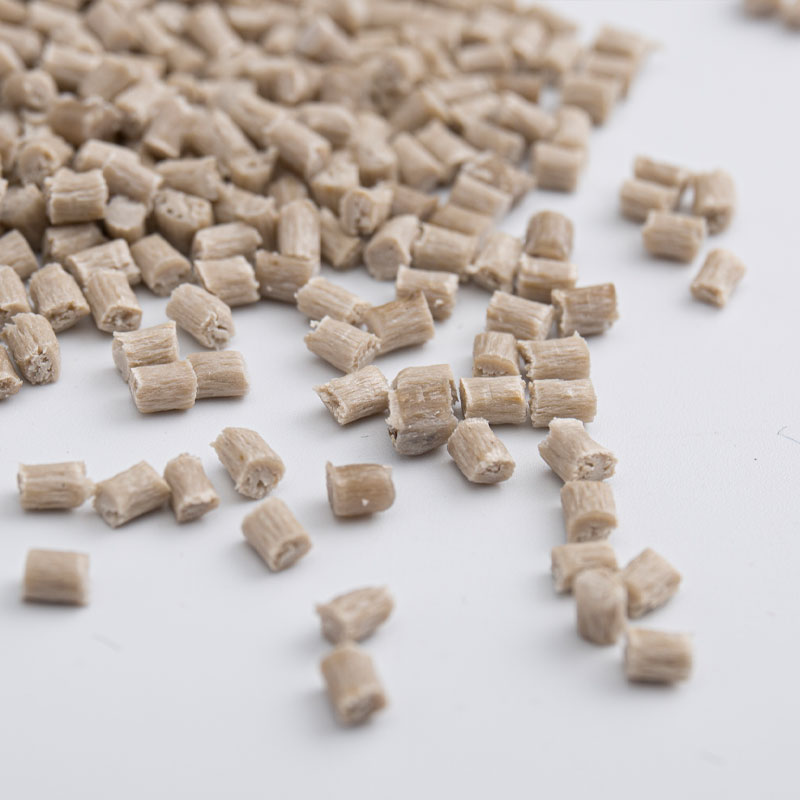
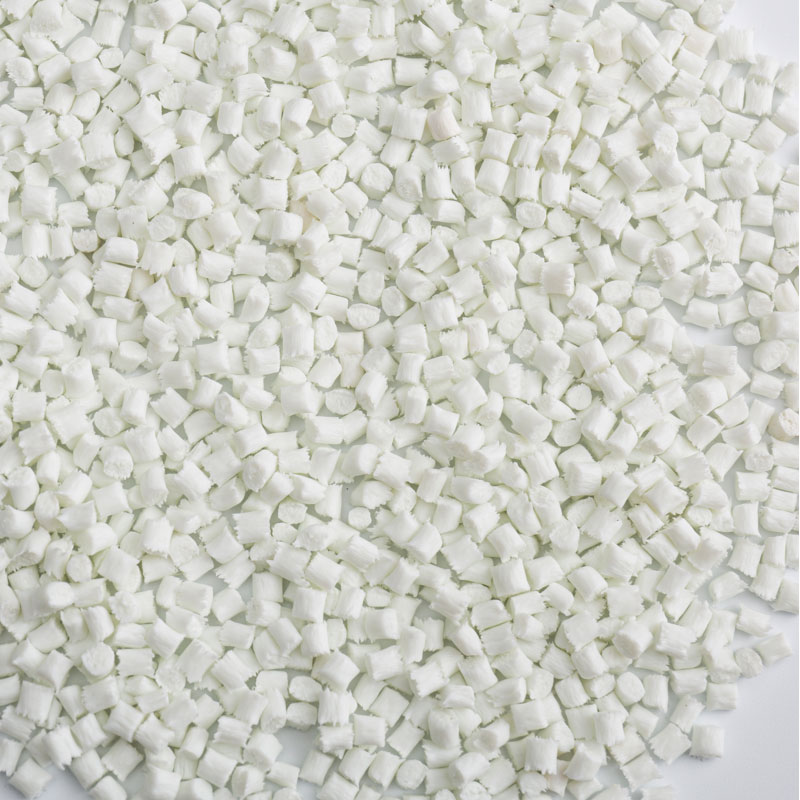
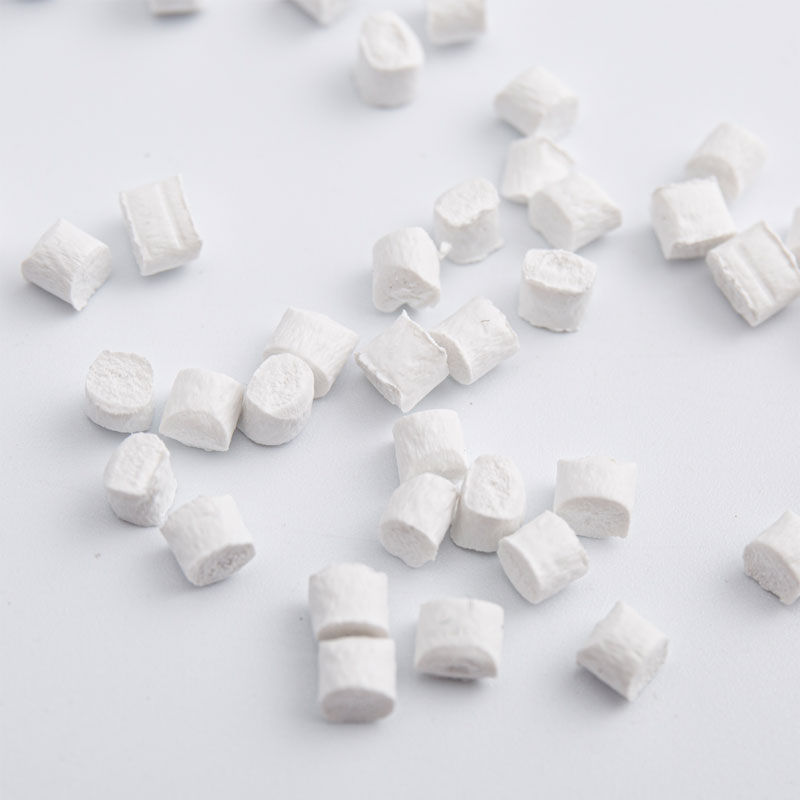
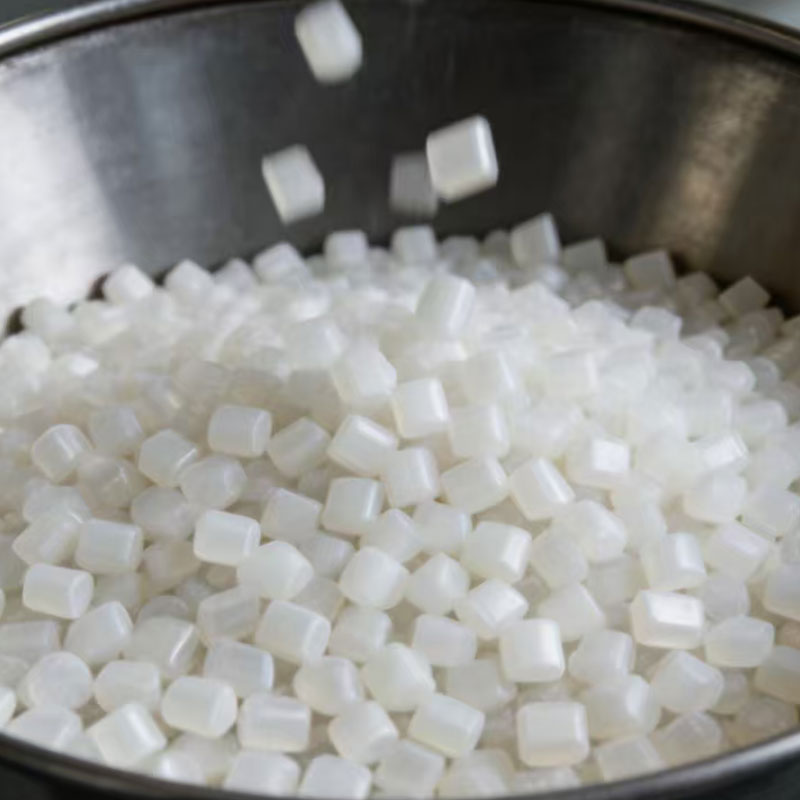
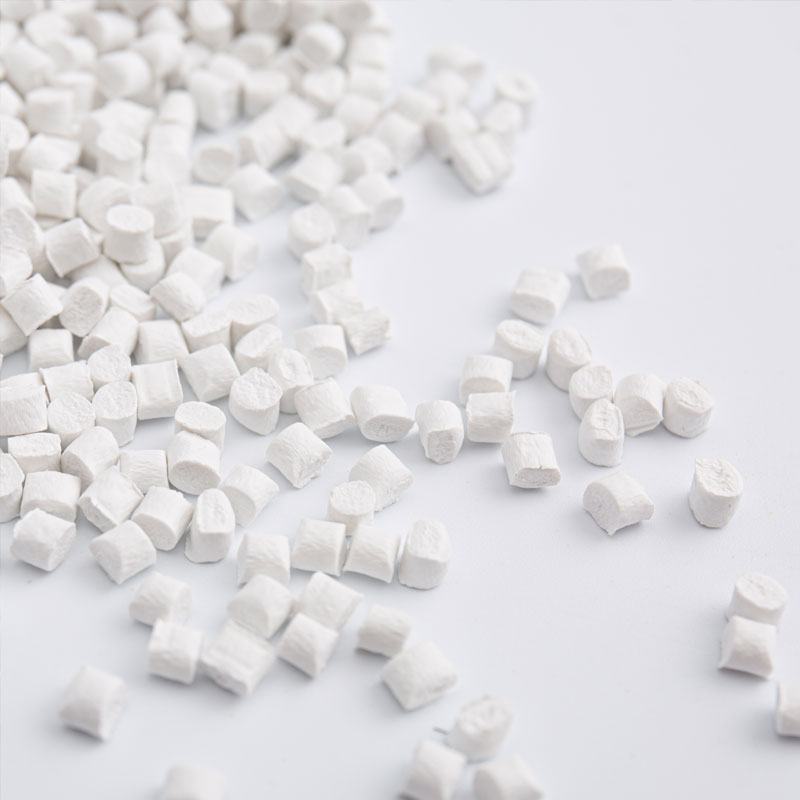
PMMA granules are the pelletized form of polymethyl methacrylate resin. The material starts as methyl methacrylate monomer, polymerized and then compounded into free-flowing pellets. Unlike cast acrylic sheet, which is produced in sheets or blocks, granules are designed for melt processing. This makes them the standard feedstock for injection molding and profile extrusion.
Although the chemical backbone is the same, the granule form allows manufacturers to add modifiers, color masterbatches, UV stabilizers, and release agents before the resin reaches the molding machine. That is a major advantage: you receive a material tailored to your process, not just a generic polymer.
Key Properties of PMMA Granules: What the Numbers Mean
The first reason most designers specify PMMA granules is optical performance, but mechanical resistance, thermal limits, and weathering behavior also determine where the material can be used safely.
Optical performance
At the top of the PMMA property list is light transmission. A typical optical-grade PMMA can transmit up to 92% of visible light and has a refractive index close to 1.49. The combination of high clarity and low haze makes it one of the most transparent thermoplastics available. For a closer look at the data behind these claims, see our technical review of engineering PMMA resin properties.
Mechanical and environmental performance
Mechanically, PMMA is stiffer than many commodity plastics, with a typical tensile strength in the 60 to 75 MPa range, but it is not a high-impact material. If the application requires repeated impact, the pellet can be modified with impact modifiers or the design must be adapted. On the thermal side, PMMA has a heat deflection temperature around 95 to 105°C, which is enough for indoor and many outdoor applications, but not for engine-bay parts. Its weatherability is one of the main reasons it is specified for exterior signs, lighting covers, and display panels.
Transparent enclosures
Choose a high-clarity PMMA grade when light transmission, low haze, and surface gloss matter.
Outdoor components
Use UV-stabilized PMMA granules when prolonged sunlight and gloss retention are expected.
Thin-wall molding
Select a higher-flow injection grade to avoid short shots and molded-in stress.
Light-guided displays
PMMA is easy to edge-light and print on, making it practical for signs and backlit panels.
Extrusion Versus Injection Grades: How to Match the Granule to the Process
The next decision is not just which polymer, but which granule grade. PMMA granules are commonly classified by their melt flow behavior. Extrusion grades hold a stiffer melt and maintain shape after leaving the die, which suits sheet, rod, or tube production. Injection molding grades flow more easily and fill thin cavities with less molded-in stress. The table below summarizes the practical differences.
| Comparison point | Extrusion grade | Injection molding grade |
|---|---|---|
| Flow behavior | Lower melt flow rate, stiffer melt | Higher melt flow rate, easier cavity filling |
| Typical output | Sheet, rod, tube, and profile | Lenses, housings, covers, and light guides |
| Wall-thickness suitability | Thick and uniform sections | Thin-wall and complex geometry |
| Optical priorities | Large flat surfaces with consistent gauge | Compact parts with good optical detail |
For sheet and panel extrusion, we offer our high-transparency extrusion grade acrylic PMMA 110020NC granules, formulated for stable sheet surfaces and consistent gauge control. For injection-molded lenses, housings, and light guides, the injection-grade PMMA 110015NC acrylic plastics provide the flow and clarity needed for tight-tolerance parts. If your application falls between these profiles, a modified PMMA compound can be developed around your target viscosity, color, or weathering specification.
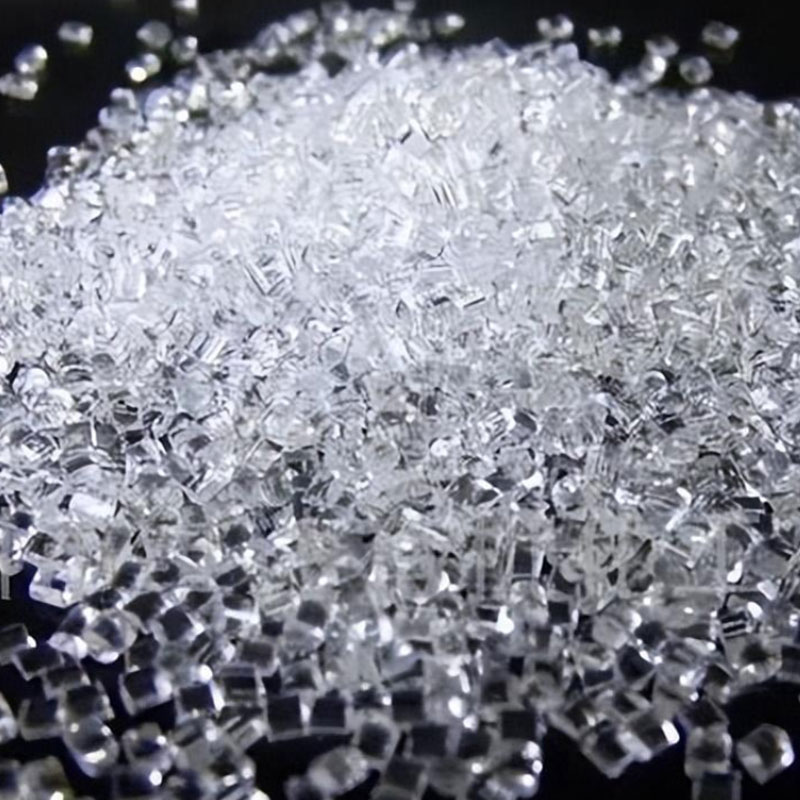 Custom Injection-grade PMMA 1100-15NC Acrylic Plastics Manufacturers, FactoryZhejiang Lisu Composite Materials Co., Ltd is China Custom Injection-grade PMMA 1100-15NC Acrylic Plastics manufacturers and factory,Poly...View Product →
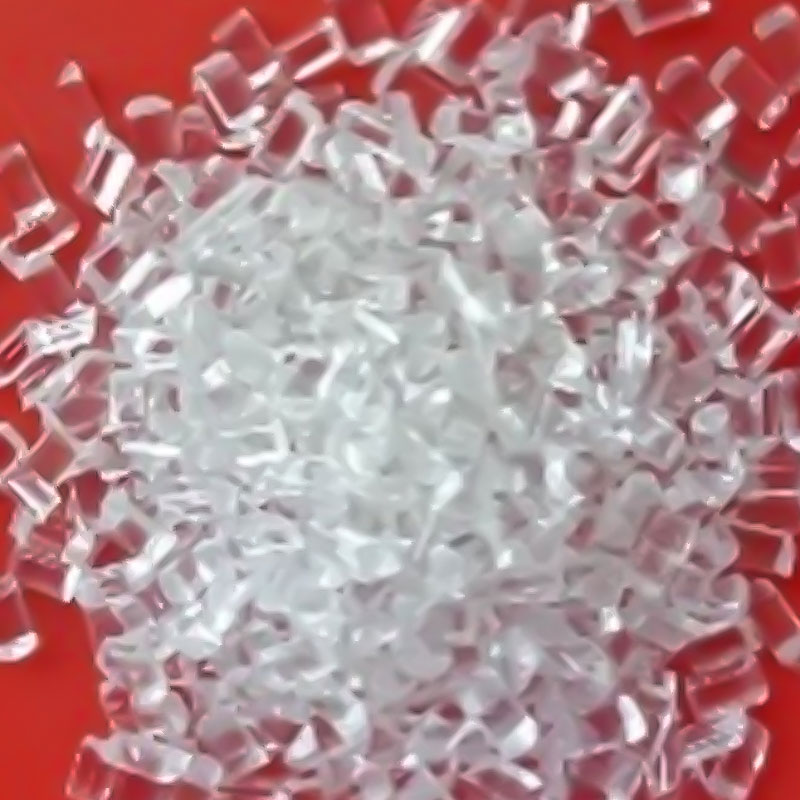 Custom High-transparency Extrusion-grade Acrylic PMMA 1100-20NC Plastics ManufacZhejiang Lisu Composite Materials Co., Ltd is China Custom High-transparency Extrusion-grade Acrylic PMMA 1100-20NC Plastics manufacturer...View Product →
How to Evaluate a PMMA Granules Supplier
Choosing the right PMMA granules also means choosing the right production partner. The material data sheet only tells part of the story. The real risks are batch-to-batch color shifts, viscosity drift, moisture contamination, and inconsistent additive dispersion. Working with a modified plastics producer rather than a broker gives you more control over quality and customization.
1
Define the application boundary
Clarify the required light transmission, service temperature, UV exposure, chemical contact, and mechanical loads.
2
Review grade and test data
Ask for data sheets, but also for process recommendations such as drying temperature, melt temperature, and typical shrinkage.
3
Audit production control
Check whether the facility has automatic dosing, real-time monitoring, incoming raw material testing, and traceability.
4
Run a controlled trial
Test the granule under production conditions, then measure color, dimensions, and optical quality after molding.
At our facility, compounding and quality control happen under one roof so that viscosity, color, and additive dosing remain consistent from one batch to the next. You can see how we manage raw material control and full-line monitoring in our manufacturing and quality control capabilities. Certifications such as IATF16949 and GRS also provide useful signals for automotive and recycled-content projects.
Practical Processing Tips
Even a well-selected PMMA granule can fail in the mold if processing conditions are wrong. Moisture, melt temperature, and mold design are the three areas that cause the most rejects.
Drying and moisture control
PMMA absorbs atmospheric moisture, and even small amounts can cause silver streaking, bubbles, or haze. Dry the granules at the temperature recommended in the data sheet, normally between 70 and 90°C for 2 to 4 hours, and deliver them to the hopper in a sealed system. Drying is not optional for optical parts.
Melt temperature and mold design
Process PMMA in the middle of the recommended melt temperature range. Too low a temperature causes poor flow; too high a temperature causes thermal degradation and darkening. Avoid sharp corners and drastic wall-thickness changes because PMMA is sensitive to molded-in stress. Place gates to minimize weld lines where light paths pass through the part.
Cost, Recycling, and Procurement Considerations
From a purchasing standpoint, PMMA granules sit between commodity plastics and specialty engineering thermoplastics. They cost more than polypropylene or polystyrene, but they offer better optics and weatherability. Compared with polycarbonate, PMMA delivers comparable transparency at a lower cost and with better surface hardness, though with lower impact resistance. This is why many display and lighting projects settle on PMMA as the balanced choice.
Sustainability is also becoming a procurement criterion. PMMA can be mechanically recycled, and closed-loop depolymerization can recover MMA monomer. For manufacturers with recycled-content goals, choosing a compounder with GRS certification simplifies documentation. We are working to reduce waste and integrate recycled feedstock into standard production; more details are available on our sustainability initiatives.
PMMA Granules FAQ
What is the difference between PMMA granules and acrylic sheet?
PMMA granules are a feedstock for melt processing. Acrylic sheet is the finished or semi-finished product made by casting or extrusion from resin. Granules offer more freedom to mold three-dimensional parts, while sheet is typically used for glazing, displays, and flat panels.
Can PMMA granules be used outdoors?
Yes, especially when UV-stabilized. PMMA retains gloss and resists yellowing better than many transparent plastics, which is why it is a standard choice for exterior signs, lighting covers, and architectural panels.
How should PMMA granules be stored?
Store them in sealed, moisture-resistant packaging in a dry area. Keep the storage area cool and away from direct sunlight. If the pellets have been exposed to humidity, dry them again before processing.
Can PMMA granules be colored?
Yes. PMMA can be colored with transparent, translucent, or opaque masterbatches. It can also be tinted to create diffused light guides, privacy films, or decorative parts while retaining the base material’s weatherability.
Conclusion
PMMA granules remain a workhorse for transparent and weather-resistant plastic parts. Success depends on selecting the right grade for the process, controlling quality during production, and choosing a supplier that can support customization. When these three elements line up, PMMA provides excellent optical performance and long service life at a practical cost.