 EN
EN English
 中文简体
中文简体 Español
Understanding Modified PA Plastic Pellets for Automotive Applications
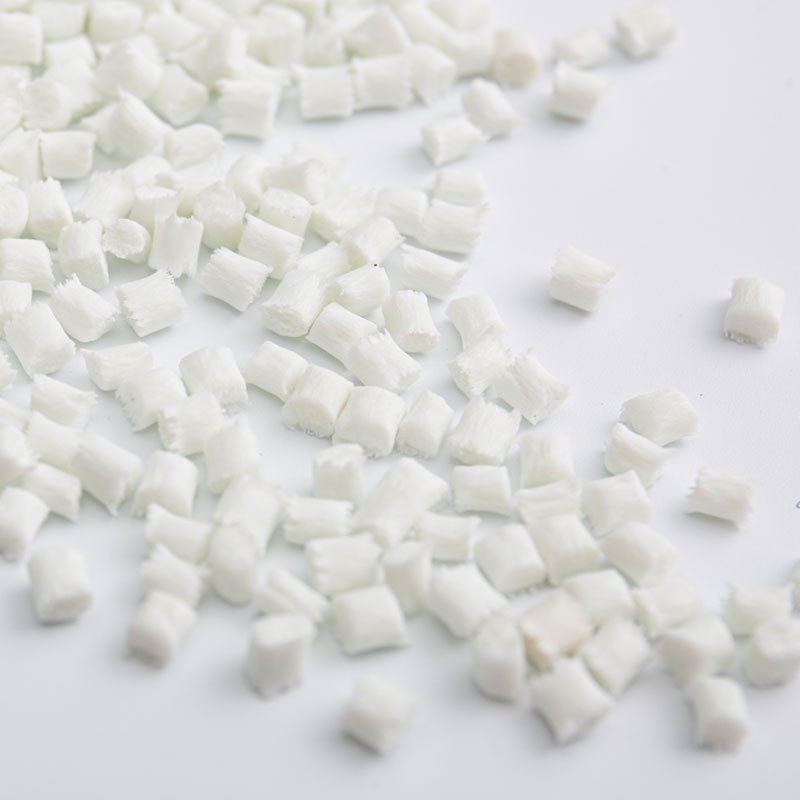
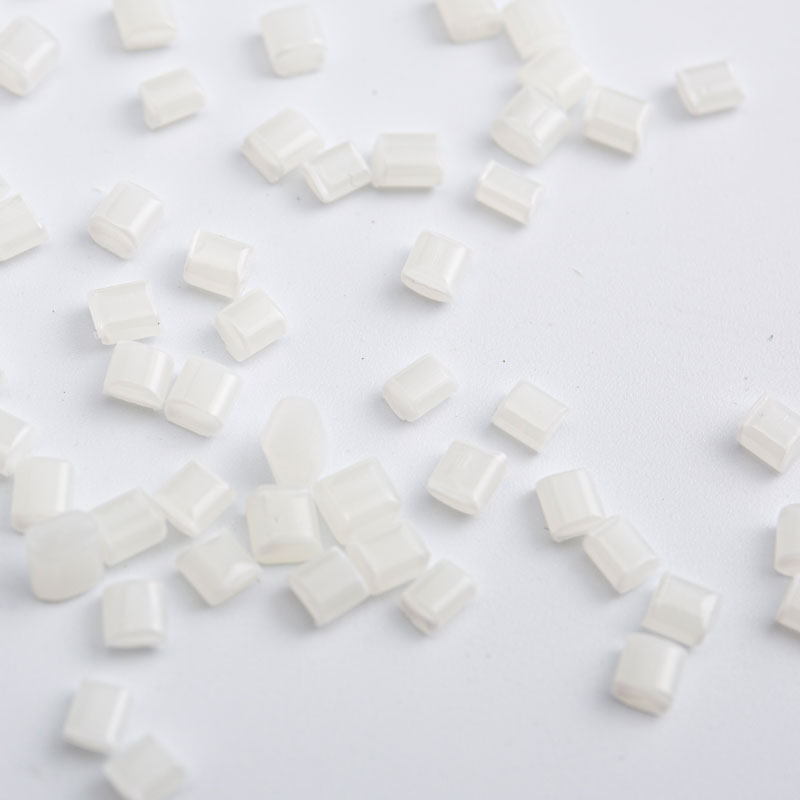
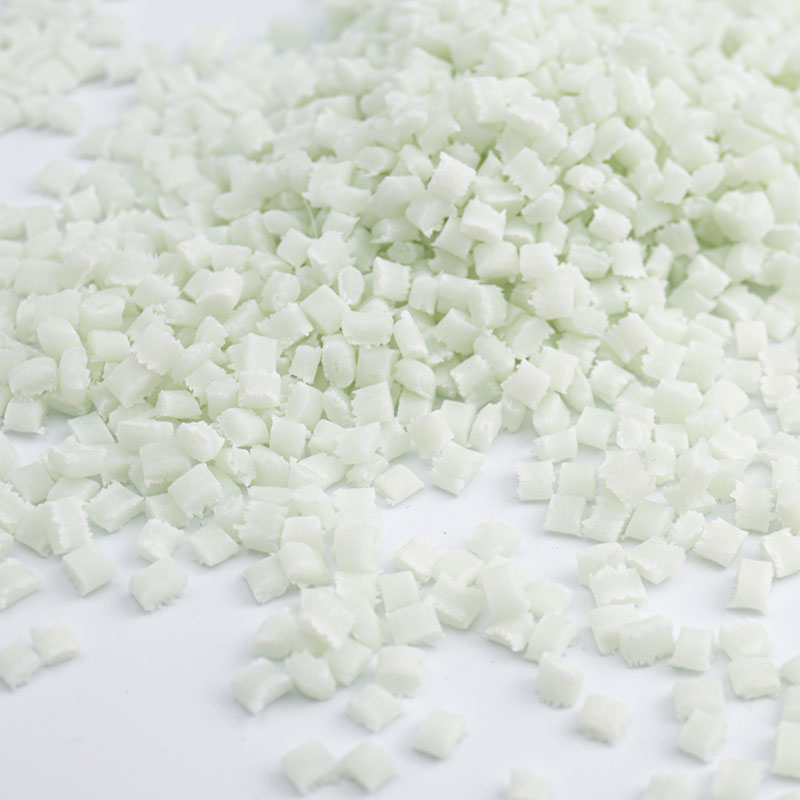
In the rapidly evolving automotive industry, the demand for materials that combine durability with weight reduction has never been higher. Modified PA Plastic Pellets for automotive applications have emerged as a cornerstone material, addressing the critical need for fuel efficiency and lower emissions. Polyamide, commonly known as nylon, inherently possesses excellent mechanical properties, but its modified versions are engineered to withstand the rigorous demands of under-the-hood components and structural parts. By incorporating additives such as glass fibers or impact modifiers, these pellets transform into high-performance materials capable of enduring extreme thermal and mechanical stress. This evolution in material science allows manufacturers to replace traditional metal parts without compromising on safety or performance, marking a significant shift towards modern vehicle design.
The application scope of these modified polyamides extends across various critical automotive systems. They are instrumental in manufacturing components that require high heat resistance and structural integrity. For engineers and procurement specialists, understanding the specific benefits of these materials is essential for optimizing product design and manufacturing processes. The use of Modified PA Plastic Pellets ensures that the final components meet stringent industry standards for safety and longevity, while also contributing to the overall lightweighting strategy of modern vehicles.
- Intake manifolds and engine covers require high heat resistance.
- Structural components such as pedal boxes and gear shifters.
- Radiator end tanks and cooling system components.
- Electrical connectors and sensors demand dimensional stability.
| Property | Standard PA | Modified PA |
| Heat Resistance | Moderate | High (Up to 160°C+) |
| Strength | Good | Excellent (Reinforced) |
| Dimensional Stability | Sensitive to moisture | Improved stability |
Deep Dive into Glass Fiber Reinforced PA66 Pellets Properties
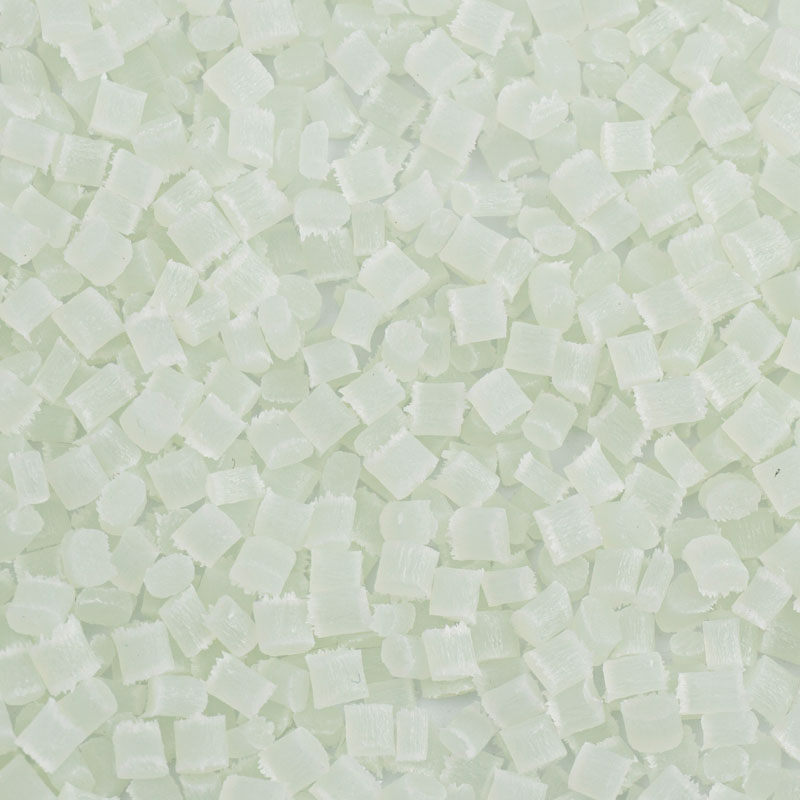
Among the various modifications available, Glass fiber reinforced PA66 pellets properties stand out due to their exceptional balance of mechanical strength and thermal performance. PA66, or Polyamide 66, serves as an excellent matrix for glass fiber reinforcement, resulting in a composite material that offers significantly higher tensile strength and stiffness compared to unfilled nylon. The addition of glass fibers, typically ranging from 30% to 50% by weight, drastically reduces the material's tendency to creep under load and minimizes moisture absorption, which is a common challenge with standard nylons. This modification creates a material that is not only strong but also maintains its shape and properties in humid or high-temperature environments, making it a preferred choice for demanding engineering applications.
When evaluating these materials, engineers must consider specific technical parameters to ensure compatibility with their design requirements. The enhancement in properties is directly correlated with the fiber content and the quality of the bonding between the fiber and the polymer matrix. High-quality Modified PA Plastic Pellets ensure uniform fiber dispersion, which is critical for consistent performance. This material is particularly favored in structural applications where metals were previously the only option, offering a lighter yet robust alternative.
- Significant increase in tensile strength and flexural modulus.
- Improved resistance to abrasion and wear.
- Lower coefficient of thermal expansion.
- Enhanced electrical insulation properties.
Enhancing Strength and Rigidity with GF30 Additives
The GF30 grade, containing 30% glass fiber, is widely regarded as the industry standard for high-performance applications. It strikes an optimal balance between processability and mechanical performance. By integrating GF30 additives, manufacturers can achieve a material that resists deformation under heavy loads, ensuring the longevity and reliability of the finished part. This specific formulation is a testament to how Modified PA Plastic Pellets can be tailored to meet precise engineering needs.
Technical Parameters: Tensile Strength and Thermal Stability
To provide a clearer perspective on the performance enhancements, the following table compares typical technical parameters of unfilled PA66 with a 30% glass fiber reinforced variant. These figures highlight why this material is critical for high-stress environments.
| Parameter | Unfilled PA66 | PA66 GF30 |
| Tensile Strength (MPa) | 80 | 180 - 200 |
| Flexural Modulus (MPa) | 2800 | 9000 |
| Heat Deflection Temp (°C) | 70 | 250 |
Solving Friction Issues with Wear-Resistant PA66 MoS2 Plastic Material
In mechanical systems involving moving parts, friction and wear are primary causes of component failure. Wear-resistant PA66 MoS2 plastic material offers a sophisticated solution to this challenge. By incorporating Molybdenum Disulfide (MoS2) into the polyamide matrix, the material's friction coefficient is significantly reduced. This solid lubricant additive creates a self-lubricating surface that minimizes the adhesion between mating parts, thereby reducing wear rates and extending the service life of components. This modification is particularly valuable in applications where external lubrication is undesirable or impossible to maintain, ensuring smooth operation over long periods.
The development of these specialized Modified PA Plastic Pellets reflects a deep understanding of tribology—the science of wear, friction, and lubrication. Components manufactured from this material exhibit superior performance in dry running conditions and are less prone to "slip-stick" phenomena. This reliability makes them indispensable in precision engineering and consumer goods, where noise reduction and smooth operation are paramount.
- Reduced the coefficient of friction for smoother movement.
- Increased PV (Pressure-Velocity) limits for bearing applications.
- Improved resistance to abrasion compared to standard PA.
- Lower maintenance requirements due to self-lubricating properties.
The Science Behind Self-Lubricating Polyamide
The effectiveness of wear-resistant PA66 MoS2 plastic material lies in the microscopic structure of MoS2. These particles form a protective layer on the surface of the polymer, acting as a dry film lubricant. This layer effectively separates the polymer from the metal counter-face, reducing direct contact and heat generation. As a result, the material can operate at higher speeds and loads than unfilled nylon without degrading.
Industrial Applications: Gears, Bearings, and Sliding Parts
This material is extensively used in the manufacturing of precision gears, bearings, and sliding mechanisms. In the automotive sector, it is found in window regulators and seat adjustment systems. The durability of Modified PA Plastic Pellets with MoS2 ensures that these components function quietly and efficiently throughout the vehicle's lifespan.
| Application | Benefit of MoS2 PA66 |
| Gears | Quiet operation, high fatigue resistance |
| Bearings | Low friction, no need for grease |
| Sliding Guides | Wear resistance, smooth motion |
Finding a Reliable Conductive PA66 CF30 Plastic Pellets Supplier
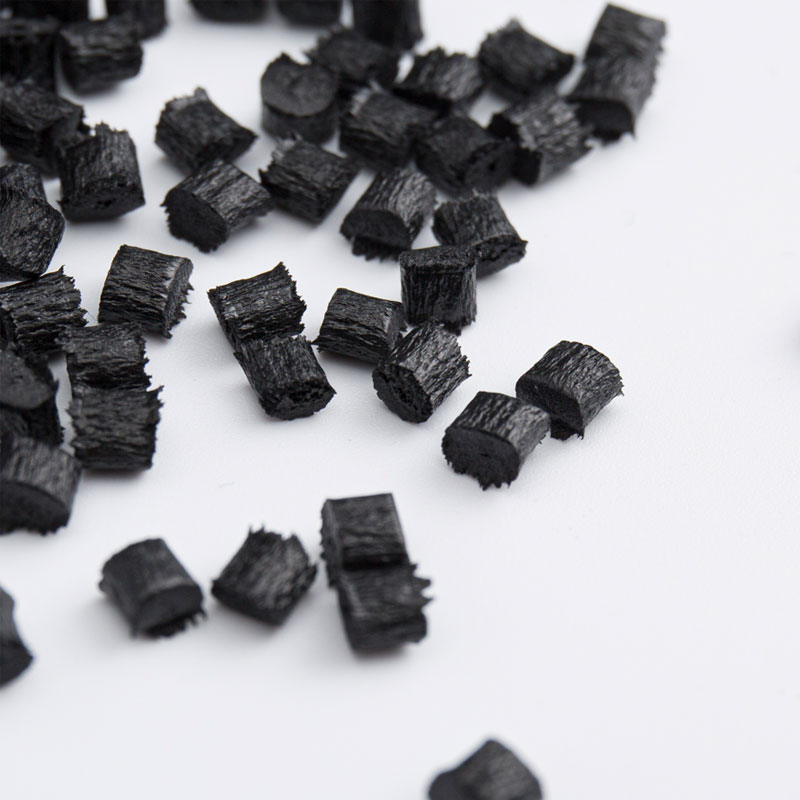
With the proliferation of electronic devices and the increasing sensitivity of components to electrostatic discharge (ESD), the demand for conductive materials has surged. Identifying a dependable Conductive PA66 CF30 plastic pellets supplier is crucial for industries ranging from electronics to automotive. Carbon fiber reinforced PA66 (CF30) combines the structural benefits of polyamide with the electrical conductivity of carbon fibers. This unique combination not only provides strength and stiffness but also offers electromagnetic interference (EMI) shielding and ESD protection. Sourcing high-quality pellets is vital, as the dispersion of carbon fibers within the matrix determines the material's conductivity and mechanical integrity.
Choosing the right supplier involves assessing their technical capabilities, quality control processes, and consistency. A reputable supplier ensures that the Modified PA Plastic Pellets meet strict technical specifications for volume resistivity and mechanical strength. Zhejiang Lisu Composite Materials Co., Ltd, for instance, exemplifies industry leadership by adhering to rigorous testing protocols. Their commitment to quality ensures that clients receive materials that perform reliably in critical applications, safeguarding sensitive electronics from static damage.
- Ensures consistent electrical conductivity for ESD protection.
- Provides high stiffness and dimensional stability.
- Offers lighter-weight alternatives to metal shielding.
- Critical for fuel system components to prevent static sparking.
The Advantages of Carbon Fiber Reinforcement
Carbon fiber is a premium reinforcement that offers benefits beyond conductivity. It significantly increases the tensile strength and rigidity of the polymer while being lighter than glass fiber. This makes Modified PA Plastic Pellets with CF30 ideal for weight-sensitive applications where structural integrity cannot be compromised.
Electromagnetic Interference (EMI) Shielding Capabilities
In an era of connected devices, EMI shielding is essential to prevent signal interference. Carbon fiber-filled polyamides create a conductive network that absorbs and reflects electromagnetic waves, ensuring device compatibility and compliance with regulatory standards.
Lightweight Solutions for Electronic Housings
The density of carbon fiber reinforced PA66 is lower than that of traditional metal housings. This lightweight characteristic simplifies assembly and reduces shipping costs, while the inherent corrosion resistance of plastics eliminates the need for protective coatings.
Quality Assurance and Certification Standards
When sourcing materials, certifications act as a benchmark for reliability. Companies like Zhejiang Lisu Composite Materials Co., Ltd, a national high-tech enterprise, prioritize quality management. Holding certifications such as IATF16949 and PCR material certification (GRS), they demonstrate a commitment to excellence and sustainable development, providing customers with peace of mind regarding product consistency and environmental compliance.
| Feature | CF30 PA66 | Standard PA66 |
| Conductivity | Conductive (Anti-static) | Insulative |
| Tensile Strength | Very High | Moderate |
| Weight | Lightweight | Standard |
Factors Influencing High-Strength Modified Polyamide Granules Price
The pricing of engineering plastics is subject to a complex interplay of factors, and understanding these can help procurement teams optimize their budgets. High-strength modified polyamide granule price is primarily driven by the cost of raw materials, specifically the base polymer and the type of reinforcement used. For instance, carbon fiber is significantly more expensive than glass fiber, which is reflected in the final cost of the pellets. Additionally, the complexity of the compounding process and the volume of production runs play significant roles. Market fluctuations in crude oil prices also impact the cost of the base polyamide resin, leading to periodic price adjustments.
Beyond raw materials, the level of customization required by the customer influences the price. Specialty grades that require unique additives—such as UV stabilizers, flame retardants, or hydrolysis stabilizers—incur additional development and processing costs. However, investing in high-quality Modified PA Plastic Pellets often results in long-term savings through reduced part failures and extended product lifespans. Manufacturers like Zhejiang Lisu Composite Materials Co., Ltd leverage their R&D capabilities to offer cost-effective solutions that do not sacrifice performance, helping clients enhance their product value.
- Fluctuations in global crude oil and chemical markets.
- Type and percentage of reinforcement (Glass vs. Carbon).
- Specialized additive packages for specific environments.
- Order volume and long-term supply agreements.
Raw Material Costs and Additive Concentrations
The concentration of additives directly correlates with material performance and cost. A higher glass fiber content improves strength but increases the density and abrasiveness of the melt, requiring more robust processing equipment. Balancing these concentrations is key to achieving a cost-performance ratio suitable for the application.
Balancing Performance with Cost-Effectiveness
Engineers must evaluate whether the application requires top-tier performance or if a standard modified grade will suffice. The price of high-strength modified polyamide granules can be optimized by selecting a material that meets the design criteria without over-engineering. Collaborating with experienced material scientists ensures that the selected Modified PA Plastic Pellets provide the best value for the investment.
| Cost Factor | Impact Level |
| Base Polymer Price | High |
| Reinforcement Type (CF vs GF) | Very High |
| Additive Technology | Medium |
| Production Volume | Medium |
About Zhejiang Lisu Composite Materials Co., Ltd
Zhejiang Lisu Composite Materials Co., Ltd, founded in 2015, is a national high-tech enterprise and a Zhejiang Science and Technology Innovation Enterprise. We specialize in the R&D, production, sales, and service of high-performance new materials, committed to providing innovative material solutions for a safer, more comfortable, and convenient human life. The company possesses comprehensive experimental testing capabilities and has successively obtained certifications such as PCR material certification (GRS), IATF16949 quality management system certification, and various material CQC certificates, ensuring product quality and compliance. We are dedicated to providing safe, comfortable, and convenient innovative material solutions for various industries, helping customers enhance the value of their products. Driven by technological innovation to promote sustainable development, we are steadfast practitioners in building an environmentally friendly society. We strive to contribute to the harmonious coexistence of humanity and nature, working together for a greener future.
FAQ
What are the main benefits of using Modified PA Plastic Pellets in automotive manufacturing?
Modified PA Plastic Pellets offer superior heat resistance, mechanical strength, and dimensional stability compared to standard plastics. In automotive manufacturing, they enable the production of lightweight, durable components that can withstand under-hood temperatures and mechanical stress, contributing to improved fuel efficiency and reduced emissions.
How does glass fiber content affect the properties of PA66 pellets?
Increasing glass fiber content generally enhances the tensile strength, stiffness, and heat deflection temperature of PA66 pellets. However, it can also reduce impact strength and increase the material's abrasiveness. A common standard is 30% glass fiber (GF30), which provides an optimal balance of strength and processability for structural applications.
Why is MoS2 added to wear-resistant PA66 plastic material?
Molybdenum Disulfide (MoS2) is added to create a self-lubricating material. It significantly reduces the coefficient of friction and wear rate, making it ideal for moving parts like gears and bearings where external lubrication is not desired or difficult to maintain. This ensures quieter operation and longer component life.
Can Modified PA Plastic Pellets be recycled?
Yes, many Modified PA Plastic Pellets can be recycled. Companies like Zhejiang Lisu Composite Materials Co., Ltd hold PCR (Post-Consumer Recycled) material certification (GRS), ensuring that recycled content is incorporated into new products and that the recycling process meets strict environmental and social standards.
What is the difference between conductive PA66 and standard PA66?
Standard PA66 is an electrical insulator. Conductive PA66 is modified with conductive fillers like carbon fiber or carbon black to dissipate static electricity. This makes it suitable for electronic housings, EMI shielding applications, and environments where electrostatic discharge could damage sensitive components or ignite flammable materials.
References
- "Polyamide (Nylon) Properties and Applications." Plastics Europe, 2023.
- "Effects of Glass Fiber Reinforcement on Mechanical Properties of PA66." Journal of Materials Science, Vol. 45, 2022.
- "Tribology of Filled Thermoplastic Polymers." Elsevier Science, 2021.
- "Global Automotive Plastics Market Analysis." Market Research Future, 2024.