 EN
EN English
 中文简体
中文简体 Español
I. Overview of High-Performance Plastic Pellets
Against the backdrop of rapid development in modern manufacturing, the enhancement of material performance has become a key driving force behind industrial progress. High-Performance Plastic Pellets, as a critical category within the field of engineering plastics, are gradually replacing traditional materials and playing a vital role in industries such as automotive, electronics, electrical engineering, aerospace, and medical equipment manufacturing.
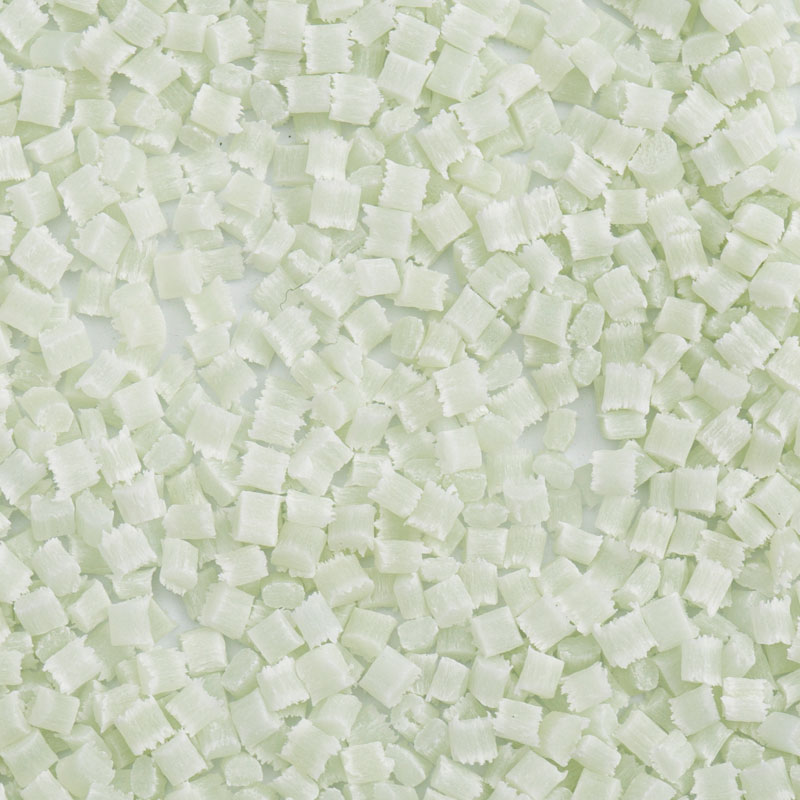
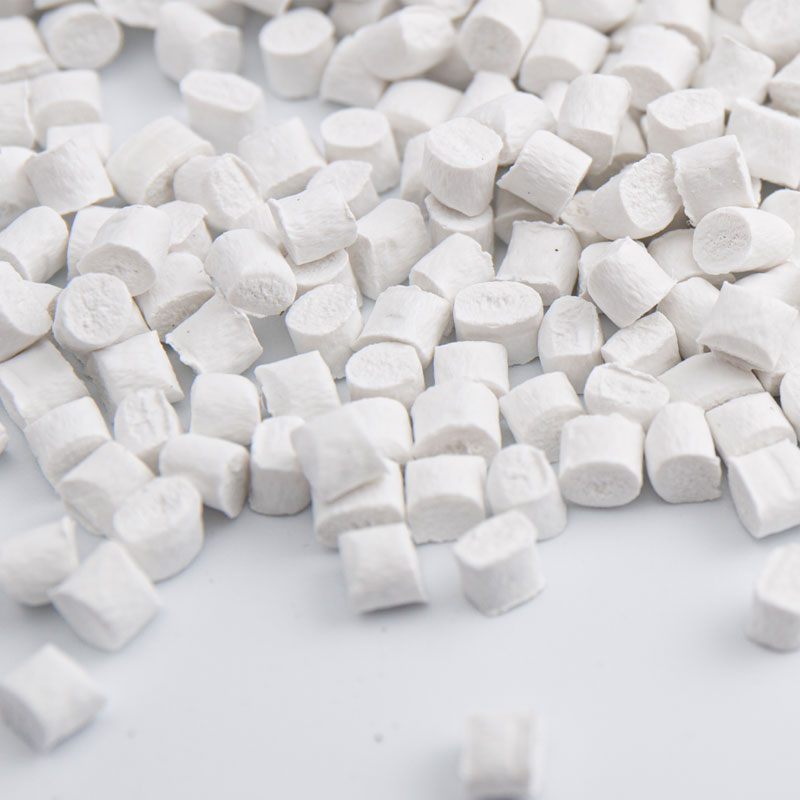
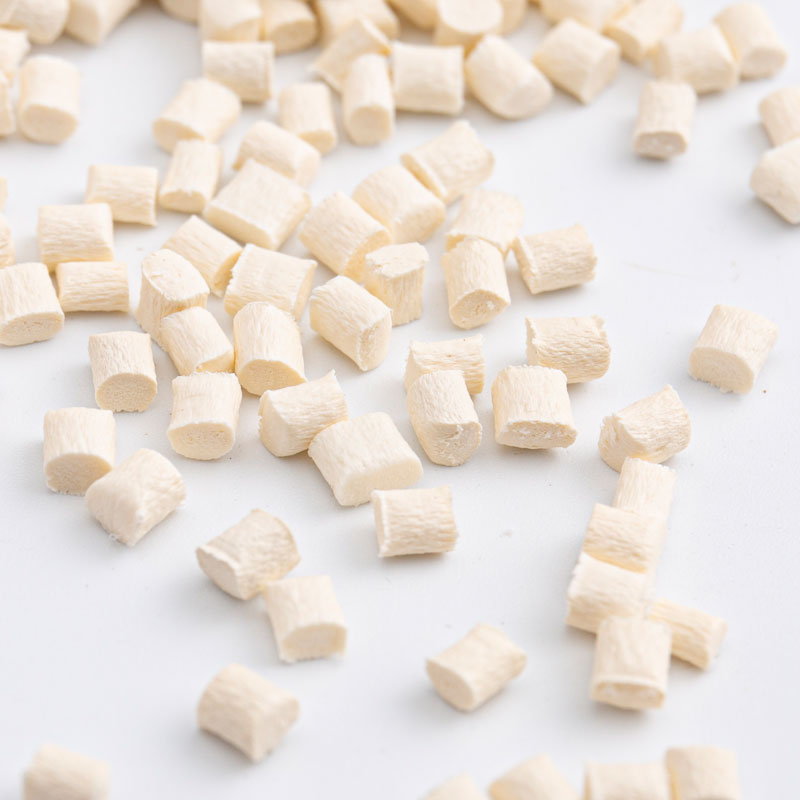
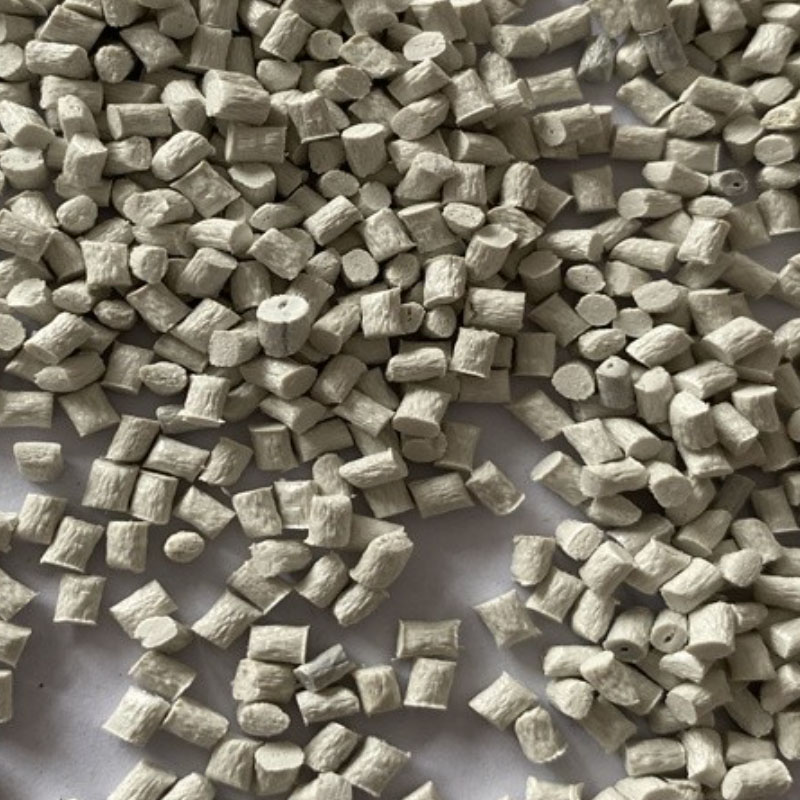
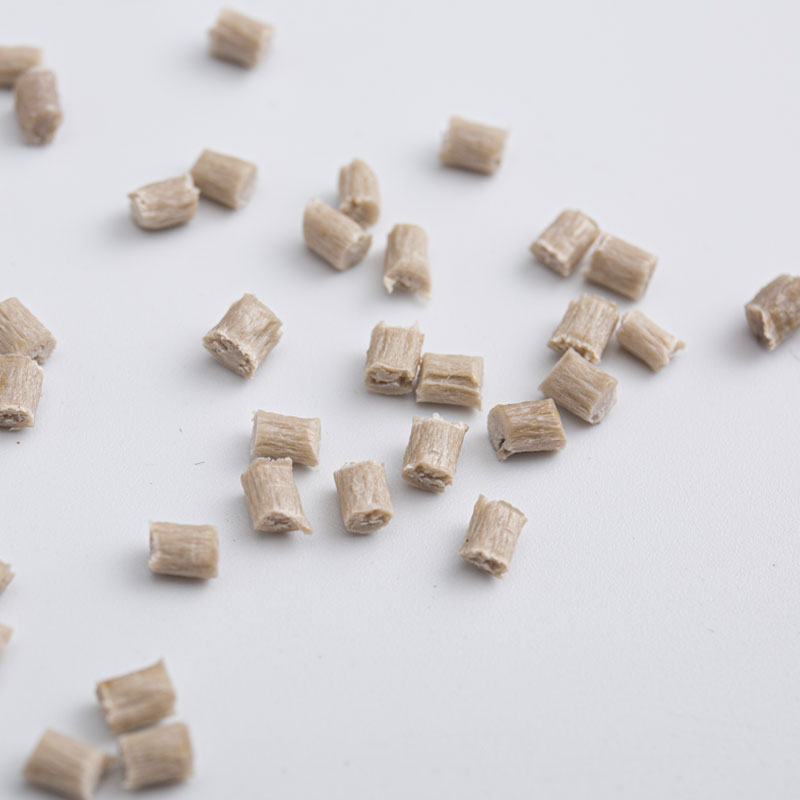
High-Performance Plastic Pellets refer to engineering plastic granules that exhibit outstanding mechanical strength, heat resistance, chemical resistance, and long-term stability. These materials typically offer high strength, high rigidity, excellent thermal performance, low moisture absorption, and superior processing characteristics, enabling them to meet the demands of complex industrial environments.
Compared with conventional plastic pellets, High-Performance Plastic Pellets demonstrate significant advantages in multiple aspects:
| Higher heat distortion temperature |
| Greater mechanical strength |
| Superior dimensional stability |
| Longer service life |
| Enhanced chemical resistance |
With the advancement of industrial automation and precision manufacturing, demand for industrial-grade plastic pellets continues to grow, and High-Performance Plastic Pellets represent the most technologically advanced and widely applied segment within this category.
In recent years, global manufacturing has shifted toward lightweight design, higher performance standards, and energy efficiency. This transformation has significantly expanded the market scale of High-Performance Plastic Pellets. Especially under the accelerating trend of metal replacement, these materials have become a central pillar supporting industrial upgrading.
II. Key Properties of High-Performance Plastic Pellets
1. Excellent Heat Resistance – The Core Advantage of Heat-Resistant Plastic Pellets
Under high-temperature conditions, ordinary plastics are prone to softening, deformation, or even failure. In contrast, heat-resistant plastic pellets can maintain structural integrity and mechanical strength in elevated temperature environments.
High-Performance Plastic Pellets generally possess the following thermal characteristics:
| High glass transition temperature (Tg) |
| High melting point |
| Excellent thermal stability |
| Strong resistance to oxidative aging |
In high-temperature applications such as automotive engine compartments, motor windings, and electronic circuit board supports, heat-resistant plastic pellets have become an indispensable material choice. They are capable of withstanding sustained high temperatures while maintaining dimensional stability during thermal fluctuations, preventing structural loosening or failure caused by thermal expansion.
Moreover, heat-resistant High-Performance Plastic Pellets perform exceptionally well in the electronics and electrical industries, including applications such as connector housings, power module structures, and high-temperature sensor enclosures. These components demand high heat distortion temperatures and reliable insulation properties, both of which are effectively delivered by high-performance plastic materials.
2. High Strength and Durability – Structural Advantages of High Strength Thermoplastic Pellets
Mechanical strength is one of the most critical indicators in evaluating material performance. High-strength thermoplastic pellets achieve enhanced performance through optimized molecular structures or reinforcement modifications, enabling them to reach or even surpass the strength of certain metals.
High-Performance Plastic Pellets demonstrate remarkable strength characteristics, including high tensile strength, excellent flexural strength, superior impact resistance, and outstanding fatigue performance.
In industrial equipment, mechanical structural components, and load-bearing parts, high-strength thermoplastic pellets can effectively replace metal materials. This substitution reduces overall weight while maintaining structural stability.
For example, in automated machinery, gears, guide rails, and support structures manufactured from High-Performance Plastic Pellets not only reduce friction loss but also minimize operational noise and extend equipment lifespan.
3. Lightweight Engineering Benefits – The Value of Lightweight Engineering Plastic Pellets
Under the global trend toward energy conservation and emission reduction, lightweight design has become a central objective in industrial engineering. Lightweight engineering plastic pellets achieve weight reduction through lower material density while preserving excellent mechanical properties.
High-Performance Plastic Pellets offer several lightweight advantages:
| Lower density than metal materials |
| High molding flexibility |
| Capability for integrated complex structural molding |
| Reduced assembly procedures |
In the automotive sector, the adoption of Lightweight engineering plastic pellets significantly reduces vehicle weight, thereby improving fuel efficiency or extending the driving range of electric vehicles. Components such as dashboard frames, door supports, battery housings, and lighting structures benefit from both weight reduction and integrated structural design enabled by High-Performance Plastic Pellets.
III. Processing Advantages of High-Performance Plastic Pellets for Injection Molding
Injection molding is one of the most widely used processing methods in modern manufacturing. High-performance plastic pellets for injection molding exhibit excellent flowability and molding stability, making them ideal for precision component production.
During the molding process, High-Performance Plastic Pellets demonstrate stable melt flow characteristics that allow complete filling of complex molds while minimizing bubbles and shrinkage marks. Their predictable cooling shrinkage ensures dimensional accuracy and consistency, which is particularly important for precision electronic and mechanical components.
Products manufactured using High-performance plastic pellets for injection molding typically feature smooth and uniform surface finishes, reducing the need for secondary processing steps. In large-scale industrial production, these advantages translate into shorter cycle times, lower defect rates, and reduced material waste, ultimately lowering overall manufacturing costs.
IV. Industrial Applications of High-Performance Plastic Pellets
1. Automotive Industry
The automotive industry represents one of the largest application sectors for High-Performance Plastic Pellets. With the rapid development of new energy vehicles and intelligent driving technologies, performance requirements for materials continue to rise.
Within automotive systems, industrial-grade plastic pellets are widely used in engine components, cooling system parts, battery management system housings, and structural supports. Heat-resistant plastic pellets play a crucial role in high-temperature engine environments, while high-strength thermoplastic pellets provide reliable performance for load-bearing structural elements.
2. Electronics and Electrical Industry
Electronic devices demand high insulation performance, heat resistance, and dimensional stability. High-Performance Plastic Pellets offer clear advantages in these aspects and are commonly applied in connectors, socket housings, relay structures, and circuit board supports.
The importance of High-performance plastic pellets for injection molding is particularly evident in this sector, as electronic components often require high precision and consistent manufacturing quality.
3. Aerospace and Advanced Manufacturing
In aerospace applications, materials must withstand extreme temperatures, pressures, and chemical environments. High-strength thermoplastic pellets and heat-resistant plastic pellets are therefore preferred choices for lightweight interior components, structural supports, and functional enclosures.
The excellent strength-to-weight ratio of Lightweight engineering plastic pellets contributes directly to fuel efficiency and operational performance improvements. Compared to traditional metals, High-Performance Plastic Pellets also provide superior corrosion resistance and fatigue stability.
4. Medical and Specialized Industrial Fields
In medical device manufacturing, materials must offer biocompatibility, sterilization resistance, and long-term reliability. Heat-resistant plastic pellets remain stable under high-temperature sterilization processes, while high-strength thermoplastic pellets ensure structural durability during repeated usage.
Through precision injection molding, High-Performance Plastic Pellets enable standardized mass production of high-quality medical components.
V. How to Choose the Right High-Performance Plastic Pellets
Selecting suitable High-Performance Plastic Pellets requires comprehensive evaluation of the service environment, mechanical requirements, processing methods, and cost considerations.
If the application involves continuous high temperatures or frequent thermal fluctuations, heat-resistant plastic pellets should be prioritized. For load-bearing or structural components, high-strength thermoplastic pellets provide clear advantages. When weight reduction is critical, Lightweight engineering plastic pellets deliver significant value by lowering density without sacrificing strength.
For injection molding production, the flowability, shrinkage rate, and molding stability of High-performance plastic pellets for injection molding become key parameters. High-quality industrial-grade plastic pellets must also comply with relevant industry standards and certifications to ensure safety and reliability.
VI. Future Development Trends of High-Performance Plastic Pellets
With continuous technological advancement and industrial transformation, High-Performance Plastic Pellets are evolving toward higher performance levels, enhanced sustainability, and smarter manufacturing compatibility.
Innovations in polymer science and nano-reinforcement technologies are pushing the performance boundaries of high-strength thermoplastic pellets. At the same time, environmentally friendly industrial-grade plastic pellets with improved recyclability are gaining increasing market attention.
The integration of digital manufacturing systems demands materials with predictable and consistent properties. Consequently, High-performance plastic pellets for injection molding are being optimized to deliver stable quality in automated production lines.
Lightweight trends will continue to drive demand for Lightweight engineering plastic pellets across automotive, electric mobility, and aerospace industries. Additionally, the application scope of heat-resistant plastic pellets is expanding into new energy systems and high-temperature electronic devices.
VII. Conclusion
In conclusion, High-Performance Plastic Pellets have become indispensable materials within modern industrial systems. From the thermal stability of heat-resistant plastic pellets to the structural reliability of high-strength thermoplastic pellets and the efficiency advantages of Lightweight engineering plastic pellets, each performance enhancement contributes to broader industrial innovation.
Through precision manufacturing enabled by High-performance plastic pellets for injection molding, enterprises can achieve higher efficiency and improved product quality. Across automotive, electronics, aerospace, medical, and advanced manufacturing industries, industrial-grade plastic pellets continue to reinforce the central role of High-Performance Plastic Pellets in industrial upgrading.
As sustainability and technological progress converge, High-Performance Plastic Pellets will remain a crucial driver of future industrial development and a strategic choice for companies seeking long-term competitiveness.