 EN
EN English
 中文简体
中文简体 Español
Introduction
What Are High-Performance Plastic Pellets?
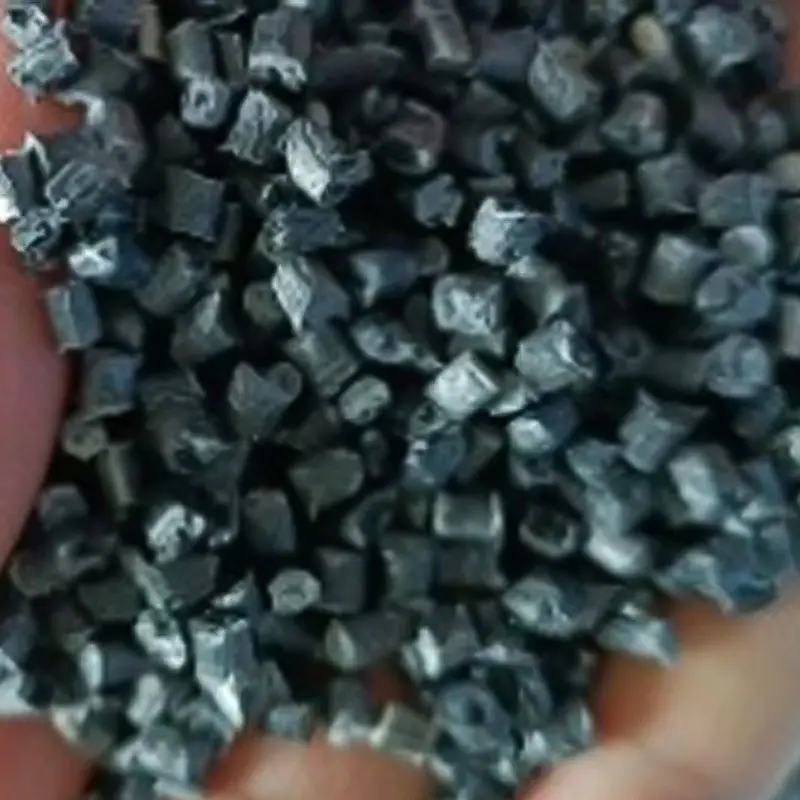
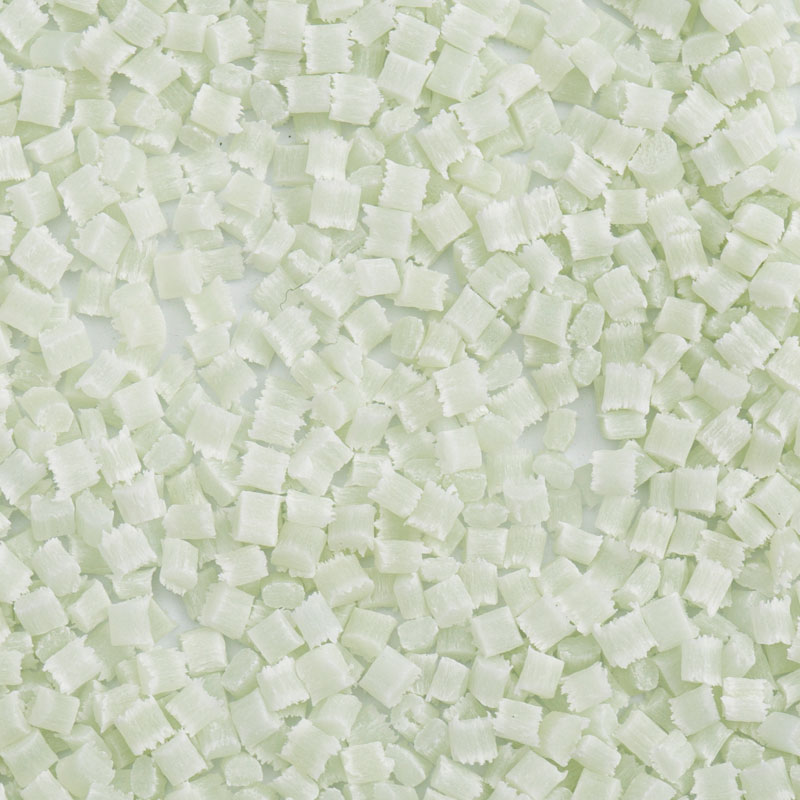
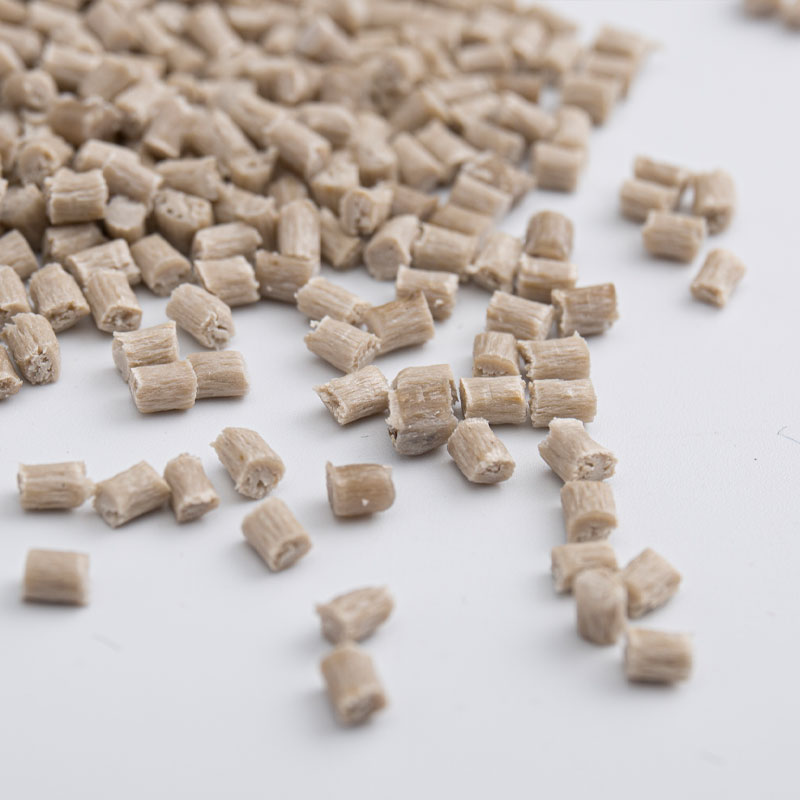
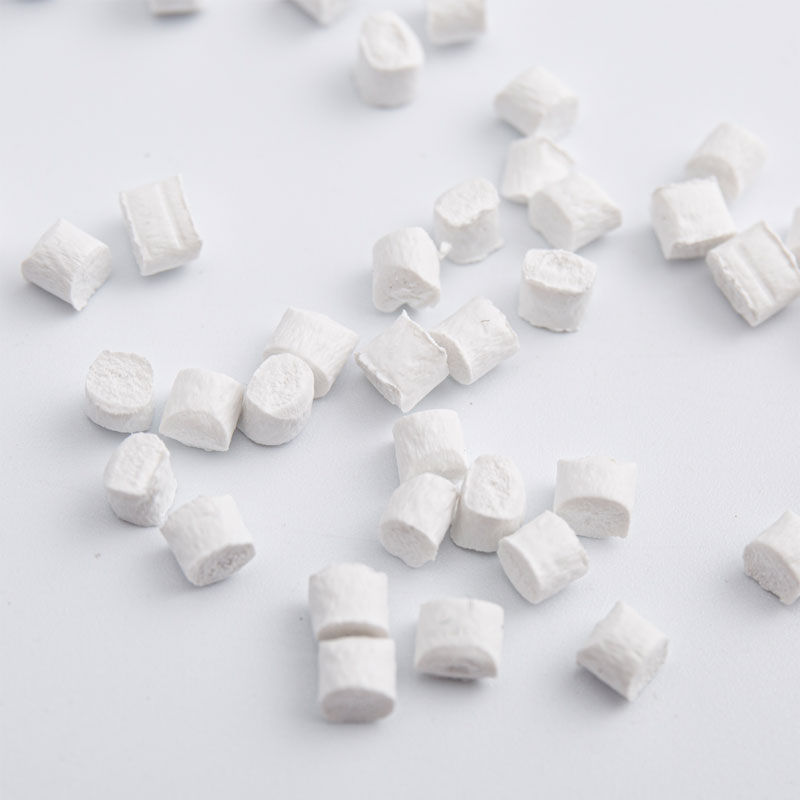
High-performance plastic pellets are specialized plastic materials designed for use in demanding applications across various industries. These pellets are formulated to offer superior mechanical, thermal, and chemical properties compared to conventional plastics, making them ideal for advanced manufacturing processes.
Unlike traditional plastic pellets, high-performance variants are engineered to withstand extreme environments, including high temperatures, heavy mechanical stress, and exposure to chemicals. They are also lightweight, durable, and resistant to wear and tear, which makes them an essential material in industries such as automotive, electronics, aerospace, and medical devices.
Types and Characteristics of High-Performance Plastic Pellets
High-performance plastic pellets come in various types, each with distinct characteristics tailored to specific industrial requirements. The following sections will highlight the most commonly used types of high-performance plastic pellets.
Thermoplastic Pellets
Thermoplastic pellets are some of the most commonly used high-performance plastic materials. They are characterized by their ability to be melted and reshaped multiple times without undergoing significant degradation. This quality makes them ideal for injection molding and extrusion processes, where they can be formed into various shapes and sizes.
These pellets exhibit high strength, excellent thermal stability, and resistance to environmental stress. Thermoplastics are widely used in applications such as automotive parts, consumer electronics, and industrial equipment. They are often chosen for their versatility and ease of processing, making them a popular choice for manufacturers seeking high-performance materials at a competitive price point.
Applications: Injection molding, extrusion, automotive parts, consumer goods, industrial components.
Flame Retardant Plastic Pellets
Flame retardant plastic pellets are designed to resist ignition and limit the spread of flames in the event of a fire. These materials are essential in industries where fire safety is a major concern, such as in electrical and electronic devices, construction materials, and automotive applications.
These pellets are often treated with additives that enhance their resistance to heat and flames. The demand for flame-retardant plastics has grown significantly, driven by increasing safety regulations and the need for more fire-resistant products.
Applications: Electrical connectors, consumer electronics, building materials, automotive interiors, and appliances.
High-Temperature Plastic Pellets
High-temperature plastic pellets are engineered to withstand extreme thermal conditions without losing their mechanical properties. These plastics are essential in industries where components must perform in environments with sustained high heat, such as in automotive engines, aerospace components, and industrial machinery.
These materials exhibit superior resistance to thermal degradation, ensuring that they retain their structural integrity even under prolonged exposure to high temperatures. High-temperature plastic pellets are also resistant to chemicals, making them ideal for use in harsh industrial settings.
Applications: Automotive engines, aerospace parts, electrical equipment, and industrial machinery.
Specialty Polymer Pellets
Specialty polymer pellets are tailored for very specific applications that require a unique set of characteristics. These materials are often engineered to meet the exacting standards of industries like medical devices, food packaging, and telecommunications.
Specialty polymers may include materials that are biocompatible, lightweight, or designed for extreme mechanical strength. They are often used in high-precision applications where standard plastics do not suffice.
Applications: Medical devices, food packaging, telecommunication equipment, precision machinery.
Applications of High-Performance Plastic Pellets Across Industries
Automotive Industry
The automotive sector has been one of the primary drivers of demand for high-performance plastic pellets. These materials are essential for reducing vehicle weight, improving fuel efficiency, and enhancing safety features. High-performance plastics are used in both the interior and exterior of vehicles, as well as in under-the-hood applications that require high heat resistance.
Key Applications:
- Interior Components: High-temperature plastic pellets are used to create durable and lightweight interior components, such as dashboards, door panels, and seat coverings. These materials help reduce the overall weight of the vehicle, improving fuel efficiency.
- Engine Components: Flame-retardant and high-strength plastic pellets are used in the manufacturing of engine parts, such as intake manifolds, fuel tanks, and air filters. These plastics offer the necessary durability and resistance to high temperatures.
- Electrical Systems: Thermoplastic pellets are used to create wiring insulation, connectors, and other electrical components, ensuring high-performance characteristics and safety.
| Application Area | Type of Plastic Pellets Used | Benefits |
|---|---|---|
| Interior Components | High-Temperature Plastic | Lightweight, heat-resistant |
| Engine Components | Flame Retardant Plastic | Safety, high thermal stability |
| Electrical Components | Thermoplastic Pellets | Insulation, durability |
Electronics Industry
High-performance plastic pellets are also widely used in the electronics industry, where the demand for durable and high-functioning components is ever-increasing. These materials are ideal for producing electrical connectors, housings, and insulation materials that need to meet strict performance standards.
Key Applications:
- Connectors and Housings: Flame-retardant plastic pellets are essential for creating connectors and housings that meet safety standards for electrical equipment. These materials help ensure that the components can withstand both electrical and environmental stresses.
- Displays and Screens: Specialty polymers are used in the production of durable and flexible materials for display screens, including smartphone screens and television panels.
| Application Area | Type of Plastic Pellets Used | Benefits |
|---|---|---|
| Connectors and Housings | Flame Retardant Plastic | Safety, fire resistance |
| Displays and Screens | Specialty Polymer Pellets | Flexibility, durability |
IV. High-Performance Plastic Pellets vs. Other Materials
High-performance plastic pellets compete with various other materials, including metals, ceramics, rubbers, and composites. Each material has its own strengths and limitations depending on the application.
High-Performance Plastics vs. Metals
While metals are known for their strength and heat resistance, high-performance plastics offer significant advantages in terms of weight, cost, and ease of processing. Plastic materials are lighter, which is particularly beneficial in industries like automotive and aerospace, where reducing weight is critical for improving fuel efficiency and performance.
However, metals still outperform plastics in terms of ultimate tensile strength and heat resistance in certain applications. For example, in high-stress structural components, metals such as steel and aluminum may be preferred.
| Material | Advantages | Disadvantages |
|---|---|---|
| High-Performance Plastics | Lightweight, corrosion-resistant, cost-effective | Lower strength, limited heat resistance |
| Metals | High strength, heat resistance, and durability | Heavy, expensive, difficult to process |
High-Performance Plastics vs. Ceramics
Ceramics are extremely strong and heat-resistant but tend to be brittle and difficult to mold into complex shapes. In contrast, high-performance plastics offer better flexibility, impact resistance, and are easier to process using injection molding or extrusion techniques. While ceramics excel in extremely high-temperature applications, plastics are typically chosen for their ability to withstand daily wear and tear and their ease of manufacturing.
| Material | Advantages | Disadvantages |
|---|---|---|
| High-Performance Plastics | Flexible, moldable, impact-resistant | Lower strength at high temperatures |
| Ceramics | Extremely strong, heat-resistant | Brittle, difficult to process |
High-Performance Plastics vs. Rubber
While rubber is known for its excellent elasticity and shock-absorbing capabilities, it is often limited by its relatively low thermal resistance and its vulnerability to wear and tear over time. High-performance plastics, on the other hand, offer greater longevity, resistance to UV degradation, and can perform in higher temperature ranges without losing structural integrity.
These differences make high-performance plastics a preferred choice in applications requiring precise mechanical performance and stability over extended periods. However, rubber still excels in sealing, vibration damping, and flexible applications where elasticity is essential.
| Material | Advantages | Disadvantages |
|---|---|---|
| High-Performance Plastics | Longevity, UV resistance, and high heat tolerance | Lower elasticity, can be more brittle |
| Rubber | Excellent elasticity, vibration damping | Poor high-temperature resistance, wears out faster |
High-Performance Plastics vs. Composite Materials
Composite materials, which combine two or more materials to enhance performance characteristics, are often used in industries that require both strength and lightweight properties. However, composites tend to be more expensive and complex to manufacture compared to high-performance plastics, which can be produced more easily and at a lower cost.
Despite the advantages of composites in strength-to-weight ratios, high-performance plastics are often chosen for their ease of molding, versatility, and the ability to meet a broader range of mechanical properties without requiring intricate fabrication methods. High-performance plastics are typically more cost-effective in large-scale production compared to composites, which can require complex molding or lay-up processes.
| Material | Advantages | Disadvantages |
|---|---|---|
| High-Performance Plastics | Cost-effective, easy to mold, versatile | May not offer the same strength-to-weight ratio as composites |
| Composites | Excellent strength-to-weight ratio, customizable | Expensive, complex manufacturing process |
High-Performance Plastic Pellets in Environmental Sustainability
Environmental Implications of High-Performance Plastics
The environmental impact of plastic materials has been a topic of much debate, and high-performance plastics are no exception. However, these materials often provide significant benefits when viewed through the lens of energy efficiency and sustainability. As industries move towards lighter, more durable products, high-performance plastics help reduce energy consumption and carbon footprints by offering alternatives to heavier, more resource-intensive materials such as metals and glass.
Recycling and Reuse
One of the most significant environmental advantages of high-performance plastic pellets is their potential for recycling. Many high-performance plastics can be recycled and reused in various applications, which significantly reduces their environmental impact. Recycled high-performance plastic pellets are increasingly being used in automotive and consumer goods manufacturing, as they retain much of their original strength and durability, making them suitable for a wide range of applications.
The growing focus on closed-loop recycling processes—where the end-of-life plastics are reprocessed into new materials—has contributed to an improved environmental profile for these materials.
| Recycling Process | Applications | Benefits |
|---|---|---|
| Chemical Recycling | Automotive, electronics | Reduces waste, conserves resources |
| Mechanical Recycling | Consumer goods, packaging | Reusable material, lower production costs |
| Biodegradable Polymers | Medical, packaging | Environmentally friendly, reduces plastic pollution |
Biodegradable and Sustainable Alternatives
As the demand for environmentally responsible materials increases, biodegradable and sustainable high-performance plastics are gaining traction. These plastics are designed to break down more quickly in natural environments, reducing long-term waste accumulation. While still a relatively new area of research, there is growing potential for these types of plastics to replace traditional, non-degradable materials in certain applications.
For example, biodegradable high-performance plastic pellets are being explored for packaging, medical applications, and agricultural uses. These materials offer the same high mechanical properties as conventional plastics, but with a reduced environmental footprint.
Sustainable Manufacturing
Sustainable manufacturing practices are also gaining momentum in the production of high-performance plastic pellets. Companies are increasingly investing in cleaner production methods, such as utilizing renewable energy, reducing waste, and improving the efficiency of their manufacturing processes. These efforts not only help reduce the environmental impact but also lead to cost savings and improved product quality.
Conclusion
High-performance plastic pellets are integral to modern manufacturing and are used across various industries, including automotive, electronics, medical, and aerospace. These materials offer significant advantages in terms of weight, strength, durability, and heat resistance, making them essential in the production of high-quality, long-lasting components. Additionally, they help reduce energy consumption and environmental impacts compared to traditional materials like metals and glass.