 EN
EN English
 中文简体
中文简体 Español
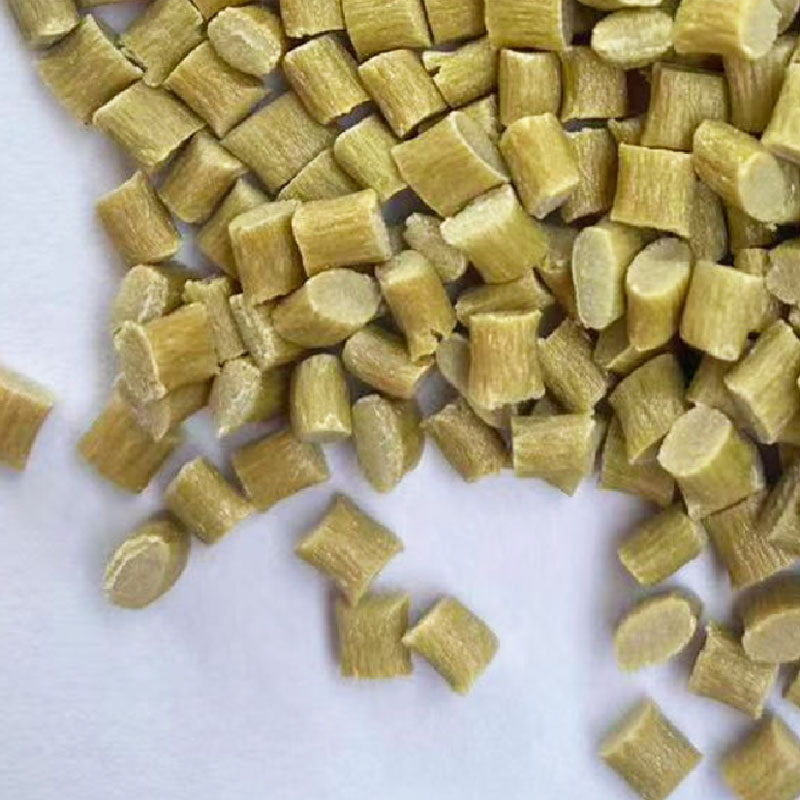
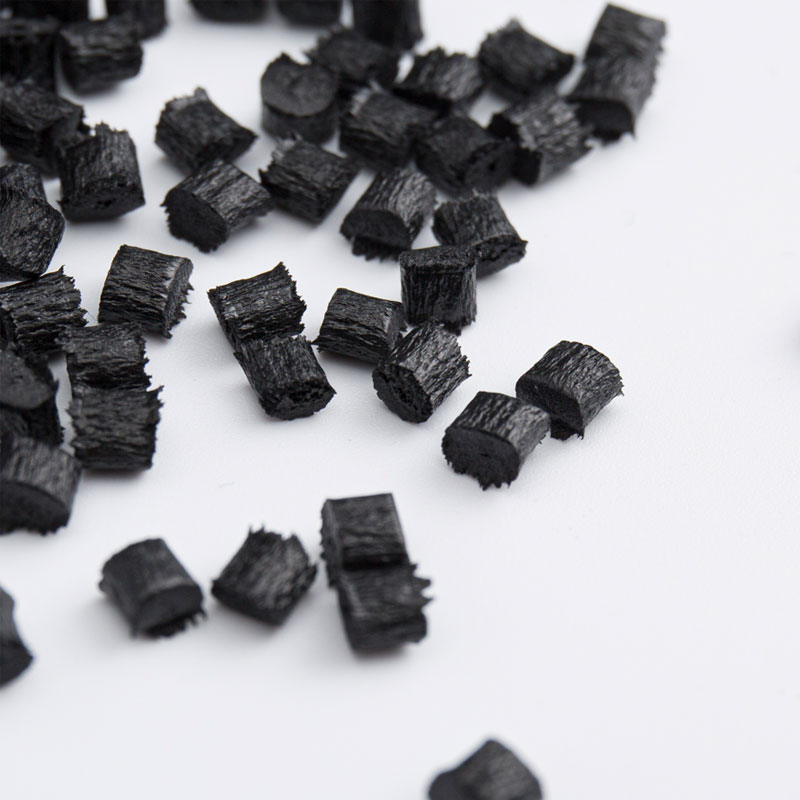
When integrating UV-C sterilization technology into water storage systems, UV-C resistant polypropylene (PP) is the only viable long-term material choice for ensuring structural integrity and water safety. Standard plastics degrade rapidly under intense UV-C exposure, leading to micro-cracking, material leaching, and catastrophic tank failure. By utilizing specifically formulated UV-C resistant PP, manufacturers guarantee that the water tank remains physically robust, chemically inert, and biologically safe throughout its intended lifespan, even when subjected to continuous, aggressive germicidal irradiation.
Understanding the Threat of UV-C to Standard Materials
Ultraviolet C (UV-C) light is highly effective at destroying the DNA of bacteria, viruses, and other pathogens, making it a standard for water purification. However, this high-energy radiation is equally destructive to polymer chains found in conventional plastics. When standard PP is exposed to UV-C, the radiation initiates a photo-oxidative degradation process. This breaks down the molecular bonds, fundamentally altering the physical properties of the material.
The Mechanism of Polymer Degradation
The high-energy photons strike the polymer chains, causing chain scission and cross-linking. This molecular disruption manifests as embrittlement, discoloration, and a severe loss of mechanical strength. In a water tank environment, where internal pressure and structural loads are constant, this degradation can lead to catastrophic structural failure in a fraction of the tank's expected lifespan.
- Chain scission reduces the molecular weight, making the plastic brittle.
- Oxidation causes yellowing and chalking on the exposed surface.
- Micro-cracking creates niches where bacteria can evade UV-C exposure, compromising sterilization.
- Loss of impact resistance makes the tank vulnerable to cracking under hydraulic pressure.
The Science Behind UV-C Resistant PP Formulations
UV-C resistant PP is not a fundamentally different plastic; rather, it is a highly engineered composite. Material scientists modify standard polypropylene by introducing advanced stabilizers and modifiers that absorb or neutralize the damaging effects of UV-C radiation before they can break the polymer chains. This allows the material to maintain its mechanical and chemical properties despite prolonged exposure.
Key Stabilization Strategies
To achieve UV-C resistance, formulators rely on a combination of additive technologies that work synergistically to protect the polymer matrix. Hindered amine light stabilizers (HALS) are particularly critical, as they act as radical scavengers, continuously neutralizing the damaging free radicals generated by UV-C exposure. UV absorbers also play a role by converting harmful radiation into harmless heat, which is then dissipated throughout the water mass.
- UV Absorbers - Capture UV-C photons and release the energy as minimal heat.
- Hindered Amine Light Stabilizers (HALS) - Scavenge free radicals created during photo-oxidation, effectively stopping the chain reaction of degradation.
- Antioxidants - Protect the polymer during processing and provide a baseline defense against oxidative stress at the molecular level.
Core Benefits for Water Tank Applications
Choosing UV-C resistant PP for water tanks goes beyond merely preventing the tank from cracking; it ensures the holistic performance of the water storage and purification system. The material offers a unique combination of durability, safety, and maintenance advantages that directly translate to long-term reliability.
Structural Longevity and Safety
The primary benefit is the preservation of structural integrity. A tank must withstand constant water pressure, environmental stresses, and the operational vibrations of pumps. When a material degrades, its tensile strength and impact resistance plummet. UV-C resistant PP retains its mechanical properties for significantly longer operational periods, ensuring the tank does not suddenly fracture or leak. Furthermore, because the material does not degrade, it will not leach microscopic plastic particles or chemical byproducts into the purified water supply, maintaining strict water quality standards.
| Material Type | Impact Resistance Retention | Risk of Micro-cracking | Chemical Leaching Risk |
|---|---|---|---|
| Standard PP | Very Low | High | High |
| UV-C Resistant PP | High | Negligible | Negligible |
| Standard PE | Low | High | Moderate |
Practical Design Considerations for UV-C Tanks
Implementing UV-C resistant PP requires thoughtful engineering to maximize the synergy between the material and the sterilization system. The effectiveness of the entire system relies on both the quality of the resin and the physical design of the tank itself.
Optimizing Material Thickness and Lamp Placement
Even with UV-C resistant formulations, the thickness of the tank wall plays a crucial role in long-term performance. Thicker walls provide a deeper barrier against radiation penetration, ensuring that even if the innermost layer experiences minor oxidative stress, the overall structural wall remains completely sound. Additionally, the design must account for UV-C lamp placement. The intensity of UV-C radiation follows the inverse-square law; therefore, proper lamp placement ensures optimal pathogen destruction while preventing overly concentrated radiation on a single spot of the tank wall. Designing the tank with smooth internal curves and eliminating sharp corners prevents localized "hot spots" of UV-C intensity that could accelerate material wear.
Applications and Industry Relevance
The demand for UV-C resistant PP water tanks spans multiple industries where sterile water is non-negotiable. The combination of polypropylene's inherent chemical resistance and the added UV-C stability makes it uniquely suited for harsh operational environments.
Critical Use Cases
In the medical and pharmaceutical sectors, water must remain absolutely free of contaminants and micro-plastics. UV-C resistant PP tanks provide the assurance that the sterilization process will not inadvertently introduce particulates into purified water systems. Similarly, in the food and beverage industry, clean-in-place (CIP) systems utilize aggressive UV-C treatment to sanitize equipment without harsh chemicals; UV-C resistant PP tanks are essential for holding the rinse water safely. Furthermore, in municipal water treatment and advanced residential purification systems, these tanks offer a zero-maintenance solution for long-term water hygiene, drastically reducing the frequency of tank replacements and system downtime.
- Medical and laboratory sterile water storage
- Pharmaceutical processing and rinsing
- Food and beverage clean-in-place systems
- Commercial and municipal water treatment facilities
Ensuring Quality Through Rigorous Testing
To guarantee that a PP material can genuinely withstand the rigors of UV-C exposure, it must undergo stringent, accelerated aging tests. These tests simulate years of continuous operation in a highly compressed timeframe, providing engineers with the data necessary to predict long-term reliability.
Accelerated Weathering Protocols
Material specimens are placed in specialized environmental chambers where they are subjected to intense, continuous UV-C radiation, often while submerged in heated water to simulate the worst possible operational conditions. Engineers measure key indicators such as tensile strength, elongation at break, and impact resistance before and after the exposure cycles. A true UV-C resistant PP formulation must demonstrate a retention of mechanical properties that vastly exceeds standard grades after these accelerated aging protocols. This rigorous validation ensures that when the material is deployed in a real-world water tank, it will endure the operational lifespan promised by the manufacturer without compromising the safety or purity of the water contained within.